
If your furry friend has been dealing with tummy troubles, you’ve probably come across the suggestion to reach for a can of pumpkin. It’s one of the most common home remedies pet parents turn to, and for good reason. Here’s what the science and veterinary consensus actually say about whether pumpkin works for digestive issues in dogs.

Quick Answer: Is Pumpkin Good for a Dog's Upset Stomach?
Yes. Plain pumpkin-especially 100% canned pumpkin with no added ingredients-is a natural, nutrient-dense remedy that many veterinarians recommend for a dog’s upset stomach, mild diarrhea, and mild constipation.
- Pumpkin’s fiber absorbs excess water in the digestive tract to firm up loose stools, while also softening hard stools by drawing water into the colon, supporting regular bowel movements.
- It is a supportive home remedy for a mild upset stomach, not a cure for serious illness. Persistent vomiting, bloody diarrhea, or lethargy require immediate veterinary care.
- At CompanAIn, we see pumpkin used frequently in vet records and action plans for digestive health-always as part of an overall assessment of the dog’s diet, symptoms, and hydration status.
How Pumpkin Helps a Dog's Digestive Health
When vets talk about dog pumpkin, they mean plain cooked pumpkin or pure pumpkin from a can-never pumpkin pie filling or flavored seasonal products.
- The fiber factor: pumpkin contains balanced soluble and insoluble fiber. Pumpkin’s soluble fiber helps firm up loose stools by absorbing excess water in the intestines. Insoluble fiber adds bulk and stimulates the colon, helping constipated dogs when paired with adequate hydration.
- Pumpkin promotes healthy gut bacteria. Research shows that fiber sources including dried pumpkin increase beneficial bacteria like Bacteroides and Faecalibacterium while reducing putrefactive metabolites-a prebiotic effect that supports long-term digestive health.
- Pumpkin is high in fiber, vitamin A, and potassium. It also delivers beta carotene (which converts to vitamin A), vitamin C, vitamin E, and iron. These nutrients support the immune system, healthy skin, coat, and overall resilience during stomach upset. Pumpkin also helps regulate blood sugar levels in dogs, making it a smart addition for many breeds.
- A cup of pumpkin contains about 80 calories and 10 grams of fiber, making it a nutritional powerhouse without excessive calories.
Common Causes of a Dog's Upset Stomach
Dogs have a sensitive stomach by nature, and a dog’s digestive tract can react to a surprising range of triggers. Pumpkin only helps when the underlying problem is mild and self-limiting.
- Typical triggers: sudden changes in dog food, eating rubbish or rich table scraps, too many treats, dietary indiscretion on walks, and stress from boarding, travel, new household members, or fireworks.
- Medical causes that pumpkin cannot fix: viral or bacterial infections, parasites, pancreatitis, food allergies, inflammatory bowel disease, organ disease, and medication side effects.
- Red flags where home remedies aren’t enough: blood in stool, repeated vomiting, abdominal pain, fever, or refusal to eat for more than a day.
- Tracking episodes of diarrhea, vomiting, appetite, and energy on a health timeline-like the one in CompanAIn-helps owners and vets spot patterns and rule out more serious conditions.
When Pumpkin Helps vs When You Need a Vet
Not all stomach issues are equal. Pumpkin is suited to mild signs only.
- Safe to try pumpkin: soft but not watery stools, mild gurgly pup’s stomach, slightly reduced appetite but normal energy, recent minor diet change, or brief stress episode.
- Pumpkin works well alongside a bland diet (boiled chicken and rice) for a day or two while you monitor your dog’s symptoms closely.
- See the vet now: diarrhea or vomiting lasting more than 24–48 hours, blood or black/tarry stool, repeated vomiting, severe lethargy, belly pain, known chronic disease, or symptoms in very young, very old, or pregnant dogs. Consult a veterinarian for any persistent digestive issues.
- In chronic or recurrent problems, pumpkin may mask early signs temporarily. A vet work-up with lab tests, fecal exams, and imaging is the responsible next step.
- Use CompanAIn to log exactly when you add pumpkin, how your dog’s stool changes, and share that record with your vet through the secure portal.
What Kind of Pumpkin Is Safe for Dogs?
Only plain pumpkin is safe-no excessive sugar, salt, spices, or pie filling.
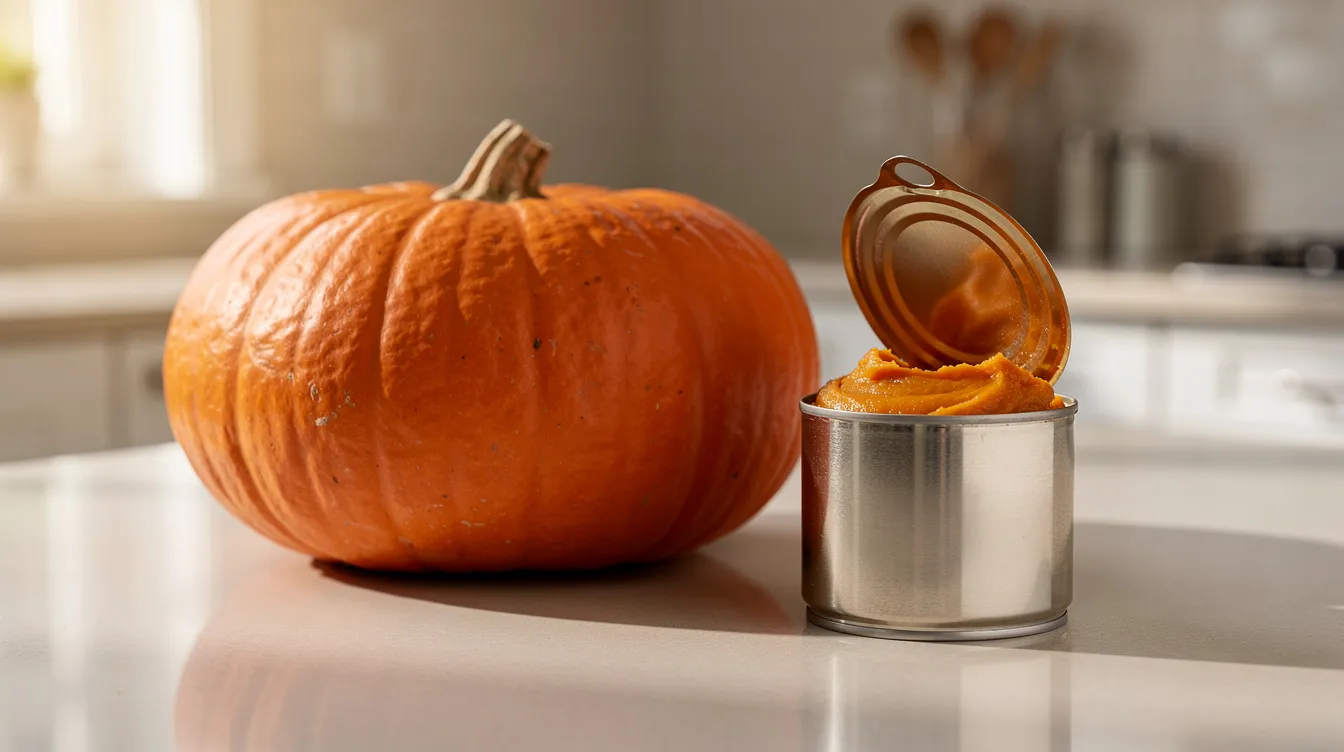
- 100% plain canned pumpkin is the easiest, most consistent choice. Check that “pumpkin” is the only ingredient on the label. It has higher fiber per spoonful than fresh pumpkin and stores well.
- Cooked pumpkin (fresh pumpkin steamed or roasted without oil or seasoning, then mashed into pumpkin puree) is also safe. Cook pumpkin before serving to improve digestibility. Note that fresh pumpkin flesh has higher water content, so you’ll need more volume to match canned fiber levels.
- Dogs should never eat pumpkin pie filling. Avoid pumpkin pie filling due to harmful ingredients like added sugar, nutmeg, cloves, and sometimes xylitol.
- Can dogs eat raw pumpkin? Small amounts of raw pumpkin flesh aren’t toxic but are harder to digest and more likely to cause gas. Cooked is strongly preferred for a dog’s digestive system.
- Pumpkin seeds: small amounts of roasted, unsalted seeds (ground or chopped) can be safe, but whole seeds are a choking hazard for small dogs and aren’t ideal during stomach upset.
- Decorative jack-o’-lantern pumpkins left outside may be moldy, rotten, or contaminated-skip them entirely.
How to Add Pumpkin to Your Dog's Diet Safely
Pumpkin should be introduced gradually into a dog’s diet, starting small and scaling to your dog’s size.
- Start with one teaspoon of pumpkin per 10 lbs of body weight. For small dogs, that’s about 1 teaspoon to 1 tablespoon per meal. Medium dogs can handle 1–2 tablespoons. Large dogs may take 2–4 tablespoons. Always start at the low end.
- Mix pumpkin into the regular dog’s food or a short-term bland diet rather than replacing meals, so it doesn’t unbalance overall nutrition.
- Treats and supplements-including pumpkin-should make up no more than about 10% of daily calories to help maintain a healthy weight and avoid nutrient dilution.
- Convenient ways to feed pumpkin: stirred into dry food or kibble, spooned on top of wet food, frozen into small cubes, or stuffed into a KONG-type toy once the stomach has settled.
- For a dog’s upset stomach, most owners use pumpkin for 1–3 days. If there’s no improvement within 24–48 hours, contact your vet.
- Introduce pumpkin gradually to monitor for digestive upset. Excessive pumpkin may lead to gas and bloating in dogs, so monitor your dog’s stool after introducing pumpkin. For detailed stool tracking guidance, see our dog poop analysis guide.
- CompanAIn can help you log exactly how much pumpkin you add, track stool consistency changes, and generate a summary for your vet if follow-up is needed.
Can Pumpkin Help with Both Diarrhea and Constipation?
It may seem counter-intuitive, but the same ingredient can help opposite problems because of how fiber in pumpkin behaves in the gut.
- For diarrhea: soluble fiber in canned pumpkin absorbs extra fluid, bulks up runny stools, slows transit time, and helps produce more formed bowel movements. This is why many pet parents reach for it when they notice loose stools.
- For dog constipation: insoluble fiber adds bulk and draws water into the colon when the dog is well-hydrated, helping stimulate more comfortable and regular bowel movements. Pumpkin can alleviate mild constipation effectively in most dogs.
- Simple dosing ranges: 1–4 teaspoons for small dogs, 1–4 tablespoons for medium to large dogs-but confirm amounts with your vet for your specific pet.
- Too much pumpkin can flip the problem, turning mild constipation into diarrhea or worsening already loose stools. Moderation is essential.
- If a dog is straining, hasn’t passed stool in over 48 hours, is vomiting, or shows pain, this could indicate a blockage that pumpkin cannot fix-see your vet immediately.
What About Pumpkin Pie, Pumpkin Treats, and Daily Use?
Around holidays, many pet parents wonder whether dogs eat pumpkin pie or pumpkin-flavored treats safely.
- Dogs should not eat pumpkin pie or pumpkin pie filling. Sugar, fat, nutmeg, cloves, and sometimes xylitol can cause stomach upset or toxicity.
- Human pumpkin products like lattes, muffins, and flavored yogurts contain sweeteners, spices, or dairy that aggravate a dog’s digestive tract.
- Commercially made pumpkin dog treats can be fine if ingredients are simple and dog-safe, but they don’t deliver the same digestive benefits as therapeutic plain pumpkin.
- Plain pumpkin is safe for daily use in small amounts, especially for dogs needing extra fiber. However, long-term heavy use can crowd out other nutrients and contribute excessive vitamin A and calories. Pumpkin provides essential vitamins and minerals supporting canine health, but balance matters.
- Ask your vet or use CompanAIn’s nutrition tools to see whether the amount of pumpkin fits within your dog’s overall diet and health plan.
Using Technology Like CompanAIn to Track Stomach Issues
Stomach issues are easier to manage-and discuss with your vet-when every episode is logged and organized in one place.
- Record every episode of a dog’s upset stomach in CompanAIn: date, time, stool consistency, presence of blood or mucus, vomiting, appetite, and energy level.
- The app displays a health timeline showing patterns over weeks or months, including when you add pumpkin or introduce new foods, helping connect triggers with symptoms.
- Upload lab results or vet notes and let CompanAIn’s AI summarize trends-like recurrent diarrhea after certain diet changes or around high-stress events.
- Share organized data with your veterinarian via a secure vet portal, improving communication and speeding up diagnosis.
- Even when pumpkin seems to fix mild problems, tracking helps ensure a more serious underlying disease isn’t being missed.
Frequently Asked Pumpkin Questions from Dog Owners
Here are the questions we hear most from dog owners exploring pumpkin as a natural remedy.
- Can dogs eat pumpkin? Yes. Plain cooked or 100% canned pumpkin is safe in moderation and offers real health benefits and nutritional benefits for most dogs.
- Can dogs eat pumpkin pie? No. Pumpkin pie contains sugar, spices, and sometimes xylitol-all harmful. Never give your dog pumpkin pie.
- Can dogs eat raw pumpkin? Small amounts aren’t toxic, but cooked is better for digestion and for settling a dog’s stomach.
- Can I give my dog pumpkin every day? Small daily amounts are generally fine if approved by your vet and balanced within overall calories and nutrients. It’s a natural way to support ongoing digestive health.
- How fast will pumpkin help my dog’s stomach? A mild upset stomach sometimes improves within 12–24 hours. If there’s no improvement or symptoms worsen, contact your vet.
- Can pumpkin replace my dog’s regular food? No. Pumpkin is a supplement, not a complete dog’s meal. It should never be the sole food source.
If you’re unsure whether to give your dog pumpkin or seek in-person care, log the question in CompanAIn or use the chat-based AI assistant for guidance tailored to your pet’s history.