
Equine metabolic syndrome in horses always sounds manageable until you’re watching a beloved animal struggle with chronic laminitis or unexplained weight gain that refuses to budge. Whether you’re caring for a backyard companion or managing a breeding operation, metabolic disorders escalate from subtle warning signs to life-threatening complications faster than most expect.
That’s where modern diagnostic tools become essential—catching problems early enough to prevent devastating outcomes. With AI-powered pattern recognition and comprehensive data integration, CompanAIn’s veterinary platform supports earlier detection and more consistent monitoring.
Knowing how equine metabolic syndrome develops, which diagnostic markers matter most, and when intervention becomes critical can help you prevent laminitis and maintain long-term soundness.
What Is Equine Metabolic Syndrome?

Equine metabolic syndrome in horses is a metabolic disorder characterized by insulin dysregulation, abnormal fat distribution, and increased laminitis risk. The condition is particularly prevalent in susceptible breeds, with studies showing hyperinsulinemia affecting 20-30% of at-risk equine populations, though precise global EMS prevalence remains difficult to establish.
The pathophysiology centers on dysfunctional glucose metabolism. Horses with EMS struggle to regulate blood sugar because their cells respond poorly to insulin. The pancreas compensates by producing more insulin, creating hyperinsulinemia that damages blood vessels—particularly the delicate laminar structures within the hoof.
Clinical signs include regional adiposity—abnormal fat deposits concentrated in specific areas. The hallmark “cresty neck” appears as firm, fatty tissue along the crest that remains even when the horse loses weight elsewhere. Other deposits develop over the shoulders, tail head, mammary area, and sheath.
Additional symptoms include abnormal sweating, exercise intolerance, delayed shedding, poor coat quality, and reproductive irregularities in mares. Some horses show behavioral changes or reduced performance capacity.
Breed predisposition significantly influences risk. Ponies show dramatically higher susceptibility, with some breeds exceeding 30% prevalence. Draft breeds including Morgans, Arabians, and warmbloods demonstrate elevated risk compared to Thoroughbreds. However, any horse can develop EMS regardless of breed.
For owners of specific breeds like Quarter Horses, understanding genetic predispositions and breed-specific diseases can complement EMS management and help tailor proactive care strategies.
The connection to laminitis makes EMS a serious health concern. Research indicates horses with insulin dysregulation face substantially increased laminitis risk. Episodes triggered by EMS tend toward severity, chronicity, and recurrence—creating ongoing management challenges.
Horses with metabolic disorders often experience diet, exercise, and gut motility changes that can increase the risk of digestive issues. To learn more about how gastrointestinal disturbances arise and what causes colic in horses, see our detailed guide on this common equine emergency.
CompanAIn’s AI platform helps veterinarians track these relationships by organizing metabolic markers, hoof health assessments, and treatment responses over time. The system identifies patterns that might indicate escalating risk before clinical signs become obvious.
Traditional Diagnostic Challenges
Despite decades of veterinary research, diagnosing equine metabolic syndrome remains frustratingly inconsistent across practices. The condition isn’t a single disease with one definitive test, but rather a syndrome encompassing multiple metabolic abnormalities.
Inconsistent diagnostic criteria create confusion and delayed diagnosis. Some veterinarians rely on visual assessment and body condition scoring, which proves highly subjective. Others require comprehensive testing including insulin, glucose measurements, and dynamic tests like oral glucose tolerance tests.
Time-consuming manual assessment processes burden both veterinarians and clients. Traditional oral glucose tolerance tests require multiple blood draws over several hours, demanding significant veterinary time and client availability. Many practices lack resources to perform these comprehensive assessments routinely.
High costs create barriers to early detection. Complete metabolic panels including insulin, glucose, ACTH, triglycerides, and leptin can exceed $500 per horse. For owners managing multiple horses, these costs delay diagnosis until symptoms become severe.
Delayed diagnosis leads to advanced complications. By the time many horses receive EMS diagnosis, they’ve already experienced laminitic episodes or developed chronic hoof problems. Early intervention dramatically improves prognosis, but without accessible diagnostic tools, the treatment window often closes.
Subjectivity in visual assessment introduces error. Body condition scoring and neck crest evaluation depend heavily on evaluator experience. Research shows substantial variation between observers assessing the same horse.
CompanAIn addresses this by organizing historical photos, body condition scores, and objective measurements into comprehensive timelines. These reveal subtle trends invisible during individual examinations.
AI-Powered Diagnostic Solutions
Artificial intelligence transforms equine metabolic syndrome detection by addressing the core limitations of traditional approaches. Machine learning algorithms excel at pattern recognition, data integration, and predictive analysis—precisely the capabilities needed for EMS diagnosis.
CompanAIn’s platform enhances diagnostic accuracy through multi-factor analysis. Rather than evaluating insulin levels or body condition in isolation, the AI system integrates metabolic markers, physical assessments, breed information, age, exercise history, and diet composition. This holistic approach identifies subtle correlations that inform earlier diagnoses.
Pattern recognition capabilities enable early detection. AI algorithms trained on thousands of equine health records recognize metabolic dysfunction patterns before they produce obvious clinical signs. The system flags horses developing insulin resistance months before traditional diagnostic criteria would trigger testing.
Integration with existing veterinary workflows removes adoption barriers. CompanAIn’s platform enhances current approaches by organizing existing data—lab results, physical examination findings, treatment notes—into structured formats. Veterinarians continue using familiar diagnostic methods while gaining AI-powered insights.
Real-time data analysis accelerates clinical decision-making. AI systems perform diagnostic synthesis instantly, presenting relevant patterns and treatment recommendations within seconds. During appointments, veterinarians access immediate insights that inform discussions with owners.
Between visits, the system monitors uploaded data continuously, alerting practices to concerning trends that warrant proactive outreach rather than waiting for scheduled follow-ups.
Risk stratification improves resource allocation. CompanAIn’s algorithms calculate individual risk scores based on each horse’s specific factors. This helps veterinarians prioritize follow-up testing, adjust monitoring frequency, and communicate urgency appropriately to owners.
Management Strategies and Treatment Plans
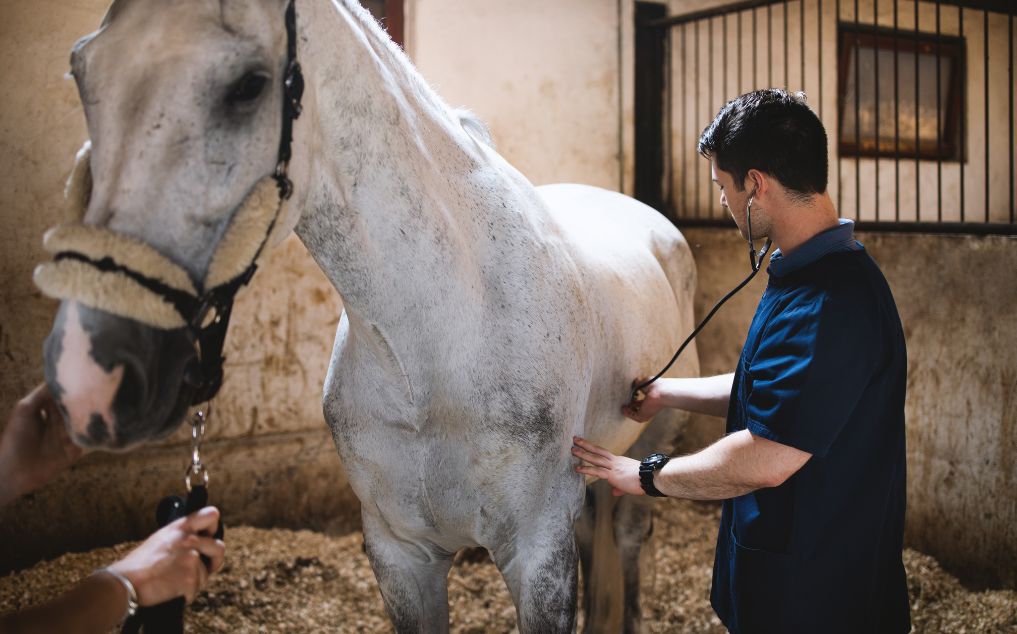
Diagnosing equine metabolic syndrome represents only the beginning—successful outcomes depend on comprehensive, sustained management.
Nutrition and weight management protocols form the foundation of EMS treatment. Most affected horses require caloric restriction to achieve gradual weight loss while maintaining muscle mass. Horses need carefully balanced diets that provide essential nutrients without excess nonstructural carbohydrates that spike insulin levels.
Testing hay for sugar and starch content allows veterinarians to recommend appropriate forage sources. Grazing management is critical since lush pasture grass contains dangerously high sugar concentrations for metabolically compromised horses.
Strategies include limiting grazing time, using grazing muzzles, or restricting access during high-sugar periods. These restrictions require significant management changes and owner commitment.
Exercise and movement recommendations support metabolic function. Regular exercise improves insulin sensitivity, promotes weight loss, and maintains cardiovascular health. However, EMS horses often have concurrent laminitis, complicating exercise recommendations.
Veterinarians must balance metabolic benefits against mechanical stress on compromised hooves. Walking programs provide safe activity for most horses, starting conservatively and gradually increasing duration as fitness permits.
Medication options provide additional support when lifestyle modifications prove insufficient. Metformin may help reduce post-prandial insulin spikes in some horses, though studies show conflicting results due to poor bioavailability in equines. Individual response varies significantly, and medication efficacy should be monitored through follow-up testing. GLP-1 agonists represent newer therapeutic options showing potential for addressing metabolic dysfunction.
Medication decisions depend on each horse’s specific metabolic profile, severity of insulin dysregulation, laminitis history, and response to dietary management. Some horses achieve excellent control through diet and exercise alone.
Monitoring and follow-up schedules ensure treatments remain effective. Initial management changes require frequent reassessment—often monthly for the first few months—to track weight loss progress and evaluate metabolic marker trends.
CompanAIn’s AI platform enhances monitoring by tracking multiple data streams simultaneously. The system identifies trends that predict disease progression or treatment response, alerting veterinarians when parameters drift outside target ranges.
Owner education and compliance tracking determine long-term success. Owners need clear understanding of why management restrictions matter, how dietary choices affect metabolic function, and what warning signs indicate problems.
CompanAIn’s user-friendly interfaces help owners stay engaged with monitoring tasks. The platform provides reminders and visualizes progress in ways that sustain motivation over months and years of management.
Transform Your Approach to Equine Metabolic Syndrome
Managing equine metabolic syndrome in horses requires more than recognizing symptoms—it demands early detection, precise diagnosis, and comprehensive monitoring. CompanAIn’s AI-powered platform addresses these challenges directly by integrating multi-factor analysis and recognizing patterns that predict disease progression.
Whether you’re a veterinarian seeking diagnostic tools that improve accuracy, or an owner wanting proactive management for horses with metabolic concerns, AI-assisted diagnostics represent the next evolution in equine healthcare.
Discover how CompanAIn’s AI diagnostics can identify equine metabolic syndrome earlier and support better long-term outcomes. Explore our platform to see how veterinary practices are integrating AI-assisted diagnostics into their equine metabolic care protocols.
Frequently Asked Questions
What are the first signs of equine metabolic syndrome?
Early signs include regional fat deposits concentrated in the neck crest, shoulders, tail head, and mammary or sheath areas. Other symptoms include abnormal sweating patterns, difficulty losing weight despite dietary changes, poor coat quality, and delayed shedding.
Some horses show behavioral changes or reduced performance. These signs often appear before insulin levels reach diagnostic thresholds, making careful observation essential for early detection.
How is EMS diagnosed in horses?
Traditional diagnosis combines physical assessment—including body condition scoring and neck crest evaluation—with blood testing to measure insulin and glucose levels. Dynamic testing such as oral glucose tolerance tests provides additional diagnostic information but requires more time and expense.
CompanAIn’s AI platform enhances accuracy by analyzing multiple data points including metabolic markers, breed information, age, diet, exercise history, and previous health records. This identifies patterns that indicate metabolic dysfunction earlier than conventional methods alone.
Can equine metabolic syndrome be cured?
EMS cannot be cured but can be successfully managed through long-term diet modification, weight management, regular exercise, and sometimes medication. The condition reflects underlying metabolic dysfunction that requires sustained intervention rather than short-term treatment.
Early detection through AI diagnostics significantly improves outcomes by enabling intervention before irreversible complications like chronic laminitis develop. Many horses achieve excellent quality of life with appropriate management.
What breeds are most susceptible to EMS?
Ponies show the highest prevalence, with some breeds experiencing rates exceeding 30%. Among horses, Morgans, Arabians, Andalusians, and various warmblood breeds demonstrate elevated risk compared to Thoroughbreds and Standardbreds.
However, any horse can develop metabolic syndrome regardless of breed, particularly when management factors like unlimited pasture access or high-calorie diets promote metabolic dysfunction.
How does AI improve EMS diagnosis compared to traditional methods?
AI analyzes complex data patterns faster and more consistently than manual review, reduces human subjectivity in visual assessment, and identifies early biomarkers indicating metabolic dysfunction before clinical signs become obvious.
The technology integrates multiple information sources into comprehensive risk profiles that inform more accurate diagnosis and targeted intervention. This approach leads to earlier detection and better long-term prognoses.
What is the cost of managing equine metabolic syndrome?
Management costs vary based on disease severity. Typical expenses include veterinary visits ($100-300 per visit), diagnostic testing ($200-500 for comprehensive metabolic panels), and specialized low-sugar hay or feed ($15-30 per month more than standard options).
Some horses require medications ($50-150 monthly). Horses with laminitis complications incur additional farrier expenses for therapeutic trimming and shoeing. Early AI-assisted detection reduces long-term treatment costs by preventing complications.
Can diet alone manage EMS?
Diet forms the foundation of EMS management and proves sufficient for some horses, particularly those with mild metabolic dysfunction caught early. However, most horses require a multi-faceted approach including controlled exercise and consistent weight management.
Disease severity, individual metabolic characteristics, and laminitis history determine whether diet alone provides adequate control. Veterinary oversight remains critical for optimal results, and regular monitoring ensures management strategies continue working effectively.