
How to tell if a horse has worms starts with understanding that parasites rarely announce themselves until damage has already begun. Weight drops despite generous rations, coats lose their luster, and performance falters—all while the culprit operates invisibly inside your animal’s digestive system.
CompanAIn’s intelligent health monitoring platform changes this dynamic by integrating symptom tracking, historical health patterns, and veterinary-validated alerts into one comprehensive system. Modern technology helps you catch problems at their earliest stages—before they compromise your horse’s vitality or athletic potential.
Physical Indicators of Worms in Horses
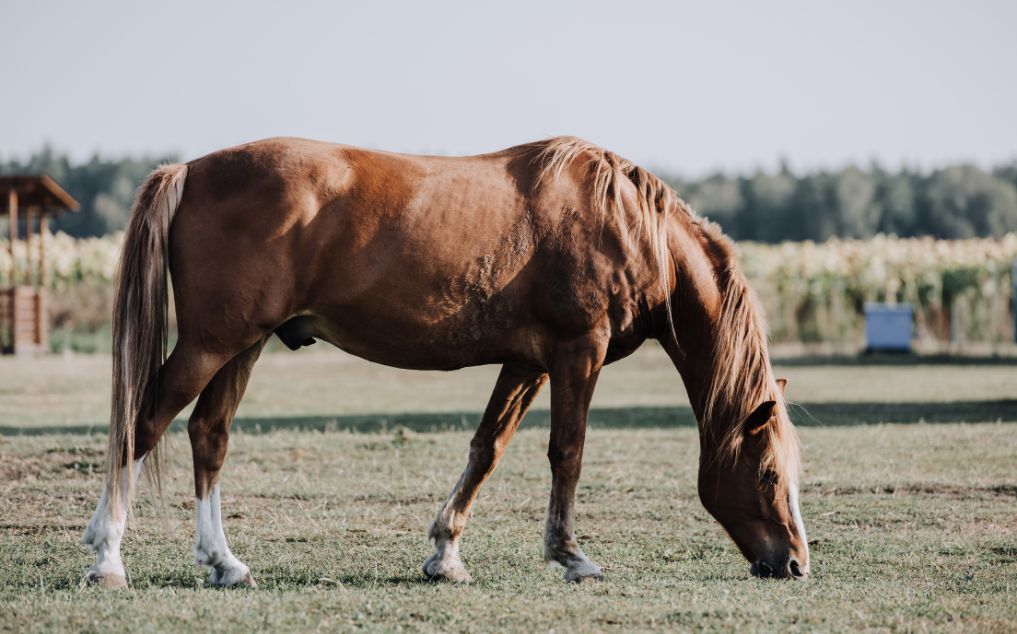
The outward signs of parasite burden vary dramatically depending on the severity of infection, the horse’s age, and which specific parasites have taken hold.
Coat and Body Condition Changes
A healthy horse displays a glossy, smooth coat that reflects proper nutrition and internal wellness. When worms establish themselves, that shine disappears first. The hair becomes brittle and dull, losing the vibrant quality that signals good health.
Weight loss presents another telltale marker, though it often progresses gradually enough that daily handlers miss the change. Ribs become more prominent, hip bones jut out, and muscle definition fades along the topline.
Young horses infected with ascarids frequently develop a characteristic pot-bellied appearance—their abdomen distends while the rest of their body remains thin.
Digestive System Disruptions
Parasites interfere with normal gut function, leading to inconsistent manure quality and frequency. Some horses experience recurring bouts of diarrhea, while others struggle with constipation or produce dry, hard manure.
Colic episodes—ranging from mild discomfort to severe abdominal pain—can result from large strongyle larvae migrating through blood vessels or from intestinal irritation caused by heavy parasite loads.
Tail rubbing offers another visual clue. Horses with pinworm infections will rub their hindquarters against fences, stall walls, or any available surface to relieve irritation around the anus.
Behavioral Changes to Monitor
Beyond physical symptoms, parasites alter how horses behave and perform, often providing the earliest warning signs.
Performance and Energy Decline
Athletic horses carrying significant parasite burdens lose their competitive edge. Stamina decreases, recovery time lengthens, and previously manageable workloads suddenly seem exhausting.
Lethargy extends beyond exercise—infected horses spend more time standing quietly rather than engaging in normal grazing and social behaviors. Young horses fail to display the playful energy typical of their age group.
Appetite and Mood Alterations
Horses who previously cleaned their feed buckets begin leaving grain or showing disinterest in hay. Some become picky about food quality or eat slowly rather than with their usual eagerness.
Mood changes accompany these appetite shifts. Typically gentle horses develop irritable temperaments, laying their ears back when approached or becoming reactive during handling.
Understanding Equine Parasite Types
Not all internal parasites affect horses the same way.
Large strongyles, historically called bloodworms, represent the most dangerous category. These parasites migrate through arterial blood vessels, potentially causing colic, anemia, or even fatal complications if their larvae block blood flow to the intestines. Fortunately, modern deworming programs have dramatically reduced large strongyle prevalence.
Small strongyles have become the most common internal parasites affecting horses today. While less immediately life-threatening, small strongyles cause persistent weight loss, poor body condition, and decreased performance. Their larvae encyst in the intestinal walls, where they can remain dormant before emerging and causing severe inflammation.
Ascarids primarily affect young horses under two years old. Foals and weanlings with heavy ascarid infections develop that distinctive pot-bellied appearance while remaining thin elsewhere.
Traditional Diagnostic Methods
Fecal Egg Count Testing
Fecal egg counts (FEC) remain the gold standard for assessing parasite loads in horses. This diagnostic involves collecting fresh manure samples and examining them microscopically to count parasite eggs present. Results are reported as eggs per gram (EPG), with higher counts indicating heavier worm burdens.
Most equine veterinarians recommend conducting FEC tests two to three times yearly, with increased frequency for young horses or those in high-risk environments. The cost—usually between $25-$50 per test—provides exceptional value considering the treatment complications that unchecked parasite problems can generate.
The limitation of FEC testing lies in its snapshot nature. This is why repeated testing over time, combined with symptom monitoring through digital health platforms, creates a more complete picture than any single diagnostic.
Veterinary Physical Examinations
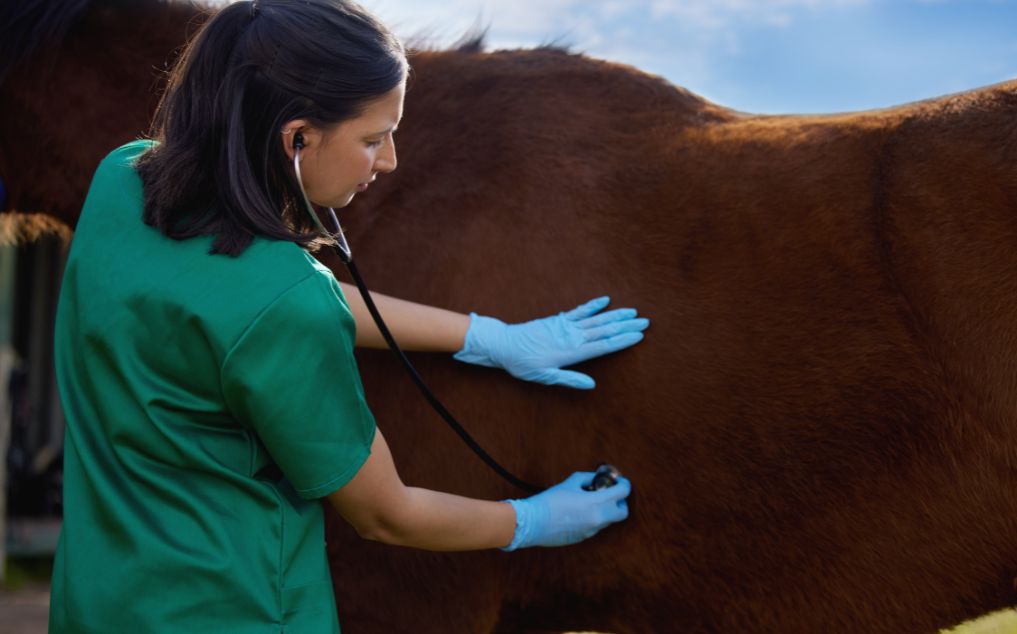
Experienced veterinarians can detect signs of parasite damage during routine physical examinations. They assess body condition scoring, palpate for abdominal abnormalities, and evaluate overall health markers that parasites affect.
Blood tests can reveal anemia or other systemic changes indicating chronic parasite burdens.
Modern Screening Tools and Technology
While traditional diagnostics remain essential, technology now amplifies your ability to detect problems early and manage equine health proactively.
AI-Assisted Health Monitoring
CompanAIn’s health monitoring system transforms how horse owners track and respond to parasite threats. By uploading veterinary records, FEC test results, and deworming history, you create a comprehensive digital timeline of your horse’s health journey.
The system analyzes patterns across this data, flagging concerning trends that might escape notice during busy barn routines. AI-powered alerts notify you when symptoms align with common parasite presentations or when testing windows approach based on your horse’s history. AI-driven equine parasite detection tools analyze fecal egg count results, symptom patterns, and environmental risk factors together to identify parasite issues earlier and more accurately.
Digital Health Records and Pattern Recognition
CompanAIn’s specialized AI agents work collaboratively—one focuses on analyzing lab results and test patterns, another tracks behavioral and physical symptoms over time, while others assess environmental risk factors and treatment effectiveness.
The platform maintains detailed records of every deworming treatment, including which drug classes were used and the results of subsequent FEC testing. This documentation becomes invaluable for identifying resistance patterns—situations where certain dewormers no longer effectively reduce egg counts.
Seasonal trend analysis reveals whether your horse experiences predictable parasite activity spikes during certain months. Geographic data integration accounts for regional parasite prevalence, helping you understand whether your area faces higher-than-average risks from particular worm species.
Prevention and Management Strategies
Effective long-term management requires strategic prevention approaches that reduce reinfection while preserving dewormer effectiveness.
Strategic Deworming Protocols
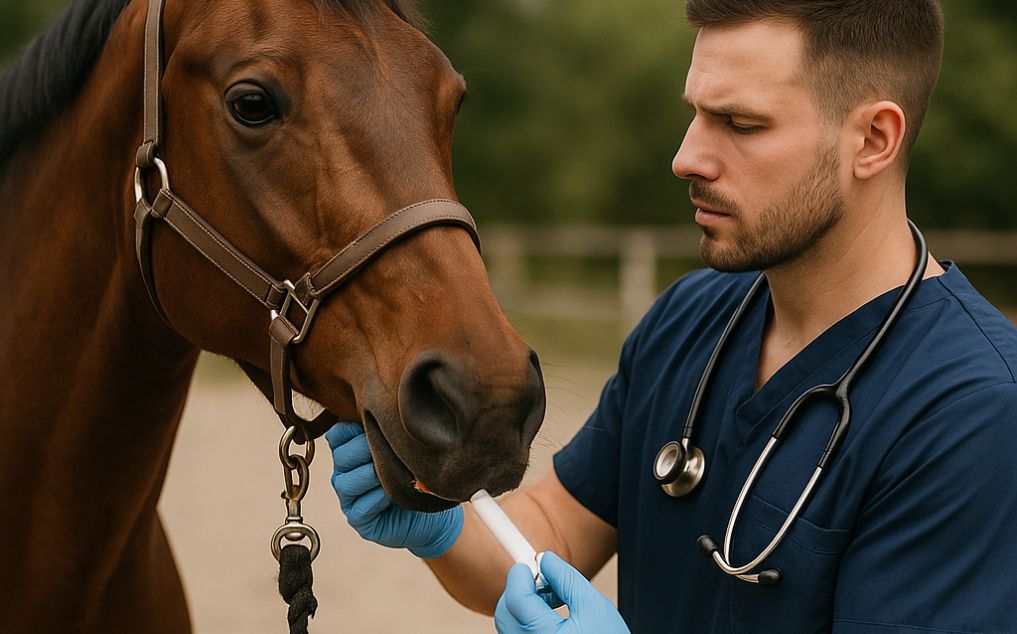
The days of automatic rotation deworming every eight weeks have given way to more targeted approaches based on individual horse parasite loads. High shedders—horses who consistently show elevated fecal egg counts—require more frequent treatment than low shedders who maintain minimal parasite burdens.
Rotating between different dewormer chemical classes (avermectins, benzimidazoles, pyrantel, and praziquantel) prevents parasites from developing resistance. However, rotation should be based on testing results rather than arbitrary schedules.
Young horses under two years old need special attention since they lack the immune system development that helps adult horses naturally suppress parasite loads. Foals and yearlings typically require more frequent deworming following age-appropriate protocols that target ascarids as well as strongyles.
Environmental Management
Regular manure removal from paddocks—ideally twice weekly—eliminates the environment where parasite eggs develop into infectious larvae. Pasture rotation allows contaminated fields time to reduce their larvae populations through natural die-off.
Composting manure properly (reaching temperatures above 140°F for several days) destroys parasite eggs and larvae, making the compost safe for spreading. Harrowing pastures in wet conditions spreads parasite larvae, while harrowing during hot, dry periods can help kill larvae through desiccation.
Herd Health Considerations
New arrivals represent one of the highest risks for introducing resistant parasites to your property. Quarantine protocols should include FEC testing before new horses join your herd, followed by treatment if needed.
Maintaining appropriate stocking densities—generally 1-2 acres per horse depending on climate and forage production—reduces the concentration of infective larvae in the environment.
Partnering with Technology for Better Outcomes
CompanAIn’s platform strengthens the partnership between horse owners and equine health professionals by ensuring critical information never gets lost, patterns receive proper attention, and early warning signs trigger timely action.
When you document your horse’s health journey through intelligent monitoring tools, you build a living memory that learns from every vet visit, every test result, and every treatment outcome. This accumulated knowledge helps you make decisions grounded in actual data rather than guesswork.
Technology designed specifically for equine health transforms reactive scrambling into confident, proactive stewardship. Your horse depends on your vigilance—modern tools make that vigilance more effective and more likely to catch problems while they’re still manageable.
Frequently Asked Questions
How often should I have my horse tested for worms?
Most equine veterinarians recommend fecal egg count testing two to three times per year for adult horses, with more frequent testing for young horses under two years old or those in high-risk environments. Spring and fall testing captures parasites during their most active seasons.
Can I tell if my horse has worms just by looking at them?
While visual signs like dull coat, weight loss, and pot-bellied appearance can indicate parasites, they’re not definitive. Many other health conditions produce similar symptoms, making professional testing through fecal egg counts necessary for confirmation.
What's the difference between small and large strongyles?
Large strongyles pose greater immediate danger because their larvae migrate through arterial blood vessels, potentially causing colic or anemia. However, they’ve become less common thanks to modern deworming programs. Small strongyles are now the most prevalent, causing gradual weight loss and poor body condition.
Is dewormer resistance a real concern?
Yes, resistance to certain dewormer classes has been extensively documented in equine parasites, particularly small strongyles. This is why strategic deworming based on fecal egg counts—rather than automatic treatment schedules—has become the recommended approach.
How can AI-powered health tools help with parasite detection?
Digital health platforms like CompanAIn track symptoms over time, analyze patterns from historical data, maintain comprehensive deworming records, and provide risk assessments based on your horse’s age, environment, and treatment history. The system alerts you when symptoms align with common parasite presentations or when testing windows approach.
What's the cost of parasite treatment for horses?
Most dewormers cost between $15-$40 per dose depending on your horse’s weight and the specific drug type. Fecal egg count testing typically ranges from $25-$50 per sample. While these costs are manageable, the expense of treating complications from untreated parasite infestations far exceeds the investment in regular testing and strategic treatment.