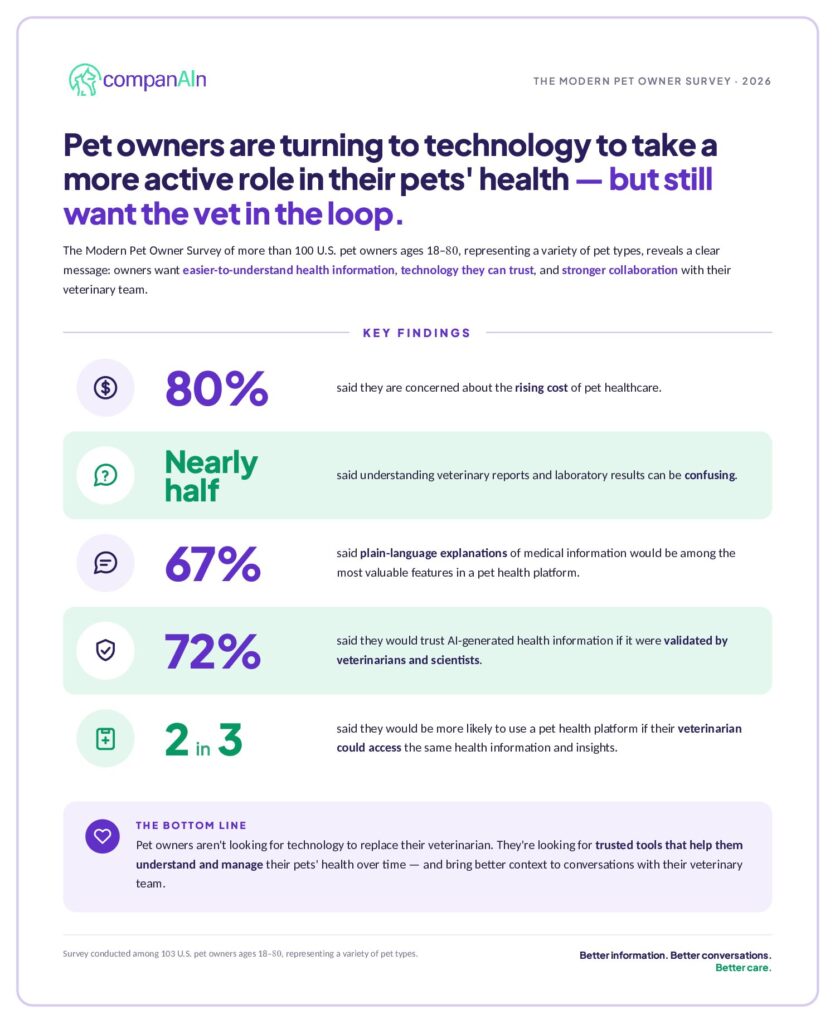

The tools that veterinarians use have transformed dramatically over the past decade, shifting from purely mechanical instruments to sophisticated systems blending traditional examination with artificial intelligence. What once meant relying solely on stethoscopes now includes platforms analyzing patterns across thousands of cases simultaneously, flagging abnormalities before symptoms emerge.
Modern veterinary practice demands both precision and efficiency. Practitioners face mounting pressure to deliver accurate diagnoses faster while managing heavier caseloads. Traditional tools remain foundational, but digital solutions like CompanAIn change how veterinarians interpret data, track health patterns, and make clinical decisions backed by comprehensive analytics.
Today’s veterinary toolkit bridges hands-on clinical expertise with machine-learning capabilities that enhance rather than replace professional judgment. Understanding which tools deliver genuine value—and how they integrate into workflows—helps practices stay current without technology overload.
Traditional Veterinary Tools Still Essential Today

Fundamental examination instruments form the backbone of every veterinary consultation. Otoscopes and ophthalmoscopes allow direct visualization of ear canals and retinas, detecting infections, foreign bodies, and ocular abnormalities no imaging technology can replace.
Digital thermometers provide quick, accurate temperature readings that signal infection, inflammation, or hypothermia. Blood pressure monitors track cardiovascular health during checkups and surgical procedures, offering baseline data veterinarians compare against species-specific norms.
Ultrasound machines deliver real-time internal imaging without radiation exposure, invaluable for pregnancy confirmation, abdominal evaluations, and cardiac assessments. Unlike radiography, ultrasound captures organ movement and blood flow patterns, helping distinguish between fluid accumulations, masses, and normal tissue.
Laboratory analysis equipment—from hematology analyzers to chemistry panels—generates objective data on organ function, blood cell counts, and metabolic markers. These machines process samples within minutes, providing quantifiable results that inform treatment decisions.
Surgical instruments, from scalpels to hemostats, maintain their central role. No digital innovation replaces the precision of properly maintained surgical tools operated by skilled hands. Evolution lies in enhancing the decision-making surrounding their use.
AI-Powered Diagnostic Tools Transforming Veterinary Practice
The AI in animal health market is projected to grow at over 22% annually through 2030 as veterinarians increasingly recognize machine learning’s clinical value. These systems amplify expertise by processing vast datasets faster and more consistently than human observation allows.
CompanAIn exemplifies this shift by organizing veterinary records, lab results, and clinical notes into coherent timelines revealing patterns invisible in isolated data points. Rather than requiring veterinarians to manually cross-reference months of records during appointments, the platform flags correlations between symptoms, test results, and historical conditions automatically.
Image analysis represents one of AI’s most impactful applications in veterinary medicine. Radiographs, ultrasounds, and pathology slides contain subtle indicators even experienced practitioners occasionally miss during busy shifts.
AI algorithms trained on millions of images detect fractures, masses, and tissue abnormalities with consistency that reduces diagnostic oversight, with some systems achieving accuracy rates exceeding 90% compared to board-certified radiologists.
Real-world applications extend beyond imaging. CompanAIn’s specialized agents analyze lab work, identifying trends in kidney values, liver enzymes, or thyroid hormones suggesting early disease progression. This longitudinal analysis catches deterioration months before clinical signs emerge, enabling interventions when treatments prove most effective.
Time savings translate directly into improved patient care. Veterinarians reviewing AI-generated preliminary reports spend less time on data interpretation and more time discussing treatment options with clients. Reduced diagnostic time means faster answers for anxious pet owners and quicker therapeutic interventions.
Error reduction matters particularly in high-volume practices where practitioners review dozens of cases daily. Human pattern recognition falters under cognitive load, but AI maintains consistent analytical performance regardless of caseload intensity. The technology never experiences fatigue, distraction, or confirmation bias, examining every detail with identical attention and flagging areas warranting closer evaluation.
CompanAIn: AI-Powered Solution for Modern Veterinary Practices
CompanAIn distinguishes itself through a multi-agent architecture mirroring veterinary specialist collaboration. Rather than using a single algorithm for all tasks, the platform deploys specialized agents focused on distinct functions—data aggregation, health analysis, recommendation generation, and specialized pathology assessment. This structure ensures domain-specific intelligence aligned with veterinary logic.
Integration with existing workflows matters as much as technical capability. The system accepts uploads of veterinary notes, lab reports, and email correspondence, parsing unstructured data into organized health timelines without requiring staff to learn complex software. This seamless adoption minimizes disruption while maximizing utility.
Image recognition capabilities process radiographs, ultrasounds, and photographs automatically, generating preliminary assessments veterinarians review before finalizing diagnoses. The platform doesn’t dictate conclusions—it highlights areas warranting attention, leaving clinical judgment with licensed professionals.
Diagnostic assistance extends to behavior pattern recognition. By analyzing visit notes over time, CompanAIn identifies changes in temperament, appetite, or activity levels that owners report intermittently but that collectively signal underlying health shifts. These behavioral trends often precede laboratory abnormalities, enabling earlier intervention.
Data management represents perhaps the platform’s most practical benefit for busy practices. Rather than searching through scattered files during appointments, veterinarians access comprehensive patient histories through intuitive dashboards displaying test results, medication histories, and previous diagnoses chronologically. This organization saves minutes per patient that compound into hours weekly.
Time and cost savings emerge from reduced diagnostic redundancy. When all historical data lives in one accessible location with AI-generated insights highlighting relevant patterns, veterinarians avoid ordering duplicate tests or missing critical context from previous visits. Fewer unnecessary procedures mean lower client costs and better resource allocation.
Compliance and data security meet veterinary-specific requirements through encryption, access controls, and audit trails tracking who views or modifies patient information. CompanAIn prioritizes privacy without sacrificing accessibility, ensuring practices meet regulatory standards while maintaining operational efficiency.
Complementary Software and Digital Management Tools

Veterinary practice management software handles administrative infrastructure—appointment scheduling, billing, inventory tracking, and client communication. These platforms significantly reduce time spent on paperwork by automating routine tasks, with some AI-powered documentation tools saving veterinarians up to an hour daily on record-keeping.
As veterinary practices adopt more digital solutions, animal care software plays a central role in unifying clinical data, operational workflows, and client communication into a single ecosystem. These platforms go beyond administration, helping teams track patient histories, manage diagnostics, and support continuity of care across every stage of an animal’s health journey.
Electronic medical records (EMR) systems centralize patient information, allowing staff to update records in real-time during examinations rather than transcribing notes afterward. This immediate documentation improves accuracy while freeing veterinarians from post-appointment administrative burdens.
Appointment scheduling tools with automated reminders reduce no-shows and optimize appointment spacing. Smart scheduling algorithms consider appointment types, required equipment, and practitioner availability, maximizing daily throughput without sacrificing consultation quality.
Mobile apps for client communication bridge the gap between veterinary visits, allowing pet owners to message questions, receive test results, and access educational resources without phone tag. This asynchronous communication model respects both client convenience and practice workflow, reducing interruptions while maintaining accessibility.
These digital tools work alongside diagnostic platforms rather than competing with them. CompanAIn integrates with practice management systems, ensuring clinical insights flow seamlessly into broader operational infrastructure without creating data silos or requiring duplicate entry.
Emerging Technologies in Veterinary Medicine
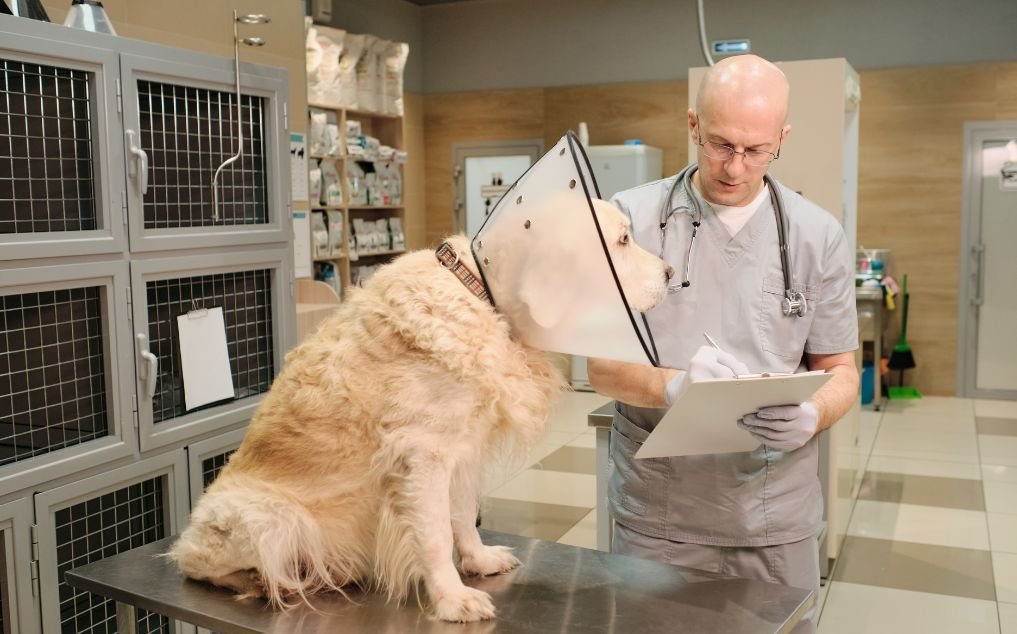
Telemedicine platforms gained significant traction during recent years, enabling remote consultations for follow-ups, medication adjustments, and initial assessments not requiring physical examination. These tools expand access to veterinary care, particularly for clients in rural areas or managing mobility challenges.
Wearable pet health monitors track activity, heart rate, and sleep patterns continuously, generating datasets revealing trends invisible during quarterly checkups. While CompanAIn focuses on analyzing veterinary records rather than real-time sensor data, the convergence of wearable tech and AI analytics represents a growing frontier in preventive care.
Digital pathology solutions allow veterinarians to share tissue samples electronically with specialists, receiving expert opinions within hours rather than days. This technology democratizes access to specialized expertise, benefiting practices without on-staff pathologists while accelerating diagnosis timelines.
Remote consultation capabilities connect general practitioners with veterinary specialists for complex cases, supporting collaborative decision-making without requiring patient transport. Video consultations supplemented by shared medical records and imaging enable multidisciplinary approaches improving outcomes for challenging cases.
Future trends point toward increased integration between diagnostic platforms, wearable devices, and telemedicine systems. The veterinary toolkit will likely evolve from discrete instruments toward interconnected ecosystems where data flows seamlessly between devices, platforms, and professionals. Practices embracing this integration position themselves to deliver medicine that’s both more personalized and more proactive.
Building a Modern Veterinary Toolkit That Actually Works
The tools that veterinarians use in 2025 represent a carefully balanced combination of time-tested instruments and emerging technologies. Success lies not in abandoning traditional methods but in thoughtfully integrating AI-powered solutions that genuinely enhance clinical capabilities without creating operational friction.
CompanAIn exemplifies this integration by working alongside rather than replacing existing tools and expertise. The platform processes information veterinarians already collect, transforming raw data into actionable insights without demanding wholesale practice overhauls or extensive staff retraining.
Modern veterinary practice requires tools that save time, improve accuracy, and strengthen client relationships. Whether through AI-assisted diagnostics, streamlined management software, or emerging telemedicine capabilities, technology serves medicine best when it reduces cognitive burden and administrative overhead—allowing veterinarians to focus on caring for animals.
Practices evaluating new tools should prioritize solutions that integrate smoothly with current workflows, deliver measurable improvements in efficiency or accuracy, and maintain the veterinarian-client-patient relationship at care’s center. Technology should enhance rather than complicate, support rather than supplant, and ultimately serve the goal every veterinarian shares: better outcomes for animals and the people who love them.
Ready to explore how AI-powered diagnostics can transform your veterinary practice? Discover CompanAIn’s capabilities and see how specialized AI agents help deliver faster, more accurate, and more comprehensive care without disrupting existing workflows.
Frequently Asked Questions
What are the most important tools modern veterinarians need?
Modern veterinarians need both traditional diagnostic instruments like otoscopes, stethoscopes, ultrasounds, and thermometers alongside digital solutions including EMR systems and AI diagnostic platforms. The key lies in integration—tools that work together seamlessly rather than creating fragmented workflows.
CompanAIn bridges this gap by organizing data from traditional diagnostics into coherent timelines revealing patterns across multiple visits and test results.
How does AI improve veterinary diagnostics?
AI analyzes medical images and laboratory data with consistency humans can’t match during busy days with heavy caseloads. The technology examines every detail with identical attention, identifying patterns that might be overlooked during rushed appointments or fatigued moments.
CompanAIn uses specialized AI agents to process imaging, lab work, and clinical notes, generating preliminary assessments veterinarians review before finalizing diagnoses. This reduces oversight while accelerating turnaround times.
Is AI technology affordable for small veterinary practices?
Cloud-based AI platforms typically use subscription models scaling with practice size, making advanced technology accessible without large capital investments. Many practices achieve ROI within 6-12 months through efficiency gains—fewer redundant tests, faster diagnoses, and reduced administrative time.
Pet owners increasingly expect technology-forward practices, making AI tools part of modern client expectations rather than luxury additions.
Do AI tools replace veterinarians?
No. AI tools augment veterinary expertise rather than replacing professional judgment. These platforms handle pattern recognition and data analysis—tasks machines perform consistently well—while veterinarians maintain responsibility for clinical decision-making, client communication, and hands-on patient care.
CompanAIn’s architecture specifically includes veterinarian validation, ensuring licensed professionals review critical alerts and low-confidence cases before recommendations reach pet owners.
What's the learning curve for new veterinary technology?
Modern platforms prioritize intuitive interfaces requiring minimal training. CompanAIn accepts standard file uploads—veterinary notes, lab reports, emails—without requiring staff to learn complex software or change existing documentation habits.
Most practices report staff proficiency within days rather than weeks. Support teams assist with initial implementation and remain available for questions, ensuring technology enhances rather than disrupts daily operations.
How secure is veterinary patient data in AI systems?
Reputable platforms implement encryption, access controls, and audit trails meeting veterinary-specific compliance requirements. CompanAIn prioritizes data security through measures including encrypted storage, restricted access permissions, and detailed logging of all information views or modifications.
Security shouldn’t compromise accessibility—the goal is protecting sensitive data while ensuring veterinarians and authorized staff can access information quickly when needed for patient care.