
How to read a horse blood test sounds straightforward until you’re staring at a page full of abbreviations, numbers, and reference ranges. Whether you’re a first-time horse owner trying to understand routine wellness results, an equine enthusiast tracking your performance horse’s health, or a barn manager coordinating care for multiple animals, deciphering blood work creates confusion and delays.
That confusion leads to delayed responses to health issues, unnecessary worry over normal variations, or missed red flags needing immediate attention. That’s where AI-powered veterinary diagnostics likeCompanAIn has to offer becomes a game-changer for understanding your horse’s health faster and with greater accuracy.
From basic CBC panels to comprehensive chemistry profiles, the right veterinary AI tools keep your interpretation clear and your decision-making confident. With pattern recognition technology, real-time analysis capabilities, and user-friendly interfaces, it works quietly in the background. Knowing what RBC counts indicate, when liver enzymes signal trouble, and how electrolyte imbalances affect performance helps you catch problems early and communicate effectively with your veterinarian.
Understanding Horse Blood Test Basics
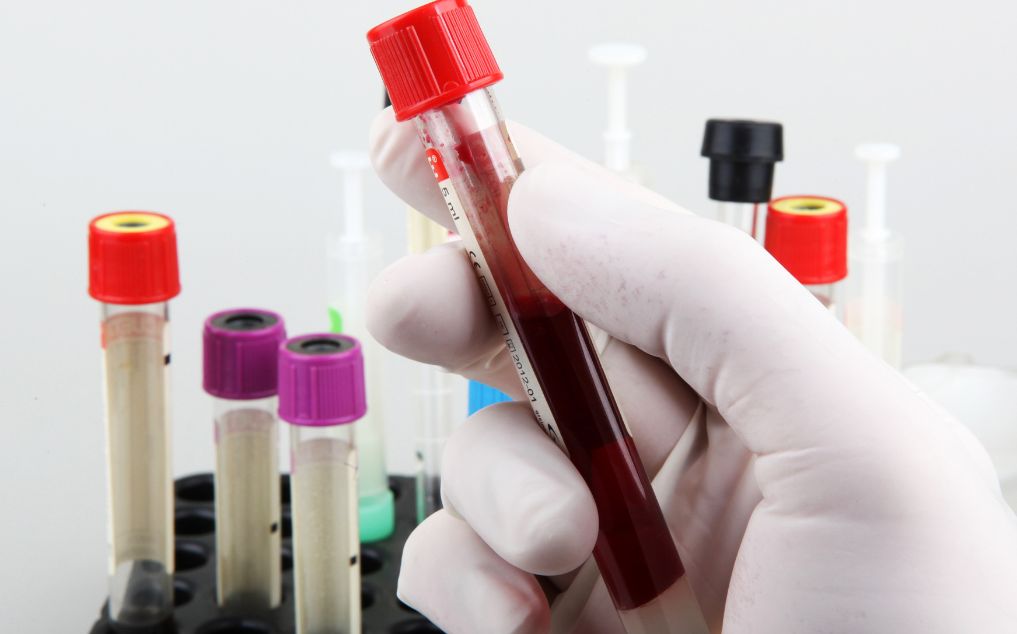
Equine blood tests reveal internal health issues long before physical symptoms appear. In equine veterinary medicine, veterinarians use these tools to establish health baselines, diagnose diseases, monitor chronic conditions, and evaluate wellness before competitions or breeding.
The Complete Blood Count (CBC) examines red blood cells, white blood cells, and platelets. Chemistry panels evaluate organ function through enzymes, electrolytes, and metabolic markers, and biochemical tests measure substances in the blood tied to organ and metabolic function. Serology tests detect antibodies and diagnose infectious diseases. In horses, specific serology tests such as the equine infectious anemia test are used to detect viral infections that may not show visible symptoms.
Vets order blood work for pre-purchase exams, unexplained weight loss, poor performance, suspected infections, or routine screening. Each test provides specific information about different body systems.
Normal ranges vary between labs and testing methods, but healthy horses fall within established parameters, and results should be interpreted alongside clinical signs. Values outside these ranges don’t automatically signal crisis—age, breed, fitness level, and stress influence results. Performance horses in training often show higher values than pleasure horses. Establishing your horse’s baseline throughregular testing proves invaluable for spotting meaningful changes, such as low protein values that may reflect loss through the gastrointestinal tract.
Critical Equine Health Markers and Complete Blood Count Explained
Red blood cell count (RBC) measures oxygen-carrying capacity. Normal ranges typically fall between 8.0-11.8 million cells per microliter, though performance horses may run higher. Low counts suggest anemia from blood loss, nutritional deficiencies, or chronic disease. High counts indicate dehydration or adaptation to training intensity. Read the rbc count alongside PCV and hemoglobin, since dehydration can make it look like there are more red blood cells.

White blood cell count (WBC) reveals immune system activity. Healthy horses typically maintain 5.5-10.0 thousand cells per microliter. An elevated wbc count signals bacterial infections, inflammation, stress, or an infectious disease. Decreased WBC indicates viral infections, bone marrow problems, or overwhelming sepsis requiring immediate attention. Different white cell types provide specific clues—patterns can suggest bacterial or viral infection, viral infection, parasitic disease, immune mediated disease, or bone marrow disease.
Hemoglobin carries oxygen molecules, with normal levels between 11-17 grams per deciliter. Hematocrit, also called packed cell volume (PCV), measures blood volume percentage occupied by red blood cells, normally 32-47%. These markers diagnose anemia severity and guide treatment. Performance horses in training may show hemoglobin levels up to 18.8 grams per deciliter and hematocrit up to 55% due to conditioning.
Platelet counts between 100,000-350,000 per microliter ensure normal blood clotting. Low platelets increase bleeding risk during injury or surgery. High platelets accompany inflammatory conditions or iron deficiency.
Liver enzymes including AST, GGT, ALP, and GLDH help with assessing liver function and overall liver function.AST elevates with acute liver or muscle damage, peaking 24-48 hours after injury. GGT specifically indicates liver cell damage and takes weeks to normalize, while abnormal enzymes can suggest liver disease or liver injury; lactate dehydrogenase is a less-specific marker interpreted with other values. Kidney markers like creatinine and BUN assess waste filtration and may signify kidney disease, including primary kidney disease. Abnormal kidney values require prompt evaluation since horses lose significant function before showing symptoms.
Electrolytes—sodium, potassium, calcium—regulate nerve function, muscle contraction, and hydration. Imbalances cause performance issues, weakness, or cardiac arrhythmias. Glucose levels reveal metabolic health, with abnormal values pointing toward insulin resistance, Equine Cushing’s disease, equine metabolic syndrome, or stress responses.
How AI Tools Revolutionize Blood Test Interpretation
Traditional interpretation requires veterinarians to manually compare individual values against reference ranges—a time-intensive process. This examines markers in isolation, sometimes missing patterns that emerge when viewing multiple parameters simultaneously.

AI platforms analyze dozens of markers at once, identifying complex relationships. Advanced veterinary AI systems recognize patterns across complete blood panels, catching subtle abnormalities that might escape notice during manual review. This pattern recognition proves especially valuable for detecting early disease markers.
CompanAIn’s multi-agent AI system processes veterinary data differently than single-model applications. Specialized agents work together—a Data Aggregator collects information, a Health Analyzer interprets patterns, and specialized pathologist agents provide expert-level insights. The platform builds a “Living Memory” that tracks your horse’s results over time, learning individual baselines and flagging meaningful deviations.
The system flags concerning values, suggests differential diagnoses, and highlights trends across test dates. Critical alerts and uncertain cases route to licensed veterinarians for review, ensuring AI recommendations receive professional validation. This catches early disease markers that seem insignificant alone but become meaningful together.
Early detection prevents expensive emergency treatments by catching issues during manageable stages. The technology continuously learns from veterinary data, improving accuracy through ongoing clinical collaboration with partner practices and research institutions.
CompanAIn's Role in Equine Health Analysis
CompanAIn specializes in AI-powered veterinary diagnostics across companion animals, including equines. The platform accepts laboratory results from any accredited facility, eliminating the need to switch providers or change veterinary relationships.
Upload your horse’s blood test results through the secure portal, and specialized AI agents begin immediate analysis. The system parses lab reports, interprets values within proper context, and cross-references against comprehensive veterinary databases. Within minutes, receive a detailed report highlighting abnormal values, potential concerns, and recommended follow-up actions.
Owners gain clearer health understanding without requiring medical training. The AI explains complex results in accessible language while maintaining clinical accuracy. Veterinarians appreciate the second-opinion validation and efficiency improvements, allowing more time for treatment planning rather than data analysis.
Data accuracy stems from continuous validation against clinical outcomes and training on real veterinary cases through partner clinics and research institutions. Privacy protections meet veterinary industry standards with end-to-end encryption. Your horse’s information remains confidential, accessible only to authorized users under your control.
Step-by-Step Guide to Reading Your Horse's Results
Request complete blood work from your veterinarian, not just summaries. Full blood samples for blood analysis should include individual marker values, reference ranges specific to the testing laboratory, and notes about sample quality or processing conditions.

Reference ranges appear beside each value, showing normal parameters for that specific lab’s methodology. Compare your horse’s numbers against these ranges, but remember values just outside normal don’t automatically indicate disease. Not every mild change is clinically significant. Many factors influence results temporarily—stress during blood draw, recent exercise, or time of day.
Identify abnormalities by looking for flags—high (H), low (L), or critical markers. Focus on severely abnormal results first, as these require immediate attention. Mild abnormalities often need follow-up testing to determine significance and may simply reflect your horse’s individual normal. Inflammatory markers and chemistry shifts should also be read as part of the overall inflammatory process.
Seek immediate veterinary attention for critical flags on electrolytes, kidney markers, or white blood cell counts, or when multiple systems show severe abnormalities simultaneously. These patterns suggest urgent conditions requiring rapid intervention, and inflammatory proteins such as serum amyloid A and fibrinogen can help with interpretation; because fibrinogen rises slowly, it is often more useful for chronic inflammation.
AI tools likeCompanAIn cross-reference findings against extensive equine health databases. Upload results to receive analysis highlighting concerning patterns and explaining what various combinations might indicate. The platform’s context-aware processing considers your horse’s age, breed, activity level, symptoms, exam findings, and historical results when interpreting current values to judge whether a flagged pattern reflects active disease.
Create a health baseline by testing your horse during wellness periods. Store results chronologically using CompanAIn’s digital health timeline to track trends over months and years. Some horses naturally run slightly high or low on certain markers—knowing their personal normal helps identify meaningful changes when illness strikes, and trends in total protein can matter over time, especially with intestinal disease or other ongoing losses.
Ready to Understand Your Horse's Health Better?
No matter the situation, equine blood work interpretation tools that horse owners rely on should feel accessible, accurate, and actionable. Whether you’re monitoring a performance horse’s fitness, managing a senior horse’s chronic condition, or staying proactive about wellness, the right AI diagnostic platform keeps your knowledge clear and your veterinary conversations productive.
AtCompanAIn, we match cutting-edge artificial intelligence with user-friendly design, veterinary-grade accuracy, and responsive support. When you’re ready to decode your horse’s blood work confidently, we’re ready to provide the insights that matter.Explore CompanAIn’s veterinary diagnostic solutions to optimize your health monitoring approach and restore your peace of mind.
Frequently Asked Questions
What do the abbreviations in my horse's blood test mean?
CBC stands for Complete Blood Count measuring red blood cells, white blood cells, and platelets. WBC refers to white blood cell count indicating immune function. RBC means red blood cell count, and the RBC count helps show oxygen transport. PCV or HCT represents packed cell volume or hematocrit—the percentage of blood composed of red cells. AST and GGT are liver enzymes used for assessing liver function. BUN measures blood urea nitrogen for kidney function, and paired with other kidney markers it can help signify kidney disease. ALP is alkaline phosphatase indicating liver or bone issues. Understanding these abbreviations helps you follow veterinary discussions and recognize which body systems each test evaluates.
How often should my horse have blood work done?
Healthy horses benefit from annual blood work during wellness exams to establish baselines. Performance horses should have testing before and after competition seasons to monitor fitness and detect overtraining. Senior horses over 15 need twice-yearly testing to catch age-related issues early. Sick horses require blood work as needed based on symptoms and treatment response. AI monitoring tools likeCompanAIn make frequent testing more practical by simplifying result interpretation and maintaining accessible health records without adding veterinary workload.
Can AI tools replace my veterinarian's interpretation?
No—AI tools complement professional veterinary interpretation but never replace it.CompanAIn serves as a diagnostic aid helping veterinarians work efficiently and catch patterns they might otherwise miss. The technology provides rapid analysis and second-opinion validation, with critical cases always reviewed by licensed veterinarians. Veterinary oversight remains essential for proper diagnosis and treatment. AI excels at pattern recognition and data processing while veterinarians provide clinical judgment, physical examination skills, and treatment expertise technology cannot replicate.
What makes CompanAIn different from other diagnostic tools?
CompanAIn uses a multi-agent AI system where specialized agents collaborate on analysis—similar to a veterinary team with different specialists. The platform builds a “Living Memory” of your horse’s health history, learning individual baselines rather than relying only on general reference ranges. Critical alerts receive veterinary validation through partner clinics. The user-friendly interface requires no specialized training, and integration with existing workflows happens seamlessly. The continuous learning model improves through ongoing collaboration with veterinary practices and research institutions.
How do I access AI-powered blood test analysis?
CompanAIn offers veterinary data analysis for pet owners managing their animals’ health records. Upload laboratory results from any accredited facility through the secure platform. The system accepts various document formats including PDFs and images of lab reports. You maintain control over your horse’s health information while gaining AI-powered insights that enhance understanding and communication with your veterinarian. Contact CompanAIn to learn about access options and platform features.
Are my horse's blood test results confidential with AI analysis?
Yes—CompanAIn maintains strict data privacy standards with end-to-end encryption protecting information during transmission and storage. You control who accesses your horse’s data through permission settings. The platform adheres to medical data protection standards, ensuring clinical-grade security. Individual results remain confidential and are never shared with third parties without explicit consent. Data handling meets the same confidentiality standards you expect from veterinary practices.
What if my horse's results show abnormalities?
Always consult your veterinarian immediately when abnormalities appear. Distinguish between urgent concerns like critical electrolyte imbalances requiring same-day attention versus routine abnormalities needing scheduled follow-up. Your vet will recommend additional testing to confirm findings and identify underlying causes. Rising muscle enzymes such as creatine kinase can point to acute muscle damage, while some chemistry changes may also relate to cardiac muscle injury and should be interpreted by a veterinarian. A hormone produced by the pituitary, such as ACTH, may also be checked when endocrine disease is suspected. Treatment depends on which markers are affected and abnormality severity.CompanAIn’s analysis helps you understand what questions to ask your veterinarian, what patterns might indicate, and what follow-up tests may be necessary for proper diagnosis.