
Spotting cat signs of urinary tract infection always sounds easier than it is. Cat urinary tract infections are a common health concern for pet owners and are the main focus of this article. Whether you’re managing a senior cat with previous urinary issues, noticing your indoor cat making frequent litter box trips, or watching an otherwise healthy feline suddenly strain to urinate, the symptoms pile up fast and distinguishing infection from inflammation becomes part of the job.
From early behavioral changes to emergency-level blockages, the right monitoring approach keeps your cat comfortable and your veterinary visits proactive. In the field of veterinary medicine, professional expertise is essential for diagnosing and treating urinary tract infections in cats. CompanAIn’s AI-powered health platform offers continuous analysis of urinary patterns, personalized alert thresholds based on your cat’s history, and vet-validated insights that flag concerns before they escalate. Knowing which cat signs of urinary tract infection require immediate attention, how different urinary conditions present, and when AI monitoring strengthens your veterinarian’s diagnostic process can help you plan better and respond faster.
Understanding Feline Urinary Tract Infections
What Is a Feline UTI?
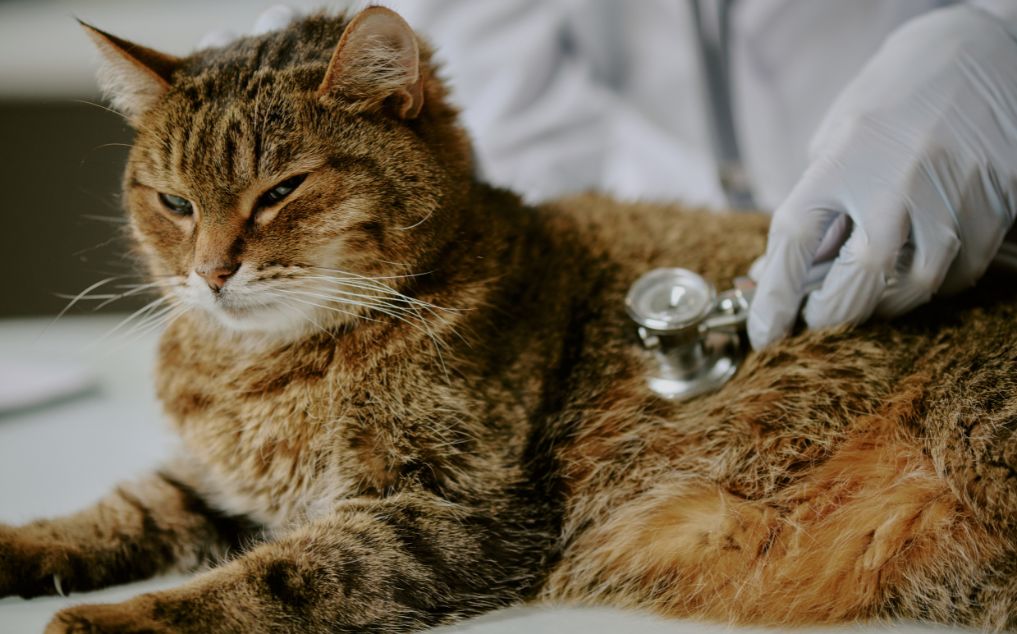
A urinary tract infection in cats involves bacterial infection of the urinary system, specifically affecting the cat’s bladder and cat’s urethra. Tract infections in cats are most often caused by bacteria that enter and colonize the urinary tract. While UTIs are less common in cats than in dogs, they represent a serious condition requiring immediate veterinary attention when symptoms manifest.
Bacterial urinary tract infections are the most common type of urinary tract disease in cats. The bacteria involved typically originate from the gastrointestinal or lower urinary/reproductive tract and can lead to both acute and chronic UTIs. The urinary system’s role in eliminating waste and maintaining electrolyte balance makes infections particularly concerning for feline health. When bacteria colonize the normally sterile urinary tract, inflammation and irritation develop rapidly, causing the painful symptoms cat owners learn to recognize.
Why Early Detection Matters
While only one to three percent of cats displaying urinary symptoms actually have a UTI, distinguishing between a true infection and other feline urinary conditions requires professional diagnosis. Cats may develop urinary tract infections as a result of underlying health issues, and these infections can be signs of serious underlying health issues such as bladder stones, blockages, or systemic disease. If left untreated, urinary tract infections can progress to severe complications including kidney damage, bladder rupture, and potentially fatal urinary blockages. Monitoring for early signs of kidney disease in cats alongside urinary tract symptoms helps pet owners detect overlapping health risks and seek timely veterinary care.
This is particularly critical for male cats, whose narrower, longer urethras make them more susceptible to life-threatening obstructions. CompanAIn’s AI-powered monitoring helps identify concerning patterns before they become emergencies, giving you time to schedule veterinary appointments proactively rather than rushing to emergency care.
Early Warning Signs of Cat UTI
Frequent Litter Box Trips
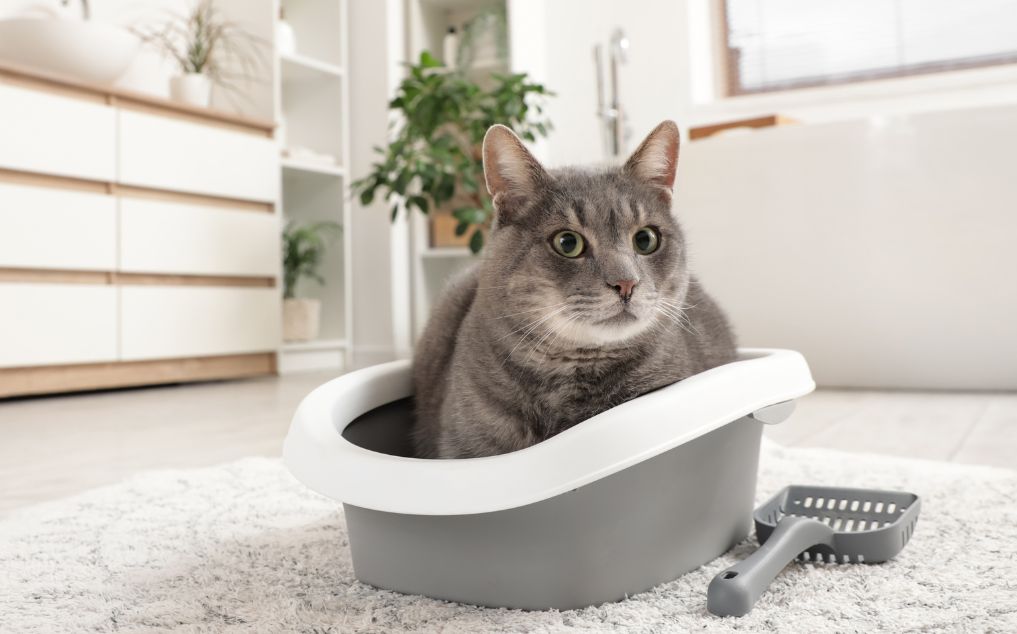
One of the most telling early indicators is a sudden change in bathroom habits. Cats with developing UTIs make more frequent trips to the litter box but typically produce only small amounts of urine each time. Changes in the amount, color, or odor of your cat’s urine can also provide important clues about their urinary health.
Careful observation of your cat’s litter box activity provides crucial diagnostic information for veterinarians. Normal cats urinate two to four times daily, so five or more trips signals potential problems worth investigating.
Straining and Difficulty Urinating
Cats experiencing urinary tract infections often exhibit visible strain during urination. Straining to urinate is a hallmark of lower urinary tract issues in cats, which can be caused by inflammation, physical obstructions, or other underlying problems. Watch for your cat spending unusually long periods in the litter box or making repeated trips without much success.
This straining reflects inflammation and irritation within the urinary tract and signals the need for veterinary evaluation. Some cats assume the urination posture but produce nothing, a particularly alarming sign that warrants immediate attention.
Blood in the Urine (Hematuria)
Blood in urine represents one of the most alarming visual symptoms. A cat’s urine may appear pink, red, or reddish-brown instead of normal yellow. Bloody urine is a serious symptom that should never be ignored, as it can indicate underlying conditions such as infections, stones, or obstructions. While some blood is visible to the naked eye, veterinarians can detect microscopic amounts through laboratory analysis.
Any visible blood in the litter box warrants immediate veterinary attention. Some cats may be passing urine tinged with blood, which can be an early sign of infection or inflammation. This symptom indicates significant urinary tract inflammation or damage requiring professional diagnosis to determine the underlying cause.
Pain and Vocalization During Urination
Cats experiencing UTI-related pain often vocalize loudly while in the litter box, a dramatic departure from their normal behavior. Some cats cry or whine during urination, clearly communicating discomfort. Cats suffering from urinary tract infections may also show signs of severe distress, such as restlessness, excessive licking of the genital area, or straining to urinate, highlighting the significant pain and discomfort these conditions cause.
This pain response indicates inflammation requiring prompt medical intervention. Cats naturally hide discomfort, so vocalization suggests the pain has become too severe to mask.
Urinating Outside the Litter Box
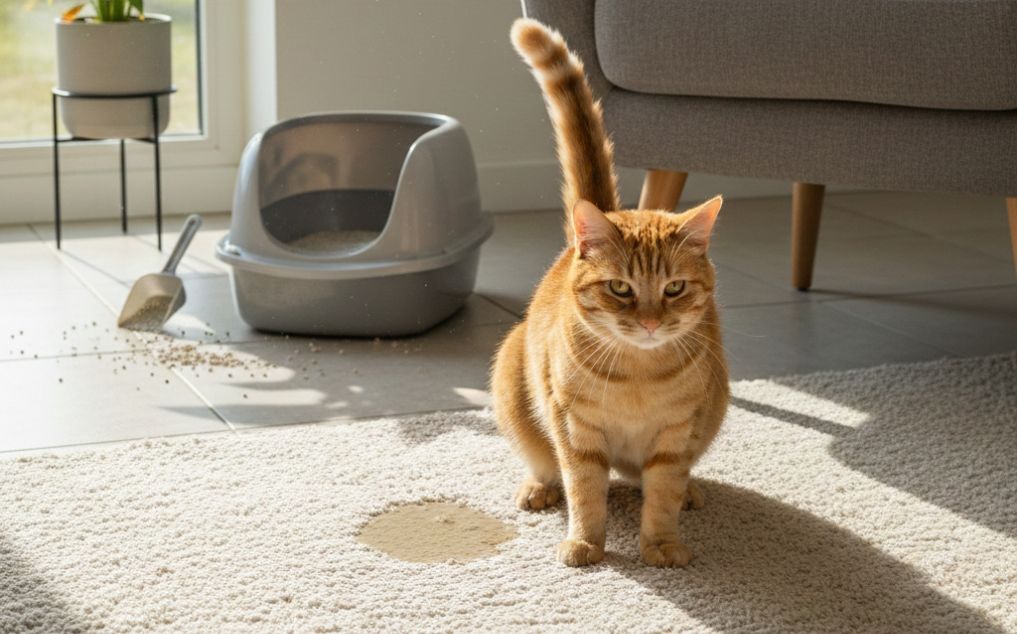
While inappropriate urination has multiple causes, it frequently signals urinary tract distress. Cats may associate their litter box with pain during urination and seek alternative locations, sometimes preferring cool surfaces like bathroom tiles or bathtubs.
This behavioral change, especially when combined with other symptoms, suggests a urinary problem. Many owners initially assume behavioral issues when the actual cause is physical discomfort from infection or inflammation. It’s important to note that urinating outside the litter box can also indicate other urinary tract issues beyond infections, so a thorough veterinary evaluation is essential.
Progressive and Serious Symptoms
Change in Urine Appearance and Odor
As infections progress, urine becomes cloudy and develops a strong, foul ammonia odor noticeable even in freshly cleaned litter boxes. These changes indicate advancing infection requiring immediate treatment to prevent complications.
Healthy cat urine should be light yellow with a mild ammonia scent. Dark, cloudy, or particularly strong-smelling urine suggests bacterial activity or other urinary tract problems. Urinary stones can also cause changes in urine color and odor, and may be detected during diagnostic evaluation.
Behavioral Changes and Lethargy
Infected cats often display increased irritability, withdrawal, or unusual aggression. Pain and discomfort drive behavioral shifts including hiding more frequently or reduced activity levels.
Some cats experience loss of appetite or vomiting, indicating systemic impact from the infection. When urinary symptoms combine with general malaise, the situation has progressed beyond early-stage infection. Behavioral changes and lethargy may also be signs of more severe urinary diseases, which require prompt veterinary attention.
Complete Inability to Urinate
For male cats especially, complete inability to urinate represents a medical emergency. This symptom may indicate a life-threatening urinary blockage rather than a simple infection. A common cause of complete urinary blockage in male cats is a urethral plug, which is a buildup of minerals or tissue that can obstruct the urethra and requires prompt veterinary intervention.
Cats appearing extremely lethargic, in severe pain, or unable to produce any urine require emergency veterinary care immediately. Urinary blockages can become fatal within 24 to 48 hours if untreated.
Risk Factors and Susceptibility
Age and Gender
Older cats, particularly those over 10 years old, face increased UTI risk due to declining immune function. Both male and female cats can develop urinary tract infections, though risk factors may differ between genders. Female cats have shorter, wider urethras making bacterial ascension easier than in males.
However, male cats more frequently develop life-threatening urethral obstructions when urinary problems occur. Both sexes require prompt attention, but males face higher emergency risk. Additionally, middle aged cats are particularly susceptible to urinary tract issues, especially when combined with certain lifestyle factors.
Underlying Health Conditions
Cats with endocrine diseases like diabetes mellitus and hyperthyroidism experience higher UTI rates. Cats with chronic diseases are more likely to develop urinary tract infections. Research indicates that cats with chronic kidney disease, diabetes, or hyperthyroidism show positive urine cultures in approximately 12 to 29 percent of cases.
Kidney disease, bladder cancer, and immunosuppression also predispose cats to infections. Bacterial urinary tract infections are a common complication in cats with underlying health conditions. These conditions often coexist with UTIs in older cats, creating complex health management challenges.
Environmental and Behavioral Factors
Indoor housing, multi-cat households, emotional or environmental stress, and sudden routine changes increase urinary tract disease susceptibility. Stress-related conditions affect feline urinary health significantly.
Additionally, dirty litter boxes facilitate bacterial colonization and infection risk. Cats are fastidious animals, and inadequate litter box hygiene may cause them to avoid urination, concentrating urine and increasing infection likelihood.
Always be mindful of plants that may be toxic to cats, as exposure can aggravate urinary issues and overall feline health.
AI-Assisted Early Warning and Symptom Monitoring
Technology-Enabled Detection

Modern pet health platforms utilize AI to track subtle changes in litter box behavior, urination frequency, and patterns that might indicate emerging urinary issues. CompanAIn’s multi-agent AI system analyzes data continuously, flagging potential problems before they become critical.
Early algorithmic detection enables pet owners to schedule veterinary appointments proactively. Rather than waiting until symptoms become severe, AI monitoring identifies trends over days or weeks, providing advance warning of developing problems.
Personalized Health Roadmaps
AI-powered pet health systems create individualized wellness plans anticipating health problems based on a cat’s age, breed, medical history, and current symptoms. These systems help strengthen the bond between pet owners and their cats by providing personalized care recommendations and continuous monitoring insights.
CompanAIn’s context-aware analysis builds on your cat’s complete health timeline, learning from past episodes and adjusting sensitivity to flag changes specific to your pet’s normal patterns. This personalized approach reduces false alarms while catching genuine concerns early.
Professional Diagnosis and Treatment
Veterinary Diagnostic Process
Veterinarians perform comprehensive urinalysis by first collecting a urine sample from the cat. The cat’s urine is then analyzed for specific gravity, pH levels, and examined microscopically for bacteria, red blood cells, white blood cells, and crystals. Both urinalysis and urine culture are performed to accurately identify infections, stones, or other underlying urinary conditions and to guide treatment. Urine cultures identify specific bacteria types and determine appropriate antibiotic selection.
In some cases, a culture and sensitivity test may be used to determine the most effective antibiotic, especially for chronic or recurrent infections. Imaging tests like ultrasounds or X-rays detect underlying structural problems such as bladder stones. These diagnostic tools help veterinarians distinguish between bacterial UTIs, idiopathic cystitis, crystal formation, and other urinary conditions with similar symptoms.
Treatment Options
Bacterial UTIs respond well to antibiotics, typically showing improvement within 48 to 72 hours. UTI treatment is a comprehensive approach that may include antibiotics, pain management, and dietary changes tailored to your cat’s needs. Pain medication alleviates discomfort while antibiotics work. Most cats fully recover within seven to 10 days with appropriate treatment.
Dietary changes and increased water intake support recovery. Completing the full course of treatment is essential to prevent future infections and reduce the risk of future infections. Complete antibiotic courses must be finished even if symptoms resolve early, with follow-up urinalysis confirming infection resolution and preventing recurrence.
Prevention Strategies
Maintaining Urinary Tract Health
Ensure adequate hydration through multiple water sources, wet food, and water fountains. Provide multiple clean litter boxes in quiet locations, following the rule of one box per cat plus one extra.
A cat’s diet plays a crucial role in urinary tract health. Feeding a dry food diet may increase the risk of urinary tract issues, so consider incorporating wet food or specialized diets formulated for urinary tract health, which adjust urine pH and reduce crystal formation. Regular veterinary check-ups enable early problem identification before symptoms develop.
Healthy cats are less likely to develop urinary tract infections due to stronger immune systems and better urinary health.
Stress Reduction and Environmental Management
Minimize household stress through consistent routines and enrichment activities. Consider feline pheromone products during disruptive periods like moves, renovations, or new pet introductions.
Maintain clean litter boxes regularly, as dirty boxes facilitate bacterial infections. Proper weight management and preventive care reduce overall UTI risk by supporting immune function and overall health. Prioritize the comfort and health of your feline friend by maintaining a stress-free environment.
Partner With CompanAIn for Proactive Cat Health
No matter the situation, urinary health monitoring for cats should feel comprehensive, accurate, and backed by veterinary expertise. Whether you’re tracking early symptoms in a young cat, managing chronic issues in a senior feline, or simply watching for changes in a multi-cat household, the right AI platform keeps complications minimal and your peace of mind maximum.
At CompanAIn, we match multi-agent AI technology with veterinary validation, context-aware health timelines, and tailored care recommendations. When you’re ready to transform urinary health monitoring, we’re ready to help. Connect with CompanAIn to get your cat’s health tracking optimized and your proactive care strategy working.
How common are UTIs in cats?
Urinary tract infections affect only one to three percent of cats showing urinary symptoms. While relatively rare compared to other urinary conditions, they require immediate treatment when diagnosed, as complications can become serious quickly.
Can cats recover fully from a UTI?
Yes, when caught early and treated appropriately with antibiotics, most cats fully recover within seven to 10 days. Completing the full antibiotic course prevents recurrence and confirms infection resolution through follow-up testing.
What's the difference between a UTI and FLUTD?
FLUTD stands for Feline Lower Urinary Tract Disease, an umbrella term describing multiple conditions affecting the bladder and urethra. UTIs specifically involve bacterial infection, while FLUTD encompasses bladder inflammation, crystals, stones, and blockages.
Are male or female cats more likely to get UTIs?
While females have higher infection rates due to shorter urethras allowing easier bacterial access, males face greater risk of life-threatening urethral obstructions from infections. Both sexes require prompt veterinary attention when urinary symptoms appear.
When should I take my cat to the emergency vet for a UTI?
Seek emergency care immediately if your cat cannot urinate, cries out in severe pain, appears extremely lethargic, or shows signs of collapse, as untreated urinary blockages can lead to kidney failure or other life-threatening complications. For other symptoms like increased frequency or blood in urine, schedule a veterinary appointment within 24 hours.
Can I treat a cat UTI at home?
No. Home remedies like cranberry products haven’t proven effective for feline UTIs and may actually worsen some urinary conditions. Professional veterinary diagnosis and antibiotic treatment are essential for recovery and complication prevention.
How can AI help detect UTIs in my cat?
AI-powered pet health systems like CompanAIn monitor litter box behavior, urination frequency, and other patterns, flagging changes that might indicate emerging problems. This early detection enables proactive veterinary care before symptoms become severe, improving treatment outcomes.