
How to test dog urine pH at home becomes straightforward once you understand the basic process. Whether monitoring a dog with recurring urinary issues or taking proactive health management steps, urine pH testing offers valuable insights without requiring a veterinary visit for every check. To understand the full scope of what a dog urine test can reveal about your pet’s health, check out our guide on what a dog urine test can show.
Catching pH imbalances early prevents complications like crystal formation, urinary tract infections, or metabolic disorders that might otherwise go unnoticed until symptoms become severe.
CompanAIn’s approach to proactive pet health combines at-home monitoring with AI-powered health tracking. The platform organizes veterinary records, lab results, and home test data into a comprehensive timeline that supports informed conversations with your veterinarian.
While at-home testing provides helpful monitoring capabilities, professional veterinary confirmation remains important for accurate diagnosis and treatment planning.
Understanding Dog Urine pH: The Basics
What is pH?
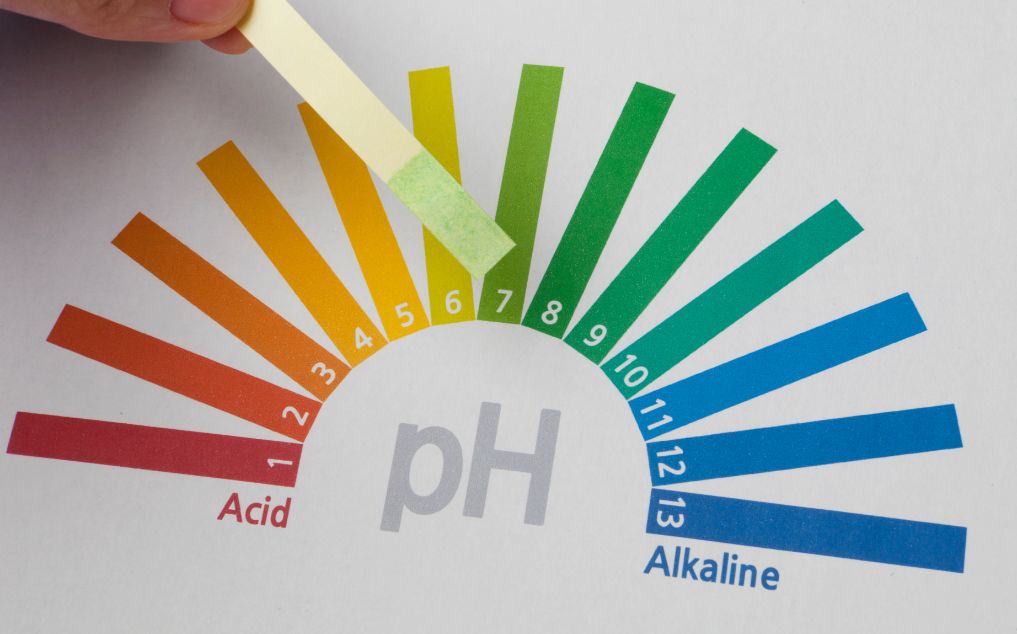
pH measures acidity versus alkalinity on a scale from 0 to 14. A pH of 7.0 represents neutral. Values below 7.0 indicate acidic conditions, while values above 7.0 indicate alkaline conditions.
This measurement matters because urine chemistry directly affects urinary tract health. The pH level influences crystal formation, bacterial growth, and overall bladder environment.
Normal Urine pH Range for Dogs
Healthy dog urine pH typically falls between 6.0 and 7.5. According to the Merck Veterinary Manual, the ideal urine pH is 7.0 to 7.5 in dogs. Research shows individual dogs can experience pH variations throughout the day, with ranges from 5.0 to 8.5 documented in healthy animals.
Slight fluctuations are completely normal. Diet, hydration, time of day, and activity all influence readings. A single reading outside the normal range isn’t necessarily alarming if other parameters appear normal.
Why pH Monitoring Matters
Abnormal pH creates conditions where urinary problems develop more easily. When urine becomes too alkaline (pH above 7.0), struvite crystals form more readily. According to VCA Animal Hospitals, bacteria that cause infections produce enzymes that increase pH, creating an environment where crystals rapidly develop into stones.
When urine becomes too acidic (pH below 6.0), it may indicate metabolic disorders or dietary imbalances. CompanAIn’s AI-powered health insights help identify these patterns by organizing test results over time, making it easier to spot developing problems.
What You'll Need: Tools & Materials
Essential Supplies
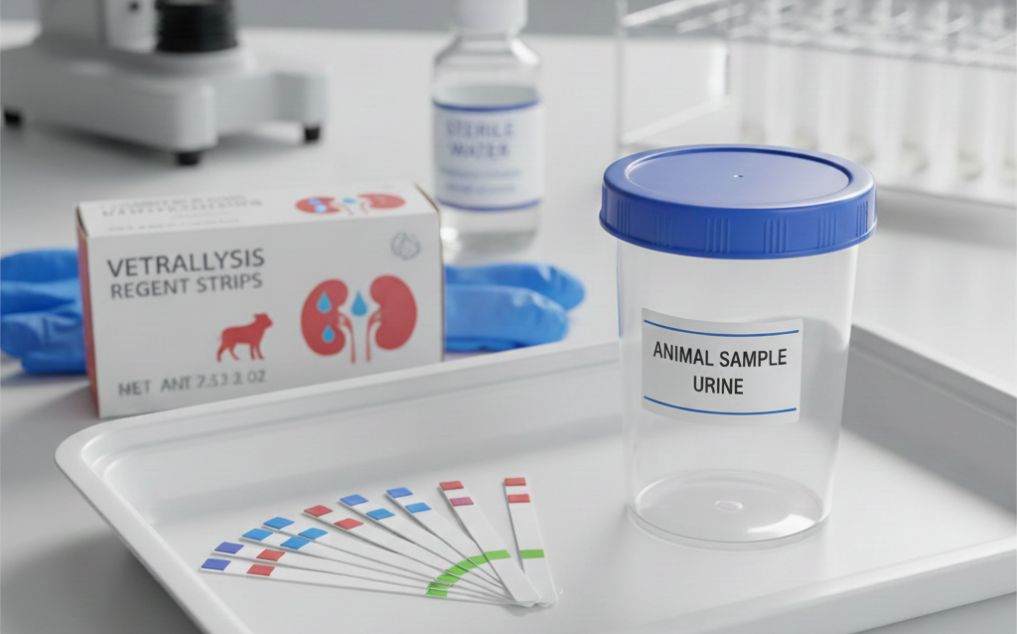
Urine test strips (dipsticks) are the primary tool for at-home pH testing. Look for veterinary-specific test strips designed for dogs. Clinic-grade, FDA-approved strips provide more reliable results than generic alternatives.
Many veterinary strips detect pH plus nine other parameters including glucose, protein, blood, ketones, and specific gravity. This comprehensive analysis provides context beyond pH alone.
Collection Equipment
You’ll need a clean container or sterile collection cup. Pet urine collectors—shallow dishes with handles—make collection significantly easier. Keep paper towels nearby for cleanup.
Where to Purchase
Urine test strips are available through online retailers like Amazon and Chewy, pet health centers, and veterinary clinics. Expect to pay $10-$30 for a bottle containing 50-100 strips.
Step-by-Step Guide to Testing Your Dog's Urine pH
Step 1 – Prepare Your Materials
Gather all supplies in one location. Check that test strips haven’t expired. Keep the color chart close by for immediate comparison.
Morning often works well since dogs typically need to urinate after waking, and first-morning urine is most concentrated.
Step 2 – Collect a Urine Sample
The mid-stream free-catch method is the gold standard. Allow your dog to begin urinating normally, then position your collection container to catch mid-stream urine—not the first or last portion.
For male dogs, a shallow dish or soup ladle works well. For female dogs, slide a shallow pan under them as they squat. Pet urine collectors with long handles help maintain distance.
Collect during your dog’s normal bathroom routine. You need at least 1-2 tablespoons of urine. If not testing immediately, refrigerate the sample and test within 30 minutes for most accurate results.
Step 3 – Immerse the Test Strip
Fully submerge the test strip’s reagent pads into the urine sample for no more than 2 seconds. Prolonged soaking causes reagent pads to bleed into each other or produce false readings.
Remove the strip and gently tap it against the container rim to remove excess urine.
Step 4 – Wait for Color Development
Hold the test strip horizontally. Wait exactly 30 to 60 seconds depending on your manufacturer’s instructions.
Different parameters require different waiting periods. Follow your specific strip’s timeline precisely—reading too early or too late produces inaccurate results.
Step 5 – Read and Compare Results
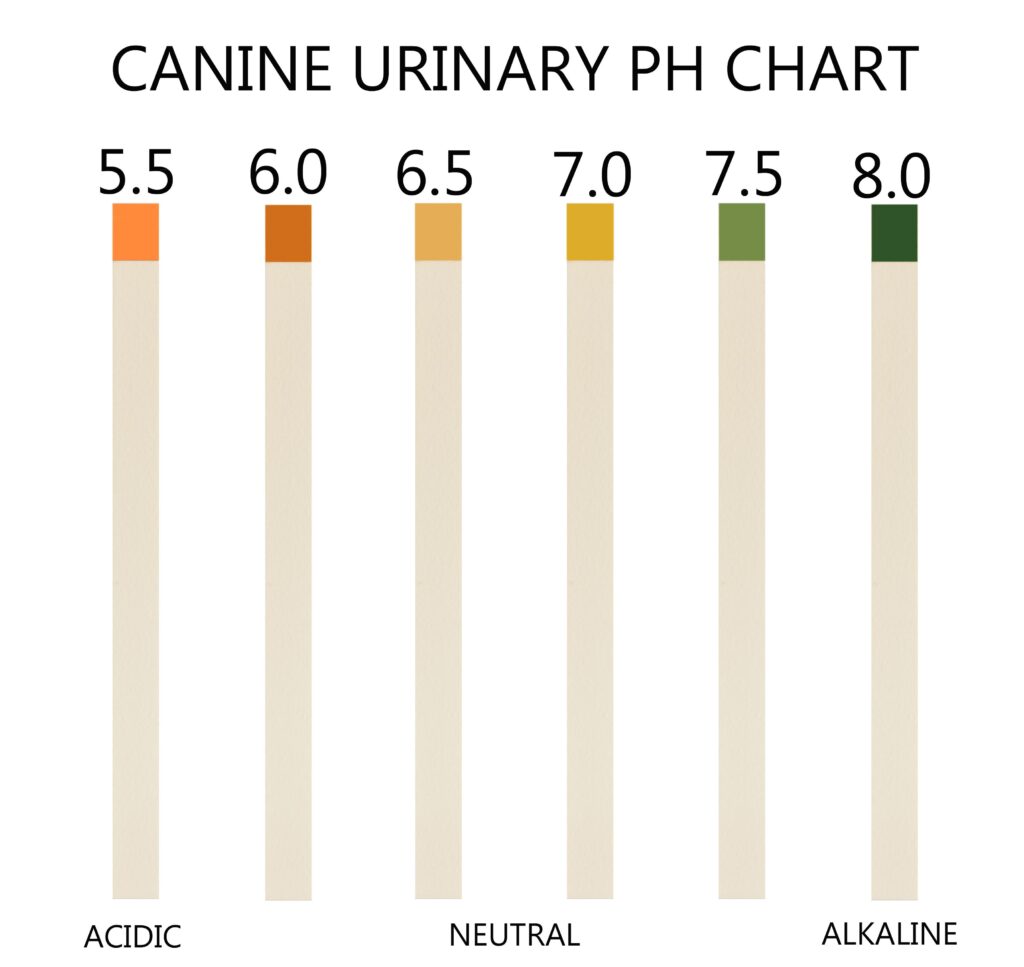
Compare the pH test pad color against the color chart under good lighting. Natural or bright artificial light works best.
Note the exact pH value. Record your results immediately. If other parameters appear normal, a single slightly abnormal pH reading is not necessarily concerning.
Step 6 – Document Your Findings
Maintain a log of test dates, pH results, and any symptoms. Note changes in urination frequency, water intake, diet modifications, or medications.
CompanAIn’s health tracking tools can organize this data automatically, creating a comprehensive timeline that integrates home test results with veterinary records for a complete health picture.
Interpreting Your Results
What Normal pH Looks Like
Results between 6.5 and 7.0 indicate healthy urine chemistry. Slight variations within 6.0 to 7.5 are generally acceptable. Remember that pH naturally fluctuates throughout the day.
What Elevated pH Means (Above 7.0)
Alkaline urine with pH above 7.0 may indicate urinary tract infection. Bacteria secrete urease enzymes that break down urea, producing ammonia that raises pH significantly.
Cornell University College of Veterinary Medicine notes that struvite crystals form when pH becomes more alkaline and concentrated, typically in pH ranges of 7.5 to 9.0. Female dogs are particularly susceptible, accounting for up to 85% of cases.
Certain dietary factors, medications, and metabolic conditions can also elevate pH without infection.
What Low pH Means (Below 6.5)
Acidic urine below 6.5 may result from high-protein diets, stress, or metabolic conditions. Certain medications, vitamin C supplementation, and metabolic acidosis can lower pH.
When to Contact Your Veterinarian
Consistently abnormal readings over multiple tests warrant professional evaluation. If pH abnormalities accompany concerning symptoms—blood in urine, increased urination frequency, straining, cloudy urine, or pain during urination—schedule an appointment promptly.
Protein or blood detected on test strips requires follow-up. Changes in urination patterns combined with abnormal pH should never be ignored.
Factors That Affect Urine pH
Diet's Impact
Diet significantly influences urine pH. High-protein, meat-based diets acidify urine, while plant-based ingredients create more alkaline urine. Today’s Veterinary Practice explains that diet is the most significant factor affecting urine pH in healthy pets.
Therapeutic diets adjust pH intentionally. Some prescription foods acidify urine to prevent struvite formation, while others moderate pH to discourage calcium oxalate crystals.
Time of Day
Morning urine is often more acidic after the overnight fasting period. Post-meal urine may show different pH. For consistent monitoring, test at the same time each day when possible.
Medications and Supplements
Certain medications alter urine pH as a therapeutic effect. Vitamin C supplementation increases acidity. Antacids or alkalinizing agents raise pH. Always inform your veterinarian about supplements or medications.
Stress and Activity
Stress contributes to acidosis, lowering urine pH. Physical exercise and activity affect metabolism and consequently impact pH.
When Home Testing Isn't Enough
Limitations of At-Home Testing
Dipsticks cannot replace comprehensive laboratory urinalysis. They don’t examine urine sediment under microscope, cannot culture bacteria, and may show false positives or negatives.
Strip testing approximates pH to the nearest 0.5 units. Laboratory pH meters provide more precise readings.
What Your Veterinarian Can Provide
Comprehensive microscopic analysis examines urine sediment for cells, crystals, casts, and bacteria. Bacterial culture identifies specific organisms and determines effective antibiotics.
Your veterinarian interprets results within the context of physical examination, medical history, and other diagnostic tests.
Best Practice: Combine Home and Professional Testing
Use home tests as monitoring and early warning tools. Confirm concerning results with professional testing. Share home testing logs during veterinary appointments.
Schedule annual or biannual professional urinalysis for healthy dogs. Dogs with recurring urinary issues benefit from more frequent professional testing every 3-6 months.
Tips for Accurate Testing
Collection Best Practices
Test urine within 30 minutes of collection for best results. According to Cornell University’s eClinpath, urine samples remain relatively stable for up to 48 hours when refrigerated, but immediate testing provides most accurate results.
Collect mid-stream samples to avoid contamination. Use clean, sterile containers. Ensure adequate sample volume—at least 1-2 tablespoons.
Storage and Handling
If immediate testing isn’t possible, refrigerate samples promptly. Samples can remain refrigerated up to 24 hours, though testing within 4-6 hours produces more reliable results. Allow refrigerated samples to return to room temperature before testing.
Never store samples longer than 24 hours. Always use fresh, unexpired test strips from properly sealed containers.
Reading Strip Results Accurately
Ensure adequate lighting when reading results. Compare colors in natural daylight or bright artificial light. Follow manufacturer timing instructions precisely.
Don’t assume all strips are identical. Some strips require 30 seconds for pH but 120 seconds for leukocytes.
Monitoring Your Dog's Urine Health Over Time
Taking an active role through at-home pH monitoring creates opportunities for early detection and intervention. By following proper collection techniques, testing accurately, and maintaining detailed records, you can work with your veterinarian to catch potential issues before they become serious problems.
Remember that home testing complements professional veterinary care rather than replacing it. Abnormal findings always require professional follow-up for accurate diagnosis and treatment.
CompanAIn’s AI-powered platform helps pet owners organize health data, track patterns over time, and maintain comprehensive records that support informed healthcare decisions. By integrating home test results with veterinary records and lab work, CompanAIn provides the complete health picture that both pet owners and veterinarians need for proactive, personalized care.
Whether managing a chronic condition, monitoring recovery, or taking preventive health measures, at-home urine pH testing empowers you with knowledge and early warning capabilities that help ensure your dog’s long-term urinary health and overall wellbeing.
Frequently Asked Questions
How often should I test my dog's urine pH at home?
For generally healthy dogs, monthly testing provides reasonable monitoring. Dogs with a history of UTIs or urinary issues benefit from weekly or bi-weekly testing. Consult your veterinarian for personalized recommendations.
Are home urine test strips accurate?
Home strips provide approximately accurate results useful for monitoring trends. They’re less precise than laboratory analysis but serve as excellent early warning tools. Always confirm abnormal results with professional veterinary testing.
What should I do if my dog's pH is consistently elevated?
Persistently high pH readings require veterinary discussion. Your veterinarian may recommend dietary changes, increased water intake, or prescription therapeutic diets. Professional urinalysis may be needed to rule out infection.
Can diet really change my dog's urine pH?
Yes, diet significantly impacts urine pH. High-protein diets acidify urine, while certain minerals and plant-based ingredients create more alkaline urine. Prescription therapeutic diets are specifically formulated to modify pH when medically necessary.
Is a single abnormal pH reading something to worry about?
Not necessarily. Single readings outside normal range can result from timing of collection, recent meals, medications, or temporary stress. However, consistently abnormal readings warrant veterinary investigation.
Can I use human urine test strips for my dog?
While chemistry is similar, strips designed for dogs are preferable as they account for normal ranges specific to canines. Human strips may give misleading results because reference ranges differ between species.