
Interpreting cat blood test results always sounds easier than it is. Feline bloodwork is essential for diagnosing and monitoring a cat’s health, providing veterinarians with extremely valuable tools to assess and manage medical conditions. Blood tests help establish baseline health for your cat, serving as a reference point for future comparisons. Common blood tests are performed at most veterinary clinics as part of routine care, ensuring accessibility for all pet owners. These tests are extremely beneficial for early detection and accurate diagnosis of health issues, especially in mature cats. As a diagnostic test, bloodwork helps veterinarians treat medical conditions and monitor your cat’s health across all life stages, from kittens to seniors. Blood tests for cats play a vital role in veterinary care, supporting both prevention and treatment strategies.
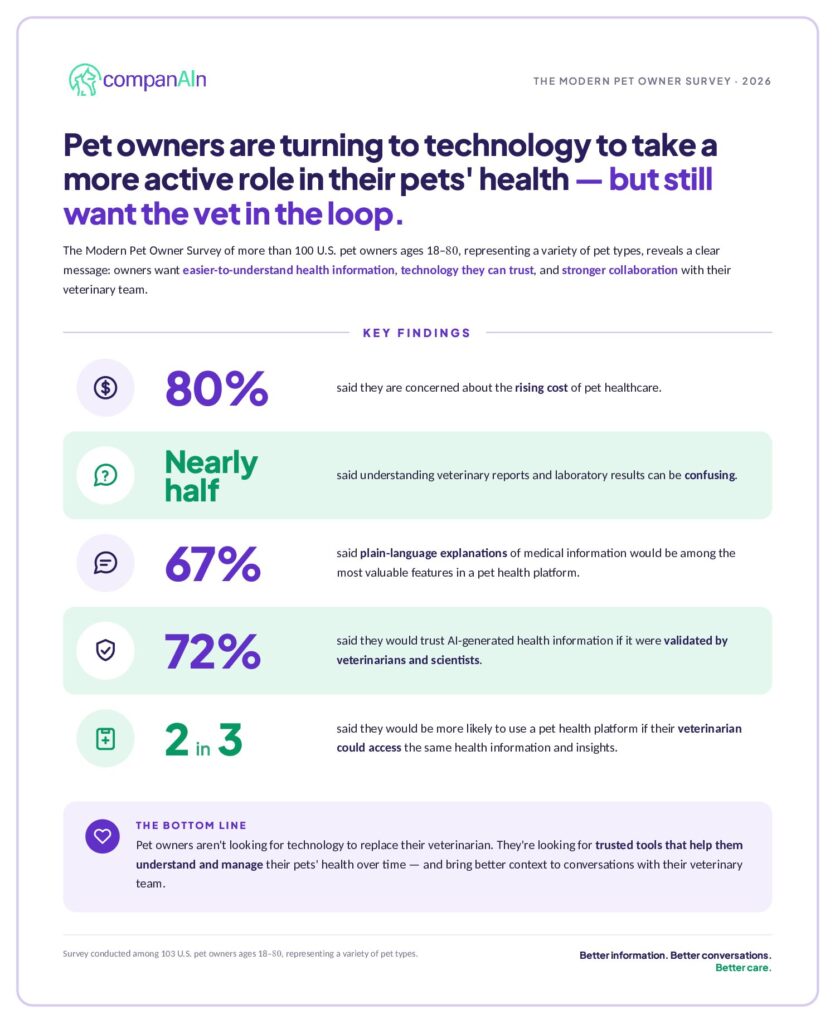
That’s where CompanAIn’s AI-powered veterinary platform makes the difference. From uploading vet notes and lab results to receiving AI-analyzed health timelines, the system parses complex medical data into clear insights. Blood tests also contribute to creating an individual wellness plan tailored to your cat’s unique needs. With predictive health analytics, DVM-validated alerts for critical findings, and personalized care recommendations, cat owners can track their pet’s wellness from routine checkups through chronic disease management with confidence.
Why Cat Blood Tests Matter for Pet Owners
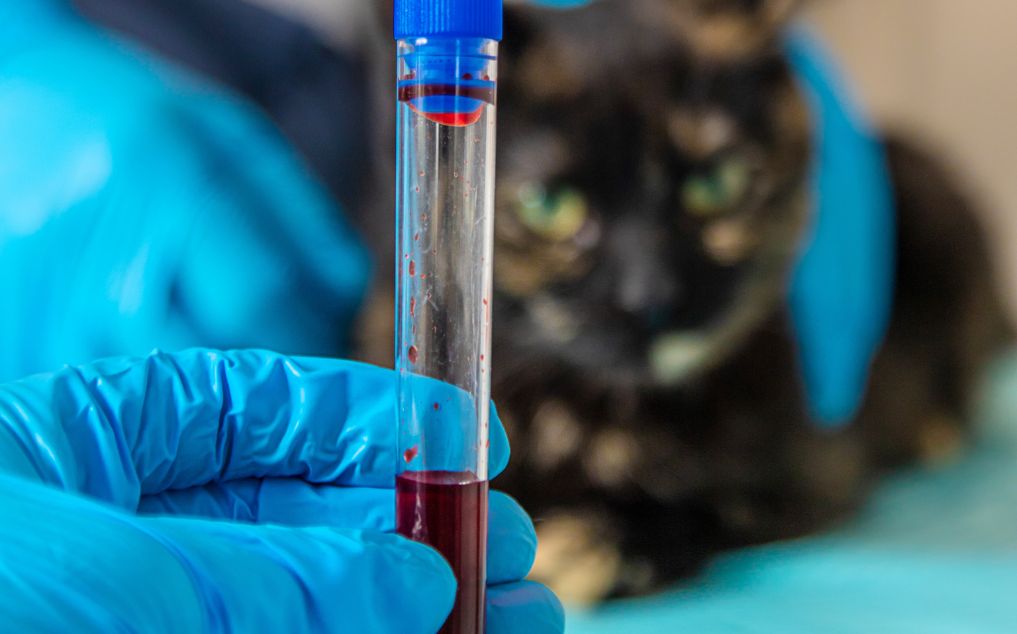
Blood tests reveal what you can’t see from the outside. Routine wellness checkups and annual wellness exams often include blood tests to monitor health across all life stages. Cats instinctively hide weakness—by the time symptoms appear, organ damage may already be significant. Cat bloodwork and analysis of bodily fluids, such as blood and urine, help establish baseline health and detect issues early, even before physical symptoms arise. Regular blood work detects kidney disease, thyroid problems, diabetes, and infections early when intervention works best.
A single blood draw shows organ function across the liver, kidneys, and pancreas. It reveals immune status through white blood cell counts. Red blood cell parameters indicate anemia or dehydration. According to Cornell University College of Veterinary Medicine, baseline values from healthy years become reference points for catching subtle declines that signal disease.
Understanding the Complete Blood Count (CBC)
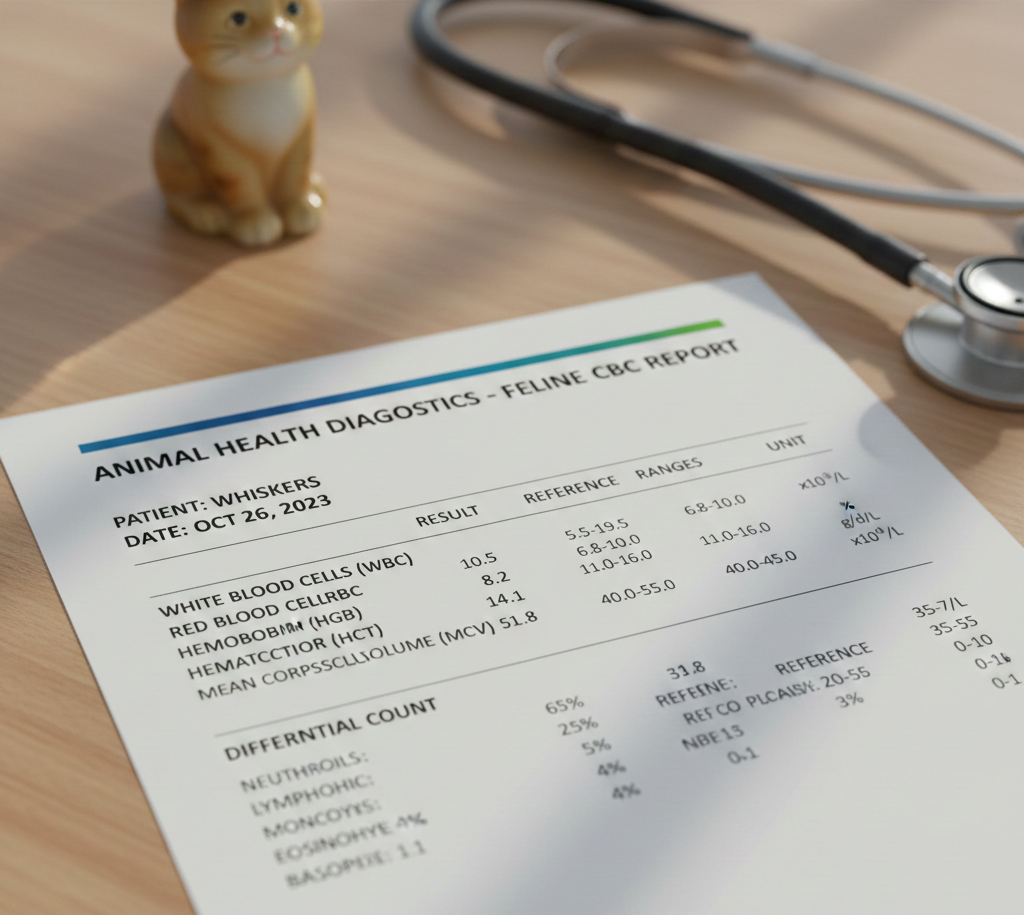
The CBC examines blood cells circulating in your cat’s system. It analyzes your cat’s blood cells, including red blood cells, white blood cells, and platelets. Platelet counts are especially important for assessing blood clotting and can help identify risks such as internal bleeding or low platelet counts. These tests assess oxygen transport, immune response, and clotting ability.
Red Blood Cell Parameters
Hematocrit measures the percentage of blood volume from red blood cells. Normal feline range is 28-45%. Abnormal levels—either too high or too low—can signal underlying health issues. Elevated hematocrit usually means dehydration. Low hematocrit indicates anemia from blood loss, reduced production, or cell destruction.
Hemoglobin carries oxygen in red blood cells—low levels confirm anemia with reduced counts. Mean corpuscular volume and mean corpuscular hemoglobin concentration classify anemia types, identifying regenerative versus non-regenerative causes.
White Blood Cell Parameters
White blood cell count shows immune activity. These counts provide important insight into your cat’s immune system health, as they help assess how well the body can fight infections and respond to disease. Elevated counts indicate infection, inflammation, or stress. Low counts signal compromised immunity from viral infections or bone marrow disease.
Differential counts break down specific white cell types. Neutrophils rise with bacterial infections. Lymphocytes increase with viral infections. Eosinophils elevate with parasites. These patterns guide treatment far more than total counts alone.
Platelet Evaluation
Platelets enable clotting. Low counts create bleeding risks during surgery. Monitoring platelet counts is essential for assessing bleeding risk, detecting bleeding disorders, and ensuring a cat is safe for surgical procedures. Tracking platelet trends helps veterinarians anticipate complications and identify bleeding disorders early.
Decoding the Chemistry Panel
Chemistry panels measure biochemical markers showing organ function, metabolic status, and electrolyte balance. Blood panels, which include various blood chemistries such as ALT, bilirubin, BUN, and creatinine, are commonly used to assess the health of organs like the liver and kidneys. Larger blood panels may include additional markers, providing a more comprehensive health assessment for your cat.
Kidney Function Markers – BUN and Creatinine
Blood urea nitrogen ranges from 14-36 mg/dL in healthy cats. BUN rises with kidney dysfunction but also increases from high-protein diets, dehydration, bleeding, and shock. Context matters for interpretation. Creatinine levels are another key indicator used to assess the health of the cat’s kidneys, as they reflect how well the kidneys are filtering waste. The two blood chemistries most commonly used to evaluate kidney function are BUN and creatinine.
Creatinine provides specific kidney assessment, with normal range 0.6-2.4 mg/dL. Creatinine elevations almost always indicate reduced kidney filtration. Muscle mass affects results—thin cats show falsely normal levels despite declining function.
The International Renal Interest Society (IRIS) staging system classifies chronic kidney disease into four stages. Stage I: creatinine below 1.6 mg/dL. Stage II: 1.6 mg/dL. Stage III: 2.9-5.0 mg/dL. Stage IV: exceeding 5.0 mg/dL.
Creatinine above 2.4 mg/dL signals kidney trouble, but actual failure doesn’t begin until 5.0-5.5 mg/dL. Many cats with values between 2.4-5.0 mg/dL have kidney insufficiency—manageable with diet, medications, and monitoring for years.
SDMA testing detects kidney disease earlier, identifying problems at 40% function loss versus creatinine’s 75%. CompanAIn’s multi-agent AI system combines both markers to track kidney function trends and provide early warning alerts before values reach critical levels.
Liver Function Indicators
Alanine aminotransferase (ALT) elevation indicates liver cell damage. Routine blood panels assess liver health by measuring markers such as ALT and bilirubin, which are key indicators of liver function or dysfunction. Bilirubin routine blood panels are an essential part of liver function testing, helping to detect issues early. Mild ALT elevations may be normal in seniors, but significant increases warrant investigation.
Alkaline phosphatase rises with liver disease or bone growth in young cats. In adults, elevation may signal liver problems or hyperthyroidism.
Bilirubin measures liver filtration efficiency. Elevated bilirubin causes jaundice—yellowing of gums and eyes. High levels indicate liver dysfunction or bile duct obstruction.
Albumin represents main liver protein production. Low albumin suggests chronic liver disease, protein loss through kidneys, or malnutrition.
Glucose and Diabetes
Normal feline glucose stays under 250 mg/dL. Blood sugar (glucose) is measured through blood tests to help diagnose and monitor diabetes mellitus in cats. Elevated readings indicate diabetes, though stress from vet visits commonly raises glucose temporarily. Multiple elevated readings with clinical signs confirm diabetes.
Low glucose causes weakness, seizures, or coma. Diabetic cats receiving too much insulin risk dangerous drops in blood sugar, known as low blood sugar levels, which require immediate measurement.
Electrolyte Balance
Sodium and potassium maintain cellular function and muscle contraction. Electrolyte imbalances, such as abnormal levels of potassium, sodium, or chloride, can cause symptoms like muscle weakness and heart arrhythmias in cats, signaling underlying issues like dehydration, kidney problems, or other organ dysfunction. Kidney disease disrupts balance. Vomiting and diarrhea deplete potassium rapidly. Severe imbalances trigger cardiac arrhythmias requiring emergency intervention.
Chloride and carbon dioxide levels reflect acid-base balance during critical illness.
Interpreting Key Values for Kidney Health
Kidney disease affects 30-40% of cats over 10 years old according to VCA Animal Hospitals. Understanding markers empowers early detection and effective management. Abnormal levels of kidney markers, such as BUN and creatinine, can indicate early or advanced kidney disease, helping pet owners and veterinarians identify and address potential issues promptly.
Understanding BUN Elevation
Elevated BUN alone doesn’t confirm kidney disease. For a complete kidney assessment, veterinarians often analyze a urine sample and sometimes other bodily fluids alongside blood tests to detect kidney disease and monitor hydration status. High-protein meals within 12 hours artificially raise BUN. Dehydration concentrates it. Gastrointestinal bleeding elevates BUN without kidney involvement.
Fasting 8-12 hours before testing produces accurate measurements. When BUN rises with creatinine, kidney disease becomes likely.
Creatinine as a Kidney Function Marker
Creatinine elevation means kidneys struggle eliminating waste. Production stays constant from muscle metabolism, making it stable.
Body condition impacts interpretation significantly. Thin cats show deceptively low creatinine despite disease. Young muscular cats run naturally higher without problems.
For a deeper breakdown of what each blood value indicates and how to interpret trends over time, see our detailed guide on what cat blood tests show
The BUN to Creatinine Ratio
When both rise proportionally, kidney disease is likely. When BUN rises disproportionately, pre-renal causes like dehydration or bleeding are probable.
Single abnormal results matter less than consistent elevation. Serial testing every 2-4 weeks establishes stability versus progression. CompanAIn’s Living Memory technology tracks these trends over time, learning from past lab results to identify patterns that signal disease progression.
Other Important Blood Markers
Thyroid Function (T4)
Hyperthyroidism affects approximately 10% of cats over 10 years old according to AAFP guidelines. Elevated thyroid hormone (T4) levels can cause symptoms such as increased appetite and unusual eating behaviors, including seeking more human food or craving human food. Elevated T4 indicates hyperthyroidism. Early disease shows fluctuating values. Concurrent illness suppresses T4 into normal range—”sick euthyroid syndrome.”
Viral Testing
FeLV and FIV require testing in kittens, adoptions, and unknown exposure. Routine blood tests for feline leukemia virus (also known as feline leukemia virus FeLV) and feline immunodeficiency virus (also referred to as feline immunodeficiency virus FIV) are essential for early detection and management of these serious, life-threatening conditions. FeLV causes immunosuppression and cancer. FIV compromises immunity. Testing prevents transmission and guides treatment.
Protein Markers and Inflammation
Globulin levels indicate chronic inflammation. Elevated globulins appear with infections and cancers. The albumin-to-globulin ratio helps differentiate diseases.
Factors Affecting Blood Test Results
Stress Response
Stress from travel and handling elevates glucose and alters white cell counts. Inconsistent results may warrant retesting when calm.
Laboratory Variation
Different labs use different methodologies and reference ranges. Compare results using the same laboratory when possible.
Hydration Status
Dehydration artificially elevates many values. Veterinarians assess hydration before interpreting results. Ensuring water access before visits helps maintain accuracy.
Individual Health Variables
Age alters many values. Nutritional status impacts protein markers. Medications affect numerous tests—inform your vet about all supplements.
When to Expect Abnormal Results
Diabetes presents with glucose exceeding 250 mg/dL combined with increased thirst and urination.
Kidney disease shows elevated BUN and creatinine with dilute urine. Full pictures emerge from combining blood work, urinalysis, and blood pressure.
Liver disease elevates ALT, alkaline phosphatase, and bilirubin while lowering albumin in advanced cases.
Infections elevate white cells with specific patterns. Bacterial infections increase neutrophils. Viral infections shift lymphocytes.
The Role of Serial Testing and Monitoring
Single tests provide snapshots—trends reveal disease trajectories. Baseline values during healthy years create comparison points.
Veterinarians recommend blood work every 6-12 months for senior cats. Regular blood testing is especially important for geriatric cats, as it helps detect health issues early and monitor age-related changes. Chronic disease needs testing every 1-2 months. CompanAIn’s AI-powered platform organizes results into timelines, making patterns clear through its specialized Health Analyzer agent that compares current values against historical data.
Early detection allows intervention before irreversible damage. Gradual creatinine increases deserve dietary changes despite staying below crisis levels. Trends provide clearer pictures than individual values.
Working With Your Veterinarian
Ask specific questions: “What does this creatinine of 2.8 mean for kidney function?” Understand recommended follow-up testing. Request result copies for records.
Blood tests are also essential for assessing surgical risk level and guiding anesthesia choices, especially for injured patients or elderly cats who may have higher risks during procedures.
CompanAIn’s document upload system stores records in organized timelines, enabling pattern tracking across visits. The platform’s Data Aggregator agent parses vet notes, lab results, and medical records automatically, creating a comprehensive health history. Discuss treatment timelines and monitoring schedules. Collaborative planning respects veterinary expertise and owner observations.
FAQ
What does it mean if my cat's BUN is elevated but creatinine is normal?
Elevated BUN alone may indicate dehydration, high protein diet, gastrointestinal bleeding, or liver issues rather than kidney disease. Creatinine elevation alongside BUN is more specific. Your vet evaluates context including hydration, diet, and symptoms.
Is a creatinine of 2.5 mg/dL kidney failure?
No. Values above 2.4 mg/dL signal kidney trouble, but actual failure doesn’t begin until 5.0-5.5 mg/dL. Many cats with values in the 2.4-5.0 range have kidney insufficiency and manage successfully for years with diet, medications, and monitoring.
Why do blood test results vary between veterinary clinics?
Different laboratories use different methodologies and reference intervals. Equipment variations and testing techniques create unique normal ranges. Always compare results within the same facility when possible.
How often should senior cats get blood tests?
Vets typically recommend every 6-12 months for senior cats (7+ years) as baseline screening, with more frequent testing (every 1-2 months) if chronic disease is detected.
Can stress affect my cat's blood test results?
Yes. Stress from travel and unfamiliar environments alters cell counts and elevates glucose. If results seem inconsistent with home health, ask about retesting in calmer circumstances.
What does the BUN to creatinine ratio tell me?
This ratio distinguishes kidney from non-kidney causes. When both rise proportionally, kidney disease is likely. When BUN rises disproportionately, pre-renal causes like dehydration may be involved.
Should I fast my cat before blood work?
Yes, most vets recommend 8-12 hours fasting, particularly for accurate BUN and glucose measurements. Provide water to prevent dehydration.
What happens if my cat has multiple abnormal values?
Abnormal combinations paint clearer pictures than isolated elevations. Your vet integrates results with symptoms, ultrasound findings, and urinalysis for complete diagnosis.
Can my thin cat's kidney values be misleading?
Yes. Thin cats may show falsely low creatinine despite declining function due to reduced muscle mass, while dehydrated cats show falsely elevated BUN. Body condition must be considered.
How do I help my cat with elevated kidney markers?
Management may include dietary adjustments, fluid therapy, medications for blood pressure, and monitoring protocols. Your vet recommends plans based on IRIS disease stage and your cat’s needs. CompanAIn’s Recommendation Engine helps track treatment response through organized health timelines and early warning alerts, with all critical findings validated by licensed DVMs.