
Cat kidney disease prevention sounds straightforward until you’re trying to spot symptoms in an animal that instinctively hides illness. Whether you’re managing a senior cat approaching double digits, caring for a breed predisposed to renal issues, or simply wanting to protect your feline companion from one of the most common diseases affecting older cats, the challenge is real. Chronic kidney disease (CKD) progresses silently for months or years, and by the time visible symptoms appear, significant damage has already occurred.
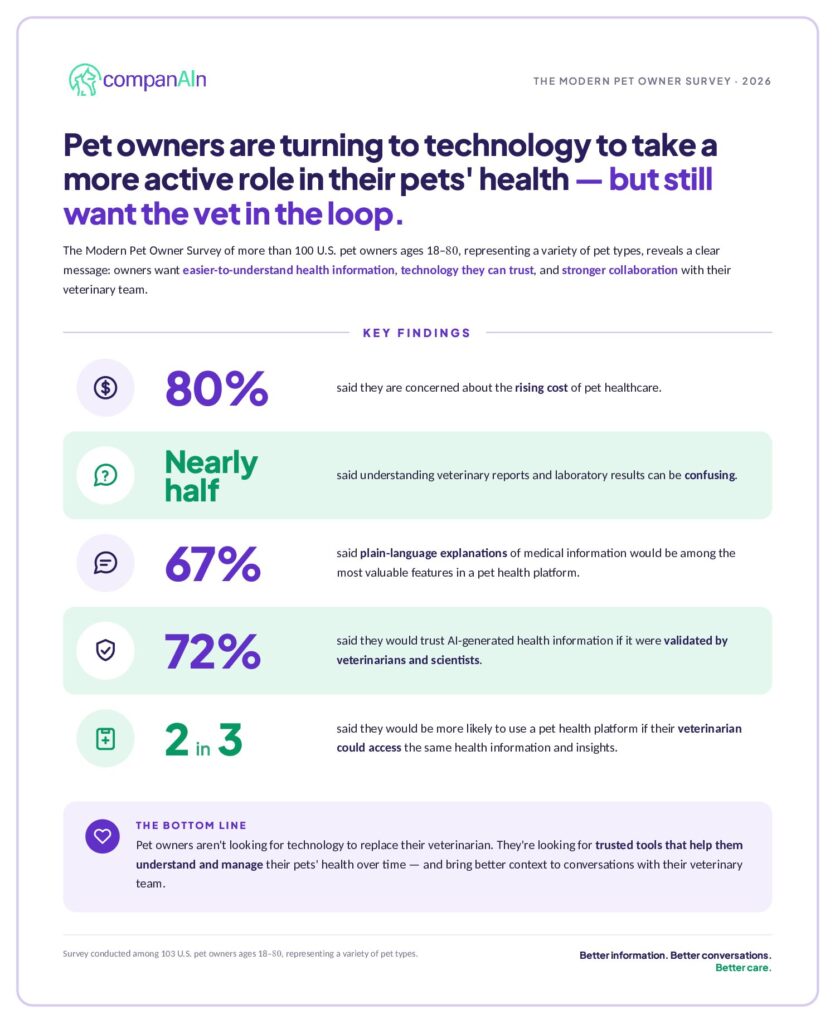
That’s where AI-powered health monitoring from CompanAIn makes a difference. From parsing veterinary lab results and tracking subtle health pattern shifts to generating personalized dietary recommendations, CompanAIn’s multi-agent AI system helps catch problems early. With specialized agents analyzing your cat’s complete health timeline, therapeutic diet planning, and continuous monitoring support, prevention becomes far more manageable than crisis management ever could be.
Understanding Feline Chronic Kidney Disease
Chronic kidney disease represents one of the most widespread health conditions in cats, particularly those over 10 years of age. The disease develops gradually as kidneys lose their ability to filter waste products from the bloodstream effectively.
Unlike acute kidney failure that strikes suddenly, CKD progresses over months or years. Cats are masters at concealing illness—an evolutionary trait that prevents them from appearing vulnerable to predators. This instinct works against early detection, leaving owners unaware until the disease reaches advanced stages.
The Silent Progression
Research shows that approximately 30-40% of cats over 10 years old have CKD, with prevalence increasing to 30-80% in cats over 15 years. The International Renal Interest Society (IRIS) staging system categorizes CKD into four stages based on blood creatinine levels and clinical signs.
By the time clinical symptoms become obvious, roughly two-thirds of normal kidney tissue has already been lost. The kidneys possess remarkable compensatory ability—remaining nephrons (functional kidney units) work harder to make up for damaged ones. But once more than 75% of functional renal mass is gone, compensation fails.
The survival difference between early and late-stage diagnosis is stark. Cats diagnosed at IRIS Stage 2 have an average survival time of 2-3 years, while those diagnosed at Stage 4 survive less than 6 months. Early intervention through dietary planning and proactive monitoring dramatically improves outcomes.
How Kidney Disease Develops
Kidneys perform several critical functions. They filter waste products—primarily urea and creatinine—from blood. They regulate electrolyte balance, maintain blood pressure, and produce hormones that stimulate red blood cell production.
When nephrons become damaged through disease, infection, toxins, or aging, remaining nephrons initially compensate through hypertrophy (enlarging to do more work). However, this compensation eventually becomes insufficient as more nephrons fail.
The four IRIS stages each have distinct treatment requirements. Stages 1 and 2 represent mild to moderate disease where dietary intervention can significantly slow progression. By Stage 3, clinical signs like weight loss, poor appetite, and lethargy become more pronounced. Stage 4 means kidneys function at less than 10% capacity.
Risk Factors and Breed Predisposition
Certain breeds show higher predisposition to CKD. Maine Coon, Abyssinian, Siamese, Burmese, and Russian Blue cats face elevated risk. Additional factors include prior kidney injuries, urinary tract infections, exposure to toxins (particularly antifreeze and certain medications), and underlying conditions such as hyperthyroidism and diabetes mellitus.
Understanding your cat’s risk profile helps determine appropriate screening schedules and preventive measures.
Dietary Planning for CKD Prevention and Management
Nutritional management represents the most proven intervention for slowing CKD progression. Studies demonstrate that cats receiving therapeutic renal diets live significantly longer than those on standard maintenance diets.
Research shows median survival increased from 7 months on a standard diet to 16 months on a prescription renal diet. These benefits are even more pronounced for cats with IRIS Stages 3 and 4.
Key Nutritional Modifications
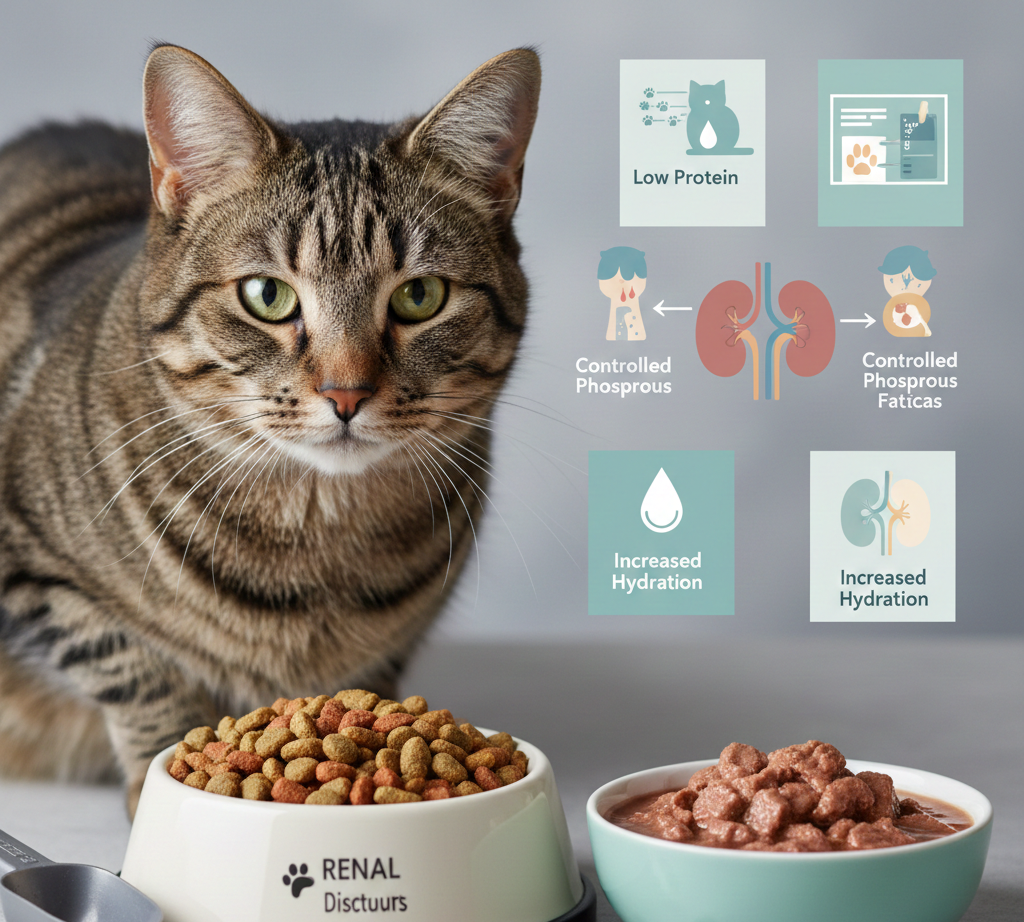
Phosphorus Restriction: Limiting dietary phosphorus is the most critical dietary adjustment. Elevated phosphorus accelerates kidney damage through secondary hyperparathyroidism and calcium-phosphorus imbalances. Restriction has been shown to delay disease progression substantially.
Protein Management: This requires careful balance. While excessive protein increases nitrogen waste products that damaged kidneys struggle to eliminate, insufficient protein causes muscle wasting—a common problem in CKD cats. Moderate protein restriction using high-quality, highly digestible protein sources allows kidneys to work less hard while preserving lean body mass.
Potassium Supplementation: CKD cats often lose potassium through urine. Rather than restricting potassium as recommended for humans with kidney disease, feline renal diets contain elevated potassium to compensate for these losses and maintain healthy electrolyte balance.
Omega-3 Fatty Acids: EPA and DHA (found in fish oil) reduce inflammatory compounds and oxidative stress on diseased kidneys. Research indicates these essential fatty acids help slow CKD progression. Therapeutic diets are supplemented with omega-3s to support renal function.
Hydration and Moisture Content: Wet food provides superior hydration compared to dry kibble. High moisture content helps prevent dehydration, which can accelerate kidney damage. Many cats with CKD have reduced appetite, making highly palatable wet formulations essential.
Water-Soluble Vitamins: CKD causes increased urinary loss of B vitamins. Therapeutic diets include elevated levels to prevent deficiencies that may further reduce appetite and energy levels.
Dietary Transition Protocol
Transitioning cats to kidney-protective diets requires patience. Cats resist sudden food changes, and forcing the issue can result in food aversion or complete refusal to eat.
Any dietary change should occur gradually over 2-3 weeks. Start by mixing small amounts of the new diet with current food, gradually increasing the proportion of therapeutic diet while decreasing the old food. Highly palatable therapeutic diets increase compliance, improving long-term outcomes.
AI-Assisted Early Detection and Monitoring
Artificial intelligence is transforming how veterinarians detect early CKD and monitor disease progression. CompanAIn’s specialized AI agents analyze lab results, clinical data, and long-term health patterns to anticipate problems before they become critical.
The platform’s multi-agent system includes a Data Aggregator that parses veterinary documents, a Health Analyzer that identifies concerning trends, and a Specialized Pathologist Agent that interprets lab work with clinical context. All critical findings undergo review by licensed DVMs, ensuring accuracy.

Advanced Diagnostic Tools
Modern diagnostic testing combined with AI analysis enables earlier detection than traditional methods alone. The SDMA (Symmetric Dimethylarginine) blood test provides earlier detection than traditional creatinine testing.
SDMA concentrations increase above normal when approximately 40% of kidney function is lost—well before creatinine elevation, which doesn’t occur until roughly 75% of function is gone. This earlier detection window allows veterinarians to initiate treatment at much earlier disease stages.
CompanAIn’s document parsing capabilities automatically extract and track SDMA values from lab reports, flagging increases over time that might otherwise go unnoticed between annual checkups.
Behavioral Pattern Recognition
Beyond lab values, subtle behavioral changes often precede clinical diagnosis. Increased water consumption, changes in urination frequency or volume, reduced activity levels, and altered appetite patterns can all signal developing kidney problems.
CompanAIn’s “Living Memory” technology maintains a comprehensive health timeline, contextualizing each veterinary visit, lab result, and health note. When patterns emerge—like gradually increasing BUN and creatinine values over several months—the system alerts pet owners and veterinarians to investigate further.
Personalized Health Roadmaps
AI systems create individualized health roadmaps for each cat, personalizing care recommendations based on the pet’s unique health profile. This approach moves beyond one-size-fits-all dietary protocols to truly customized nutritional plans.
CompanAIn’s Recommendation Engine accounts for breed predisposition, age, body condition, underlying health conditions, and medication interactions when generating dietary and care suggestions. For a 12-year-old Siamese with Stage 2 CKD and concurrent hyperthyroidism, recommendations differ significantly from those for a 15-year-old domestic shorthair with Stage 3 CKD alone.
Implementing Prevention Strategies
Prevention begins with regular health screening for senior and geriatric cats. The American Association of Feline Practitioners recommends baseline blood work and urinalysis for cats aged 7 years and older, with more frequent monitoring (every 6-12 months) for cats over 10 years.
Early screening establishes baseline values for each cat. When subtle increases occur, veterinarians can compare against historical data rather than just reference ranges, improving early detection sensitivity.
Hydration Management
Ensuring adequate hydration is paramount for kidney health. Fresh water should be available in multiple locations throughout the home—cats often prefer drinking away from food bowls. Water fountains often encourage increased drinking. The moving water appeals to many cats and stays fresher than standing water.
In advanced CKD stages, subcutaneous fluid administration may become necessary. Many owners can learn to administer fluids at home, improving quality of life while reducing stress from frequent veterinary visits.
Long-Term Monitoring and Adjustment
CKD management requires ongoing monitoring and adjustment. What works at Stage 2 may need modification as disease progresses to Stage 3. Regular veterinary check-ups, lab work, blood pressure monitoring, and urinalysis guide treatment adjustments.
CompanAIn’s platform assists with this long-term management by organizing all health information in one place. When visiting a new veterinarian or specialist, having a complete, organized health history—parsed and interpreted by AI agents—facilitates better care decisions.
The Future of Feline Kidney Health
AI-assisted health monitoring represents a fundamental shift from reactive to proactive care. Rather than waiting for clinical signs to appear and then managing symptoms, early detection and intervention can preserve kidney function longer and maintain quality of life.
The combination of therapeutic nutrition, regular screening, and AI-powered pattern recognition gives cats with kidney disease the best possible outcomes. While CKD remains progressive and ultimately terminal, the difference between catching it at Stage 1 versus Stage 4 can mean years of quality life.
Ready to Protect Your Cat's Kidney Health?
Cat kidney disease prevention requires vigilance, early intervention, and consistent dietary management. Whether you’re monitoring a senior cat, managing early-stage CKD, or simply want proactive health tracking, the right tools make all the difference.
CompanAIn’s AI-powered health platform provides comprehensive monitoring, personalized recommendations, and early warning systems that help cats live longer, healthier lives. From parsing lab results to tracking subtle health pattern changes, the multi-agent AI system works alongside your veterinarian to ensure nothing gets missed.
When you’re ready to move from reactive symptom management to proactive health protection, CompanAIn delivers the technology and insights you need. Explore the platform today and give your cat the advantage of early detection and personalized care.
Frequently Asked Questions
At what age should cats begin kidney disease screening?
Screening should begin at age 7 for all cats, with more intensive monitoring after age 10. The American Association of Feline Practitioners recommends routine blood work and urinalysis annually for all senior cats. Cats with breed predisposition or prior kidney issues may benefit from screening starting at age 5.
Can kidney disease be prevented entirely?
While CKD cannot always be prevented completely, early dietary intervention and monitoring significantly slow progression and extend quality of life. Prevention focuses on slowing disease advancement rather than complete prevention. Maintaining healthy weight, ensuring adequate hydration, and avoiding nephrotoxic substances all support kidney health.
How does AI-assisted monitoring differ from traditional veterinary care?
AI continuously analyzes patterns in lab results and health data, detecting subtle changes that might be missed when reviewing individual tests in isolation. It complements—not replaces—veterinary expertise by providing objective, long-term trend analysis. CompanAIn’s system flags concerning patterns and routes critical findings to licensed DVMs for review.
Is prescription renal diet necessary immediately upon diagnosis?
For early-stage CKD (IRIS Stages 1 and 2), dietary modification is the primary intervention and has been proven to slow disease progression. All cats with diagnosed CKD benefit from transitioning to therapeutic renal diets. The earlier the transition, the better the long-term outcomes.
What's the difference between acute and chronic kidney failure?
Acute kidney failure occurs suddenly, often due to toxin ingestion, infection, or urinary blockage. It may be reversible with aggressive treatment. Chronic kidney disease develops gradually over months or years and is progressive and irreversible, though progression can be significantly slowed with proper management.
How often should cats with CKD visit the veterinarian?
Cats in IRIS Stages 1 and 2 should have check-ups every 6-12 months, including blood work and urinalysis. Those in Stages 3 and 4 require more frequent monitoring—potentially every 1-3 months or as recommended by your veterinarian. Monitoring frequency depends on disease stability and concurrent health conditions.