
Balancing your dog’s micronutrient intake always sounds easier than it actually is. Whether you’re preparing fresh meals at home, rotating between different commercial brands, or questioning whether your aging retriever needs extra antioxidant support, the gap between too little and too much closes fast. Selenium and vitamin E both protect cells powerfully, but they turn dangerous when amounts climb past safe limits.
That’s where CompanAIn’s AI-powered veterinary platform brings real clarity. By analyzing health records, tracking dietary patterns, and spotting early warning signs across thousands of similar cases, the system helps veterinarians catch nutritional gaps before symptoms appear. From breed-specific risks to medication interactions affecting absorption, CompanAIn delivers personalized insights that make micronutrient management both safer and more effective.
Why Selenium and Vitamin E Work as Partners
Your dog’s body converts selenium into glutathione peroxidase, an enzyme that neutralizes free radicals before they damage cell membranes. Vitamin E reinforces this protection by sitting directly within those membranes, acting as the first line of defense against oxidative stress.
When vitamin E intercepts a free radical, it becomes temporarily inactive. Selenium-dependent enzymes then regenerate that vitamin E molecule, restoring its protective capacity. This partnership explains why deficiency in one nutrient often triggers problems that look like deficiency in the other.
Research from the University of Veterinary and Pharmaceutical Sciences on beagle puppies showed that animals deficient in both nutrients developed muscular weakness, fluid retention, breathing difficulties, and eventual coma within 40 to 60 days. However, puppies supplemented with either selenium or vitamin E alone showed no clinical signs.
Key functions these nutrients support:
- Thyroid hormone production and metabolism
- Immune system response and T-cell performance
- Reproductive health in both males and females
- Muscle tissue integrity and cardiovascular function
- Cellular DNA synthesis and repair mechanisms
Understanding Safe Selenium Levels
Commercial dog foods in the United States must contain between 0.35 and 2.0 mg of selenium per kilogram of food on a dry matter basis, according to AAFCO standards. This provides roughly 6 times more room at the maximum than the minimum requirement, but that margin disappears quickly with supplementation errors.
Dietary Sources of Selenium
Soil selenium content varies dramatically by geography, which means foods grown in selenium-rich regions contain more of this mineral than identical crops from depleted soils. Foods naturally high in selenium include organ meats from livestock, ocean fish and shellfish, Brazil nuts (use cautiously—extremely high), eggs and poultry, and certain mushroom varieties.
Dogs eating quality commercial diets generally receive adequate selenium without supplementation. Home-prepared meals require more careful calculation, especially if you’re using ingredients from regions with low soil selenium.
Recognizing Selenium Deficiency
True clinical deficiency remains uncommon in dogs fed complete commercial diets. When it occurs, symptoms include reduced fertility and reproductive problems, impaired recovery from parasitic infections, weakened immune response to illness, thyroid dysfunction presenting as hypothyroidism, and muscle degeneration in severe cases.
Subclinical deficiency—where blood levels drop below optimal without causing obvious symptoms—affects certain dogs more than others. Males with fertility issues, dogs recovering from serious illness, or those on restricted homemade diets face higher risk.
The Narrow Window: When Selenium Becomes Toxic
Research published in BMC Veterinary Research establishes that organic selenium forms like selenium yeast have a no observed adverse effect level between 60 and 200 micrograms per kilogram of body weight daily. Beyond that threshold, toxicity symptoms emerge.
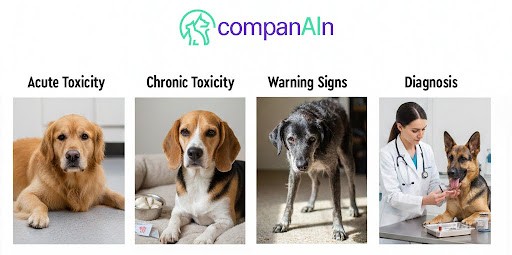
Acute selenium poisoning causes rapid onset of severe symptoms including nausea and vomiting, respiratory distress and suffocation, depression and disorientation, and sudden collapse or death in extreme cases.
Chronic selenium toxicity develops more gradually over weeks or months. Warning signs include:
- Hair loss and coat deterioration
- Garlic odor on the breath (distinctive marker)
- Weakness and difficulty walking
- Diarrhea and digestive upset
- Blindness in advanced cases
The similarity between deficiency and toxicity symptoms makes diagnosis tricky. Both conditions can cause weakness and muscle problems. Blood testing through serum or plasma measurement remains the only reliable way to determine actual selenium status. CompanAIn’s health monitoring tools help veterinarians track these biomarkers over time, catching concerning trends before they become clinical problems.
Vitamin E Dosing Guidelines for Dogs
Vitamin E requirements scale with body weight, but the relationship isn’t linear. The National Research Council recommends approximately 1.5 mg of vitamin E per kilogram of metabolic body weight.
Practical Dosing Recommendations
For general health maintenance, veterinary experts suggest small dogs (10-25 lbs) receive 100-200 IU daily, medium dogs (26-50 lbs) receive 200-400 IU daily, and large dogs (51+ lbs) stay at 400 IU daily maximum.
One IU of natural vitamin E (d-alpha-tocopherol) equals approximately 0.67 mg. The natural form provides roughly twice the biological activity of synthetic vitamin E (dl-alpha-tocopherol), making label reading essential for accurate dosing.
When Dogs Need Extra Vitamin E
Certain dietary patterns and health conditions increase vitamin E requirements:
High fish oil intake means dogs receiving fish oil supplementation need additional vitamin E to protect those polyunsaturated fatty acids from oxidation. The general guideline suggests adding 10 IU of vitamin E for every gram of polyunsaturated fatty acids in the diet.
Homemade diets using fresh ingredients may fall short on vitamin E unless they incorporate rich sources like wheat germ oil, sunflower seeds, or specific vegetables.
Skin conditions sometimes respond to higher vitamin E doses (up to 400 IU daily) for 60 to 90 days under veterinary supervision, particularly for dogs with atopic dermatitis or allergic skin disease.
Joint problems may benefit from vitamin E supplementation. Research on dogs with hip dysplasia and arthritis suggests vitamin E may reduce inflammation when used as part of multimodal therapy.
Recognizing Vitamin E Deficiency
Deficiency symptoms develop slowly and include muscle weakness and poor muscle development, vision problems and retinal degeneration, reproductive failure in breeding dogs, excessive shedding and poor coat quality, and impaired immune system function.
Vitamin E Toxicity Risks
Vitamin E is remarkably safe compared to other fat-soluble vitamins, but problems can occur with chronic oversupplementation. Because vitamin E acts as a blood thinner, excessive amounts interfere with clotting.
Dogs with bleeding disorders like von Willebrand’s disease should never receive high-dose vitamin E. Any dog taking vitamin E supplements should stop at least one week before scheduled surgery to prevent excessive bleeding.
Other potential issues from vitamin E excess include interference with vitamin K absorption (affects blood clotting), reduced absorption of vitamins A and D, digestive upset including vomiting and diarrhea, and pro-oxidant effects at very high doses.
Combined Supplementation: Selenium Plus Vitamin E
Research published in the Journal of Animal Physiology and Animal Nutrition consistently shows these nutrients perform better together than individually. A 2018 study on dogs with reduced fertility demonstrated that daily supplementation with 6 micrograms of organic selenium per kilogram of body weight plus 5 mg of vitamin E per kilogram improved sperm quality, motility, and morphology within 60 days.
Four previously infertile males in that study successfully bred after the supplementation period. Another investigation using similar doses found increases in total sperm concentration, progressive motility indicators, percentage of morphologically normal sperm, glutathione peroxidase activity in sperm cells, and total antioxidant capacity in semen.
The improvements persisted 30 days after supplementation ended, suggesting lasting benefits from temporary nutrient optimization.
How CompanAIn Personalizes Nutritional Monitoring
Traditional veterinary care relies on periodic checkups and owner observation to catch nutritional problems. By the time symptoms become obvious, deficiency or toxicity has often progressed significantly.
CompanAIn’s AI veterinary platform analyzes patterns in your dog’s medical records, lab results, and dietary history to identify subtle trends that precede clinical disease. The system cross-references your dog’s data against millions of similar cases, recognizing early warning signs that might escape notice during routine examinations.
Proactive Risk Assessment
The platform evaluates multiple factors that influence selenium and vitamin E status: diet composition and ingredient sources, medication use affecting nutrient absorption, breed-specific predispositions to deficiency, age-related changes in nutritional needs, and activity level and metabolic demands.
When CompanAIn’s monitoring system detects concerning patterns—perhaps slightly declining blood values over several months, or dietary changes that reduce selenium intake—it alerts your veterinarian before deficiency develops.
Supplement Interaction Tracking
Many medications and supplements affect how dogs absorb and utilize selenium and vitamin E. CompanAIn automatically flags potential interactions, such as fish oil supplementation increasing vitamin E requirements, antibiotics interfering with selenium absorption, anti-inflammatory drugs that interact with vitamin E’s blood-thinning effects, and other antioxidants that might create excessive or inadequate combined effects.
Preventing Oversupplementation Errors
Because the line between adequate and excessive intake narrows with selenium especially, CompanAIn helps veterinarians determine precise supplementation amounts. The system accounts for selenium already present in your dog’s food, adjusts for body weight and metabolic factors, and recommends monitoring schedules to catch rising levels before toxicity develops.
This precision matters enormously when working with nutrients that become dangerous above certain thresholds. A calculation error of just a few milligrams can push selenium supplementation into toxic territory.
Clinical Applications: When to Consider Supplementation
Male Fertility Issues
Dogs with poor sperm quality, low sperm count, or unexplained infertility may benefit from selenium and vitamin E supplementation. Veterinary evaluation should always precede supplementation, including semen analysis and blood testing to confirm deficiency exists. Typical therapeutic protocols run 60 to 90 days, with semen analysis repeated to assess response.
Thyroid Support
Selenium plays a critical role in converting inactive thyroid hormone (T4) into its active form (T3). Dogs diagnosed with hypothyroidism sometimes show low selenium status, and correcting this deficiency may improve thyroid function alongside standard medication. This represents adjunctive therapy rather than primary treatment—selenium supplementation doesn’t replace thyroid medication but may optimize its effectiveness.
Cancer Prevention and Support
Both selenium and vitamin E have been investigated for anticancer properties. Selenium supplementation has shown potential to reduce DNA damage in aging prostates and decrease risks of certain cancers, though research remains ongoing.
For dogs undergoing chemotherapy, oncologists may or may not want additional antioxidants added to the protocol. Always consult with the treating veterinarian before supplementing, as antioxidants could theoretically interfere with some cancer treatments that rely on oxidative damage to kill tumor cells.
Cardiovascular Health
Vitamin E deficiency contributes to cardiomyopathy, where the heart’s pumping ability deteriorates. Ensuring adequate vitamin E status supports cardiovascular function, particularly in breeds predisposed to heart disease. Selenium deficiency similarly affects cardiac muscle, causing focal damage to heart tissue.
Working With Your Veterinarian
Never begin supplementing selenium or vitamin E without professional guidance. The narrow safety margins, particularly for selenium, make dose calculations critical. Your veterinarian should test baseline selenium and vitamin E levels through blood work, review your dog’s complete diet and any existing supplements, calculate appropriate doses based on body weight and metabolic factors, screen for contraindications like bleeding disorders or upcoming surgery, and establish monitoring schedules to track response.
CompanAIn’s veterinary platform enhances this process by organizing all relevant information in one accessible location. Your veterinarian sees your dog’s complete nutritional history, medication list, and lab trends at a glance, enabling faster, more informed decisions about supplementation needs.
The Precision Nutrition Partner You Can Count On
No matter what health goals you’re pursuing for your dog, micronutrient balance should feel manageable and safe. Whether you’re addressing fertility concerns, supporting thyroid function, or simply ensuring your senior companion maintains optimal antioxidant status, the right monitoring makes precision possible.
At CompanAIn, we combine veterinary expertise with intelligent pattern recognition, turning complex nutritional science into practical guidance that protects your dog from both deficiency diseases and supplementation errors. When you’re ready to transform how your veterinarian monitors nutritional health, we’re ready to provide the AI-powered insights that make truly personalized care possible.
Contact CompanAIn today to learn how our veterinary AI platform can optimize your dog’s nutritional monitoring and bring precision to micronutrient management.
Frequently Asked Questions
How much selenium should I give my dog daily?
Most dogs eating complete commercial diets don’t need additional selenium. If supplementation is recommended by your veterinarian, typical therapeutic doses range from 3 to 6 micrograms per kilogram of body weight using organic selenium sources. Never exceed recommended amounts, as selenium toxicity develops quickly above safe thresholds according to veterinary toxicology research.
Can I give my dog human vitamin E supplements?
You can use human vitamin E supplements, but choose natural d-alpha-tocopherol rather than synthetic dl-alpha-tocopherol. Natural vitamin E provides approximately twice the biological activity of synthetic forms. Avoid products containing xylitol or other additives toxic to dogs. Always consult your veterinarian about appropriate dosing before starting supplementation.
What are signs my dog has too much selenium?
Chronic selenium toxicity causes distinctive symptoms including garlic odor on the breath, hair loss, weakness, diarrhea, and in severe cases, blindness or neurological problems. Acute toxicity from sudden overdose produces vomiting, respiratory distress, and potential collapse. If you suspect selenium toxicity, seek immediate veterinary care as detailed by the Merck Veterinary Manual.
Should I supplement selenium and vitamin E together?
These nutrients work synergistically, and research shows combined supplementation often produces better results than either alone. However, this doesn’t mean every dog needs both supplements. Your veterinarian should test levels and assess diet before recommending supplementation. Many dogs receive adequate amounts from properly formulated food.
How does CompanAIn help prevent nutritional imbalances?
CompanAIn analyzes your dog’s medical records, dietary history, and lab results to identify patterns suggesting emerging deficiencies or excesses. The platform alerts veterinarians to concerning trends before symptoms develop, enabling early intervention. It also tracks supplement interactions and calculates precise dosing recommendations.
Can too much vitamin E cause bleeding problems in dogs?
Yes. Vitamin E acts as a blood thinner by interfering with vitamin K’s role in clotting. Dogs with bleeding disorders should avoid high-dose vitamin E supplementation. All dogs receiving vitamin E supplements should discontinue use at least one week before scheduled surgery. Signs of excessive bleeding include prolonged bleeding from minor cuts or nosebleeds.