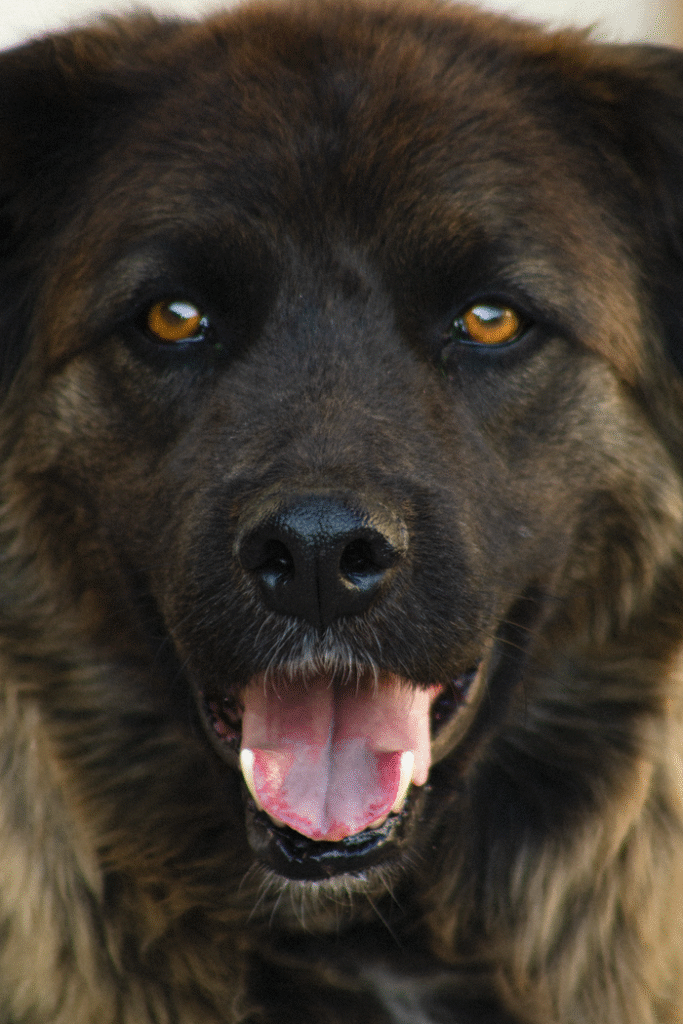

Your veterinarian reviews your dog’s radiographs during the appointment, uploads them to diagnostic software, and within seconds receives flagged areas of concern the naked eye might miss. Later that afternoon, the same practice uses AI to transcribe appointment notes, analyze lab results, and identify medication interactions—all tasks that once consumed hours of manual review.
Artificial intelligence in veterinary medicine has evolved from narrow, single-purpose tools into sophisticated multi-agent systems capable of handling complex clinical workflows. Early AI applications focused on isolated tasks like image analysis or data entry. Modern platforms, however, deploy specialized agents working together—one analyzing diagnostic images, another reviewing patient history, a third generating treatment recommendations—mimicking how veterinary care teams collaborate.
CompanAIn represents this evolution toward agentic AI in veterinary medicine, with specialized agents handling data aggregation, health analysis, and recommendation generation as an integrated system. Discover how multi-agent AI transforms veterinary care delivery.
The Current State of AI Adoption in Veterinary Medicine
According to a 2024 survey conducted by Digitail and the American Animal Hospital Association, 83.8% of veterinary professionals are familiar with AI applications, with nearly 30% incorporating AI tools into their practices on a daily or weekly basis. This adoption rate surprised researchers, indicating veterinarians are early technology adopters rather than resistant to innovation.
The most common current applications include diagnostic imaging analysis, where AI examines radiographs, CT scans, ultrasounds, and MRI studies to detect abnormalities; medical record management through automated SOAP note generation and documentation assistance; laboratory diagnostics with AI-powered analysis of cytology, blood, and urine samples; and administrative automation for appointment scheduling, inventory management, and client communication.
Research from Cornell University’s AI in Veterinary Medicine initiative demonstrates AI applications spanning from diagnosing inflammatory bowel disease versus lymphoma in cats, to predicting catastrophic limb breakdowns in Thoroughbred racehorses.
Limitations of Single-Purpose AI Models
Most AI tools currently deployed in veterinary practices operate as isolated systems solving specific problems. A radiograph analysis tool identifies potential fractures but cannot access patient history showing previous injuries to the same location. Documentation software transcribes appointments but doesn’t correlate findings with lab results from the previous week. Diagnostic algorithms suggest differential diagnoses without knowing what medications the patient currently takes.
This Fragmentation Creates Inefficiencies
Veterinarians must manually integrate information from multiple AI systems, essentially performing the synthesis work that AI should facilitate. A dog presenting with lethargy requires reviewing diagnostic imaging AI results, cross-referencing laboratory AI interpretations, checking medication interaction software, and consulting treatment protocol databases—each system operating independently.
Single-model limitations become especially apparent in complex cases. When a horse shows subtle performance decline, the cause might emerge from patterns across months of veterinary visits, farrier notes, training logs, and competition results. No single AI model examines all these data sources simultaneously to identify correlations invisible in isolation.
The Multi-Agent Architecture Advantage
Multi-agent AI systems deploy specialized agents, each an expert in specific domains, working collaboratively toward comprehensive solutions. This architecture mirrors how veterinary practices actually function—specialists in different areas consulting together on complex cases rather than working in isolation.
CompanAIn’s approach exemplifies this architecture. Rather than a single model trying to do everything, specialized agents handle distinct jobs simultaneously—organizing uploaded records through Smart Upload, maintaining longitudinal context through Living Memory technology, surfacing patterns through the Living Health Timeline, and translating findings into actionable next steps through the Action Plan feature.
What makes the multi-agent approach clinically meaningful is that these agents don’t operate in sequence—they operate in parallel, continuously cross-referencing data streams that single-purpose tools never connect. When a horse’s hematocrit declines from 43% to 38% to 33% over two years—each reading technically “normal”—the system identifies the decline across time, suggesting developing anemia before clinical signs become obvious. No single snapshot catches that. Longitudinal pattern recognition across a Living Health Timeline does.
Licensed veterinarians review critical findings and low-confidence assessments, ensuring AI insights align with clinical expertise. This human-in-the-loop approach combines computational pattern recognition with professional medical judgment—neither operating alone, but each enhancing the other.
Real-World Applications Across Specialties
According to research published in the American Journal of Veterinary Research, AI applications in veterinary medicine now span multiple domains:
- Diagnostic imaging—Deep learning models analyze X-rays, ultrasounds, and CT scans to detect fractures, tumors, and inflammatory diseases
- Predictive epidemiology—AI models assess outbreak risks by examining animal movement data, weather trends, and historical disease events
- Personalized treatment planning—Therapy tailored to individual health profiles rather than population-level protocols
- Behavioural monitoring—Computer vision analyzes animal movement patterns for early disease detection
Oncology applications demonstrate AI’s potential for precision medicine. Machine learning algorithms analyze live cancer cell samples to predict anticancer drug efficacy for individual dogs with lymphoma, according to research presented at Cornell’s Symposium on Artificial Intelligence in Veterinary Medicine. This moves beyond population-level treatment protocols toward truly individualized therapy selection.
Livestock management benefits from AI’s scalability. Computer vision systems monitor thousands of dairy cows continuously, identifying subtle changes in gait, feeding behavior, or posture suggesting illness before production drops. Integration with IoT sensors allows real-time health monitoring across large operations impossible through manual observation.
Emergency medicine utilizes AI for triage and rapid diagnosis. Systems analyze presenting symptoms against vast databases of clinical cases, generating differential diagnoses and flagging life-threatening conditions requiring immediate intervention. Learn more about how AI supports emergency veterinary care.
Addressing Data Challenges and Biases
AI model quality depends heavily on training data quality. Biased datasets produce biased models—a critical concern in veterinary medicine, where data primarily comes from clients able to afford advanced care, potentially excluding segments of animal populations.
Species diversity compounds data challenges. Physiological variation across species means AI models trained on dogs don’t reliably transfer to cats, much less horses, cattle, or exotic species. Developing species-specific models requires substantial data from each animal type—a resource-intensive undertaking.
Data fragmentation across different practice management systems, diagnostic laboratories, and veterinary hospitals prevents the large-scale data aggregation needed for robust AI training. Most veterinary data remains siloed, inaccessible for model development even when anonymized and appropriately used.
CompanAIn addresses these challenges through document analysis technology that works regardless of source format, extracting structured data from PDFs, images, emails, and handwritten notes. This approach doesn’t require standardized data formats; it instead adapts to how veterinary information actually exists in practice.
Ethical Considerations and Veterinarian Roles
The American Veterinary Medical Association emphasizes that AI should enhance veterinary practice, not replace veterinarian judgment. Concerns include data security when AI tools continuously train on practice data, accuracy and reliability of AI-generated recommendations, liability questions when AI assists in clinical decisions, and maintaining the veterinarian-client-patient relationship despite technological mediation.
AI excels at pattern recognition across large datasets but cannot replace clinical intuition, hands-on physical examination skills, nuanced client communication, or ethical decision-making in complex cases. The goal isn’t AI replacing veterinarians—it’s AI handling data analysis and documentation, freeing veterinarians to focus on medicine and client relationships.
Survey data reveals 36.9% of veterinary professionals remain skeptical of AI, citing concerns about system reliability (70.3%), data security (53.9%), and lack of training (42.9%). Addressing these concerns requires transparent AI development, clear data policies, comprehensive training programs, and demonstrated value in clinical practice.
The Future: Integrated Intelligence
The trajectory points toward increasingly sophisticated multi-agent systems operating seamlessly within veterinary workflows. Future developments include real-time health monitoring through integration with wearable sensors and IoT devices, predictive health modeling identifying disease risk before clinical signs appear, automated image analysis across all diagnostic modalities, and natural language interfaces allowing conversational interaction with AI systems.
Edge computing enables AI processing locally rather than in cloud servers, reducing latency and making real-time decisions feasible even in areas with limited connectivity—critical for rural large animal practices and emergency situations.
Explainable AI addresses the “black box” problem where AI recommendations lack transparent reasoning. Veterinarians need to understand why AI suggests specific diagnoses or treatments, not just receive unexplained conclusions. Future systems will provide clear rationales for their recommendations, showing which data points and patterns drove their analysis.
Collaboration across veterinary medicine, computer science, data science, and the animal health industry will accelerate AI advancement. Cornell’s research initiative exemplifies this interdisciplinary approach, combining veterinary expertise with computational resources.
Practical Implementation Considerations
The shift from single-purpose AI tools to multi-agent systems isn’t just a technical upgrade—it’s a fundamental change in what veterinary care can look like between clinic visits. Static records become living timelines. Isolated data points become patterns. Reactive care becomes genuinely proactive.
CompanAIn’s agentic AI is built specifically for this gap—the weeks between appointments where subtle changes accumulate unnoticed, where context gets lost between practitioners, and where the information that would change a clinical decision exists somewhere in a folder nobody has time to review. The platform handles data security with the same rigor the veterinary profession demands, keeping sensitive patient records protected while making them accessible to the care team that needs them.
Whether you’re a pet owner trying to ask better questions at your next appointment or a veterinary practice looking to deliver more informed care, the infrastructure for intelligent health monitoring already exists. Contact CompanAIn to learn how multi-agent AI can work for your patients.
Frequently Asked Questions
What is artificial intelligence in veterinary medicine?
AI in veterinary medicine refers to computer systems performing tasks that typically require clinical expertise—analyzing diagnostic images, interpreting lab results, identifying health patterns across records, and supporting clinical decision-making. Modern platforms have evolved from narrow single-purpose tools into multi-agent systems where specialized agents collaborate on complex patient data simultaneously.
How do multi-agent AI systems differ from single AI models?
Single models solve one isolated problem at a time—analyzing one radiograph, transcribing one appointment. Multi-agent systems run specialized agents in parallel across different data streams, cross-referencing findings that single models never connect. The result is pattern recognition across months or years of health data rather than snapshots from individual visits.
Is AI replacing veterinarians?
No. AI handles data analysis, pattern recognition, and documentation—tasks that consume time without requiring clinical judgment. Physical examination, nuanced client communication, and complex ethical decisions remain entirely in veterinary hands. The goal is freeing veterinarians to focus on medicine by handling the data burden around it.
What are the main applications of AI in veterinary practice currently?
Current applications include diagnostic imaging analysis, automated medical record documentation, laboratory result interpretation, predictive epidemiology for disease outbreak modeling, and longitudinal health monitoring that tracks individual patient trends over time rather than evaluating each visit in isolation.
How does CompanAIn's agentic AI work?
CompanAIn’s platform deploys specialized agents that work simultaneously across a patient’s health data—organizing uploaded records through Smart Upload, maintaining longitudinal context through Living Memory technology, and surfacing patterns through the Living Health Timeline. Licensed veterinarians review critical findings, ensuring computational pattern recognition and clinical expertise work together rather than independently.
What challenges does AI face in veterinary medicine?
Key challenges include data fragmentation across different practice systems, species diversity requiring separate models for dogs, cats, horses, and other animals, datasets that skew toward patients from higher-income households, and maintaining appropriate human oversight of AI-generated recommendations. Data security remains a critical consideration—sensitive patient records require the same protection from AI platforms as from any clinical system.