
That gray muzzle wasn’t there six months ago. Your dog hesitates before jumping onto the couch—a pause that lasts just a beat too long. Your cat sleeps through dinnertime, something unthinkable a year earlier. These small moments mark transitions pet parents dread but can’t avoid: your companion is growing older.
Senior pets need different care than their younger selves, yet many owners struggle to know when aging becomes a health concern requiring intervention. This comprehensive guide answers the most pressing questions about senior pet care, from recognizing age milestones to managing common health challenges.
Tracking subtle changes matters more than you realize. Discover how CompanAIn’s AI-powered health monitoring identifies early warning signs before they become visible, transforming how you support your aging companion.
When Does My Pet Become a Senior?
Age classification depends primarily on species and size rather than following a universal timeline.
For Dogs: Research published in Frontiers in Veterinary Science suggests dogs aged seven to eleven years should be considered senior, while those twelve years and older enter geriatric status. Size dramatically affects this timeline. Small breeds reach senior status around ten to twelve years old. Medium breeds become seniors between eight and nine years. Large and giant breeds enter their golden years around six to seven years old.
For Cats: The American Association of Feline Practitioners classifies cats aged seven to ten years as mature adults, those eleven to fourteen years as seniors, and cats fifteen years and older as geriatric. Most veterinarians begin senior wellness protocols around age seven for cats.
How Often Should Senior Pets Visit the Veterinarian?
Biannual wellness examinations—every six months—represent the gold standard for senior pet healthcare according to the American Animal Hospital Association. Pets age roughly five to seven times faster than humans. Waiting twelve months between visits for a senior pet equates to a human skipping doctor appointments for five to seven years.
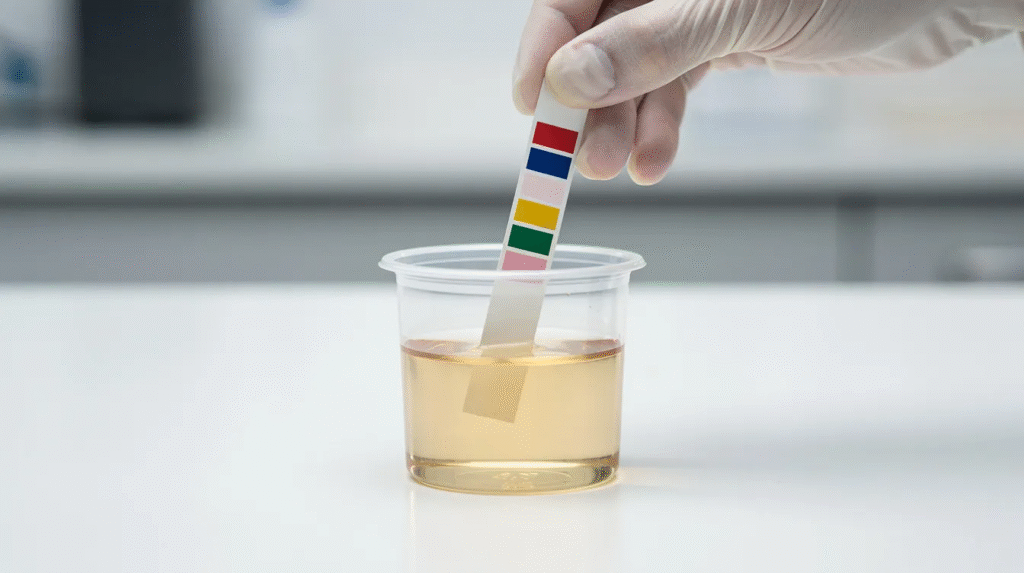
During these twice-yearly visits, veterinarians conduct comprehensive examinations. Blood panels assess kidney and liver function, complete blood counts screen for infections, and urinalysis detects early kidney disease. Thyroid testing checks for hyperthyroidism in cats and hypothyroidism in dogs.
What Are the Most Common Health Problems in Senior Pets?
Osteoarthritis: Between eighty and ninety percent of senior pets develop some degree of arthritis. This degenerative joint disease primarily impacts weight-bearing joints—hips, elbows, knees, and shoulders. Signs include reluctance to climb stairs, difficulty rising after rest, and reduced interest in play.
Kidney Disease: Chronic kidney disease affects over twenty percent of cats according to veterinary research. Symptoms include increased thirst and urination, decreased appetite, weight loss, and lethargy. Early detection through blood work allows intervention before irreversible damage occurs.
Cancer: Cancer represents one of the leading causes of death in both senior dogs and cats. Warning signs include lumps or bumps, unexplained weight loss, changes in appetite, and difficulty breathing.
Dental Disease: Dental disease affects over eighty percent of cats older than five years. Left untreated, oral infections cause pain and systemic health problems affecting the heart, liver, and kidneys.
Cognitive Dysfunction: Research shows approximately eighty percent of cats fifteen years and older exhibit cognitive decline symptoms. This condition causes disorientation, disrupted sleep patterns, house soiling, and personality changes.
Diabetes: Diabetes occurs most commonly in middle-aged and senior pets. Symptoms include excessive thirst, increased urination, increased appetite despite weight loss, and lethargy.
How Can I Tell If My Senior Pet Is in Pain?
Pets instinctively hide discomfort—an evolutionary adaptation that protected wild ancestors from predators.
Watch for decreased activity levels, reluctance to jump or climb stairs, sleeping more than usual, and social withdrawal. Movement changes include limping, stiffness after rest, and difficulty lying down or standing up. Cats with arthritis may stop grooming hard-to-reach areas, developing matted coats. Unusual crying, whimpering, or excessive nighttime vocalization may indicate pain, though many pets suffer silently.
How to Tell Normal Aging From a Medical Problem (What Actually Requires Action)
Not every change in an aging pet signals disease—but some changes should never be dismissed as “just getting old.” Veterinarians prioritize pattern, speed, and clustering of symptoms, not age alone.
Typically normal aging changes (monitor closely):
- Gradual reduction in stamina over months
- Sleeping longer but still engaging when awake
- Mild stiffness that improves with movement
- Slower response to cues without confusion
These changes are expected when they remain stable, slow, and isolated.
Changes that warrant veterinary evaluation:
- Sudden behavior shifts (days to weeks), not gradual ones
- Loss of function, such as difficulty standing, jumping, or using stairs
- Appetite or drinking changes lasting more than a few days
- Nighttime restlessness, pacing, or vocalization
- House soiling in previously trained pets
- Weight loss, even with normal eating
- Withdrawal or reduced interaction with family
Veterinarians are especially concerned when multiple changes appear together—for example, reduced activity plus appetite loss, or increased thirst combined with weight loss. These patterns often indicate pain, metabolic disease, kidney dysfunction, or cognitive decline rather than normal aging.
A practical rule: If a new change interferes with daily function, worsens over time, or appears alongside another symptom, it deserves evaluation—regardless of age.
Tracking when changes start, how often they occur, and whether they progress provides critical context your veterinarian can act on quickly.
AI-powered monitoring systems like CompanAIn track these subtle behavioral shifts, identifying patterns humans might dismiss as “normal aging.” The platform’s specialized agents analyze activity levels, sleep patterns, and daily routines, flagging concerning changes before they become obvious.
Should I Change My Senior Pet's Diet?
Nutritional needs evolve as metabolism slows and health conditions emerge.
Senior pets typically need fewer calories due to decreased activity. Weight gain strains compromised joints and increases risks for diabetes and heart disease. Look for foods containing glucosamine, chondroitin, and EPA and DHA omega-3 fatty acids. Research shows omega-3s provide anti-inflammatory benefits supporting joint health.
Senior pets need high-quality, easily digestible protein to maintain muscle mass. Pets with kidney disease, diabetes, or heart disease often benefit from prescription therapeutic diets formulated for their specific conditions.
How Do I Keep My Senior Pet Comfortable at Home?
Install pet ramps or stairs to help arthritic animals access furniture and vehicles. Place non-slip rugs on slippery floors. Orthopedic memory foam beds cushion aching joints. Position food and water bowls at comfortable heights. For cats, provide low-entry litter boxes on every floor of multi-level homes.
Senior pets struggle regulating body temperature. Provide warm resting areas away from drafts. Heated pet beds soothe arthritic joints during cold weather.
Can Senior Pets Still Exercise?
Regular physical activity remains crucial throughout life, though intensity should adjust to capability.
Low-impact activities like swimming provide cardiovascular benefits without stressing compromised joints. Short, frequent walks maintain mobility better than occasional long excursions. Puzzle toys, training sessions, and interactive play keep minds sharp.
CompanAIn’s activity tracking reveals patterns invisible during casual observation. The platform quantifies daily movement, identifies concerning decreases, and helps veterinarians assess whether exercise programs appropriately balance activity with joint protection.
What Blood Work Do Senior Pets Need?
Complete blood counts evaluate red blood cells, white blood cells, and platelets, identifying anemia and infections. Chemistry panels assess organ function including kidneys, liver, and pancreas, catching diseases during early stages. Urinalysis examines urine concentration and presence of blood cells, bacteria, or protein. Thyroid testing screens for hyperthyroidism in cats and hypothyroidism in dogs.
Veterinarians typically recommend wellness blood work every six months for senior pets.
How Do I Know When Quality of Life Is Declining?
This represents the most difficult assessment pet parents face.
Consider pain management effectiveness, appetite and interest in food, mobility and ability to reach essential areas independently. Assess whether your pet engages with family and shows interest in formerly enjoyed activities. Track the ratio of comfortable days to difficult ones. When bad days outnumber good days despite optimal medical management, quality of life has likely declined.
CompanAIn’s comprehensive health timelines provide invaluable perspective. The platform’s longitudinal data shows whether your pet is experiencing gradual decline or accelerating deterioration, offering objective activity metrics and symptom frequencies spanning months or years.
Can AI Really Help Manage My Senior Pet's Health?
Traditional veterinary care operates on six-month snapshots—your veterinarian examines your pet twice yearly but remains blind to what happens between visits. You describe symptoms from memory, inevitably missing subtle patterns.
CompanAIn’s multi-agent AI system fills these gaps by continuously tracking health indicators and identifying concerning trends before they become emergencies.
The Health Analyzer Agent identifies correlations between dietary changes, medication adjustments, activity levels, and symptom emergence. It flags concerning trends—declining activity indicating worsening arthritis, increased thirst suggesting kidney disease, or sleep disruptions signaling pain.
The Recommendation Engine suggests when to schedule veterinary visits, whether treatments are working, and what questions to ask during appointments. The platform generates comprehensive reports showing exact symptom frequencies, medication response patterns, and health trajectories over time.
CompanAIn remembers everything—every supplement tried, every diet change, every symptom cluster. When new problems emerge, the platform recalls what worked previously. For senior pets requiring complex medication regimens and multiple specialist consultations, this integrated monitoring transforms overwhelming management into systematic, data-driven care.
Ready to stop guessing about your senior pet’s health? Explore how CompanAIn’s AI agents provide personalized monitoring tailored to your aging companion’s unique needs.