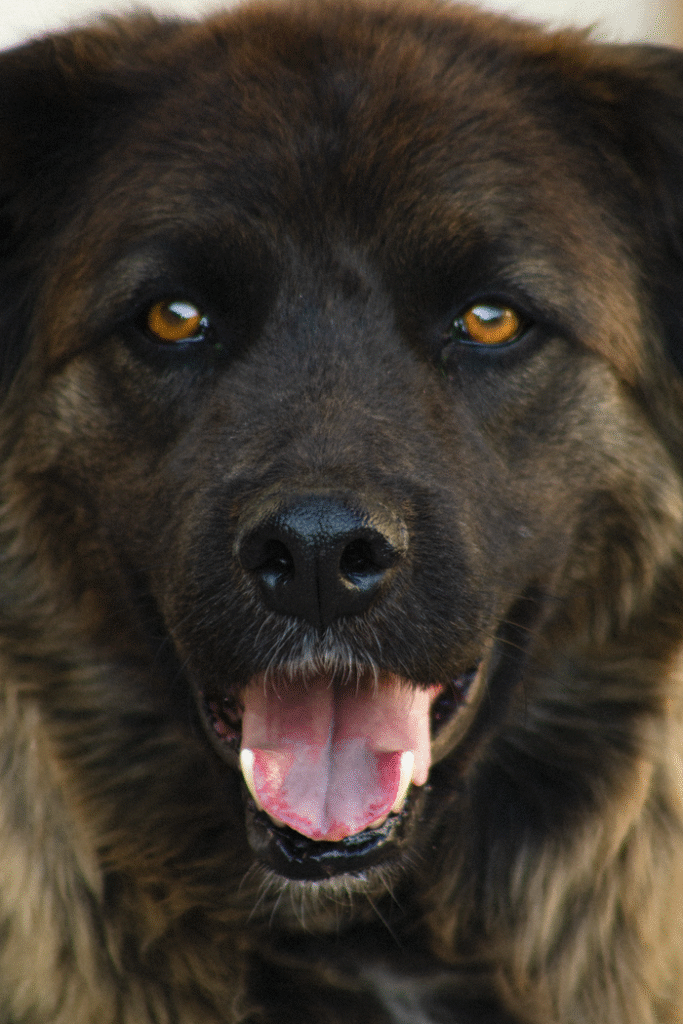

Saturday morning, your dog bounds out the back door as usual. Twenty minutes later, she trots back in favoring her left rear leg. You watch her walk. Something is off. She puts weight on it, but not quite right. By afternoon it looks a little better, so you let it go. By Monday it’s worse.
This is how most hind limb lameness presents: not dramatically, but incrementally. A dog limping on a back leg is easy to underestimate because dogs compensate well and owners want to believe it’s minor. The problem is that the conditions most commonly driving that limp are degenerative by nature. Every week without an accurate diagnosis is a week the joint continues to break down.
Catching these problems early, before secondary arthritis advances or surgical windows narrow, requires more than a single examination. That’s where CompanAIn brings something different to the table. By organizing a dog’s complete health and mobility history into a continuously updated Living Health Timeline, CompanAIn’s agentic AI gives veterinarians the context they need when lameness appears rather than leaving them to reconstruct history from memory mid-appointment. If your dog’s records aren’t yet consolidated into one place, this is the moment to change that.
Why the Back Legs Are Different
Hind limb lameness behaves differently than front leg lameness, both in how it looks and in what typically causes it. According to the Merck Veterinary Manual, a dog with hind limb lameness will typically drop its head when bearing weight on the affected rear leg, in contrast to the head-raising pattern seen with front leg pain. This subtlety is one reason back-leg limping often goes unnoticed longer.
The hind limbs also carry different biomechanical loads than the front. The stifle joint (knee), hip, and lumbosacral spine all feed into how a dog distributes weight across its hindquarters. A problem at any one of those points can produce limping that looks similar on the surface but requires completely different treatment.
Sudden versus gradual onset matters enormously. VCA Animal Hospitals distinguishes between acute lameness, which appears rapidly after an injury or event, and chronic lameness, which develops progressively over weeks or months. This distinction shapes the entire diagnostic approach and urgency of care.
The Most Common Causes of Hind Limb Lameness
Cranial Cruciate Ligament Disease
Cranial cruciate ligament (CCL) disease is the single most common orthopedic problem in dogs. According to the American Veterinary Medical Association, roughly 5 to 10% of Labrador Retrievers alone will rupture a cruciate ligament in their lifetime. The condition affects 3 to 5% of the overall dog population and is responsible for more hind limb lameness referrals than any other diagnosis.
Unlike the traumatic ACL injuries seen in human athletes, canine CCL disease is primarily degenerative. The ligament weakens over months or years before it tears, which means partial ruptures are common before complete failure occurs. According to the University of Florida College of Veterinary Medicine, 30 to 50% of dogs that rupture one CCL will rupture the other within one to two years.
Breeds at elevated risk include Rottweilers, Labradors, Newfoundlands, Mastiffs, Saint Bernards, and Staffordshire Terriers. Obesity, early neutering in large breeds, and poor physical conditioning all accelerate ligament degeneration.
Hip Dysplasia
Hip dysplasia is an abnormal development of the hip’s ball-and-socket joint, producing instability that leads to progressive osteoarthritis over time. It is predominantly a disease of large and giant breeds, with German Shepherds, Golden Retrievers, Labrador Retrievers, Great Danes, and Saint Bernards among the most commonly affected, notes VCA Animal Hospitals.
What makes hip dysplasia difficult to manage is its timeline. Early structural changes begin in puppyhood, but many dogs show no clinical signs until significant arthritis has already developed. Owners often notice a characteristic “bunny-hop” gait, reluctance to rise from rest, stiffness after exercise, or visible muscle wasting over the hindquarters. These signs do not reliably reflect disease severity. A dog with significant radiographic changes can appear relatively comfortable, while another with mild X-ray findings may show pronounced lameness.
Luxating Patella
Patellar luxation occurs when the kneecap slips out of its groove in the femur. It is most common in small breeds such as Chihuahuas, Pomeranians, and Yorkshire Terriers, though large breeds can also be affected. The condition ranges from occasional skipping or intermittent three-legged hopping that self-resolves, to persistent lameness requiring surgical correction.
Grade I and II luxations often go unnoticed by owners for extended periods. Grade III and IV cases cause continuous discomfort and progressive joint damage that worsens without intervention.
Why Subjective Observation Misses What AI Can See
Research published in the American Journal of Veterinary Research found that even with standardized scoring systems, interobserver reliability in visual lameness assessment is inconsistent, and subtle gait asymmetries frequently go undetected without objective tools. A dog can compensate meaningfully across multiple limbs simultaneously, masking the severity of the primary problem.
The clinical consequence is significant. A dog who appears to be “weight-bearing but off” may be redistributing load across the spine and contralateral limb in ways that accelerate degeneration elsewhere. What looks like a minor limp at a single appointment can represent a compensation pattern that has been building for months.
What Objective Gait Data Measures
Today’s Veterinary Practice notes that objective gait analysis technologies now allow veterinarians to quantify characteristics that visual assessment cannot reliably capture, including peak vertical forces, limb loading and unloading rates, and stride symmetry indices. These metrics can detect subtle lameness at grades that human observation routinely misses.
AI applied to this data does more than measure: it identifies which combination of signals, across which timeframe, points toward a specific diagnosis. The distinction between orthopedic and neurological lameness is a practical example. Both can produce similar-looking hind limb deficits, but the pattern of weight redistribution, proprioceptive response, and gait symmetry differs in ways that a multi-agent system cross-referencing clinical notes, owner observations, and exam findings can flag before imaging confirms it.
Where Owner Documentation Becomes Clinical Data
Owners observe their dogs daily. Veterinarians see them for fifteen minutes every few months. That gap is where early lameness information disappears.
What owners notice but rarely frame as clinical data:
- A dog that stopped jumping onto furniture six months ago
- Reluctance to use stairs that developed gradually rather than suddenly
- A shift in sleeping position, consistently favoring one side
- Reduced enthusiasm for walks that the owner attributed to age
Each of these reads as unremarkableon its own. Viewed alongside a breed predisposition to CCL disease and a vet note about mild stiffness from the prior year, they form a timeline that changes the diagnostic picture entirely. Multi-agent AI organizes these streams together rather than evaluating each in isolation, surfacing patterns neither the owner nor veterinarian would have connected across separate visits.
How CompanAIn Helps Veterinarians Assess Mobility Over Time
A single lameness exam answers the question of what is happening today. CompanAIn shows what has been happening for the past three years and why today’s finding matters.
Through Smart Upload, veterinary records, orthopedic exam notes, radiograph reports, and physical therapy documentation can all be submitted in any format and organized into a single, searchable record. The Living Health Timeline makes visible what would otherwise require manually combing through years of paper files.
Gait and Mobility Trends Across Visits
Consider a five-year-old Labrador whose veterinarian noted mild stiffness after exercise at age three, documented a subtle gait change at a four-year wellness visit, and is now presenting with overt hind limb lameness. Those three data points, spread across different appointments and possibly different clinics, tell a coherent story about early CCL degeneration progressing toward rupture. Isolated, they each look manageable. Together, they indicate a dog whose surgical window may already be narrowing.
CompanAIn’s agentic AI analyzes findings across a dog’s full documented history, identifying whether current mobility concerns represent a new acute event or the continuation of a pattern that has been building. For breeds with known orthopedic predispositions, this kind of proactive review is part of responsible longitudinal care.
Connecting Weight, Activity, and Joint Health
Body condition, exercise history, and joint health are deeply interconnected in dogs with orthopedic risk. A dog whose records show gradual weight gain over two years, reduced activity level, and a breed predisposition to CCL disease presents a very different risk profile than a dog with the same current lameness complaint but a stable weight and active history.
CompanAIn’s Living Memory technology retains this context across years of data, so the Vet-Ready AI Summary a veterinarian reviews at an orthopedic appointment reflects not just today’s complaint but the full trajectory of the dog’s mobility and physical condition. That depth of information supports more precise decisions about when to recommend imaging, when to pursue surgical consultation, and when conservative management is appropriate.
Supporting Rehabilitation and Recovery
Hind limb lameness rarely resolves with a single treatment. CCL repair requires months of structured rehabilitation. Hip dysplasia management involves ongoing adjustments to medication, exercise protocols, and weight targets. Patellar luxation repair needs careful monitoring for recheck milestones.
CompanAIn helps owners and veterinary teams keep that follow-through organized over time. Post-surgical notes, physical therapy progress, and recheck findings all feed into the Living Health Timeline, creating a clear record of what has been tried, how the dog responded, and what comes next.
When to Seek Urgent Care
Most hind limb lameness warrants a veterinary appointment within a day or two. Some situations require same-day or emergency evaluation:
- Complete non-weight bearing on a back leg following an acute event
- Visible swelling, deformity, or an audible pop at the time of injury
- Sudden hindquarter weakness or dragging of one or both rear legs
- Paralysis or loss of bladder and bowel control alongside lameness
- Severe pain responses including crying, guarding, or aggression when the leg is touched
A dog that suddenly cannot use both rear legs may have ruptured both CCLs simultaneously or may have a spinal emergency. Both require immediate veterinary assessment.
Building the Mobility Record Your Dog Deserves
A dog limping on a back leg is never a problem to wait out indefinitely. The orthopedic and neurological conditions driving hind limb lameness are progressive, and the best outcomes consistently belong to dogs whose problems are caught, documented, and addressed before degeneration becomes severe.
The veterinary teams best positioned to catch those problems early are the ones who can see the full picture: every prior mobility note, every radiograph, every body condition score, organized and analyzed alongside the problem in front of them today.
Contact CompanAIn today to start building the Living Health Timeline that keeps your dog moving well through every stage of life.
Frequently Asked Questions
Should I take my dog to the vet for limping on a back leg, or wait and see?
Any limp that persists beyond 24 to 48 hours warrants a veterinary call at minimum. Hind limb lameness that shows no improvement with rest, or that worsens over days, should be evaluated in person. Complete non-weight-bearing or acute-onset lameness following an injury should be seen the same day. Dogs compensate well and often mask pain, so apparent improvement does not always mean the underlying problem has resolved.
What is the most common cause of sudden back leg limping in dogs?
CCL disease is the most common cause of acute non-weight-bearing hind limb lameness in dogs. The ligament typically degenerates gradually before tearing, meaning the rupture can appear sudden even though the underlying process has been developing for months. Large breeds, overweight dogs, and certain predisposed breeds such as Rottweilers and Labradors face the highest risk.
Can hip dysplasia cause a dog to limp on one back leg?
Yes. Hip dysplasia most often causes bilateral hind end weakness and stiffness, but lameness can be more pronounced on one side depending on which hip is more severely affected. Dogs may shift weight to compensate, which can eventually create secondary problems in the less-affected leg. Radiographic screening in at-risk breeds before clinical signs appear offers the best opportunity for early management.
How is CCL disease different in dogs compared to ACL injury in people?
In people, ACL injuries are usually traumatic, occurring during athletic activity in an otherwise healthy knee ligament. In dogs, CCL disease is primarily degenerative. The ligament weakens progressively due to genetic, conformational, hormonal, and immune factors before it tears. This means many dogs with CCL disease did not sustain a single identifiable injury, which is why owners are often surprised by a diagnosis with no obvious precipitating event.
What does CompanAIn do for a dog with hind limb lameness?
CompanAIn organizes all prior veterinary records, orthopedic findings, imaging reports, and physical therapy notes into a single Living Health Timeline. At each appointment, the veterinary team reviews a complete picture of how the dog’s mobility has changed over time, rather than working from a single visit in isolation. For chronic and progressive conditions like hip dysplasia and CCL disease, that longitudinal view is what enables earlier intervention and better-informed treatment decisions.