
If you’ve noticed a cloudy appearance in your dog’s eyes, you’re not alone. A dog’s eye cloudy appearance can present as a white or blue haze within or on the outer surface of the eye. Cloudy eyes in dogs are one of the most common reasons pet owners visit their veterinarian with eye-related concerns. The good news? Many causes are benign. The challenge? Some aren’t—and telling the difference requires professional evaluation. Cloudy eyes in dogs can be caused by changes in the cornea, the lens, or other internal parts of the eye. Cloudy eyes should be evaluated by a veterinarian to distinguish between benign changes and sight-threatening conditions.
Quick Answers: Should I Worry About My Dog’s Cloudy Eyes?
Cloudy eyes are common in dogs and can signal anything from normal aging to a painful condition requiring urgent care. Understanding when to act quickly versus when to schedule a routine appointment can make all the difference in protecting your dog’s vision.
Any new, rapidly worsening, or painful cloudiness needs same-day veterinary attention. Signs of pain include squinting, pawing at the eye, redness, discharge, or your dog keeping the eye shut. If you’re trying to sort out whether this belongs in the emergency category, CompanAIn’s dog emergency symptoms guide is a useful starting point.
Here are the main causes of cloudy eyes in dogs:
- Nuclear sclerosis (age-related lens hardening)
- Cataracts (protein deposits blocking light)
- Corneal ulcers and scars
- Glaucoma (increased pressure inside the eye)
- Anterior uveitis (internal inflammation)
- Dry eye or keratoconjunctivitis sicca (KCS)
- Corneal dystrophy (inherited fat or mineral deposits)
Usually not an emergency:
- Older dogs with slow-developing, uniform bluish haze in both eyes
- No obvious signs of pain or discomfort
- Dog navigating normally without bumping into objects
Possible emergency:
- Sudden cloudiness developing within hours
- Red, swollen, or bulging eye
- Dog squinting or holding the eye completely shut
- Visible blood inside the eye
Cloudy eyes can occur in both young and old dogs, but the likely causes differ significantly by age. A puppy with sudden cloudiness has a very different diagnostic list than a senior dog’s eyes gradually turning blue over months.
Only a veterinary exam—including eye pressure checks, tear tests, and stains—can reliably distinguish benign from serious causes. Don’t rely on photos or guesswork, though CompanAIn’s dog symptom checker can help you organize what changed and when before your appointment.
What Does “Cloudy Eyes in Dogs” Actually Look Like?
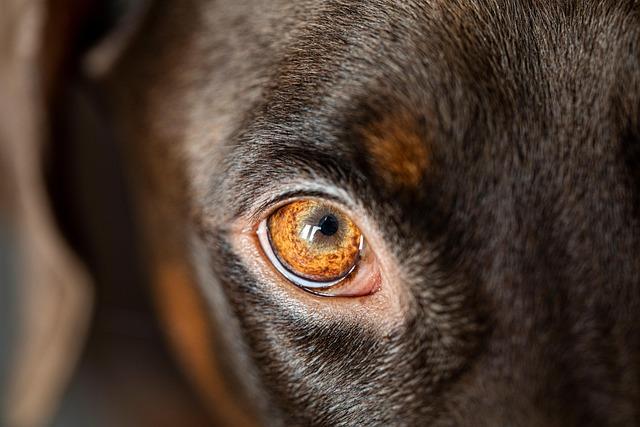
When veterinarians describe a dog’s eye as cloudy, they’re referring to any loss of the normal glass-clear appearance, often called a dog’s cloudy eyes. The cloudiness can appear white, gray, blue, or milky depending on which structure is affected and what’s causing the problem.
What you might see varies considerably:
- An all-over bluish haze affecting the entire lens area
- A dense white spot or milky patch within the pupil
- Patchy gray areas on the surface of the eye
- A foggy cornea that hides the iris details beneath
- Crystalline or snowflake-like patterns in the lens
Cloudiness can affect one eye or both eyes. A slow, uniform blue haze in both eyes often raises the question of age-related lens change versus cataracts, which is why the ACVO comparison of cataracts and nuclear sclerosis is so often useful in practice.
Here’s a useful general rule: if you can’t see into the eye because of cloudiness, in many cases the dog also can’t see well out of it. Nuclear sclerosis is a key exception—despite the visible haze, most dogs retain functional vision.
Taking video or close-up photos, without flash if possible, can be extremely helpful to show your veterinarian what you’re observing at home, especially if the cloudiness seems to fluctuate.
Cloudy eyes may appear suddenly or gradually over time.
What Causes Cloudy Eyes in Dogs?
Cloudiness can originate from three main structures: the lens, the cornea, and internal fluids or tissues within the eye. Identifying the source is the first step in determining the underlying cause.
Lens-related causes:
- Nuclear sclerosis
- Cataracts
- Lens luxation
Cornea-related causes:
- Corneal diseases, which can disrupt the cornea’s water balance and lead to cloudiness or a bluish appearance
- Corneal ulcers from trauma or infection (bacterial or viral infections can be secondary causes). Cloudy eyes in dogs can be caused by corneal ulcers, which are injuries on the corneal surface.
- Corneal scarring from previous injuries
- Stromal corneal dystrophy, epithelial corneal dystrophy, or endothelial corneal dystrophy
- Corneal edema from endothelial degeneration or trauma
Internal eye causes:
- Glaucoma
- Anterior uveitis
- Severe dry eye (KCS) leading to corneal damage (KCS occurs when a dog does not produce enough tears to keep the eye surface lubricated)
Systemic diseases frequently show up through the eyes. Diabetes mellitus is especially important because it can drive rapid bilateral cataract formation, which makes CompanAIn’s guide to dog diabetes symptoms a natural companion resource when cloudy eyes appear alongside changes in thirst, appetite, or weight.
Multiple problems can coexist. A dog might have a cataract plus secondary glaucoma, or uveitis that later leads to cataract formation. This layering complicates both appearance and treatment.
Accurate diagnosis requires specific diagnostic tests, not just looking at the eye from across the room.
Cloudy Eyes From Lens Problems
Lens problems are among the most common reasons owners first notice cloudiness, particularly in middle-aged and senior dogs. The dog’s lens, located behind the iris and pupil, is made up of fibers and proteins that help focus light onto the retina. Over time, changes in the structure and composition of the dog’s lens can lead to conditions like nuclear sclerosis and cataracts—any opacity here directly blocks vision.
Nuclear Sclerosis (Normal Age-Related Haze)
Nuclear sclerosis is one of the most common causes of cloudy eyes in older dogs. It creates a uniform bluish-gray haze that typically appears in both eyes as the lens ages. VCA’s explainer on lenticular sclerosis in dogs and ACVO’s article on cataracts vs. nuclear sclerosis both help clarify why this normal aging change is so often mistaken for cataracts.
Unlike cataracts, nuclear sclerosis is not a true lens opacity that blocks sight completely. Vision is usually only mildly affected, and most dogs continue to function normally.
This condition requires no treatment. However, routine monitoring during wellness exams helps ensure that no concurrent problems are developing.
Cataracts
Cataracts are true opacities within the lens—white, milky, or crystalline areas that scatter and block light, leading to partial vision loss or complete blindness depending on severity.
Common causes include:
- Inherited forms in predisposed breeds
- Aging changes
- Diabetes mellitus
- Trauma to the eye
- Severe chronic uveitis
ACVO’s public page on cataracts is a strong reference here because it reflects the same major causes owners and general practitioners see most often, including the close association with diabetes in dogs.
Cataracts can progress through stages, from small early opacities to complete lens opacity. Untreated cataracts may also contribute to painful secondary problems, including inflammation and glaucoma.
Lens Luxation (Lens Out of Place)
Lens luxation occurs when the fibers anchoring the lens weaken or break, allowing the lens to slip from its normal position. This causes sudden, often painful cloudiness and can become an emergency very quickly.
Anterior lens luxation is particularly dangerous because it may rapidly raise intraocular pressure and threaten vision within hours.
Cloudy Eyes From Corneal Disease
The dog’s cornea is the clear outer layer of the eye—the “windshield” through which your dog sees. When the dog’s cornea absorbs water, scars, or accumulates deposits, it can turn blue-white or gray. Corneal diseases can cause the cornea to become cloudy or bluish.
Corneal problems often cause obvious discomfort: squinting, rubbing, excessive tearing, redness, and discharge. If discharge is part of what you’re seeing at home, CompanAIn’s dog eye discharge guide is a useful related reference.
Corneal Ulcers and Trauma
Corneal ulcers are defects or sores in the corneal surface, typically caused by scratches, foreign objects, abnormal eyelashes, chemical exposure, infections, or as a result of trauma, dry eye, or corneal dystrophy. Dogs can develop corneal ulcers from these underlying issues.
They often appear as localized cloudy or white patches, sometimes with blue haze from corneal edema around them.
Common signs include:
- Sudden squinting or excessive blinking
- Excessive tearing or mucoid discharge
- Pawing at the eye
- Light sensitivity
- Yellow or green discharge indicating infection
Corneal ulcers can cause significant pain, leading dogs to squint or paw at their eyes. In addition to the above causes, bacterial or viral infections can also lead to corneal ulcers.
Diagnosis relies on the fluorescein stain test, where dye highlights the ulcer under blue light.
Treatment typically includes antibiotic drops or ointments, pain control, and protection from rubbing. Most corneal ulcers are managed with topical pain medications and antibiotics. Deep or non-healing ulcers may require surgery and can present with severe symptoms such as extensive corneal damage, significant edema, and risk of permanent harm or blindness if not treated promptly.
Important: never use leftover steroid eye drops on an undiagnosed cloudy eye.
Corneal Scarring and Dystrophies
Corneal scars are permanent hazy or white patches left behind after healed ulcers or injuries. They’re often non-painful but can interfere with vision if centrally located.
Corneal dystrophies are inherited disorders involving deposits within the cornea. These often affect both eyes and may look dramatic despite causing little discomfort. It is important to identify any underlying corneal diseases, as addressing these conditions effectively can help manage symptoms like cloudiness and prevent further complications.
Corneal Edema and Endothelial Degeneration
Corneal edema is fluid accumulation within the cornea, creating a diffuse blue or foggy appearance. In severe cases, painful surface blisters can form.
Potential causes include age-related endothelial degeneration, glaucoma, uveitis, and previous trauma or surgery.
Dry Eye (Keratoconjunctivitis Sicca, KCS)
Dry eye results from inadequate tear production, leading to chronic irritation, thick discharge, corneal scarring, and eventually cloudiness.
Key signs include:
- Sticky, ropy discharge
- Red, irritated eyes
- Frequent blinking
- Dull, rough-looking corneal surface
- Progressive gray or brown opacity
Diagnosis relies on the Schirmer tear test. Long-term treatment typically involves tear-stimulating medication, lubrication, and monitoring.
Cloudy Eyes From Internal Eye Disease (Glaucoma, Uveitis, and More)
When internal structures and fluids in the dog’s eye become abnormal, the eye can appear smoky, milky, or blue—often accompanied by significant pain. The anatomy of the dog’s eye includes several layers, with the middle layer known as the uvea, which consists of the iris, ciliary body, and choroid. Inflammatory conditions like uveitis affect this middle layer and can lead to cloudiness or other visual changes.
Uveitis is inflammation inside the eye that can cause cloudiness and requires specific treatments aimed at the underlying cause. It can threaten the health of the dog’s retina, which is crucial for vision, and if left untreated, may result in vision loss or blindness. Glaucoma and other internal eye diseases can also impact the dog’s retina, making early diagnosis and treatment essential for preserving sight.
Anterior uveitis is inflammation of the structures in the front portion of the eye, which can cause cloudiness and discomfort. Recognizing and addressing these internal eye diseases promptly is important for maintaining your dog’s eye health.
Glaucoma (High Pressure Inside the Eye)
Glaucoma, often referred to as dogs glaucoma, occurs when intraocular pressure rises to dangerous levels, damaging the optic nerve and retina. Increased intraocular pressure is a primary cause of glaucoma, making rapid medical intervention necessary to prevent blindness. ACVO’s public material on glaucoma is helpful because it aligns closely with what owners notice first: cloudiness, pain, redness, and vision loss.
Visual signs include:
- Cloudy or bluish cornea
- Enlarged or bulging eye
- Dilated, sluggish pupil
- Visible eye pain such as squinting, rubbing, lethargy, or hiding
- If a dog’s eye appears cloudy and enlarged or painful, it may indicate glaucoma, which is a serious condition.
Glaucoma is an ocular emergency. Do not wait to see if it improves.
Anterior Uveitis (Inflammation Inside the Eye)
Anterior uveitis involves inflammation of the iris and ciliary body, creating a cloudy or hazy appearance inside the eye.
Common signs include:
- Redness around the iris
- Small or irregular pupil
- Squinting and excessive tearing
- Dull, smoky appearance to the eye’s interior
- Light sensitivity
Causes include trauma, immune-mediated disease, systemic infections, and cancer. Uncontrolled uveitis can lead to cataracts, glaucoma, retinal detachment, and permanent vision loss.
Cloudy Eyes in Young vs. Old Dogs
Age strongly influences the list of likely diagnoses and how urgently each should be addressed.
Young dogs and puppies may be more likely to have:
- Hereditary cataracts
- Corneal ulcers from trauma
- Infections
- Immune-mediated conditions
- Developmental anomalies
Middle-aged to senior dogs more often develop:
- Nuclear sclerosis
- Age-related cataracts
- Dry eye
- Chronic glaucoma
- Corneal endothelial degeneration
- Uveitis related to systemic disease
Cloudy eyes in dogs often indicate age-related changes such as nuclear sclerosis, especially in a senior dog’s eyes, but can also signal serious conditions like cataracts, glaucoma, corneal ulcers, or dry eye.
A sudden cloudy eye in a young dog is always abnormal. A slow bluish haze in an older or senior dog’s eyes may be a normal aging change—but it still deserves examination.
How Veterinarians Diagnose the Cause of Cloudy Eyes
Veterinarians assess cloudy eyes systematically by performing a thorough physical examination, checking vision, corneal integrity, tear production, pressure, and internal eye structures. Veterinarians will examine your dog’s eyes closely and may use specialized tests to determine the cause of the cloudiness.
Common in-clinic tests include:
- Schirmer tear test for dry eye
- Fluorescein stain for ulcers and scratches
- Tonometry for glaucoma or low pressure from uveitis
- Ophthalmoscopy to examine the lens, retina, and optic nerve
Veterinarians may use specialized tests to diagnose the cause of cloudy eyes in dogs. In veterinary medicine, professional evaluation is essential to ensure accurate diagnosis and appropriate treatment.
Complex cases may need referral to a veterinary ophthalmologist for ocular ultrasound, gonioscopy, electroretinography, or surgical planning. When owners are trying to decide whether a complicated eye diagnosis warrants another review, CompanAIn’s vet second opinion guide can be a practical next step.
Treatment Options for Cloudy Eyes in Dogs
Treatment depends entirely on the cause, duration, whether the dog still has vision, and whether the eye is painful. Treatment of cloudy eyes in dogs depends on the underlying cause, so a proper diagnosis by a professional in veterinary medicine is crucial. Prompt veterinary care is essential to avoid permanent damage and vision loss when a dog’s eye is cloudy.
Medications may include topical antibiotics for infections and corneal ulcers, anti-inflammatories, lubricating eye drops, or other therapies as prescribed by your veterinarian.
Conditions That Usually Don’t Need Active Treatment
Nuclear sclerosis generally requires only monitoring. Some mild corneal scars and dystrophies also need observation rather than active treatment unless they begin causing ulcers or discomfort.
Medical Treatments
Depending on the cause, medications may include:
- Antibiotic drops or ointments
- Anti-inflammatory drops when appropriate
- Pressure-lowering drugs
- Tear-stimulating medications
- Pain relief
Surgical and Advanced Procedures
Some cloudy-eye conditions require surgery, including cataract extraction, glaucoma procedures, corneal grafting, or eye removal for a blind painful eye. ACVO’s cataract resources, including cataracts and learn more about the eye lens, are often helpful for owners weighing those options.
Addressing Vision Problems in Dogs with Cloudy Eyes
When a dog develops a cloudy appearance in one or both eyes, it’s more than just a cosmetic change—it can signal underlying conditions that may affect vision or even lead to permanent vision loss if left untreated. Addressing vision problems in dogs with cloudy eyes starts with identifying the underlying cause, as conditions like nuclear sclerosis, cataracts, corneal ulcers, and glaucoma each require different approaches to treatment and care.
A veterinary ophthalmologist is the best resource for a comprehensive eye exam and specialized diagnostic tests. These may include the fluorescein stain test to check for corneal ulcers, the Schirmer tear test to assess tear production, and other evaluations to measure intraocular pressure and examine the retina and optic nerve. Pinpointing the underlying cause of your dog’s cloudy eyes is essential for choosing the right treatment and preventing further vision impairment.
Some conditions, such as corneal dystrophy or anterior uveitis, can cause not only a cloudy appearance but also symptoms like light sensitivity, excessive tearing, and excessive blinking. Corneal dystrophy is often inherited and can lead to vision impairment if not managed, while anterior uveitis is an inflammatory condition that may cause pain and, if untreated, permanent damage to the eye.
Treatment options depend on the diagnosis. Topical and oral medications, such as antibiotic eye drops and topical anti-inflammatory medications, are commonly prescribed to address infections or inflammation. In more advanced cases, such as mature cataracts or severe glaucoma, surgical intervention—like cataract surgery—may be necessary to restore vision or prevent permanent damage. Early and proper treatment is crucial to maintaining healthy vision and preventing irreversible changes.
Regular veterinary check-ups are vital for monitoring your dog’s eye health, especially as dogs age or if they belong to breeds predisposed to certain eye conditions like corneal dystrophy or glaucoma. Dog owners should watch for signs such as cloudy eyes, changes in behavior, excessive blinking, or difficulty navigating in bright light or at night. If you notice any of these symptoms, seek immediate veterinary attention to ensure the best possible outcome for your dog’s vision.
Supporting your dog’s eye health at home can also make a difference. Providing a balanced diet rich in omega-3 fatty acids and antioxidants helps maintain healthy vision. Keeping your dog active and mentally stimulated supports overall well-being, which can indirectly benefit eye health. Always follow your veterinarian’s instructions regarding prescribed eye drops or oral medications, and never use over-the-counter remedies without professional guidance.
Breed-specific risks are important to keep in mind. For example, Boston Terriers and Cocker Spaniels are more prone to corneal dystrophy, while Beagles and Cocker Spaniels have a higher risk of developing glaucoma. Being aware of these predispositions allows dog owners to be proactive with regular veterinary check-ups and early intervention if any changes in the eyes are noticed.
In older dogs, a cloudy eye may be due to normal aging changes like nuclear sclerosis, which typically does not significantly affect vision. However, it’s essential to differentiate between benign aging changes and conditions that can cause vision loss. A veterinary ophthalmologist can help determine the underlying cause and recommend the proper treatment to preserve your dog’s sight.
Ultimately, addressing vision problems in dogs with cloudy eyes requires a comprehensive approach—prompt diagnosis, appropriate treatment, and ongoing care. By working closely with your veterinarian and staying vigilant about your dog’s eye health, you can help your dog maintain healthy vision and enjoy a happy, active life for years to come.
Differential Diagnoses: What Else Can Make a Dog’s Eye Look Cloudy?
“Cloudy” is a visual description, not a diagnosis.
Differentials include:
- Corneal ulcers, scars, edema, and dystrophies
- Nuclear sclerosis versus cataracts
- Lens luxation
- Glaucoma
- Uveitis
- Intraocular tumors
- Hyphema
- Dry eye and chronic conjunctival disease
Veterinarians narrow this list by combining appearance, onset, pain level, pupil changes, pressure readings, stain uptake, and by assessing for other symptoms that may accompany cloudy eyes in dogs. Significant discharge that is thick, yellow, green, or excessive tear production can indicate serious underlying issues with a dog’s eyes.
When Is a Cloudy Eye an Emergency?
Rapid action can mean the difference between saving and losing vision.
Emergency signs requiring same-day care include:
- Sudden onset cloudiness
- Very red or bloodshot eye
- Swollen, bulging, or enlarged globe
- Dog holding the eye completely shut
- Obvious pain
- Visible blood inside the eye
- Sudden blindness
- Recent head or eye trauma
A mild, slowly developing bluish haze in an otherwise comfortable senior dog may not be an after-hours emergency, but it still should not be ignored for long.
Home Care, Prevention, and What Owners Should Avoid
Home care can support treatment, but it never replaces diagnosis.
Safe supportive steps:
- Use an e-collar to prevent rubbing
- Gently wipe discharge with sterile saline or warm water on a clean cloth
- Use only medications prescribed for that dog’s current eye problem
- Keep follow-up appointments
- Watch for changes in comfort or vision
What to avoid:
- Human red-eye drops
- Leftover steroid drops
- Online “cloudy eye” remedies without veterinary approval
- Touching the eye directly
- Delaying care in a painful or fast-changing case
Prevention includes regular eye exams to monitor your dog’s eye health, good diabetic control when relevant, protection from debris, and breed-aware screening for inherited eye disease. Regular wellness exams can help monitor your dog’s eye health and catch any changes early. They also assist in the early detection of changes in a dog’s eyes, allowing for timely intervention.
Early recognition and prompt veterinary care remain your best tools for protecting your dog’s sight and comfort. That subtle cloudiness you noticed this morning is worth getting checked.