
Introduction
Proper feeding of horses forms the foundation of equine health, performance, and longevity. Whether you manage a competitive athlete, a beloved family horse, or a breeding operation, understanding how to feed horses correctly determines everything from energy levels and coat quality to digestive health and disease prevention.
This guide covers the nutritional requirements of horses, essential feed types including hay, pasture, and concentrates, practical feeding schedules, and solutions to common feeding challenges. The content targets horse owners, caretakers, stable managers, and equine enthusiasts who want to develop or refine their approach to equine nutrition. Getting horse feeding right prevents costly veterinary bills, supports optimal body condition, and ensures your horse thrives across different life stages and workloads.
Direct answer: Most horses require feed totaling 2–2.5% of their body weight in dry matter daily, with at least 50% of that coming from forage sources like hay or pasture. A 500-kg horse, for example, needs approximately 10-12.5 kg of total feed daily, with a minimum of 5-6 kg from forage.
By the end of this guide, you will understand:
- The six essential nutrients every horse’s diet must contain
- How to select appropriate forage and concentrate feeds for different horses
- Methods for calculating feed amounts based on horse’s body weight
- Strategies for creating consistent feeding schedules that support the horse’s digestive tract
- Practical solutions for preventing digestive upsets, weight loss, and other feeding-related problems
Understanding Horse Nutritional Fundamentals
Horses require a balance of six main nutrients: carbohydrates, protein, fats, vitamins, minerals, and water. Each nutrient plays specific roles in metabolism, tissue maintenance, energy production, and overall health. Understanding these nutritional requirements allows horse owners to select good quality feed and prevent deficiencies that compromise performance and wellbeing.
Macronutrients for Horses
Water stands as the most important nutrient for horses. Water makes up about 70-75% of a horse’s body and is essential for metabolism and body temperature control. A horse will typically drink between 10-15 gallons of water per day, depending on its size, environment, and lifestyle. Water intake increases substantially during hot weather, lactation, or intense exercise—sometimes doubling or tripling baseline requirements. Providing fresh, clean water at all times, whether the horse is stabled or in the field, is non-negotiable for maintaining a healthy horse.
Carbohydrates provide the primary energy source for horses. Structural carbohydrates—the dietary fiber found in hay, pasture, and other forage—ferment in the hindgut, producing volatile fatty acids that supply sustained energy. Nonstructural carbohydrates from grains deliver rapid digestible energy but carry increased risk of digestive upsets, laminitis, and colic when overfed. The horse’s digestive tract evolved for continuous fiber intake, making forage the cornerstone of equine diets.
Proteins and amino acids support muscle development, tissue repair, and body maintenance. Adult horses at maintenance require modest crude protein—approximately 1.2 pounds daily for a 1,000-pound horse. Protein requirements increase significantly for growing horses, lactating mares, and performance horses. Soybean meal and alfalfa hay provide excellent protein content when additional supplementation becomes necessary.
Fats deliver concentrated energy at roughly 9 Mcal per kilogram—more than double the energy content of most carbohydrates. Fat supplementation through vegetable oils or rice bran helps hard keepers maintain weight without overloading the small intestine with starch. Most horses tolerate diets containing up to 10% fat without palatability or digestive issues.
Vitamins and Minerals
Vitamins perform essential metabolic functions throughout the horse’s body. Vitamin A comes primarily from beta-carotene in fresh forage; horses without pasture access may need a vitamin supplement. Vitamin D requirements are typically met through sunlight exposure or sun-cured hay. Vitamin E serves as a critical antioxidant, with requirements around 1,000 IU daily for a 500-kg horse at moderate work. B-complex vitamins are generally synthesized by hindgut microbes when adequate forage intake exists.
Minerals require careful attention, particularly calcium intake and phosphorus balance. The calcium-to-phosphorus ratio should remain between 1:1 and 3:1 for growing horses, with 2:1 considered ideal. Excess phosphorus from heavy grain feeding interferes with calcium absorption and damages skeletal health. Sodium, potassium, and chloride losses through sweat necessitate salt supplementation—provided free choice as loose salt or blocks. Trace minerals including selenium, copper, and zinc vary regionally in forage; many horses benefit from targeted supplementation based on local soil content.
Understanding nutrient content of available feeds enables horse owners to match feed selection with horse’s requirements across different life stages and activity levels.
Essential Feed Types for Horses
Building on nutritional foundations, selecting appropriate horse feeds requires understanding the characteristics, benefits, and limitations of each feed category. Feed choices directly impact the horse’s digestive tract function, energy needs fulfillment, and long-term health.
Forage Sources
Grass hays including timothy and orchard grass provide moderate protein (8-12% crude protein) and energy suitable for many horses at maintenance or light work. Digestibility decreases as plants mature, so cutting stage significantly affects forage quality. These hays work well for adult horses, easy keepers, and horses with metabolic concerns due to lower nonstructural carbohydrate content compared to lush pasture.
Legume hays such as alfalfa and clover offer higher protein content (15-20%) and elevated calcium levels. Alfalfa hay benefits lactating mares, growing horses, and performance horses with high energy needs. However, the rich nutrient profile may cause excessive weight gain or mineral imbalances in sedentary horses. Balanced feeding often combines grass and legume hays.
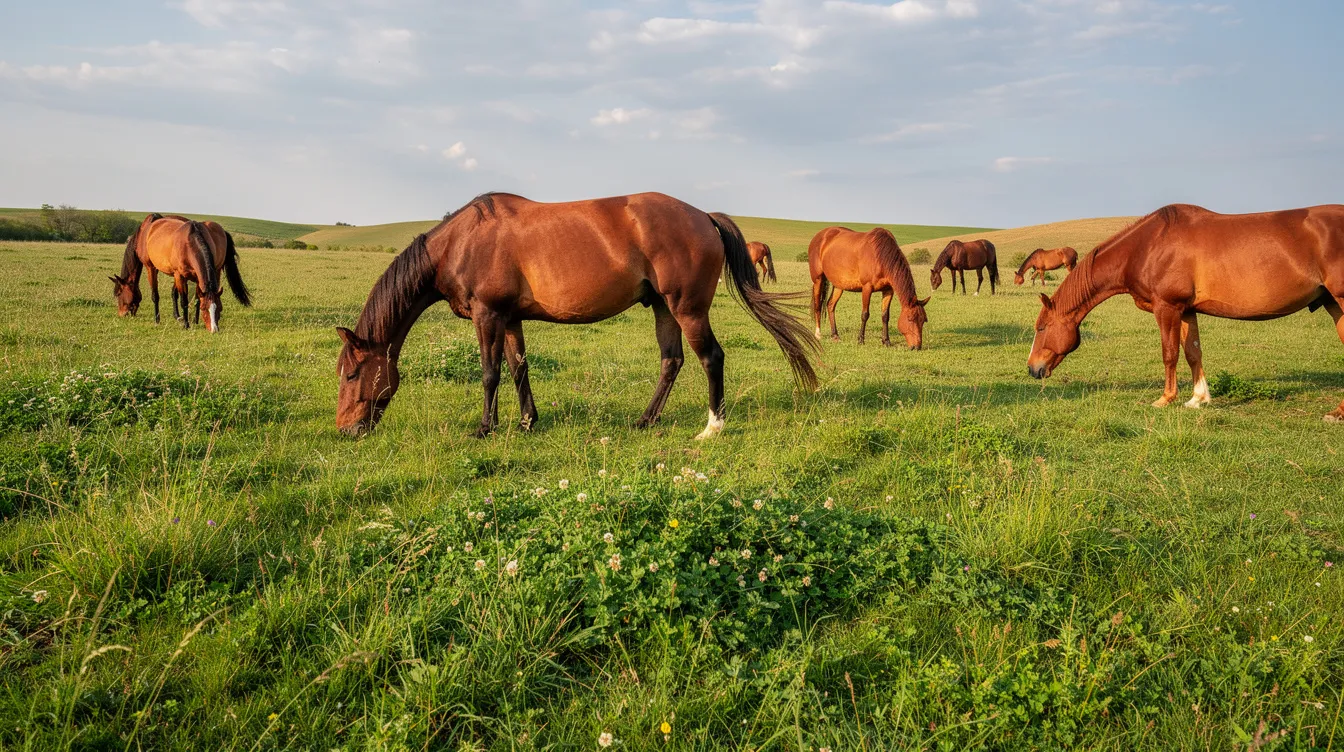
Pasture grazing provides excellent nutrition when properly managed. Good pasture provides an excellent source of nutrients and the opportunity for exercise, and should be kept free of weeds through regular mowing. A legume-grass mixture is recommended for horse pastures as it offers good nutrient supply, persistence, and durability, with ideal mixes varying by region. In intensive management areas, a general recommendation is 1 acre per horse for at least spring to autumn if not supplementing with other forages. Certain forages, such as Alsike clover and Johnson grass, should not be used for horse pastures due to their potential toxicity.
Concentrate Feeds
Grains including oats, barley, and corn provide concentrated digestible energy when forage alone cannot meet energy needs for working or growing horses. Oats remain the safest grain option due to higher fiber and lower starch density. Corn delivers very high energy but increases laminitis and colic risk if overfed. Feeding rates should limit single grain meals to no more than 0.5% of horse’s body weight to prevent digestive complications.
Commercial grain mixes and complete feeds are mixtures of grains and supplements designed to provide balanced nutrition for horses. Commercial horse feeds can be tailored to specific age or lifestyle needs, with formulations for growing horses, performance horses, seniors, and other horses with particular nutritional needs. Reading labels for crude protein, energy content, and mineral ratios helps match products to forage quality and horse’s requirements.
Concentrate feeds, which include grains like corn, oats, and barley, are fed to horses when forage alone cannot meet their energy and nutrient needs, and they are typically lower in fiber and higher in energy compared to hay or pasture.
Supplements and Additives
Ration balancers provide concentrated protein, vitamins, and minerals without excess calories. Supplements, such as ration balancers, are concentrated sources of protein, vitamins, and minerals that are typically low in calories and designed to meet the nutritional needs of horses with lower calorie requirements or those on forage-only diets. When forage intake meets energy requirements but lacks sufficient quantities of micronutrients, a ration balancer fills nutritional gaps without promoting weight gain.
Specialty feeds like beet pulp supply digestible fiber with minimal starch, making it suitable for horses prone to metabolic issues or those needing additional calories. Oil supplements add energy density and improve coat condition. Fat supplementation supports weight gain in hard keepers without the digestive risks associated with heavy grain mixtures.
When incorporating supplements, introduce new feed gradually over 7-10 days to allow hindgut microbial adaptation. Working with a qualified equine nutritionist helps prevent nutrient overages, particularly with fat-soluble vitamins and minerals like selenium where toxicity risks exist.
Practical Feeding Implementation
Translating nutritional knowledge into daily practice requires systematic approaches to calculating feed amounts, establishing schedules, and selecting appropriate feeds based on individual horse depends factors.
Daily Feeding Schedule Development
Weight-based feeding is essential; feed should be measured by weight rather than volume. Establishing consistent feeding routines prevents digestive upsets and supports optimal nutrient absorption.
- Calculate horse’s body weight using livestock scales or a weight tape measuring heart girth and body length. Accurate weight forms the basis for all feeding calculations.
- Determine forage-to-concentrate ratio based on workload. Hay is a type of forage that should make up most of a horse’s diet. A general recommended daily range for feeding horses is 2–2.5% of their body weight in dry matter, with at least 50% of that coming from forage. Horses on weight loss or restricted diets should not be fed less than 1.25% of their body weight in dry matter per day.
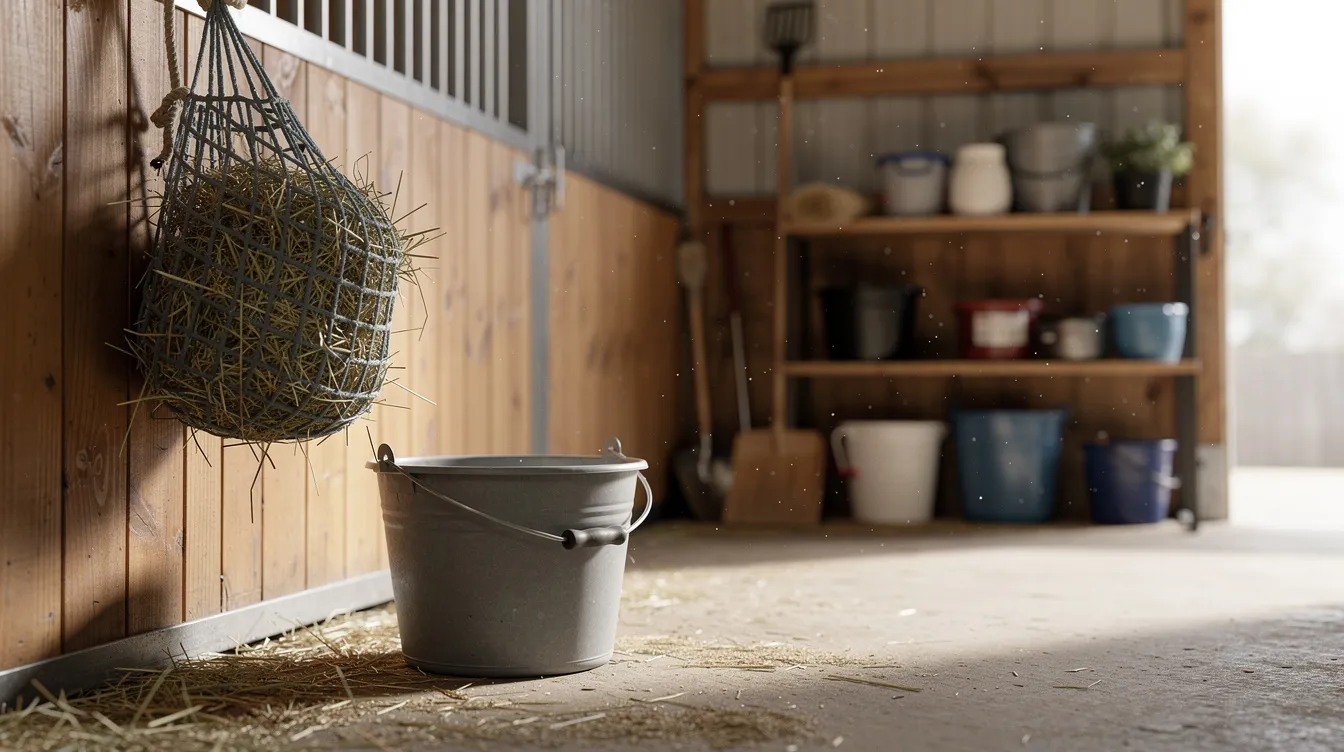
- Divide daily feed into multiple meals rather than one feeding. Horses’ stomachs are small, approximately the size of a rugby ball, which reinforces the need for frequent, small meals. Horses should ideally be fed at least twice a day on a regular schedule, with many benefiting from three or more feedings spread throughout the day to support their digestive health.
- Establish consistent feeding times and locations to support the horse’s natural digestive rhythms and reduce stress. Avoid feeding grain one hour before or one to three hours after strenuous exercise.
- Monitor body condition monthly and adjust portions based on weight changes, seasonal forage availability, and workload modifications. The theoretical maximum dry-matter intake for a horse in 24 hours is 3–3.5% of its body weight, but most horses do not need this much to avoid excessive weight gain.
Feed Type Comparison
Feed Type | Energy Level | Protein Content | Best For |
|---|---|---|---|
Timothy Hay | Moderate | 8-12% | Maintenance horses, easy keepers |
Alfalfa Hay | High | 15-20% | Working horses, lactating mares, growing horses |
Oats | High | 10-14% | Performance horses, safe grain option |
Corn | Very High | 8-10% | Hard keepers, high-energy needs |
Complete Feed | Variable | 10-16% | Balanced nutrition when forage limited |
Ration Balancer | Low | 25-35% | Horses on forage-only diets |
Selecting appropriate feeds depends on individual horse assessment. Performance horses and lactating mares typically require higher energy content and protein content from alfalfa hay and grain mix combinations. Maintenance adult horses often thrive on grass hay alone with mineral supplementation. Growing horses need elevated protein requirements met through legume hay or commercial horse feeds formulated for development. Regular dental checks are essential to ensure horses can effectively grind their forage.
Common Feeding Challenges and Solutions
Even experienced horse owners encounter feeding problems. Understanding causes and implementing evidence-based solutions prevents minor issues from becoming serious health complications.
Poor Body Condition and Weight Loss
When horses fail to maintain appropriate body condition, evaluate forage quality first—mature, stemmy hay provides less digestible energy than leafy, properly cured hay. Increase forage intake before adding concentrates. Add high-fat supplements like vegetable oil or rice bran for calorie-dense weight gain without starch overload. Ensure adequate protein requirements are met through quality hay or ration balancer supplementation. Rule out other factors including dental problems, parasites, and underlying disease. Target gradual weight gain of 0.5-1% of body weight monthly for safe results.
Digestive Issues and Colic Prevention
The horse’s digestive tract requires consistent, gradual feeding changes to function properly. To minimize gastrointestinal issues, it is important to make gradual changes to a horse’s diet, as the microbes in the horse’s intestines need time to adapt to new feed. When changing or introducing new food to a horse’s diet, it is recommended to gradually introduce the new food over a period of 5-7 days to prevent digestive upset such as colic or laminitis. Any new feed or pasture must be introduced over 7 to 14 days to allow for digestive adaptation.
Feed small, frequent meals to prevent gastric acid accumulation. Ensure free access to clean water at all times—dehydration significantly increases colic risk. Limit grain meals to prevent starch overload reaching the hindgut. Gradual dietary changes are critical to prevent colic or laminitis in horses.
Feed Refusal and Selective Eating
Horses refusing feed may indicate dental pain, respiratory problems from dusty hay, or feed spoilage. Schedule veterinary medicine evaluation for persistent appetite loss. Examine hay for mold, dust, or foreign material. Ensure clean water availability since dehydration suppresses appetite. For seniors with dental issues, consider soaked hay cubes or chopped forage. Remove spoiled feed promptly and maintain consistent feeding routines to reduce stress-related appetite changes.
Understanding these challenges helps horse owners maintain required nutrition delivery even when circumstances complicate standard feeding practices.
Conclusion and Next Steps
Proper feeding of horses requires understanding nutritional needs, selecting quality feeds appropriate for individual circumstances, and maintaining consistent management practices. The foundation of equine diets remains forage—hay or pasture—supplemented with concentrates only when energy needs exceed what forage provides. Weight-based feeding calculations, gradual diet transitions, and regular body condition monitoring form the core practices supporting a healthy horse.
Immediate action steps:
- Calculate your horse’s body weight using a weight tape measuring heart girth and body length
- Assess current forage quality and intake against the 1.5-2% body weight minimum
- Establish a consistent feeding schedule with meals divided throughout the day
- Schedule regular dental checks to ensure effective forage processing
- Monitor body condition monthly and adjust feeding accordingly
As your feeding program matures, explore related topics including seasonal pasture management, regional forage testing for nutrient content analysis, and feed cost budgeting strategies. Working with an equine nutritionist provides personalized guidance when managing horses with special requirements or health concerns.
Frequently Asked Questions
How much should I feed my horse daily?
Feed 2–2.5% of your horse’s body weight in total dry matter daily, with at least 50% from forage sources. For a 500-kg horse, this equals approximately 10-12.5 kg of total feed, including 5-6 kg minimum from hay or pasture. Adjust based on body condition, workload, and life stage. Weight-based feeding is essential; feed should be measured by weight rather than volume to ensure accurate portions.
Can horses eat only grass or hay?
Good quality forage can meet maintenance energy needs for many horses at light work. Hay is a type of forage that should make up most of a horse’s diet, consisting of grass or legumes like alfalfa. However, growing horses, lactating mares, and performance horses typically require concentrate supplements to meet elevated energy and protein requirements. Adding a ration balancer ensures micronutrient needs are met when feeding forage-only diets.
How often should horses be fed?
Horses should ideally be fed at least twice a day on a regular schedule, with many benefiting from three or more feedings spread throughout the day. The small stomach size means horses process smaller, frequent meals more effectively than large single feedings. Forage should remain available as much as possible—horses naturally graze 16-18 hours daily and should not go without roughage for extended periods.
What should I do if my horse won’t eat?
Check for dental issues first, as sharp teeth or oral pain prevents effective chewing. Examine feed quality for mold, dust, or spoilage. Ensure fresh, clean water access since dehydration reduces appetite. Evaluate for respiratory problems or systemic illness. If appetite loss persists beyond 24 hours, consult a veterinarian promptly—prolonged feed refusal may indicate serious underlying conditions.
When should I change my horse’s diet?
Adjust feed based on body condition changes, activity level modifications, seasonal forage availability, life stage transitions, and health status changes. When making changes, introduce new feed gradually over 7-14 days to allow digestive adaptation and prevent colic or laminitis. Review feeding programs when horses move between maintenance, performance, breeding, or retirement phases.