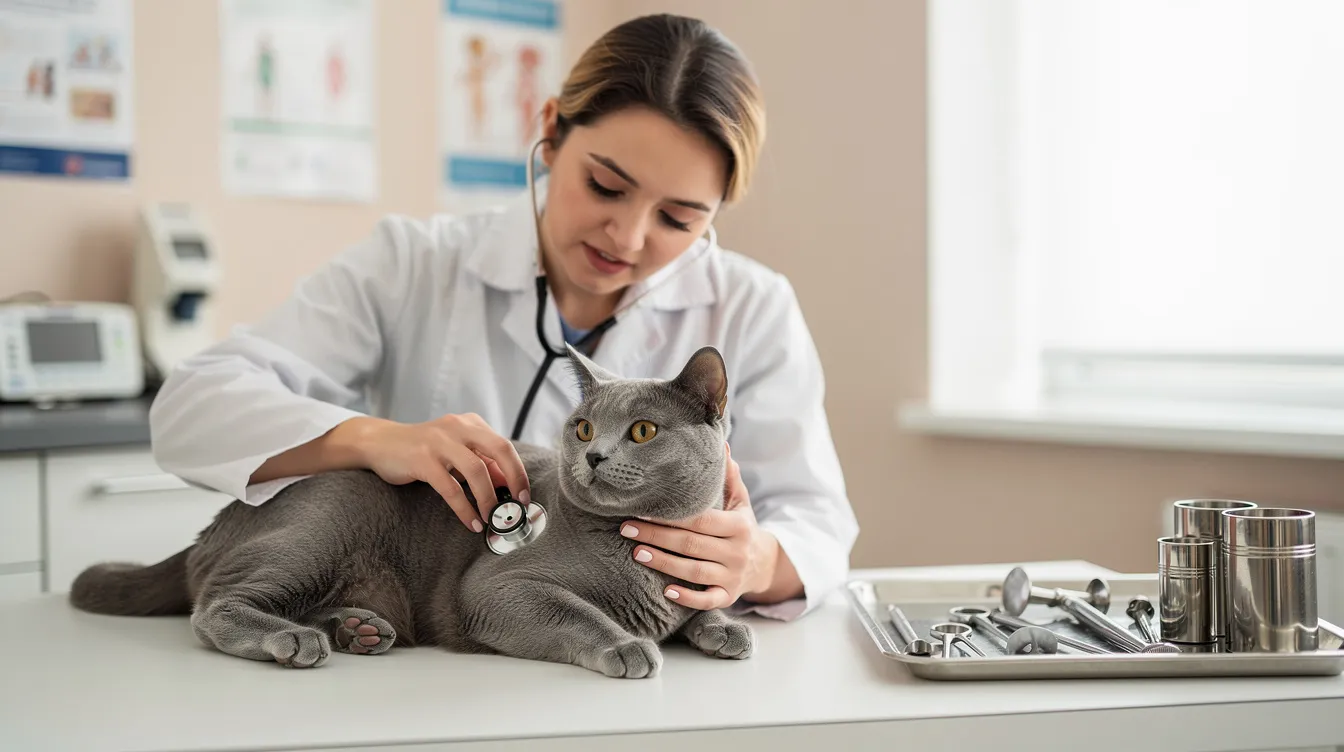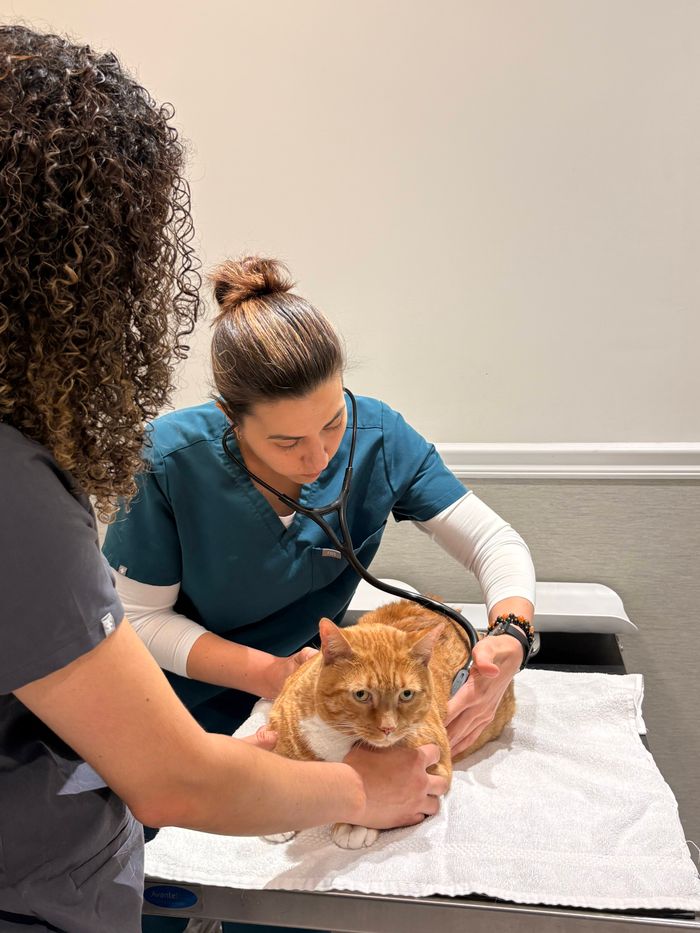

Renal failure cats cases can move slowly or become dangerous overnight. This guide explains kidney disease, kidney failure in cats, symptoms, diagnosis, treatment plans, life expectancy, and when to seek help. It does not constitute medical advice; your veterinarian must guide your cat’s treatment.
Quick Answer: When to Worry About Renal Failure in Your Cat
Sudden vomiting, collapse, not eating for 24 hours, or not urinating can signal acute renal failure or acute kidney injury. Both acute kidney failure and end stage kidney failure create immediate risk and often need a 24/7 veterinary hospital; see this acute kidney failure emergency overview.
Red-flag clinical signs:
- Repeated vomiting, diarrhea, severe lethargy, seizures
- Inability to stand, confusion, fast breathing, obvious pain
- No urine output for 12–24 hours, collapse, ammonia-like breath
If your cat is bright but drinking more, urinating more, or showing mild early signs, book a same-day or next-day visit. If your cat is collapsed, breathing fast, or having seizures, go now; emergency triage guidance from PetMD’s kidney failure resource can help frame urgency. Chronic kidney disease often starts subtly, but drinking more and peeing more still warrant a vet appointment within days.
What Do a Cat’s Kidneys Do and What Is Kidney Failure?
The cat’s kidneys are two bean-shaped organs in the abdomen. Healthy kidneys filter the cat’s blood, regulate hydration, maintain normal electrolyte balance, and control blood pressure.
Kidneys perform several jobs:
- Remove waste such as blood urea nitrogen, urea, and creatinine
- Balance sodium, potassium, phosphorus, and water
- Concentrate urine; dilute urine can suggest renal disease
- Regulate cat’s blood pressure and systemic blood flow
- Produce hormones for red blood cell production, red blood cells, and bone health
Kidney disease means kidney damage or reduced kidney function. Kidney failure, renal failure, chronic renal failure, or chronic kidney failure means kidneys lose most filtering ability, often after more than 75% of kidney tissue is impaired. Kidney failure in cats is classified into acute kidney failure, also called acute renal failure or acute kidney injury, and chronic kidney disease. The international renal interest society explains how vets separate acute and chronic patterns using history, blood tests, urine tests, and imaging in its IRIS kidney resource.
Types of Kidney Failure in Cats
Knowing whether cats kidney failure is acute or chronic changes prognosis and treating kidney failure.
- Acute renal failure develops over hours to days, often after toxin exposure, decreased blood flow, trauma, infection, obstruction, or sudden kidney injury.
- Chronic kidney failure develops gradually over months or years; kidneys gradually stop working and it is most common in older cats, senior cats, and geriatric cats.
- Owners may see “acute kidney injury (AKI),” “chronic kidney disease (CKD),” stage kidney failure, or “end stage kidney failure.”
- Some affected cats have acute kidney injury on top of chronic kidney disease, a serious mixed form.
Acute Kidney Failure (Acute Kidney Injury) in Cats
Acute kidney failure occurs suddenly, often within 24–72 hours, days, or weeks. It can be reversible if treated early and aggressively.
Causes of renal failure in cats include toxin exposure, urinary obstructions, infections, trauma, and decreased blood flow. Dangerous toxins include antifreeze, lilies and other toxic plants, rat poison, and human medications such as ibuprofen. Kidney stones, urethral blockage, bacterial infection in the urinary tract, shock, anesthetic events, or autoimmune diseases can also injure kidneys.
Symptoms of acute kidney failure in cats may include sudden onset of decreased appetite, lethargy, vomiting, diarrhea, weight loss, ammonia-like odor to the breath, painful or enlarged kidneys, little urine, seizures, or disorientation. Many cats need intravenous fluids to correct dehydration, monitoring, and sometimes hospitalization for stabilization. For intensive cases, hemodialysis may be available in specialized facilities, although it is not a cure; VCA outlines AKI treatment options. Partial recovery is possible, but some cats develop chronic kidney disease.
Chronic Kidney Disease and Chronic Kidney Failure in Cats
Chronic kidney disease is a long-term, usually irreversible progressive illness, especially after age 7–10. Chronic kidney failure refers to more advanced CKD; total kidney failure is terminal organ failure.
Risk factors include:
- Age-related degeneration
- Genetics, including polycystic kidney disease
- Chronic infections or autoimmune diseases
- High blood pressure
- Prior kidney insults
Chronic kidney failure is incurable but manageable. Cats in stage 1 and 2 kidney failure can have a long life if treated appropriately, potentially living many years on a special diet and medications. Cats in stage 3 and 4 kidney failure require aggressive treatment and management, and their life expectancy depends on symptoms and response. Cornell offers a helpful feline CKD overview.
Early Signs and Clinical Signs of Kidney Disease in Cats
Early signs are subtle and often mistaken for aging. Increased thirst, polydipsia, increased urination, polyuria, larger litter box clumps, mild weight loss, and dull coat are common because failing kidneys cannot concentrate urine.
As chronic kidney disease worsens, clinical signs include weight loss, poor appetite, bad breath, vomiting, nausea, lethargy, dehydration, and behavioral changes like confusion or restlessness. Cats with CKD experience nausea, which can lead to food aversion. High blood pressure can cause sudden blindness, dilated pupils, or behavior change. Acute kidney failure tends to look sudden and severe; chronic kidney failure usually creeps forward.
Clinical Signs of Advanced and End Stage Kidney Failure
End stage kidney failure means extremely limited kidney function and heavy toxin buildup in the bloodstream. Signs include persistent vomiting, severe muscle wasting, refusal to eat, oral ulcers, foul breath, extreme lethargy, incontinence, seizures, confusion, and abnormal walking.
Complications include anemia and uncontrolled high blood pressure, causing weakness and risk of blindness or stroke-like events. Humane euthanasia is often chosen for cats with stage 3 or 4 kidney disease when medical management can no longer keep them comfortable.
How Kidney Failure Is Diagnosed in Cats
Diagnosis combines history, exam, blood and urine tests, blood pressure, and possibly an ultrasound.
Core blood tests include blood urea nitrogen, creatinine, SDMA, phosphorus, electrolytes, and red/white blood cell counts. Urinalysis checks urine specific gravity, protein, infection, crystals, and kidney stones. Abdominal X-rays or ultrasound assess kidney size, cysts, tumors, obstruction, and kidney tissue. A kidney biopsy or aspirate is occasionally recommended, especially if cancer, infection, or unusual inflammation is suspected.
Regular monitoring through blood pressure checks and blood chemistry panels is important for managing chronic kidney disease in cats. IRIS explains CKD diagnostics and staging in its CKD staging guidelines.
Staging Chronic Kidney Disease (IRIS Stages 1–4)
Staging helps predict prognosis and guide disease management.
Stage | Typical picture |
|---|---|
1–2 | Early to moderate changes; mild lab abnormalities, thirst, urination, subtle weight loss |
3 | Moderate-to-severe azotemia; vomiting, poor appetite, weight loss |
4 | End-stage kidney failure; severe illness and reduced quality of life |
Sub-staging uses urine protein:creatinine ratio and blood pressure. Protein loss and hypertension worsen prognosis.
Treatment Options for Acute and Chronic Kidney Failure in Cats
Treatment goals differ: acute care tries to stabilize and reverse damage; chronic care aims to manage symptoms and slow decline.
Hospital care may include:
- Intravenous fluids to correct dehydration and flush toxins
- Anti-nausea drugs, anti-vomiting drugs, pain relief
- Monitoring urine output, electrolytes, phosphorus, and blood pressure
- Toxin removal, activated charcoal, possibly surgery for obstruction
For chronic kidney failure, home care may include a kidney diet, subcutaneous fluids, medications to manage blood pressure, phosphate binders, potassium supplements, appetite stimulants, vitamin injections, and tailored rechecks.
Diet and Hydration for Cats with Kidney Disease
Diet and hydration are foundational because dehydration accelerates kidney damage in cats. Preventing dehydration is essential in managing kidney disease in cats due to their compromised ability to concentrate urine.
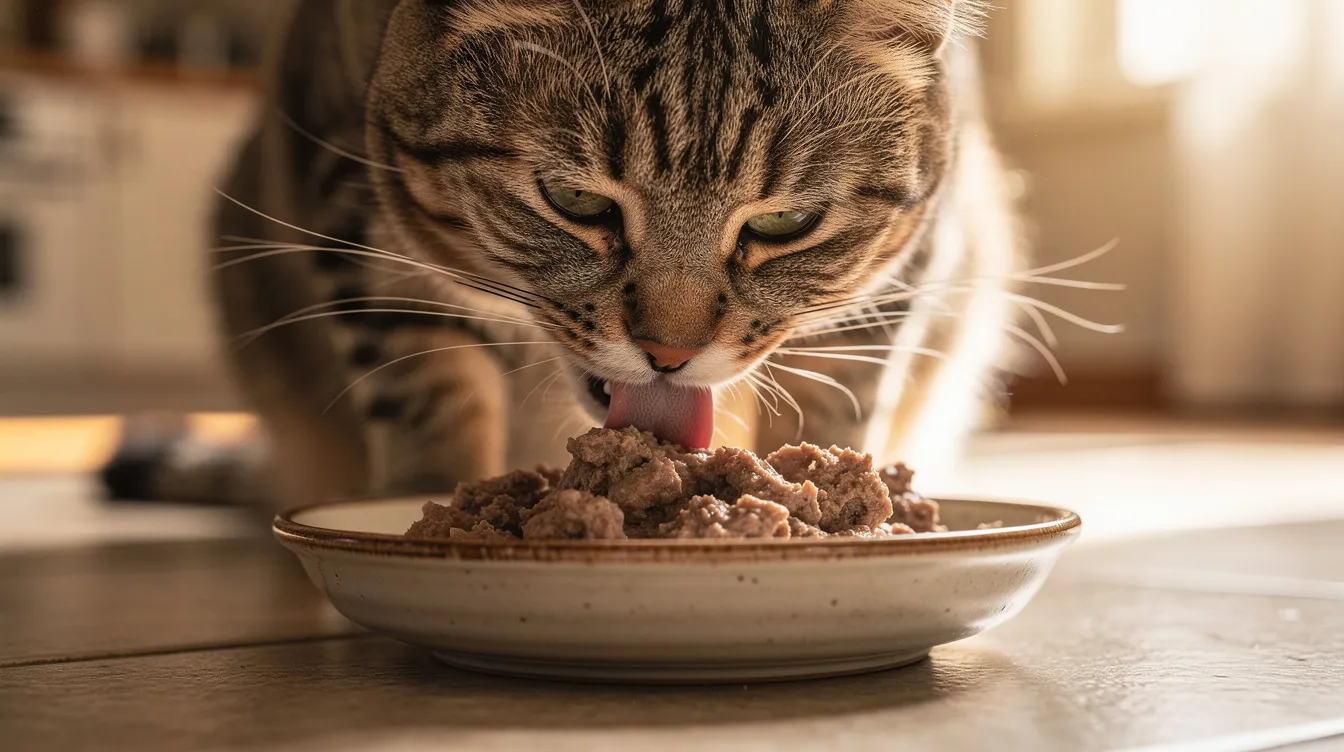
Renal diets are formulated with restricted phosphorus, controlled high-quality protein, and increased moisture to support kidney function. Therapeutic renal diets are designed to slow kidney damage and reduce toxin buildup in the bloodstream. Special therapeutic diets designed to support kidney function can help extend the life of cats with kidney failure, with those on a renal support diet living twice as long as those on a maintenance diet.
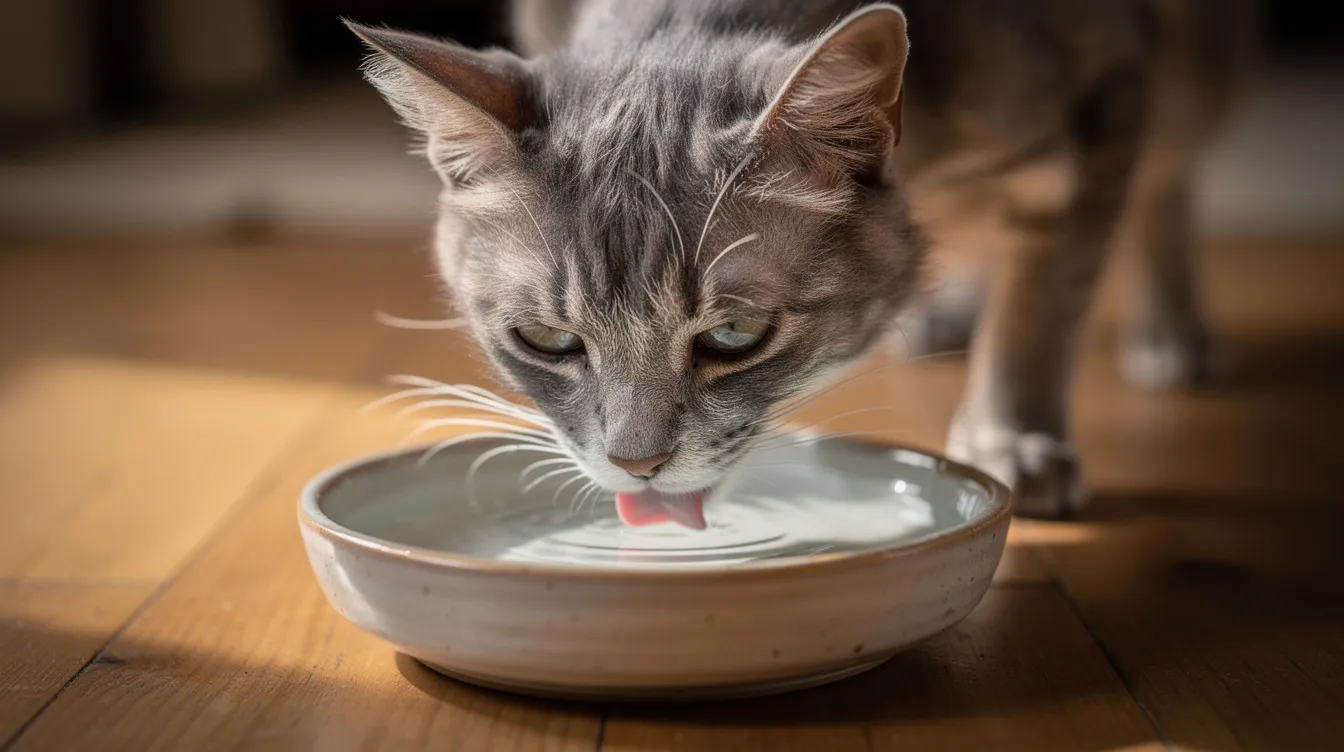
Increasing moisture intake through canned food and ensuring multiple water sources can help manage hydration in cats with kidney disease. Water fountains, tuna water, and supplements like Purina Hydra Care can help encourage cats with kidney disease to drink more water, promoting better kidney function. Introduce any carefully managed diet gradually to prevent food aversions.
Managing Complications: Blood Pressure, Anemia, and Nausea
Unmanaged complications shorten lifespan and comfort. Vets manage blood pressure with checks and medicines such as amlodipine or angiotensin receptor blockers to protect eyes, brain, and remaining kidney tissue.
Anemia occurs when kidneys make less erythropoietin. Treatment may include iron, transfusions, erythropoiesis-stimulating drugs, or molidustat; the FDA describes Varenzin-CA1 for CKD anemia. Medications such as anti-nausea drugs and appetite stimulants may be prescribed to manage symptoms associated with kidney failure in cats.
Prognosis, Life Expectancy, and Quality of Life
Life expectancy varies by stage, cause, and response. Early diagnosis and a structured management plan can significantly extend a cat’s lifespan and improve quality of life in CKD; treated early your cat’s longevity may improve. Stage 2 cats may live 2–3+ years, while advanced Stage 4 cats may have months.
Quality-of-life checks include appetite, comfort, grooming, family interaction, mobility, and litter box use. A veterinarian can help decide when palliative care or euthanasia is kindest; the Ohio State quality-of-life scale is a practical hospice-care resource.
Prevention, Early Detection, and At-Home Monitoring
Not all renal disease is preventable, but many acute injuries are. Keep lilies, antifreeze, NSAIDs, and other dangerous toxins away. Provide fresh water, maintain healthy weight, treat dental and thyroid disease, and manage blood pressure.
Screen cats over 7 yearly with blood tests and urine tests; senior cats often need twice-yearly checks. At home, track thirst, appetite, vomiting, body weight, and litter box clumps.
When to Call the Vet vs. Go to Emergency Care
Call your regular vet within 24–48 hours for gradual weight loss, increased thirst, increased urination, mild appetite decrease, or occasional vomiting in a bright cat.
Go to emergency care now for repeated vomiting, refusal to eat for 24 hours, inability to urinate, collapse, seizures, severe breathing difficulty, or signs that waste is building up in his or her body. If your cat has CKD, keep a written emergency plan. Proper treatment can protect cat’s health, reduce suffering, and preserve cat’s longevity where possible.