
Introduction
A cats upset tummy usually means a disruption in the cat’s digestive system that causes vomiting, diarrhea, poor appetite, nausea, lethargy, or changes in stool. In most cases, stomach upset is mild and short-lived, but the same common symptoms can also point to parasites, food allergies, inflammatory bowel disease, kidney disease, liver disease, a foreign body, or other underlying health conditions.
This guide covers symptoms, causes, treatment, home care, veterinary care, and prevention of feline digestive issues for cat owners. It is designed to help you decide whether your cat’s upset stomach can be monitored briefly at home or whether the cat needs a veterinarian, especially because cats are excellent at hiding illness and a prolonged lack of appetite can lead to fatty liver disease.
Cats upset tummy typically involves vomiting, diarrhea, loss of appetite, decreased appetite, poor appetite, and lethargy. Veterinary attention is needed if symptoms last longer than 24 hours, if vomiting or diarrhea is severe, if blood appears in vomit or stool, if a cat is vomiting multiple times in a day, or if a cat has not eaten in 48 hours.
You will learn how to:
- Recognize stomach issues and digestive trouble early.
- Understand common causes such as diet change, dietary indiscretion, food intolerance, intestinal parasites, infections, stress, and chronic conditions.
- Know when to seek veterinary care or go to the vet immediately.
- Provide appropriate home care for mild symptoms, including hydration and a bland diet when appropriate.
- Prevent future gastrointestinal issues through consistent feeding, safe food choices, parasite control, wellness exams, and careful diet transitions.
Understanding Feline Digestive Health
Feline digestive health refers to how well a cat’s digestive tract takes in food, breaks nutrients down, absorbs what the body needs, and eliminates waste. A cat’s upset stomach occurs when that process is disturbed, leading to vomiting, diarrhea, nausea, poor appetite, weight loss, abdominal pain, or other signs that the gastrointestinal tract is irritated or inflamed.
Cats can be particularly susceptible to digestive problems because they have a specialized carnivore digestive system, many cats have sensitive stomachs, and sudden changes in cat food can upset the cat’s system. Compared with some other pets, including dogs, cats may hide illness longer, refuse food more dangerously, and develop complications faster when they stop eating or become dehydrated.
Normal Cat Digestion
A healthy cat’s digestive system starts in the mouth, where food is torn into smaller pieces, then moves to the stomach, where acid and enzymes begin breaking down animal protein. From there, food passes through the small intestine, where most nutrients are absorbed, and then into the large intestine, where water is absorbed before stool is passed.
Normal digestion supports energy, hydration, immune function, body weight, skin, coat quality, and daily comfort. When a cat eats a balanced diet, maintains steady water intake, and has no intestinal parasites or medical conditions, the gastrointestinal tract usually works quietly in the background without vomiting, diarrhea, or appetite changes.
When Digestion Goes Wrong
Digestive upset happens when the normal process is interrupted by food, infection, parasites, stress, a foreign body, inflammation, toxins, or diseases affecting organs outside the gut. Feline gastrointestinal distress usually stems from factors such as dietary changes, foreign objects, hairballs, infections, parasites, stress, and chronic health conditions.
A cat experiences digestive trouble when the stomach or intestines become irritated, when the body cannot tolerate a food, or when an underlying cause such as inflammatory bowel disease or kidney disease affects digestion. Once normal function is disrupted, owners may see recognizable symptoms at home, including vomiting, diarrhea, reduced appetite, hiding, litter box changes, and lethargy.
Recognizing Signs of Upset Tummy in Cats
Because cats often hide discomfort, small changes can matter. If you understand what normal digestion looks like, it becomes easier to spot abnormal signs of cat stomach issues before they become serious.
Common symptoms of stomach upset in cats include vomiting, diarrhea, poor appetite, and lethargy. Other signs include nausea, licking the lips, refusal to eat, increased or decreased water intake, abdominal pain, weight loss, stool changes, and behavior that is unusual for your cat.
Immediate Symptoms
Vomiting is one of the clearest signs of stomach upset. One isolated episode may happen after eating too fast, hairballs, table scraps, or a sudden diet change, but vomiting multiple times in a day is more concerning and should prompt veterinary care immediately.
Diarrhea may be soft, loose, watery, frequent, mucus-covered, or bloody. Prolonged vomiting or diarrhea can lead to severe dehydration; therefore, access to fresh water is essential for hydration, and persistent diarrhea should not be ignored.
Loss of appetite, poor appetite, or decreased appetite is also a warning sign. Licking the lips is an early sign of nausea in cats that may precede vomiting and refusing to eat, and if a cat has not eaten in 48 hours, it is crucial to seek veterinary care immediately.
Behavioral Changes
Cats may exhibit behavioral changes such as hiding or being less active when experiencing stomach upset. A cat with digestive issues may sleep more, avoid interaction, stop grooming normally, or rest in unusual places.
Litter box habits can also change when a cat’s digestive tract is irritated. Watch for diarrhea outside the box, straining, urgency, fewer bowel movements, or repeated trips to the litter box, especially if other signs such as vomiting, lethargy, or appetite loss are present.
Emergency Warning Signs
Signs indicating a medical emergency in cats include symptoms lasting longer than 24 hours, visible blood in vomit or stool, extreme lethargy, and severe dehydration. You should also contact a vet immediately if your cat cannot keep water down, has abdominal pain, has a swollen belly, has pale or yellow gums, or may have swallowed a toxin or foreign body.
Kittens, young cats, senior cats, and cats with known medical conditions need faster evaluation because they can decline quickly. The next step is determining the likely cause, since treatment depends on whether the problem is dietary, infectious, parasitic, inflammatory, metabolic, or obstructive.
Common Causes and Treatment Approaches
Once symptoms are recognized, the main question is why the cat experiences digestive trouble. Causes range from mild dietary indiscretion to serious diseases, and the right treatment depends on identifying the underlying cause.
Common causes of stomach upset in cats include dietary changes, food allergies, and intestinal parasites. Other causes include food intolerance, food sensitivities, hairballs, infections, stress, pancreatitis, kidney disease, liver disease, gastrointestinal cancers, and a foreign body that blocks or irritates the digestive tract.
Dietary Causes and Solutions
Diet is a common cause of stomach issues, especially when a cat eats new food too quickly, gets into human foods, eats spoiled food, consumes table scraps, or reacts to a particular protein or ingredient. Cats with sensitive stomachs benefit from a consistent diet, as sudden changes can lead to gastrointestinal upset.
For mild symptoms, temporary fasting and bland diets can be effective, but persistent symptoms may indicate a need for veterinary attention. Fasting a cat experiencing mild stomach upset may be recommended, but it is important to consult a veterinarian first to avoid worsening the condition.
- Pause rich food and treats. Remove table scraps, fatty treats, dairy, and unfamiliar human foods that may be causing stomach upset.
- Ask the vet before fasting. Short fasting may help some adult cats with mild vomiting, but kittens, diabetic cats, underweight cats, and cats with chronic conditions should not be fasted without guidance.
- Protect hydration. Offer fresh water often to prevent dehydration, especially if vomiting or diarrhea is present.
- Use a bland diet when advised. A veterinarian may recommend a temporary switch to a bland diet, such as plain boiled chicken, until a cat’s symptoms subside; some plans also include white rice or a veterinary gastrointestinal diet.
- Feed small, frequent meals. Small portions are easier on the stomach than large meals.
- Return to regular cat food gradually. Mix the bland diet or new food with the old food over several days to avoid another diet change shock.
- Monitor closely. If vomiting, diarrhea, poor appetite, weight loss, or lethargy continues, the cat needs veterinary care.
Medical Conditions Comparison
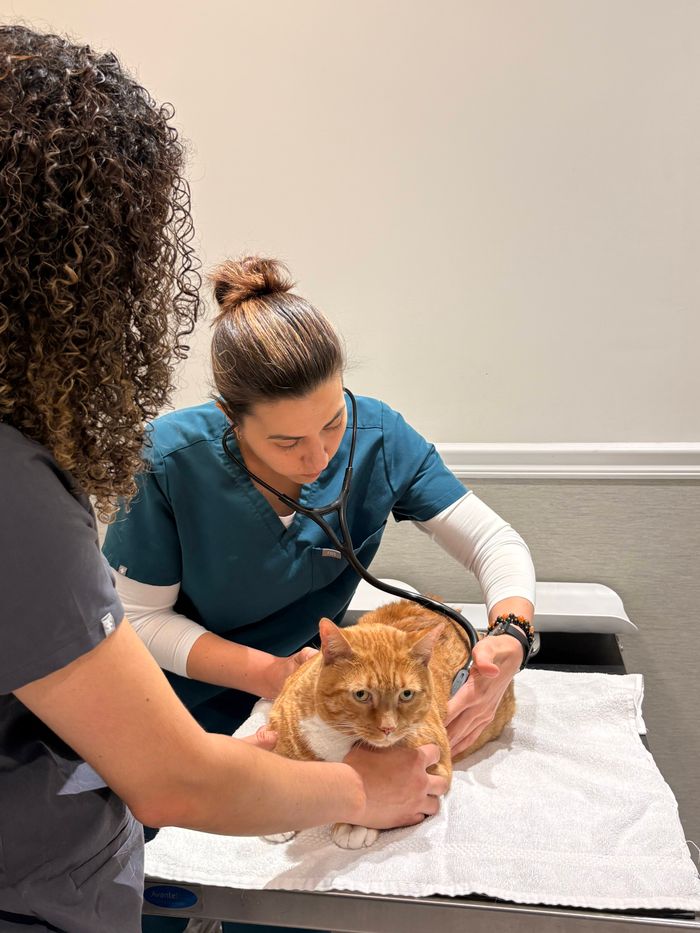
Medical causes often require a veterinarian to diagnose the problem through history, physical exam, fecal testing, bloodwork, x rays, ultrasound, or other tests. Infectious diseases, such as viral or bacterial infections, can lead to gastrointestinal upset in cats, particularly in young or unvaccinated cats.
Condition | Common symptoms | Typical causes or clues | Common treatment approaches |
|---|---|---|---|
Intestinal parasites | Diarrhea, vomiting, weight loss, poor coat, bloating, sometimes blood or mucus in stool | Roundworms, hookworms, Giardia, coccidia, and other parasites; more common in kittens, outdoor cats, and cats with exposure to infected feces | Fecal testing, deworming, parasite control, environmental cleaning, and follow-up testing |
Infections | Vomiting, diarrhea, fever, lethargy, poor appetite, dehydration | Viral, bacterial, or fungal infections; higher concern in young cats and unvaccinated cats | Fluids, supportive care, anti nausea medication, nutrition support, and targeted medication when appropriate |
Inflammatory bowel disease | Chronic vomiting, chronic diarrhea, weight loss, appetite changes, mucus or blood in stool | Inflammatory bowel disease (IBD) can cause stomach upset in cats, leading to symptoms like vomiting and diarrhea due to inflammation of the digestive tract | Diet trials, novel protein or hydrolyzed diets, medication to reduce inflammation, probiotics when appropriate, and long-term monitoring |
Kidney disease and liver disease | Vomiting, loss of appetite, weight loss, increased thirst, lethargy, nausea | Conditions such as kidney disease and liver disease can result in stomach upset in cats by causing a buildup of toxins in the body, leading to symptoms like vomiting and loss of appetite | Bloodwork, urine testing, fluids, prescription diet, anti nausea medication, organ-specific treatment, and ongoing veterinary care |
Foreign body or obstruction | Repeated vomiting, abdominal pain, no appetite, constipation or diarrhea, distress | String, toys, bones, fabric, plants, or other swallowed objects | X rays, ultrasound, fluids, pain control, endoscopy, or surgery depending on severity |
Other chronic conditions | Recurring vomiting or diarrhea, weight loss, poor appetite, progressive weakness | Pancreatitis, hyperthyroidism, gastrointestinal cancers, metabolic diseases, and other causes | Disease-specific diagnostics and treatment, sometimes lifelong management |
Symptoms of gastrointestinal distress in cats may require lifelong management if chronic conditions like inflammatory bowel disease or kidney disease are present. This is why recurring “minor” stomach issues should not be dismissed if they keep returning.
Treatment Protocols
Treatment depends on the underlying cause. Mild diet-related stomach upset may improve with vet-approved fasting, fresh water, small meals, and a bland diet, while parasites, infections, inflammatory bowel disease, kidney disease, liver disease, gastrointestinal cancers, or a foreign body require specific medical treatment.
A veterinarian may treat digestive issues with fluids to prevent dehydration, anti nausea medication, dewormers, antibiotics when indicated, pain control, prescription cat food, diet trials, probiotics, or medication for chronic inflammation. If imaging shows a foreign body, surgery or endoscopy may be needed.
Home care has limits. If symptoms persist, worsen, or return repeatedly, the next challenge is not only choosing treatment but also getting the cat to accept medication, food changes, and follow-up care.
Common Challenges and Solutions
Managing a cat’s upset stomach can be difficult because cats may refuse food, resist medication, hide symptoms, or react poorly to sudden changes. The safest approach is to keep care simple, consistent, and guided by a veterinarian when symptoms are more than mild.
The biggest challenges are giving prescribed treatment correctly, changing the cat’s diet without causing more digestive problems, and recognizing when home care is no longer enough. These are especially important for kittens, senior cats, and cats with underlying health conditions.
Getting Cats to Take Medication
If a veterinarian prescribes medication, ask whether it can be given as a flavored liquid, chew, capsule, compounded formula, or transdermal preparation. Some cats accept pills in soft treats, while others need a pill dispenser or a small amount of strong-smelling food approved by the vet.
Do not give human medications without veterinary approval. Human medications, including some antacids and pain relievers, can be dangerous for cats because cats metabolize many drugs differently from people and dogs.
Dietary Transitions
A safe diet transition helps prevent a new food from triggering stomach upset. Introducing new food gradually is crucial for cats with sensitive stomachs to avoid exacerbating digestive issues.
A common method is to mix mostly old food with a small amount of new food for the first few days, then slowly increase the new food while decreasing the old food over 5–7 days or longer. For cats with food allergies, food sensitivities, or food intolerance, a veterinarian may recommend a strict diet trial with no table scraps, flavored medications, or unapproved treats.
When Home Care Isn’t Working
Home care is only appropriate for mild symptoms in an otherwise stable cat. If a cat is vomiting multiple times in a day or has not eaten in 48 hours, it is crucial to seek veterinary care immediately.
You should also seek veterinary attention if symptoms last longer than 24 hours, if blood appears in vomit or stool, if severe dehydration develops, if extreme lethargy appears, or if abdominal pain is present. Persistent symptoms can mean the problem is not simple dietary indiscretion but a medical condition that needs diagnostics and targeted treatment.
Prevention and Long-term Management
Preventing stomach issues starts with consistency. Feeding cats a balanced diet and avoiding sudden changes in their food can help prevent stomach issues, and a high-quality diet is essential for maintaining digestive health in cats, particularly for those with sensitive stomachs.
To reduce future gastrointestinal issues:
- Feed a consistent, balanced, high-quality cat food appropriate for the cat’s age and health.
- Introduce every new food gradually, especially for cats with sensitive stomachs.
- Avoid sudden changes in food, treats, feeding schedule, or protein source.
- Keep houseplants, human food, table scraps, string, toys, and other tempting items out of reach to minimize the risk of stomach issues in cats.
- Maintain parasite prevention and treat intestinal parasites promptly when found.
- Groom regularly to reduce hairball-related digestive trouble.
- Provide clean fresh water every day to support water intake and hydration.
- Reduce stress with predictable routines, safe hiding areas, clean litter boxes, and environmental enrichment.
- Track vomiting, diarrhea, appetite, stool changes, and weight loss so patterns are easier to report to the vet.
Regular wellness exams and testing can help catch medical conditions, diseases, and internal parasites early, improving treatment outcomes. Taking cats to the veterinarian at least yearly is recommended to promote good digestive health and prevent potential stomach issues; senior cats or cats with chronic conditions may need more frequent visits.
Long-term management may include prescription diets, novel protein diets, hydrolyzed diets, lower phosphorus diets for kidney disease, medication, probiotics, or periodic bloodwork. Cats with inflammatory bowel disease, kidney disease, liver disease, gastrointestinal cancers, or other chronic conditions may need lifelong monitoring and treatment to keep the cat’s digestive health stable.
Frequently Asked Questions
How long does cat upset tummy last?
Mild stomach upset in cats may improve within 24–48 hours with vet-approved home care, fresh water, and a bland diet. If vomiting, diarrhea, poor appetite, or lethargy lasts longer than 24 hours, or if the cat is worsening, contact a veterinarian.
Can I give my cat human antacids?
Do not give human antacids or other human medications unless a veterinarian specifically approves the drug and dose. Some human medications are unsafe for cats, and the wrong treatment can delay care for kidney disease, liver disease, a foreign body, parasites, or inflammatory bowel disease.
What foods should I avoid?
Avoid fatty foods, dairy, spoiled food, table scraps, and toxic human foods such as onions, garlic, chocolate, alcohol, grapes, and raisins. If your cat has a sensitive stomach, food allergies, or food intolerance, avoid sudden changes and introduce any new food slowly.
When is it an emergency?
It is an emergency if symptoms last longer than 24 hours, blood is visible in vomit or stool, extreme lethargy occurs, severe dehydration appears, or the cat has abdominal pain. Seek veterinary care immediately if a cat is vomiting multiple times in a day or has not eaten in 48 hours.
How can I prevent future episodes?
Feed a balanced, high-quality diet, avoid sudden diet change, keep human foods and houseplants out of reach, maintain parasite prevention, and schedule yearly wellness exams. Cats with sensitive stomachs often do best with consistent cat food, gradual transitions, and early veterinary care when digestive issues recur.
Why is my cat licking the lips and not eating?
Licking the lips is an early sign of nausea in cats that may appear before vomiting or refusing to eat. If lip licking is followed by vomiting, diarrhea, poor appetite, hiding, or lethargy, monitor closely and contact a vet if symptoms persist or worsen.
What is the best bland diet for a cat’s upset stomach?
A veterinarian may recommend plain boiled chicken or a veterinary gastrointestinal diet for short-term feeding until symptoms improve. White rice is sometimes used, but cats are obligate carnivores, so bland diet choices should be temporary and guided by a vet.
Are hairballs a common cause of cat stomach issues?
Hairballs can cause vomiting or stomach upset, especially in long-haired cats or cats that groom heavily. Frequent vomiting should not be assumed to be “just hairballs” because parasites, food sensitivities, inflammatory bowel disease, kidney disease, and other causes can look similar.
Can stress cause gastrointestinal issues in cats?
Yes, stress can contribute to vomiting, diarrhea, poor appetite, and litter box changes. Sudden changes in routine, new pets, travel, conflict with other cats, or environmental disruption can affect the cat’s digestive system.
What tests might a vet recommend for digestive problems?
A veterinarian may recommend fecal testing for parasites, bloodwork for kidney disease and liver disease, urine testing, x rays, ultrasound, diet trials, or additional gastrointestinal tract testing. The choice depends on the cat’s symptoms, age, history, and whether the digestive problems are mild, severe, acute, or chronic.