
Introduction
Cats get worms by ingesting parasite eggs from contaminated soil, sand, feces, infected prey, or infected fleas, and kittens can contract worms through their mother’s milk during nursing. The main routes are environmental contamination, prey consumption, flea ingestion, and maternal transmission.
This guide explains how roundworms, tapeworms, hookworms, and other intestinal parasites move from the environment or another host into a cat’s body. It is written for cat owners who want to understand how worms in cats happen, why indoor cats are not completely protected, and what practical prevention steps help keep a feline friend healthy.
The short answer: cats acquire worms through four primary routes-environmental exposure to worm eggs or larvae, eating infected prey, swallowing infected fleas during grooming, and receiving larvae through mother’s milk as kittens. According to the Cornell University College of Veterinary Medicine, these routes explain most common intestinal parasite infections in domestic cats.
After reading, you will understand:
- How cats ingest microscopic eggs from contaminated soil, sand, cat feces, and a cat’s litter box
- Why fleas are an intermediate host for tapeworm eggs and tapeworm infection
- How prey animals such as rodents and birds carry parasite larvae
- Why kittens are at higher risk through mother’s milk and immature immunity
- How routine veterinary care, fecal testing, flea prevention, and litter box hygiene reduce worm infestations
Understanding Intestinal Parasites in Cats
Intestinal parasites are organisms that live in a cat’s digestive system and use the cat for food, shelter, or reproduction. Many intestinal worms produce worm eggs that pass in cat feces, develop in the environment, and become infective when another cat ingests them. Other parasites depend on an intermediate host, such as fleas, insects, rodents, or birds, before a cat eats or grooms that host.
This biology explains why cats can pick up worms from their environment, other animals, and their mothers. Cats can become infected with worms by ingesting parasite larvae or eggs, and cats can ingest worm eggs or larvae from the environment after the eggs or larvae have been passed in feces. Almost all cats will face a worm infection at some point in their lives, so understanding transmission is central to protecting a cat’s health.
Common Types of Worms
Roundworms are the most common intestinal parasites in cats. Roundworms, especially Toxocara cati, can usually be acquired by ingesting infective eggs from contaminated soil, and roundworm eggs can survive for years in soil under favorable conditions. Worm eggs can be ingested from contaminated soil, sand, or feces, and cats can get worms from ingesting infected feces.
Tapeworms, especially Dipylidium caninum, are commonly linked to fleas. Fleas can transmit tapeworms to cats during grooming because fleas act as intermediate hosts for tapeworm eggs during larval development. Cats get tapeworms by ingesting infected fleas or hunting infected rodents and birds. Tapeworm segments may resemble small grains of rice in cat feces, near the anus, or on cat’s bedding.
Hookworms, including Ancylostoma tubaeforme, are less common than roundworms but can be more dangerous. Hookworms attach to the intestinal lining and feed on blood, which can lead to anemia. Cats can contract hookworms by ingesting larvae from contaminated environments or through skin penetration from contaminated surfaces or infected soil.
Other intestinal parasites and related parasites matter too. Whipworms can survive in the environment for up to 5 years. Lungworms are contracted from contaminated water or prey. Heartworms cause serious disease in cats and are transmitted through mosquito bites; heartworms are transmitted by mosquitoes, not by ingestion, and heartworms infest the heart and lungs of infected cats. The American Veterinary Medical Association provides helpful guidance on parasite identification, including types of worms and common signs.
How Parasites Affect Cats
Worm infestations affect cats by stealing nutrients, damaging the digestive tract, and triggering inflammation. Roundworms may contribute to a pot bellied appearance, poor body condition, increased appetite with weight loss, vomiting more frequently than usual, and other symptoms. Increased appetite with weight loss suggests nutrient deprivation because worms live in the intestinal tract and compete for nutrients.
Hookworms create a different kind of risk because hookworms feed on blood. Pale gums indicate possible anemia from worm infestation, and dark, tarry stool may indicate blood from hookworms. Visible worms or eggs may appear in stool or vomit, but many infected cats show no visible presence of parasites at first.
Tapeworms may cause fewer dramatic clinical signs, but rice like segments or small grains around the anus, on bedding, or in a cat’s stool can be a clear clue. A cat has worms when parasites are confirmed by visible worms, tapeworm segments, fecal testing, or proper diagnosis from a veterinarian.
Risk Factors for Infection
Kittens are especially vulnerable because their immune systems are immature and kittens can contract worms through their mother’s milk. Kittens can be treated for worms from three weeks old, and early kitten protocols are important because larvae can develop into adult worms within the first weeks of life.
Lifestyle also changes risk. Outdoor cats have a higher risk of contracting worms because outdoor cats contact infected soil, contaminated feces, fleas, prey animals, and other pets or wildlife. Cats can contract worms by hunting and eating infected prey or grooming infected fleas. Cats can get worms by eating infected prey like rodents, and cats typically acquire worms by ingesting infected fleas or eating contaminated prey.
Indoor cats are safer but not risk-free. Indoor-only cats are at risk of contracting worms from fleas brought in on clothing, insects or small animals entering the home, contaminated shoes, and lapses in flea control. Multi-pet households also increase exposure when infected cats share a litter box with healthy cats or when other pets bring fleas indoors. These risk factors lead directly into the main transmission routes.
Primary Transmission Routes
Cats encounter parasites through normal behavior: grooming, digging in litter, walking through soil, hunting, nursing, and sleeping in shared spaces. A cat does not need to have direct contact with visible worms to catch worms; microscopic eggs, larvae, infected fleas, and infected prey are often enough.
Environmental Contamination
Environmental contamination is one of the most important routes for intestinal worms. Infected cats pass parasite eggs in cat feces, and those eggs can contaminate soil, sand, yards, gardens, litter, and contaminated surfaces. Soil contamination with parasite eggs from infected feces can persist for years; roundworm eggs are especially durable, and whipworms can survive in the environment for up to 5 years.
A cat ingests eggs when grooming paws or fur after walking through contaminated soil. Tracking contaminated soil indoors on paws can lead to ingestion during normal grooming behavior. Roundworms can usually be acquired by ingesting infective eggs from contaminated soil, and worm eggs can be ingested from contaminated soil, sand, or feces.
A cat’s litter box can also support reinfection. Litter box cross-contamination can occur between infected and healthy cats in multi-cat households, especially when cat owners do not regularly clean the litter box. Clean the litter box daily to prevent reinfection with worm eggs, and keep your cat’s environment clean to limit exposure to worms. The CDC guidance on zoonotic hookworms also emphasizes the importance of environmental control because hookworm larvae can develop in contaminated soil.
Prey and Hunting Behavior
Prey animals are another major source of worm infections. Rodents and birds can serve as intermediate or transport hosts carrying roundworm and tapeworm larvae in tissues. When a cat eats an infected mouse, bird, or other small animals, the cat may ingest parasite-infected organs and muscle tissue.
Cats can get worms by eating infected prey like rodents, and cats can contract worms by hunting and eating infected prey or grooming infected fleas. This is why outdoor cats and cats with strong hunting behavior have higher exposure risk. Even a cat sleeping indoors most of the day may catch mice, insects, or other contaminated prey that enter the home.
Indoor cats can still be exposed when rodents or insects get inside. A cat healthy in appearance may still have a low-level infection after eating infected prey, so fecal testing and routine veterinary care remain important even when the cat rarely goes outside.
Flea Transmission
Flea transmission is the classic route for tapeworms. Fleas act as intermediate hosts for tapeworm eggs during their larval development. When cats groom, they may swallow infected fleas, and the tapeworm larvae then develop into adult worms in the intestine.
Cats get tapeworms by ingesting infected fleas or hunting infected rodents and birds. Fleas can transmit tapeworms to cats during grooming, and cats typically acquire worms by ingesting infected fleas or eating contaminated prey. Tapeworms may later shed tapeworm segments that look like small grains of rice in cat feces, on bedding, or around the anus.
Year-round flea prevention reduces the risk of tapeworm infection. Flea control also protects other pets in the household and lowers the chance that many cat owners will repeatedly treat worms without breaking the tapeworm life cycle. This is where transmission knowledge becomes prevention strategy.
Detailed Transmission Methods and Prevention
Once you know the major routes, prevention becomes more targeted. Environmental exposure calls for cleaning and fecal control. Flea transmission calls for year-round flea prevention. Hunting risk calls for limiting prey access. Maternal transmission calls for veterinary care before and after birth.
Mother to Kitten Transmission Process
Maternal transmission occurs mainly when kittens nurse from an infected queen. Kittens can contract worms through their mother’s milk, especially roundworms such as Toxocara cati. Pregnancy and lactation can activate dormant larvae, allowing larvae to move into mammary tissue and milk.
- Dormant roundworm larvae activate in pregnant cats due to hormonal changes.
- Larvae migrate through mammary tissue and concentrate in milk during nursing.
- Kittens ingest larvae through nursing within first weeks of life.
- Larvae develop into adult worms in kitten’s intestinal tract within 3-4 weeks.
This is why kitten deworming starts early. Kittens can be treated for worms from three weeks old, and regular deworming is essential for preventing worm infestations. Some dewormers require multiple doses to interrupt the life cycle because deworming medication kills both larvae and adult worms, but new larvae may mature after the first treatment.
Veterinary schools such as the UC Davis School of Veterinary Medicine emphasize preventive care, appropriate treatment, and veterinary-supervised protocols for young animals. Pregnant cats and nursing kittens should receive proper diagnosis and deworming medication under veterinary guidance because product choice and timing matter.
Transmission Method Comparison
Transmission Route | Primary Worm Types | Time to Infection | Prevention Strategy |
|---|---|---|---|
Environmental Contamination | Roundworms, Hookworms | 2-8 weeks | Regular deworming, litter hygiene |
Flea Ingestion | Tapeworms | 3-6 weeks | Flea control, grooming prevention |
Prey Consumption | Roundworms, Tapeworms | 2-6 weeks | Indoor housing, hunting deterrence |
Maternal Transmission | Roundworms | Birth to 4 weeks | Pregnant cat deworming, kitten protocols |
Environmental contamination is controlled by daily litter cleaning, prompt feces removal, and reducing contact with contaminated soil. Flea ingestion is controlled by year-round flea prevention and treating all pets in the home. Prey consumption is reduced by indoor housing, pest control, and preventing access to infected rodents and birds. Maternal transmission is reduced through veterinary planning for pregnant cats and early kitten protocols.
Regular deworming every 3 months helps prevent intestinal worms in many cats, although the best interval depends on age, lifestyle, region, and veterinary advice. Fecal tests help determine the type of worm for treatment, and appropriate treatment should match the parasite identified. These comparisons also show why prevention can be difficult when a cat has multiple risk factors at once.
Common Challenges and Solutions
Preventing worms sounds simple, but cat owners often face practical barriers: silent infections, environmental persistence, fleas, shared spaces, and uncertainty about whether indoor cats need prevention. The solutions are usually most effective when used together.
Detecting Asymptomatic Infections
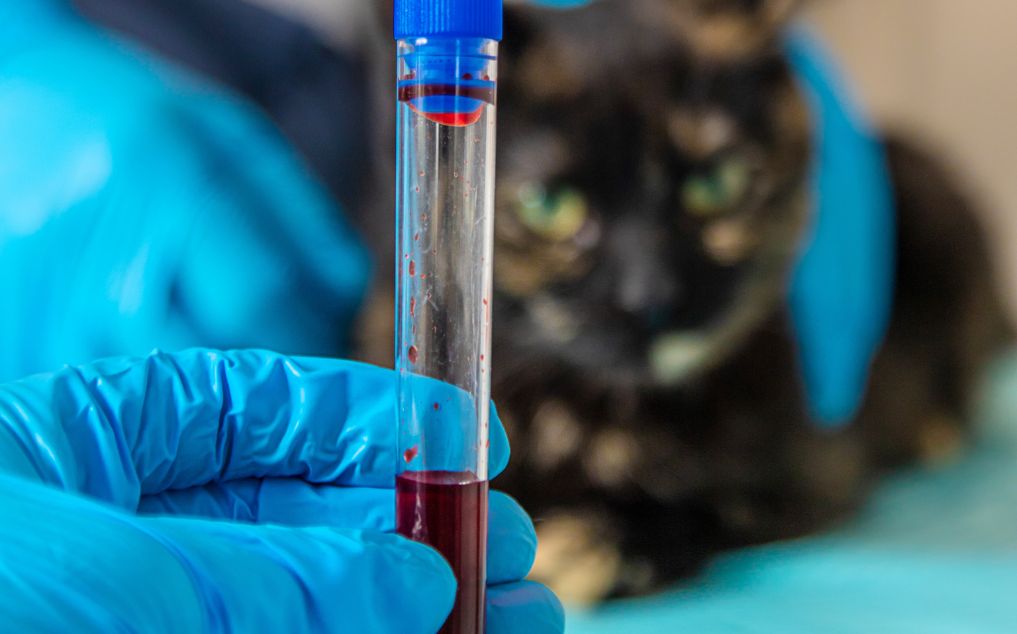
Many infected cats show no clinical signs at first. A cat has worms only when infection is confirmed or strongly suspected through signs such as visible worms, visible presence of tapeworm segments, vomiting, weight loss, pale gums, dark stool, or a pot bellied appearance.
Schedule annual fecal examinations even for healthy-appearing cats. Bring a fresh stool sample when your veterinarian requests fecal testing. Request multi-sample testing when suspicion remains high, because a single test can miss intermittent egg shedding or tapeworm segments that are not present in every sample.
Fecal tests help determine the type of worm for treatment, which matters because deworming medication is not one-size-fits-all. Proper diagnosis leads to appropriate treatment and helps avoid repeated worm infections.
Preventing Reinfection Cycles
Reinfection happens when the cat is treated but the environment, fleas, prey access, or other pets remain untreated. Treat all pets simultaneously when a veterinarian recommends it, and maintain environmental hygiene for 30-60 days after treatment. Wash bedding regularly to kill any potential worm eggs, and regularly clean sleeping areas, carriers, blankets, and the cat’s bedding.
Clean the litter box daily to prevent reinfection with worm eggs. Keep your cat’s environment clean to limit exposure to worms, remove cat feces promptly, and avoid letting cats use garden soil or sandboxes as toilets. Some dewormers require multiple doses to interrupt the life cycle, so follow the full schedule even if the cat looks better.
Regular deworming is essential for preventing worm infestations, and regular deworming every 3 months helps prevent intestinal worms for many cats with ongoing exposure. Coordinate deworming intervals with your veterinarian based on outdoor access, flea risk, hunting behavior, age, and other parasites in the household.
Protecting Indoor Cats from Parasite Exposure
Indoor cats can still get worms. Indoor-only cats are at risk of contracting worms from fleas brought in on clothing, fleas carried by other pets, contaminated shoes, insects, rodents, or contaminated surfaces. Many cat owners assume indoor cats are worm free, but indoor living lowers risk rather than eliminating risk.
Maintain year-round flea prevention because infected fleas can expose indoor cats to tapeworms during grooming. Promptly address household pest issues, including mice, cockroaches, and other small animals or insects that cats may eat. Avoid raw prey, control fleas, and continue routine veterinary care.
Research in veterinary literature, including Journal of Veterinary Internal Medicine research on feline parasite testing, shows that parasite detection varies by age, region, testing method, and visit type. The practical lesson is simple: prevention and fecal testing are still valuable for indoor cats, especially kittens, multi-pet homes, and cats with flea exposure.
Good hygiene also protects people. Humans can contract roundworms from infected cat feces, and visceral larva migrans is caused by roundworm larvae in humans. Hookworms can be transmitted to humans through contaminated soil. Tapeworms can infect humans if contaminated segments are ingested. Good hygiene reduces the risk of contracting worms from cats and helps protect both you and your feline friend.
Conclusion and Next Steps
Cats get worms through predictable routes: parasite eggs in contaminated soil, sand, feces, and litter; infected prey animals; infected fleas swallowed during grooming; and mother’s milk during nursing. Outdoor cats have higher risk, but indoor cats can still be exposed through fleas, insects, rodents, shoes, clothing, and shared household environments.
Take these next steps:
- Schedule a fecal examination with your veterinarian and bring a fresh stool sample if requested.
- Implement an age-appropriate deworming protocol, especially for kittens from three weeks old.
- Use year-round flea prevention to reduce the risk of tapeworm infection.
- Clean the litter box daily, wash bedding regularly, and keep your cat’s environment clean.
- Ask your veterinarian whether regular deworming every 3 months is appropriate for your cat’s lifestyle.
Related topics worth discussing with your veterinarian include how to treat worms, zoonotic transmission prevention, kitten vaccination schedules, heartworm prevention, and long-term parasite control. With proper diagnosis, appropriate treatment, good hygiene, and routine veterinary care, most cat owners can keep their cat healthy and greatly reduce the chance of recurring worms found in stool, vomit, bedding, or the litter box.