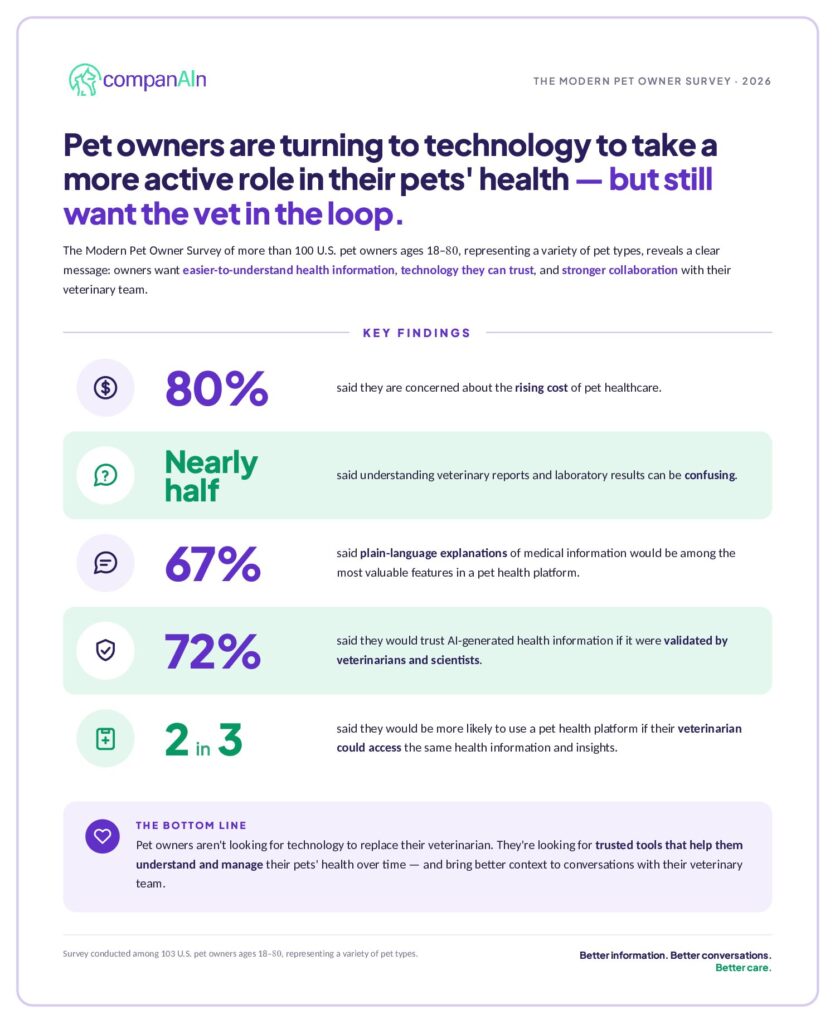

Understanding how your cat’s blood works is one of the most practical things you can do as a pet owner. Feline red blood cells play a central role in keeping every organ supplied with oxygen, and when something goes wrong with them, the consequences can be life threatening. This guide covers what red blood cells do, how anemia develops in cats, and what veterinary medicine offers for diagnosis and treatment.
What Do Red Blood Cells Do for Cats?
Blood cells are the microscopic workhorses of your cat’s circulatory system. They fall into two broad groups: white blood cells, which fight infection, and red blood cells, which handle gas transport. Of the two, red blood cells make up the vast majority of blood cells circulating at any given time.
Feline red blood cells are specialized cells produced in the bone marrow. Each cell is packed with hemoglobin, an iron-containing protein that binds oxygen in the lungs and releases it into a cat’s tissues. Hemoglobin in red blood cells also picks up carbon dioxide from tissues and carries it back to the lungs for exhalation. In healthy cats, red blood cells are produced continuously and cells circulate for approximately 65 to 80 days before being removed and recycled by the spleen and liver. Normal red blood cell volume in cats is 25% to 45%, measured as packed cell volume.
Key functions at a glance:
- Carry oxygen from lungs to every tissue in a cat’s body
- Remove carbon dioxide from tissues back to the lungs
- Support a cat’s metabolism and energy production
- Help maintain normal heart rate and respiratory rate
- Keep organs functioning and prevent tissue hypoxia

Feline Red Blood Cell Basics and Life Cycle
Feline red blood cells differ from those of dogs in several important ways. Feline RBC sizes are about 5.8 micrometers in diameter, smaller than dog RBCs, and feline red blood cells lack a distinct central pallor, unlike human and canine RBCs. Cats also show more rouleaux formation, a coin-stacking pattern on blood smears.
- Bone marrow stem cells develop into mature red blood cells through a process called erythropoiesis. The hormone erythropoietin, released primarily from the kidneys when oxygen levels drop, drives red blood cell production.
- Feline red blood cells have a limited life span of roughly 65–76 days. Senescent or damaged cells are cleared by macrophages in the spleen and liver, and iron is salvaged for new red blood cells.
- In healthy animals, the number of red cells remains constant because production matches removal, keeping packed cell volume stable. Mean corpuscular hemoglobin concentration and other indices stay within reference ranges (MCV around 39–55 fL, hemoglobin around 8–15 g/dL).
- A cat’s metabolism naturally protects red blood cells through antioxidant enzymes and metabolic pathways. However, feline hemoglobin is uniquely sensitive to oxidative damage from substances like acetaminophen and onions. Cats can develop Heinz bodies due to the sensitivity of their hemoglobin to oxidative stress, causing oxidative injury and premature red blood cell destruction.
Causes of Low Red Blood Cells (Anemia in Cats)
Anemia in cats is defined as a decrease in circulating red blood cells, hemoglobin, or hematocrit below reference intervals. It is a sign of an underlying condition, not a specific disease in itself. A low red blood cell count on lab work means the blood cannot deliver enough oxygen to tissues. Anemia can be caused by loss, destruction, or failure to produce red blood cells.
Blood loss:
- External bleeding from trauma, surgery, or wounds can cause rapid anemia. Internal bleeding from gastrointestinal ulcers, tumors, or lesions in the intestinal tract is harder to detect.
- Flea and tick infestations can cause significant blood loss in cats, especially in kittens. Parasites such as hookworms also contribute. Chronic blood loss from any source gradually depletes iron stores and can lead to iron deficiency anemia, though this is rare in cats compared to humans.
- When a cat loses blood slowly over weeks, owners may not notice signs until anemia is advanced.
Red blood cell destruction:
- Immune mediated hemolytic anemia occurs when the immune system targets and destroys a cat’s red blood cells. This immune mediated disease can be primary or secondary to infection.
- Infectious agents such as Mycoplasma haemofelis and feline leukemia virus can trigger red blood cell destruction. Toxins from accidentally ingesting food items like onions or garlic, or cases resembling food poisoning from household chemicals, can also cause hemolysis.
- Pyruvate kinase deficiency, a hereditary enzyme disorder, leads to premature breakdown of red blood cells in certain breeds.
Reduced red blood cell production:
- Chronic kidney disease affects 15–30% of geriatric cats and is a leading cause of non regenerative anemia because damaged kidneys produce insufficient erythropoietin.
- Bone marrow disorders, chronic disease and inflammation, liver disease, and certain cancers suppress red blood cell production.
- Nutritional gaps, including severe iron deficiency or B-vitamin deficiency from an unbalanced cat’s diet that lacks all the nutrients, can also impair production, though dietary causes are less common in cats eating commercial diets.
Types of Anemia in Cats: Regenerative vs Non-Regenerative
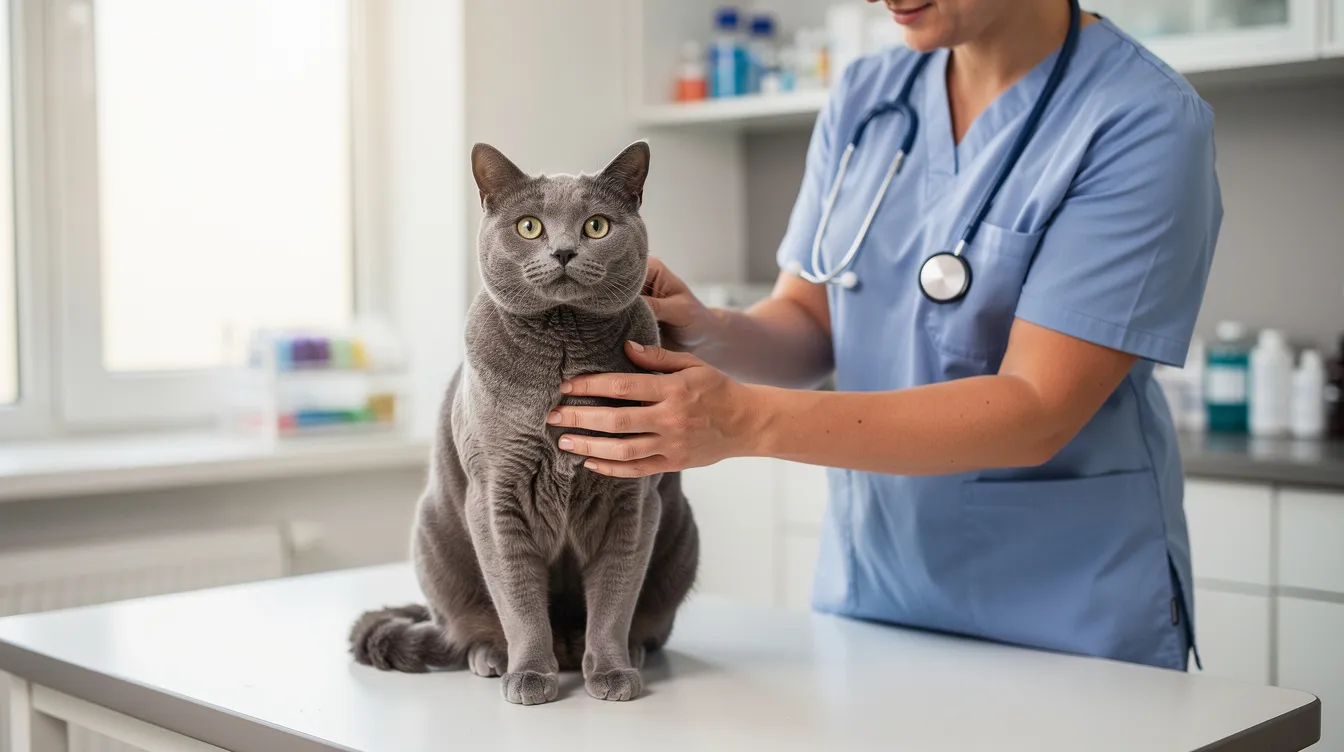
Classifying cats anemia as regenerative or non regenerative tells your veterinarian whether bone marrow is responding appropriately to red blood cell loss. Cats can have regenerative anemia or non-regenerative anemia, and the distinction shapes every diagnostic and treatment decision.
- Regenerative anemia occurs when the body produces more red blood cells but can’t meet demand because loss or destruction is too rapid. The bone marrow ramps up output of new red blood cells, measurable as elevated reticulocyte counts on a complete blood count and blood smear. Reticulocyte counts help assess bone marrow response to anemia. This type is commonly seen after acute blood loss or hemolysis.
- Non regenerative anemia happens when the body fails to produce enough red blood cells. Reticulocyte counts remain low despite anemia. Common causes include chronic kidney disease, bone marrow suppression, and chronic inflammatory or infectious disease. Non regenerative anemia tends to develop slowly, so cats may compensate for a while before a cat’s symptoms become obvious.
- Non regenerative anemia often requires other tests and more serious medical treatment, including bone marrow evaluation, to identify the underlying cause.
Clinical Signs of Low Red Blood Cells in Cats
Cats are experts at masking illness. You may not notice signs of anemia until red blood cell numbers are critically low. Here is what to watch for:
- An anemic cat may appear listless or tire easily. You might notice your cat attempts to play but gives up quickly, sleeps more, or shows reduced appetite and gradual weight loss.
- Weakness, lethargy, pale pink or white gums and inner eyelids are hallmark visible signs. Pale gums indicate anemia in cats and are one of the easiest things to check at home.
- Increased respiratory effort occurs in severe anemia cases. You may see rapid breathing or open-mouth breathing even at rest. Anemia can cause increased heart rates in cats as the heart compensates for reduced oxygen delivery.
- Black stools can indicate gastrointestinal blood loss in cats. Visible blood in vomit or urine, or a history of recent trauma, also points to hemorrhagic causes.
- Jaundice, a yellow discoloration of gums, skin, or eyes, suggests hemolytic anemia where red blood cell destruction releases bilirubin into the bloodstream.
- If you notice signs like these, even subtle ones, contact your veterinarian promptly. Untreated anemia can progress to organ damage or collapse.
Diagnosing Feline Anemia and Red Blood Cell Disorders
Diagnosing anemia in cats starts with blood tests and may expand to advanced diagnostics depending on findings. Your veterinarian will perform tests guided by a cat’s symptoms, history, and initial lab results.
- A complete blood count is essential for diagnosing anemia. It measures red blood cell count, hemoglobin, hematocrit or packed cell volume, corpuscular hemoglobin concentration indices (including mean corpuscular hemoglobin concentration), white blood cells, and platelets. A PCV below about 25% indicates anemia in cats.
- Evaluation of a blood smear under the microscope reveals red blood cell size, shape, and color. It can detect Heinz bodies, parasites, and reticulocytes, helping distinguish regenerative from non regenerative anemia.
- A biochemical profile evaluates organ function, especially kidneys and liver. Urinalysis, iron count assessment, and infectious disease testing for FeLV, FIV, and Mycoplasma haemofelis are often part of the workup. Fecal exams can identify parasites causing blood loss in cats.
- A bone marrow biopsy or aspiration may be needed if anemia is non-responsive to initial treatment or if the underlying cause remains unclear. This is especially important when a low red blood cell count persists without evidence of regeneration.
- Imaging studies such as radiographs or ultrasound help search for tumors, internal bleeding, or organ abnormalities that could explain why the cat is iron deficient or losing blood.
- Food allergy testing or dietary review may be considered if gastrointestinal inflammation is suspected as a contributing factor.
This information does not constitute medical advice. Always work with your veterinarian for an accurate diagnosis and custom treatment plan.
Treatment Options and How to Increase Red Blood Cells in Cats
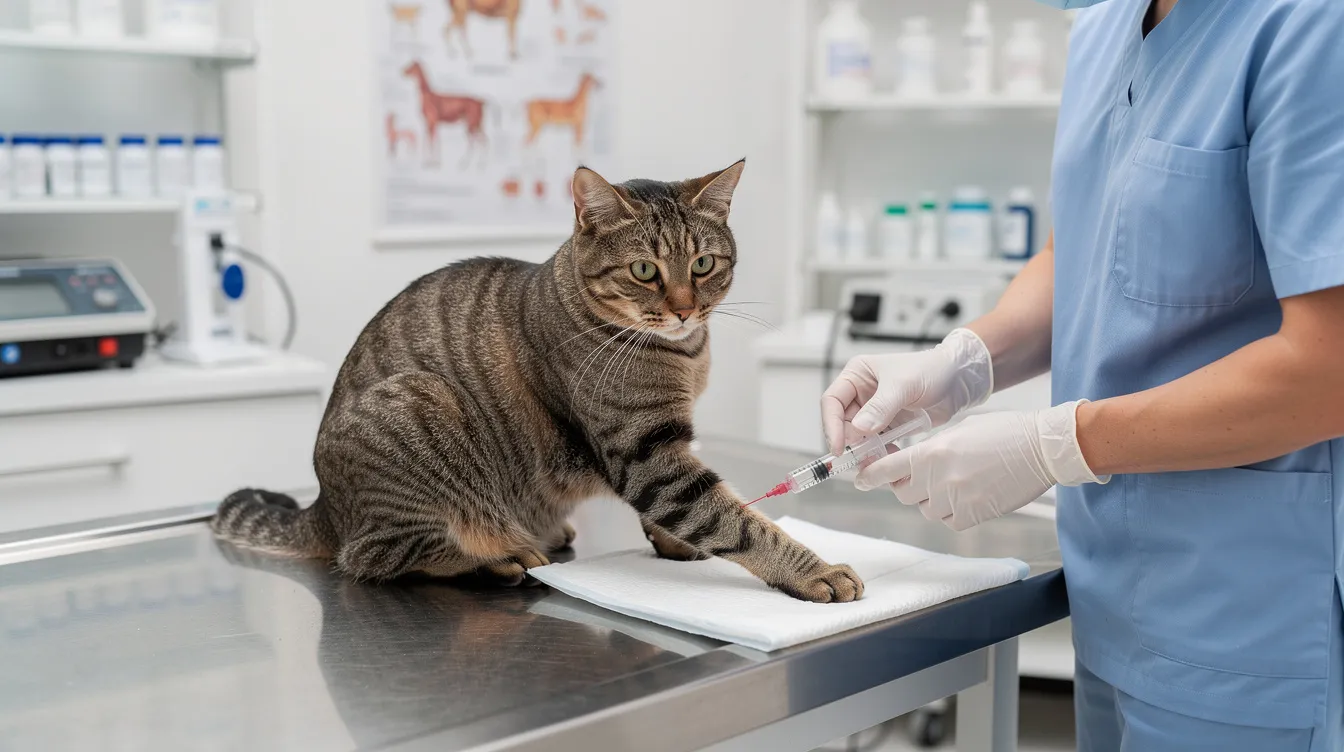
Treatment for low red blood cells focuses on stabilizing the cat and correcting the underlying cause of anemia. Treatment plans depend on the underlying cause of anemia, severity, and whether the cat’s body is mounting a regenerative response.
- Blood transfusions may be necessary for severe anemia, particularly when PCV drops below 15–20%. Feline blood types include A, B, and AB, and transfusions require compatibility testing. Cats have natural antibodies against the blood type they lack, making compatibility crucial for transfusions and reducing the risk of fatal transfusion reactions. Some cats with chronic conditions require multiple transfusions over time.
- For blood loss, medical treatment targets the source: surgery for tumors or injuries, antiparasitic drugs for fleas and worms, and supportive fluids. Addressing chronic blood loss prevents further iron depletion.
- Corticosteroids may be used to treat immune mediated anemia, sometimes combined with other immunosuppressive drugs. Antibiotics target hemoplasma infections, and other treatments address the specific disease involved.
- For non regenerative anemia linked to chronic kidney disease, darbepoetin stimulates red blood cell production by mimicking erythropoietin. Dosing is carefully monitored to increase red blood cells without causing polycythemia. Iron supplements may be added when iron deficiency is confirmed during erythropoiesis-stimulating therapy.
- Iron-rich foods can help increase red blood cell levels as a supportive measure. Adding iron rich foods such as lean meat or choosing cat food brands high in animal-based protein supports red blood cell production alongside veterinary care. However, iron supplements should never be given without veterinary guidance, as excess iron is harmful. Not every cat food brands lineup provides adequate iron, so discuss your cat’s diet with your vet. An occasional treat of cooked liver can offer a natural iron boost.
- Practical prevention includes year-round parasite control, regular wellness exams to catch problems early, and ensuring your cat’s diet provides all the nutrients needed. Avoid exposing cats to known toxins like onions, garlic, or acetaminophen.
Prognosis varies widely. Regenerative anemias from treatable causes often resolve well when addressed quickly. Chronic non regenerative anemia may require ongoing monitoring with CBC and other tests. The earlier you act when you notice signs of trouble, the better the outcome for your cat.
Understanding how your cat’s blood works is one of the most practical things you can do as a pet owner. Feline red blood cells play a central role in keeping every organ supplied with oxygen, and when something goes wrong with them, the consequences can be life threatening. This guide covers what red blood cells do, how anemia develops in cats, and what veterinary medicine offers for diagnosis and treatment.