
Cats age gradually, often so quietly that the earliest shifts slip past even attentive owners. Most cats show aging signs by 7 to 10 years old, though changes become more obvious after 11 or 12. Common signs of aging in cats include changes in mobility, sleep, and senses-none of which appear overnight. Understanding what to watch for, and when, gives you the best chance to keep your feline friend comfortable through every life stage.
- A senior cat is typically 11–14 years old, while cats 15 and older reach “super-senior” or geriatric status. A 12-year-old cat is roughly equivalent to a human in their early 60s.
- Aging itself is not a disease, but it raises the risk of medical conditions and subtle signs that are easy to miss.
- Many cats are rehomed or rescued with unknown birthdates-estimated ages still allow meaningful health tracking if observations are recorded consistently over time.
- Tools like CompanAIn let cat owners build a dynamic health timeline and log behavior changes, creating a living record that reveals gradual shifts before they become emergencies.
How Cats Age: Life Stages and What to Expect
Cats don’t age on a straight line. The first two years of a cat’s life correspond to roughly 24 human years. After that, each cat year adds about four human years-meaning a 7-year-old cat is already approaching the mid-40s in human terms. Here’s how veterinary guidelines break down feline life stages:
- Young adult (1–6 years): Peak physical condition, high energy, few health concerns.
- Mature adult (7–10 years): Slight activity slowdown, mild weight shifts, and subtle behavior changes begin. Adult cats in this range benefit from increased wellness screening.
- Senior (11–14 years): More obvious aging signs-reduced mobility, sleep pattern shifts, potential early organ disease.
- Super-senior (15+ years): Geriatric status in cats is defined as 15 years and older, with higher prevalence of chronic illness and sensory decline.
Aging signs vary widely between individuals. Some 15-year-olds remain active and alert, while others develop trouble earlier. Breed, genetics, diet, and indoor versus outdoor lifestyle all influence the pace. CompanAIn can store birth dates or estimated ages for rehomed cats, helping owners see trends even when exact age is unknown.
Behavior Changes in Aging Cats (Early Clues You'll Notice First)
Changes in a cat’s behavior are often the earliest visible aging signs, because cats instinctively mask pain and discomfort. Tracking patterns over days and weeks matters far more than reacting to a single odd moment.
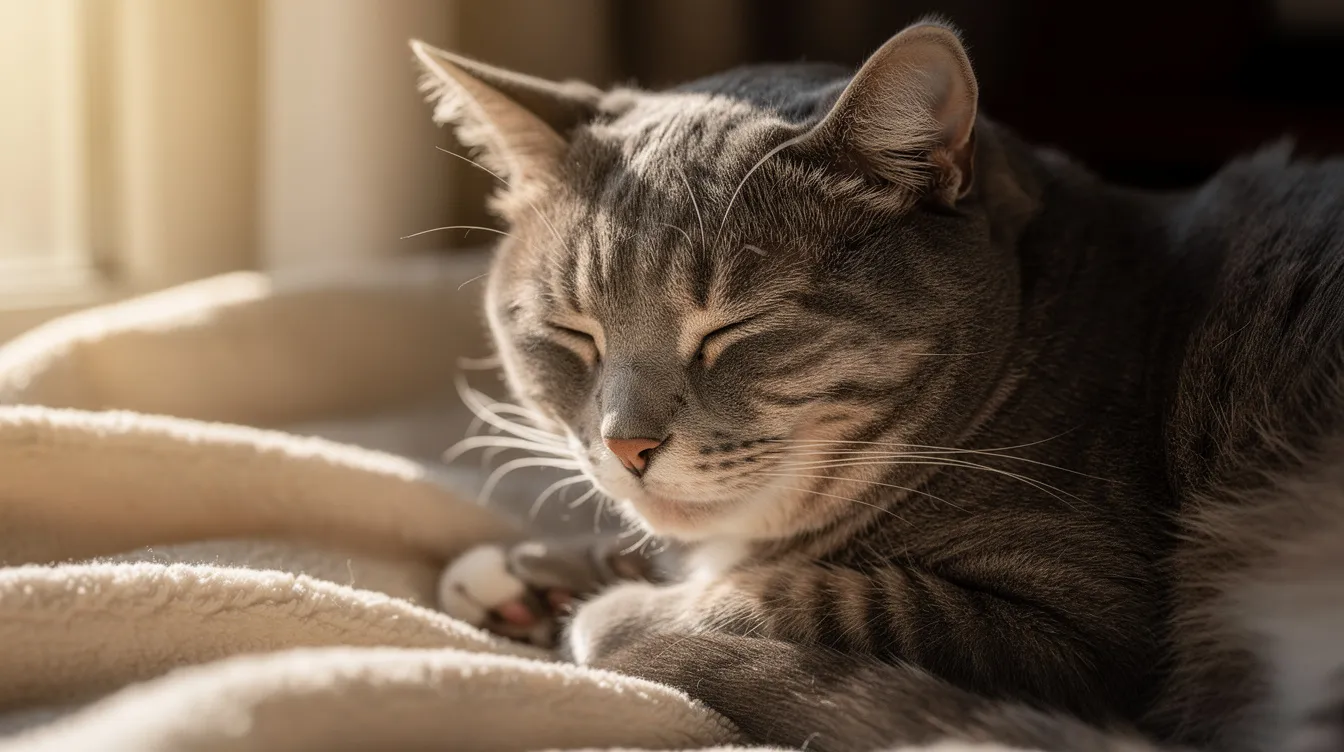
- Cats may exhibit decreased activity, sleeping significantly more as they age. A 9-year-old that once chased toys daily may now prefer deep sleep and only occasionally engage.
- Many older cats become more irritable and withdrawn, while others grow unusually clingy. Watch for shifts in how your cat interacts with you and other pets.
- Behavioral changes in older cats may include confusion, disorientation, and altered interaction with family members-a cat that suddenly seems unsure in familiar rooms deserves attention.
- Senior cats may vocalize excessively due to anxiety or pain. Increased vocalization at night, especially yowling, is a behavior change worth logging.
- A cat that once greeted visitors may now hide behind furniture or react aggressively when touched in certain areas-this can signal discomfort rather than personality change.
CompanAIn lets owners log behavior changes and automatically generates trend summaries, so when you visit the vet, you arrive with data instead of vague impressions. You can also use AI-powered diagnostic tools to monitor behavioral patterns between appointments.
Physical Signs of Aging in Cats: Coat, Skin, Nails, and Mobility
You don’t need special equipment to notice physical aging signs at home. A few minutes of attentive observation can reveal changes that matter.
- Older cats often have a dull or matted coat due to less effective grooming. Fur may thin, lose its shine, or develop gray and white hairs-especially noticeable in dark-coated cats. Regular grooming is essential for senior cats to prevent matting and skin issues.
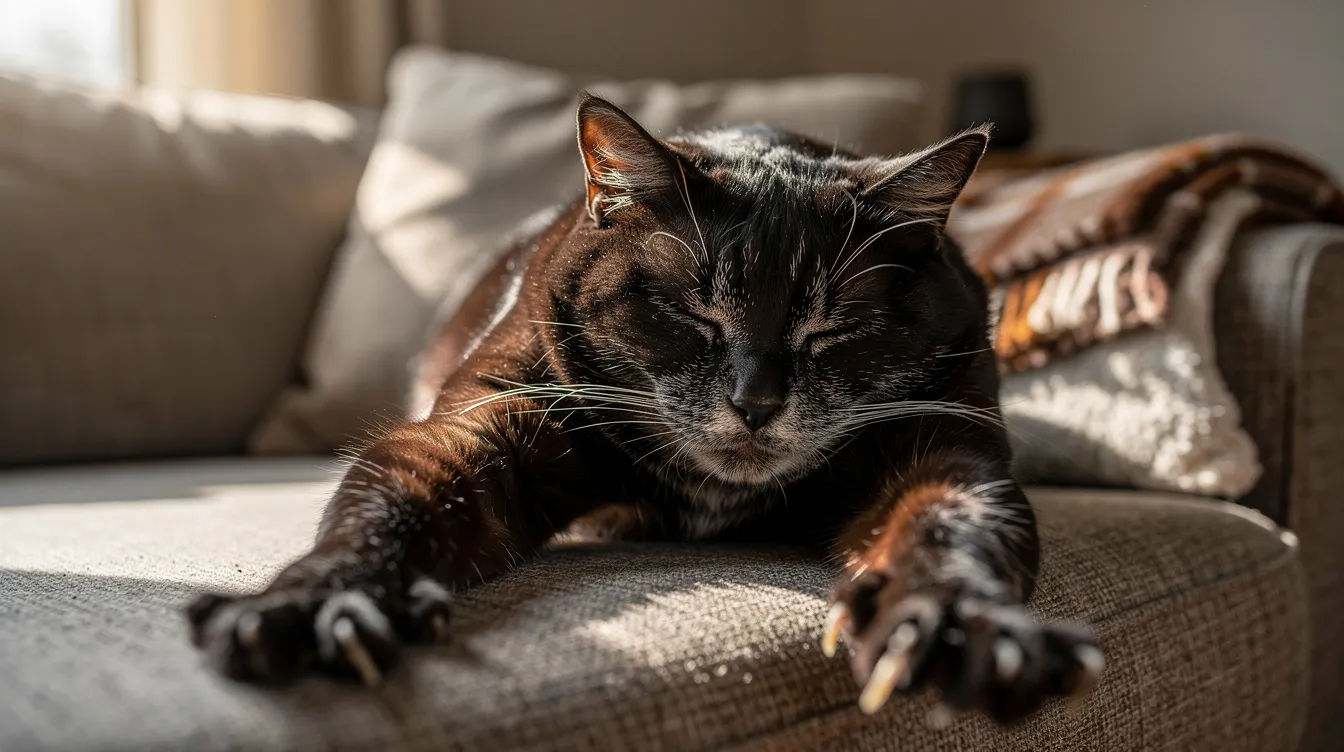
- Skin becomes more fragile with age, and nails tend to thicken or grow brittle. Overgrown claws can occur because older cats scratch less or cannot groom effectively. Check nails monthly.
- Mild cloudiness in the eyes is a normal aging sign in cats and doesn’t always mean vision loss, but sudden changes warrant a vet visit.
- Older cats may experience weight and muscle loss, particularly along the spine and hindquarters, and cats often lose muscle mass, affecting their jumping ability.
Joint degeneration from conditions like arthritis is common in older cats, affecting mobility. Research shows that up to 92% of cats in studies had radiographic evidence of degenerative joint disease, and over 82% of cats older than 14 had osteoarthritis in at least one joint-often without obvious limping. To spot subtle mobility changes at home, watch your cat getting up from rest: notice whether they pause, extend slowly, or seem stiff. Observe whether they still jump to favorite surfaces or hesitate at the edge. Watch them climb stairs-do hind legs lag, or does the hind end seem weak? These details, recorded with video clips in CompanAIn’s secure vet portal, give your veterinarian real evidence to work with.
Appetite, Weight, and Litter Box Clues as Cats Age
Changes in eating, drinking, weight, and litter box habits are common aging signs that frequently signal underlying health conditions.
- Mild appetite shifts are normal as cats age, but sudden or marked changes matter. A dramatic increase in food intake with simultaneous weight loss may point to hyperthyroidism, while decreased eating may reflect dental disease or kidney disease.
- Weight loss in senior cats often indicates underlying health issues. Senior cats may lose weight even with a healthy appetite, and weight loss in senior cats may signal diabetes or thyroid issues. Conversely, unexplained weight gain can indicate reduced mobility or metabolic problems. Weight loss or gain in older cats may indicate underlying health issues that need investigation.
- Senior cats should maintain a body condition score of 4–5 out of 9, meaning ribs are easily felt but not prominently visible. A healthy cat’s body condition score should be 4–5/9-track this at home by running your hands along your cat’s sides monthly.
- Excessive drinking can indicate kidney disease or diabetes. Larger clumps in the litter box or more frequent box visits should prompt a vet visit. Dehydration can be assessed by skin elasticity tests-gently pinch the skin at the scruff; if it doesn’t snap back quickly, your cat may be dehydrated.
- Changes in litter box habits can signify health issues in senior cats: constipation, straining, or accidents outside the box may reflect pain, arthritis, or difficulty accessing high-sided litter boxes. Provide lower-sided, easily accessible litter boxes on each floor your cat uses.
CompanAIn helps owners track appetite notes, weight entries from home scales, and litter box patterns over time, flagging meaningful trends for early vet consultation.
Cognitive Dysfunction and "Senior Moments" in Aging Cats
Feline cognitive dysfunction is a set of age-related brain changes similar to dementia in people. It becomes more common after age 11–12 and escalates significantly in geriatric cats. Over 55% of cats aged 11 to 15 years show cognitive decline, and cognitive dysfunction affects over 80% of cats aged 16–20.
- Hallmark signs include spatial disorientation-staring at walls, getting “stuck” in corners, or wandering aimlessly in familiar rooms.
- Memory and learning issues develop: forgetting litter box locations, hesitating at doorways, or appearing to “forget” they were just fed.
- Cats can experience restlessness and yowling as they age, particularly at night, with disrupted sleep-wake cycles that keep both cat and owner awake.
- Increased vocalization can be a sign of cognitive dysfunction in older cats, distinct from pain-related vocalizing in its repetitive, seemingly purposeless pattern.
- Cognitive decline can overlap with pain, sensory loss, and metabolic disease, so veterinary evaluation and blood work are essential before labeling changes as cognitive dysfunction.
Support your cat with consistent daily routine, stable furniture placement, and night lights to ease navigation. CompanAIn can track nighttime restlessness, vocalization episodes, and confusion events, then summarize these for your veterinarian.
Pain, Dental Disease, and Other Common Health Conditions in Senior Cats
Aging cats are prone to multiple overlapping health conditions, and recognizing aging signs early leads to timely treatment and better well being. Many age-related symptoms in cats are also treatable medical conditions-not inevitable consequences of old age.
- Almost 100% of cats develop dental disease by age 5, making dental problems one of the most widespread yet under-recognized medical problems in veterinary medicine. Signs include bad breath, reluctance to eat, chewing on one side, dropping food, or pawing at the mouth. Left untreated, dental disease contributes to weight loss, pain, and systemic inflammation.
- Chronic pain from arthritis, spinal changes, or undiagnosed injuries drives behavior changes like hiding, reduced jumping, an unkempt appearance from decreased grooming, and general “crankiness.” Many older cats live with discomfort that medication or environmental adjustments could treat.
- Other common health conditions in senior years include chronic kidney disease (affecting over 80% of cats by age 15), hyperthyroidism, diabetes, heart disease, hypertension, and sensory decline. A cat shows subtle signs-increased drinking, weight loss, litter box issues-that often reflect internal disease rather than “just” old age.
CompanAIn organizes lab results over time, spots trends like rising kidney values, and produces clinician-style summaries that cat owners can share directly with their veterinary team.
When to See the Vet-and How CompanAIn Supports Proactive Senior Care
Veterinarians recommend regular wellness exams for senior cats to catch health issues early. Senior cats need veterinary check-ups every six months, and super-seniors may benefit from even more frequent visits. Routine veterinary examinations for senior cats should include blood and urine tests to screen for kidney disease, thyroid dysfunction, and diabetes.
Red flags that should trigger a prompt vet visit:
- Rapid weight loss or a cat that continues to lose weight despite eating
- Persistent vomiting or diarrhea
- Major appetite change in either direction
- Increased drinking or urination
- Difficulty breathing or repeated accidents outside the litter box
- Sudden blindness, collapse, or severe confusion
Before your appointment, keep a simple log of your cat’s behavior changes, litter box habits, appetite, and activity. Even a week of notes gives your vet a clearer picture than memory alone. CompanAIn centralizes medical records, builds automated health timelines, and uses trend detection across lab results and daily notes. Through the secure vet portal, your veterinarian can review data and AI-generated summaries before or during the visit. You can also use the AI symptom checker to get guidance on symptoms and better questions to ask your vet.
With attentive observation, veterinary partnership, and smart tracking tools, aging cats can enjoy many comfortable golden years with their families. The signs are there if you know where to look-and the earlier you notice, the more you can do.