
What my Golden Retriever taught me about connecting the dots before something becomes a problem.
When my Golden Retriever, Ralston, turned seven, I started looking at her health differently. She was still happy, active, and very much herself, but I found myself paying closer attention to the little things. A slightly different lab value. A change in energy after a long hike. Questions about whether I was feeding her exactly what she needed at this stage of her life. None of these things were alarming on their own, but together they made me realize something that every pet parent eventually experiences: as our companions get older, the smallest details can become the most important.
Most of us don’t forget because we don’t care. We forget because life happens. A symptom six months ago. A medication that worked once. A lab result your veterinarian wanted to ‘keep an eye on.’ Individually, those moments don’t seem significant. Together, they tell your pet’s health story.
1. Trends in blood work—not just abnormal results
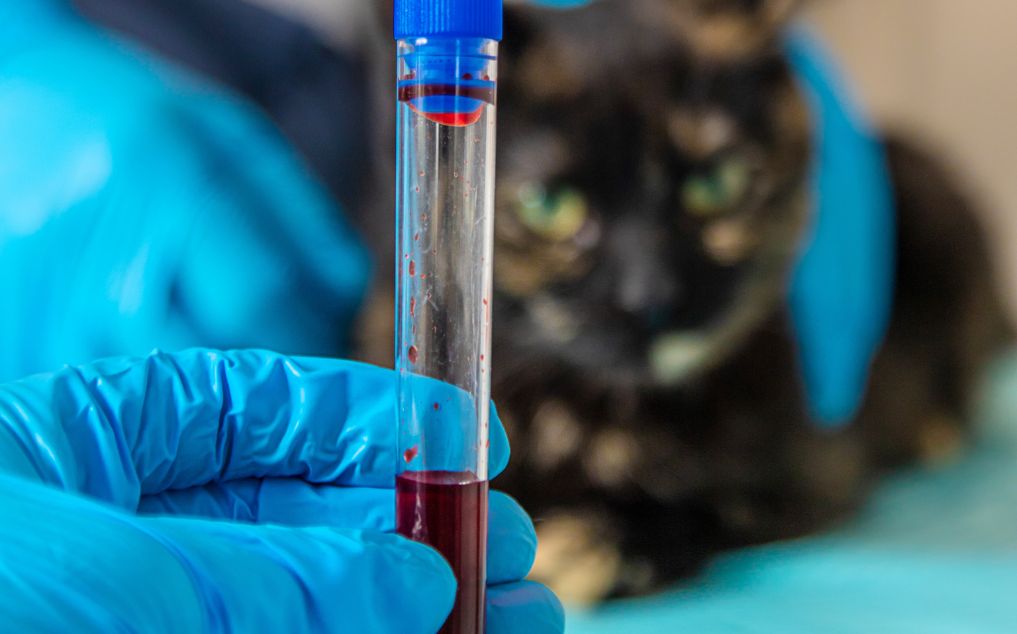
One blood panel rarely tells the whole story. Looking at lab work over time helped me understand Ralston’s health far better than any single result ever could. Even values within the normal range can reveal meaningful trends when viewed over months or years.
2. Small changes in energy
Was today’s walk a little shorter? Did she recover more slowly after playing? Small changes aren’t always emergencies, but they deserve attention when they become patterns.
3. Weight and body condition
Healthy aging often comes down to subtle adjustments. Monitoring weight alongside nutrition and activity has helped me make proactive changes instead of reactive ones.
4. Medications, supplements, and routines
As pets age, keeping track of what they’ve taken—and how they’ve responded—becomes invaluable. That context helps veterinarians make better decisions in the future.
5. Health patterns over time
An itchy ear, a stomach upset, or occasional limping may not seem related. But when you can see those events together, patterns often begin to emerge.
6. Genetic predispositions
Genetics aren’t a diagnosis, but they provide another layer of context. Understanding what your dog may be predisposed to can help guide conversations with your veterinarian and long-term wellness planning.
7. The questions I wanted to remember
Some of the most important observations happen between appointments. Writing them down has led to better conversations and ensured I never forgot something that could matter later.
As I’ve continued using CompanAIn to organize Ralston’s health history, I’ve been able to connect those dots in ways I never could before. Looking at her lab work alongside her nutrition, activity, medications, and veterinary visits has given me a much clearer understanding of what was actually changing—and what wasn’t. It has helped me make thoughtful adjustments to her routine and have more informed conversations with her veterinarian because we were looking at the complete picture, not just one appointment.
That philosophy shaped our latest update. We introduced a searchable health timeline, profile completion tracking, genetic health insights, and smarter AI designed to recognize long-term patterns—not because they’re flashy features, but because context matters. One appointment rarely tells the whole story. Your pet’s lifetime of care does.
One of my favorite things about CompanAIn is that it becomes more valuable the longer you use it. Every lab result, medication, note, and veterinary visit adds another chapter to your companion’s story. The more complete that story becomes, the better equipped you and your veterinarian are to make decisions together.
Because the more your pet’s health story grows, the more valuable it becomes