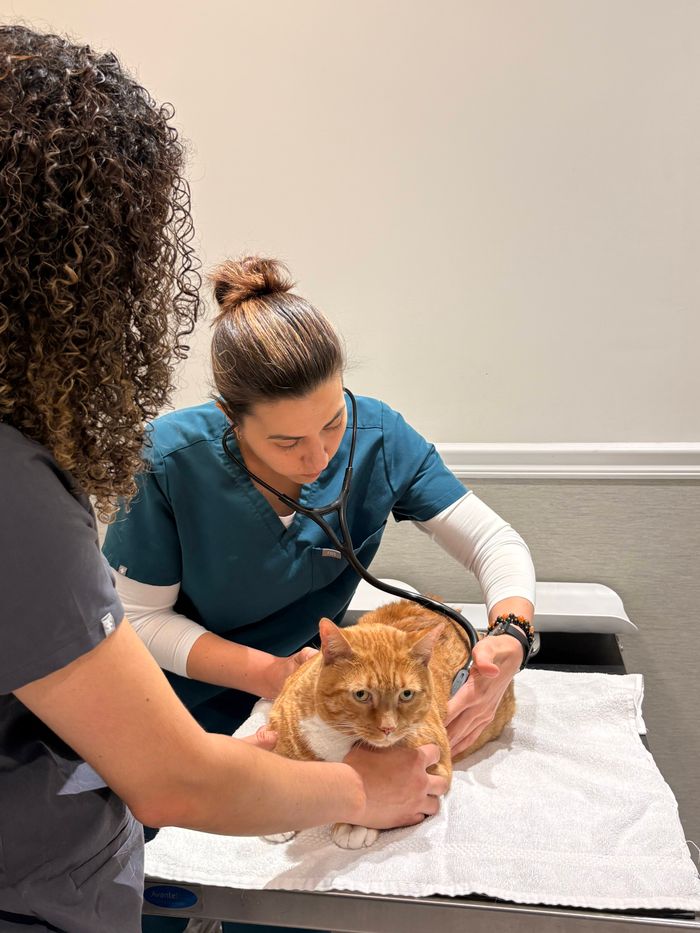

When your general practitioner veterinarian faces a cat with simultaneous diabetes and kidney failure, the case typically gets referred to a board-certified internal medicine specialist who coordinates with nephrologists, endocrinologists, and nutritionists. Each specialist examines different aspects—the internist synthesizes all findings, the nephrologist focuses on kidney values and phosphorus management, the endocrinologist adjusts insulin protocols based on renal function, while the nutritionist balances diabetic dietary needs against kidney disease restrictions.
CompanAIn’s agentic AI architecture replicates this collaborative specialist model through specialized components handling distinct analytical tasks. Rather than a single algorithm attempting all analysis, separate agents focus on data consolidation, pattern recognition, and clinical synthesis—working simultaneously to deliver the comprehensive evaluation that veterinary specialist teams provide through sequential consultation.
The Veterinary Specialist Referral Model
Complex cases demand expertise beyond general practice capabilities. An internist completes a one-year internship and three-year residency beyond veterinary school, passing rigorous board certification exams in gastroenterology, nephrology, endocrinology, hematology, and immunology.
These specialists handle cases where multiple disease states interact—the diabetic cat with kidney failure, the dog in heart failure diagnosed with cancer, the geriatric patient presenting with liver disease and anemia. Thanks to improved veterinary care, more pets live longer but face the same multiple-condition complexity that affects aging humans.
The collaborative model works through structured information flow:
- General practitioners refer cases with comprehensive medical histories
- Specialists conduct advanced diagnostics—abdominal ultrasound, endoscopy, bone marrow aspirates
- Each focuses on their domain expertise
- The internist synthesizes all specialist input into unified treatment plans
Practical limitations constrain this model: Only approximately 1,400 board-certified internal medicine specialists practice in the United States. Referral requires geographic access to specialty centers. Coordination across multiple specialists introduces communication delays. Cost barriers prevent many pet owners from accessing specialist care.
These constraints mean many complex cases receive treatment from general practitioners without specialist consultation—exactly where AI for veterinarians bridges expertise gaps.
Why Single-Algorithm AI Falls Short
Most AI veterinary tools focus on specific tasks—diagnostic imaging analysis, clinical documentation transcription, appointment scheduling automation. These tools perform well within defined tasks but are not built to manage cases requiring coordinated, multi-specialty analysis.
Consider a 12-year-old dog presenting with weight loss, increased water consumption, vomiting, and elevated liver enzymes. Single-function AI might:
- Flag possible kidney disease from lab values
- Identify liver changes on ultrasound
- Note endocrine abnormalities in bloodwork
- Recognize gastrointestinal symptoms
However, determining whether these findings represent four separate conditions, a single systemic disease affecting multiple organ systems, or complex interactions between two primary problems requires synthetic analysis that specialist teams provide—something single-algorithm systems are not designed to accomplish.
Multi-Agent Architecture: Specialized Components Working in Concert
CompanAIn’s agentic system employs specialized components handling distinct analytical tasks, collaborating to generate comprehensive assessments that mirror how veterinary teams function.
Consolidating Scattered Medical Information
The platform functions like an internal medicine specialist gathering comprehensive patient history. It consolidates information from multiple sources—previous veterinary visits, laboratory results from different timeframes, medication histories, dietary changes, owner observations, and environmental factors.
The system structures unorganized data into chronological timelines. Handwritten notes, emailed reports, and photos of lab results get transformed into searchable health records showing how conditions developed rather than presenting isolated snapshots.
Analyzing Patterns Across Organ Systems
CompanAIn’s analytical technology examines multiple aspects of complex cases simultaneously. When evaluating a dog with weight loss and elevated liver enzymes, the platform:
- Analyzes kidney function trends across multiple tests
- Evaluates endocrine panels for diabetes or Cushing’s disease
- Assesses liver enzyme patterns for hepatic disease
- Correlates gastrointestinal symptoms with metabolic changes
Rather than sequential analysis taking weeks, these evaluations occur simultaneously. The system identifies abnormalities and recognizes patterns across multiple organ systems that may indicate specific disease processes.
Gradually rising creatinine, declining urine specific gravity, and elevated phosphorus collectively suggest progressive kidney disease. The same creatinine elevation with normal phosphorus and concentrated urine might indicate prerenal azotemia from dehydration rather than intrinsic kidney damage. These multi-parameter correlations require pattern recognition across disciplines.
Synthesizing Findings Into Clinical Recommendations
CompanAIn translates analytical findings into guidance for veterinary discussion. When analysis identifies kidney disease plus diabetes, the platform helps determine treatment priorities:
- Address dehydration first to distinguish prerenal from renal azotemia
- Consider insulin dosing adjustments for reduced renal clearance
- Evaluate renal diet modifications alongside diabetic dietary needs
- Identify specific parameters worth monitoring for disease progression
This synthesis helps prevent potentially conflicting recommendations that might emerge from evaluating conditions in isolation. A focus solely on kidney disease might suggest aggressive phosphorus restriction, while diabetes management might indicate higher protein intake—approaches requiring coordination for optimal patient outcomes.
How Multi-Agent Systems Handle Diagnostic Uncertainty
Veterinary diagnosis doesn’t always offer clear-cut answers. A cat with elevated creatinine might have chronic kidney disease, acute kidney injury from toxin exposure, dehydration causing prerenal azotemia, or urinary obstruction. Each requires different treatment, yet the initial presentation looks identical.
Single-parameter analysis struggles with ambiguity. Creatinine at 2.8 mg/dL exceeds normal limits but doesn’t indicate which kidney problem exists. Multi-agent systems resolve uncertainty by analyzing parameter combinations that create diagnostic patterns.
Distinguishing Between Similar Presentations
CompanAIn’s analytical approach evaluates multiple data points simultaneously to narrow diagnostic possibilities:
Chronic kidney disease shows gradually rising creatinine over months, elevated phosphorus, low urine specific gravity, and often mild anemia.
Acute kidney injury displays sudden creatinine elevation (previous value normal, current value severely elevated), normal phosphorus initially, and variable urine concentration.
Prerenal azotemia from dehydration produces elevated creatinine with concentrated urine, normal phosphorus, and rapid improvement with fluid therapy.
A veterinarian examining only today’s creatinine value of 2.8 mg/dL faces genuine diagnostic uncertainty. The multi-agent system examining creatinine trends, phosphorus levels, urine concentration, and hydration status simultaneously identifies which pattern matches—transforming ambiguous presentation into focused diagnostic direction.
When Multiple Conditions Create Conflicting Signals
Hyperthyroidism increases metabolic rate and blood pressure, forcing kidneys to work harder. Cats with both conditions may show artificially normal creatinine—hyperthyroidism increases muscle turnover (raising creatinine) while simultaneously increasing renal blood flow (lowering creatinine). These opposing effects mask kidney disease that becomes apparent only after treating hyperthyroidism.
Multi-agent analysis identifies these interactions by recognizing patterns across thyroid hormones, kidney values, blood pressure measurements, and body condition scores. When thyroid hormone (T4) is elevated alongside borderline-high creatinine in a thin cat, the system flags potential masked kidney disease requiring careful monitoring during thyroid treatment.
Licensed Veterinary Oversight: The Human Specialist Layer
CompanAIn’s system includes licensed veterinary oversight reviewing critical findings and low-confidence assessments. This hybrid approach combines computational pattern recognition with professional clinical judgment.
AI handles comprehensive data analysis exceeding human processing capacity—scanning years of records, correlating hundreds of parameters, comparing against millions of similar cases. Veterinarians evaluate findings requiring contextual interpretation, clinical experience, and medical judgment that algorithms cannot replicate.
This mirrors specialist referral centers where board-certified specialists review cases but work alongside residents, interns, and support staff who handle data collection, preliminary analysis, and protocol implementation. The specialist focuses expertise where it matters most—difficult diagnostic decisions, treatment plan formulation, complex case management—while the team handles systematic data processing.
Practical Applications for General Practitioners
AI for veterinarians provides specialist-level pattern recognition to general practitioners managing complex cases. When a rural veterinarian 200 miles from the nearest referral center faces a complicated case, uploading medical records to CompanAIn’s platform provides:
- Multi-system analysis identifying interactions between conditions
- Specialist-level pattern recognition flagging concerning trends
- Evidence-based treatment recommendations considering all factors simultaneously
- Monitoring guidance for detecting complications early
This doesn’t replace specialist referral for cases requiring advanced procedures—endoscopy, bone marrow aspirates, specialized imaging. Rather, it enables better initial workup, more informed referral decisions, and improved communication with specialists.
Comprehensive case summaries show exactly which diagnostic avenues were pursued and what patterns emerged, accelerating specialist evaluation when referral occurs.
The Evolution of Veterinary AI Integration
Research on AI veterinary adoption shows nearly 30% of veterinarians already incorporate AI tools daily or weekly—surprisingly high adoption indicating the profession’s readiness for technological enhancement.
Current applications focus heavily on administrative efficiency: clinical documentation transcription, appointment scheduling, client communication, billing automation. Survey data reveals veterinarians of all generations, including those approaching retirement, show excitement about AI voice-to-text tools that quickly transcribe clinical notes.
However, the next evolution involves diagnostic and clinical decision support. AI systems analyzing patient data to flag overlooked possibilities, identify patterns across cases, and offer differential diagnoses prompting deeper investigation represent the advancement beyond single-function administrative tools.
Multi-agent systems embody this evolution, moving from task automation toward comprehensive clinical intelligence supporting complex decision-making that mirrors specialist consultation.
Ethical Implementation Requirements
Ethical AI deployment requires transparent development processes, accurate training datasets, awareness of model limitations, and maintaining human expertise in decision-making. AI should function as decision support, not autonomous diagnosis.
The same principle governs specialist consultations, where recommendations inform but don’t replace the attending veterinarian’s final clinical judgment. Specialists provide expert guidance based on their analysis, but the primary care veterinarian makes ultimate treatment decisions considering factors specialists may not know—owner financial constraints, home environment, compliance likelihood, pet temperament.
AI for veterinarians follows this collaborative model. The system provides comprehensive analysis and evidence-based recommendations. Veterinarians evaluate suggestions within complete clinical context, accepting, modifying, or rejecting guidance based on factors AI cannot assess.
When AI Enhances Rather Than Replaces Expertise
The goal isn’t replacing veterinarians or specialists but extending analytical capabilities. Board-certified specialists remain essential for:
- Cases requiring hands-on advanced procedures
- Nuanced clinical judgment in ambiguous presentations
- Expertise with rare conditions outside standard pattern recognition
- Complex case management requiring subspecialty knowledge
However, AI can handle systematic data analysis, pattern detection across large datasets, correlation identification between multiple parameters, and evidence-based protocol recommendations that consume enormous time in clinical practice. This allows veterinarians to focus expertise where it matters most—client communication, physical examination findings, and treatment plan customization for individual patients.
Consider a general practitioner managing a diabetic cat developing kidney disease. Without AI support, the veterinarian manually reviews previous lab results, calculates trends, researches treatment protocols for concurrent conditions, and formulates plans while managing a full appointment schedule.
With multi-agent AI support, the system automatically analyzes lab trends, identifies concerning patterns, flags interactions between conditions, and suggests evidence-based protocols—enabling the veterinarian to spend appointment time on client education and treatment customization rather than data analysis.
Moving Forward With Intelligent Clinical Support
The shift from task-specific AI tools to comprehensive clinical intelligence represents the next evolution in veterinary technology—moving beyond administrative efficiency gains to fundamentally changing how complex cases get evaluated. Multi-agent systems demonstrate that AI’s greatest value lies not in replacing human expertise but in extending analytical capabilities that would otherwise require assembling entire specialist teams for every complicated patient.
When managing cases where multiple conditions interact unpredictably, CompanAIn’s platform delivers the simultaneous multi-system evaluation that traditionally required weeks of sequential specialist consultations. Contact CompanAIn today to discover how intelligent clinical support provides comprehensive pattern recognition for complex case management in your practice.
Frequently Asked Questions
What is multi-agent AI in veterinary medicine?
Multi-agent AI uses specialized components that analyze different aspects of a case simultaneously, then synthesize findings. Rather than one algorithm attempting all analysis, separate agents handle data consolidation, pattern recognition across organ systems, and clinical recommendations—mirroring how veterinary specialist teams collaborate to evaluate complex cases involving multiple conditions.
How does multi-agent AI differ from AI scribes?
AI scribes automate documentation by transcribing appointments into medical notes. Multi-agent AI analyzes clinical data to identify disease patterns, correlate lab trends, and provide diagnostic guidance. Scribes handle administrative tasks; multi-agent systems support clinical decision-making for complex cases requiring specialist-level pattern recognition across disciplines.
Can AI diagnose diseases without a veterinarian?
No. AI provides pattern recognition and data analysis but cannot replace veterinary judgment. The technology identifies parameter combinations suggesting specific diseases and flags trends requiring investigation, but veterinarians make final diagnostic decisions considering clinical context, physical examination findings, and factors AI cannot assess, like owner compliance and home environment.
Does using AI reduce the need for specialist referrals?
AI supports general practitioners managing complex cases but doesn’t replace specialists. Board-certified specialists remain essential for hands-on procedures (endoscopy, advanced imaging interpretation, bone marrow aspirates) and rare conditions. Multi-agent AI extends specialist analytical approaches to patients lacking geographic or financial access to referral centers.
What makes multi-agent systems better than single-algorithm AI for complex cases?
Single algorithms excel at specific tasks but struggle when diseases interact. Multi-agent systems analyze multiple organ systems simultaneously, identifying how conditions affect each other—like hyperthyroidism masking kidney disease or diabetes complicating heart failure management. This mirrors specialist teams where each expert examines their domain while coordinating treatment plans.
How accurate is AI pattern recognition compared to specialist diagnosis?
AI excels at systematic data analysis—scanning years of records, correlating hundreds of parameters, and comparing against millions of cases. Specialists provide nuanced clinical judgment in ambiguous presentations and expertise with rare conditions. The hybrid approach combining computational pattern recognition with veterinary oversight delivers a more comprehensive evaluation than either alone.