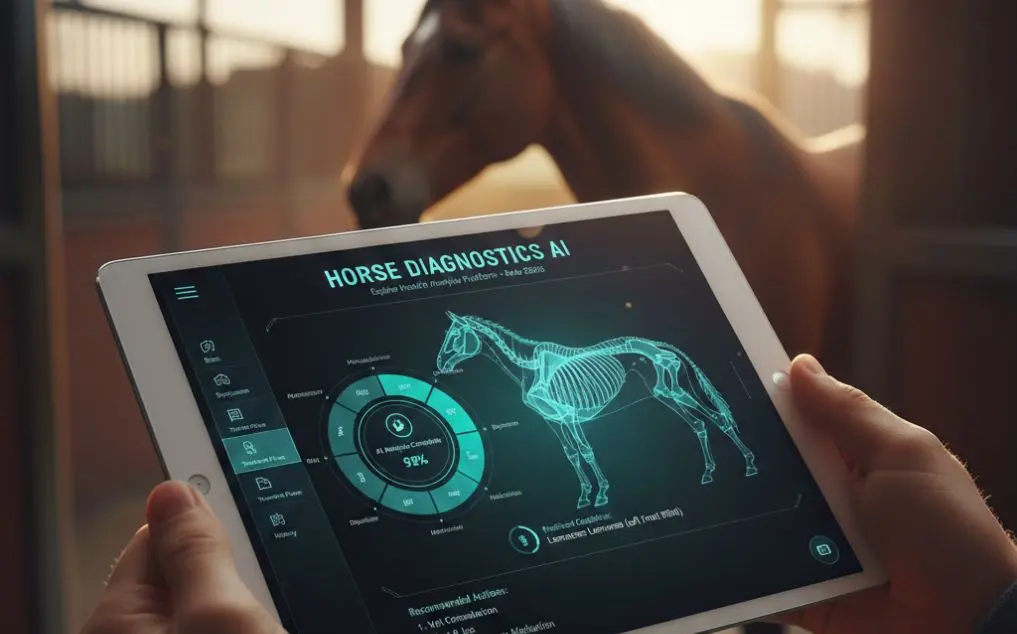

Animal care software has evolved from basic record-keeping tools into sophisticated platforms that transform how veterinary professionals deliver care. Whether you’re managing appointments, documenting SOAP notes, or analyzing patient trends, the right software makes the difference between drowning in administrative tasks and focusing on what matters most—the animals you serve.
However, not all animal care software is created equal. Today’s veterinary landscape demands solutions that go beyond digitizing paperwork. Modern platforms integrate artificial intelligence to automate documentation, surface critical insights, and support clinical decision-making. CompanAIn represents this next generation of veterinary technology—analyzing uploaded medical records, lab results, and health data to provide continuous real-time insights that help veterinarians catch emerging problems before they become emergencies.
Why Animal Care Software Matters in Modern Veterinary Practice

Running a veterinary clinic without proper software means juggling phone calls, paper files, manual appointment books, and disconnected systems that waste hours every single day. Inefficient workflows steal time from patient interaction and push administrative work into evenings and weekends.
That’s where animal care software delivers value. Digital systems consolidate patient histories, streamline scheduling, automate reminders, and ensure nothing falls through the cracks. Clinics using comprehensive platforms report reducing missed appointments by 30%, cutting administrative time by several hours weekly, and improving client retention significantly.
Beyond operational efficiency, software platforms enable better medicine. Complete digital records mean veterinarians access full medical histories instantly, track treatment responses over time, and identify patterns that might indicate underlying conditions. When integrated with AI-powered analytics like CompanAIn, these platforms transform raw data into actionable intelligence.
Core Features Every Animal Care Software Should Include
Patient Records Management
Centralized electronic medical records store comprehensive patient profiles including medical histories, vaccination records, diagnostic results, treatment plans, medications, and appointment notes. Digital documentation eliminates lost files, reduces transcription errors, and ensures the entire team accesses current information.
The best systems organize records chronologically and allow quick searches by patient name, condition, or treatment. Integration with diagnostic equipment means lab results populate records automatically.
Appointment Scheduling and Reminders
Efficient scheduling tools manage complex calendars across multiple veterinarians, examination rooms, and appointment types. Online booking capabilities let clients schedule directly, reducing phone volume. Automated reminders via text, email, or phone reduce no-shows dramatically—some clinics report cutting missed appointments by half.
Billing and Payment Processing
Integrated billing systems ensure accurate invoicing by automatically pulling procedures, medications, and services from patient records into itemized bills. This eliminates revenue leakage that occurs when services aren’t charged correctly.
Modern platforms support multiple payment methods including credit cards, digital wallets, pre-appointment deposits, and payment plans. Automated invoice generation and text-to-pay options accelerate payment collection.
Inventory Management
Tracking medications, vaccines, supplies, and equipment prevents shortages and reduces waste. Software systems maintain catalogs with product details, costs, quantities on hand, reorder points, and expiration dates. Automated alerts notify staff when stock runs low.
Integration between inventory and billing ensures that when products are used, they’re automatically deducted from inventory and added to the patient’s invoice.
Client Communication Tools
Robust communication features keep pet owners informed and engaged. Two-way texting allows quick conversations without phone-tag. Mass messaging broadcasts important announcements. Client portals provide 24/7 access to pet records, appointment history, and educational resources.
How AI Integration Elevates Animal Care Software
Automated Documentation and SOAP Notes
Many modern veterinary software platforms now include AI transcription tools that listen to veterinarian-client conversations during appointments and automatically generate comprehensive SOAP notes. These systems use natural language processing to identify key medical information, place observations in correct sections, and create structured documentation without manual typing.
Veterinarians using these AI scribes report saving 6+ hours weekly on documentation while producing more thorough, consistent records. This technology addresses one of the profession’s biggest pain points—the administrative burden that keeps veterinarians at work long after appointments end. These documentation tools create the detailed records that platforms like CompanAIn can then analyze for trends and insights.
Predictive Health Analytics
Advanced AI platforms analyze patient data across time to identify concerning trends before clinical symptoms become obvious. CompanAIn’s multi-agent AI system parses uploaded vet notes, lab results, and medical records to detect patterns suggesting early kidney disease, developing diabetes, or other chronic conditions.
This predictive capability shifts veterinary care from reactive crisis management to proactive prevention. Learn how AI tools for veterinary and farm animal care are transforming preventive health, improving efficiency, and supporting data-driven decisions.
Diagnostic Support and Decision-Making
AI tools assist with differential diagnoses by analyzing patient symptoms, history, and test results against vast databases of veterinary cases and peer-reviewed research. These systems provide additional perspectives, highlight conditions that might not be immediately obvious, and suggest appropriate diagnostic paths.
Radiology AI can analyze x-rays, ultrasounds, and other imaging in real-time, identifying fractures, tumors, organ abnormalities, and subtle changes that may be difficult to detect manually.
Pattern Recognition Across Patient Populations
AI excels at identifying patterns across thousands or millions of patient records. This capability helps practices recognize breed-specific risk factors, track disease trends within their patient population, and compare individual patients to relevant benchmarks.
CompanAIn leverages this by providing continuous real-time insights from medical data, comparing individual patient trends against established veterinary references and flagging deviations that warrant attention.
Selecting the Right Animal Care Software for Your Practice

Assess Your Practice's Specific Needs
Different practices have different priorities. Emergency clinics need rapid documentation and triage workflows. Large multi-location groups require robust reporting. Small independent practices value simplicity and affordability.
Start by identifying your biggest operational pain points. Is it excessive phone volume? Documentation backlog? Missed charges? Appointment no-shows? Choose software that directly addresses your most pressing challenges.
Evaluate Integration Capabilities
Your animal care software should connect seamlessly with diagnostic equipment, payment processors, lab providers, and other essential tools. Fragmented systems that don’t communicate create data silos, duplicate work, and increase error risk.
Ask potential vendors about existing integrations and API availability. The best platforms operate as hubs that unify all practice tools.
Consider Implementation and Training Support
Even excellent software fails if implementation is chaotic or staff aren’t properly trained. Evaluate vendors’ onboarding processes, data migration services, training resources, and ongoing support.
Look for vendors offering dedicated implementation specialists, comprehensive training, and accessible technical support.
Prioritize User Experience and Workflow Efficiency
Software that’s difficult to navigate or requires excessive clicks slows operations. During demos, pay attention to how intuitive the interface feels and whether common tasks flow logically.
The best platforms are designed by people who understand veterinary workflows—where bottlenecks occur, what information needs quick access, and how tasks connect across the care continuum.
CompanAIn: Intelligence Layer for Veterinary Data
While practice management systems handle daily operations, CompanAIn functions as an intelligence layer that makes sense of the medical data those systems generate. The platform doesn’t replace your existing animal care software—it enhances it by analyzing the wealth of information in patient records, lab results, and veterinary notes.
Multi-Agent AI System
CompanAIn’s architecture uses multiple specialized AI agents working together rather than a single model. Different agents focus on specific aspects of pet health—one analyzes bloodwork trends, another evaluates behavioral patterns, another assesses medication interactions. This multi-agent approach provides more nuanced insights than generalist AI systems.
Parsing Medical Documents
Veterinarians generate extensive documentation—consultation notes, lab reports, specialist referrals, diagnostic imaging reports, discharge instructions. CompanAIn ingests these documents, extracting key information and organizing it into a comprehensive digital health timeline that reveals the complete patient story at a glance.
Early Warning System
By continuously analyzing uploaded medical data, CompanAIn identifies concerning trends that might not be apparent from individual test results or appointments. Gradual increases in kidney values, subtle weight loss patterns, or incremental behavioral changes get flagged for review.
Critical alerts are validated by licensed veterinarians before reaching users, ensuring accuracy and clinical relevance. This hybrid human-AI approach combines machine learning’s pattern recognition capabilities with professional medical judgment.
Clinician-Grade Reports
CompanAIn generates detailed reports that veterinarians can review, annotate, and share. These reports synthesize complex medical histories into clear summaries, track key metrics over time, and highlight areas requiring attention.
Privacy and Compliance
Medical data requires rigorous protection. CompanAIn implements end-to-end encryption, complies with relevant data security standards, and ensures that sensitive health information remains private and secure.
The Future of Animal Care Software
The veterinary software landscape continues evolving rapidly:
Increased AI Integration
AI capabilities will become standard rather than optional. Documentation automation, predictive analytics, and diagnostic support tools will be expected features across platforms.
Telemedicine Expansion

Software platforms increasingly include telehealth capabilities—video appointments, remote triage, photo and video submission tools, and digital prescription management.
Enhanced Client Engagement
Pet owners expect digital experiences comparable to human healthcare. Client portals, mobile apps, educational content delivery, and personalized communication will become increasingly sophisticated.
Wearable and IoT Integration
Smart collars, activity trackers, and other connected devices generate continuous health data streams. Future animal care software will integrate this information, combining clinical records with real-world activity, rest patterns, and physiological measurements for comprehensive health monitoring.
While some platforms focus on wearable device integration, CompanAIn takes a different approach—concentrating on analyzing the rich medical data already captured during veterinary visits, lab testing, and clinical documentation. Rather than adding another data stream, CompanAIn extracts maximum value from existing veterinary records, making sense of years of accumulated health information that often goes underutilized.
CompanAIn: Your Partner in Data-Driven Care
Modern veterinary medicine generates enormous amounts of information. The challenge isn’t gathering data—it’s making sense of it quickly enough to drive better decisions. CompanAIn addresses this challenge directly by transforming medical records, lab results, and clinical notes into actionable intelligence.
Veterinarians using CompanAIn spend less time searching through scattered documents and more time understanding what the data reveals about their patients. The platform’s continuous real-time insights mean subtle warning signs get attention before they escalate, chronic conditions receive more targeted management, and treatment decisions draw on comprehensive historical context.
This isn’t about replacing veterinary expertise—it’s about augmenting it with powerful analytical tools that help busy professionals deliver better care despite increasing caseloads and administrative demands.
Choosing Software That Grows With Your Practice
Animal care software represents a significant investment of money, time, and organizational energy. The right platform streamlines operations, improves patient outcomes, enhances client satisfaction, and supports sustainable practice growth.
Take time to thoroughly evaluate options, prioritizing systems that address your specific needs, integrate smoothly with existing tools, offer strong support, and provide clear pathways for growth. Consider not just where your practice is today but where you want it to be in five years—the software you choose should support that vision.
When you’re ready to move beyond basic practice management into proactive, data-driven care, CompanAIn offers the analytical intelligence that makes comprehensive patient understanding possible. Contact CompanAIn today to discover how continuous real-time insights can transform your approach to veterinary medicine.
Frequently Asked Questions
What is animal care software?
Animal care software encompasses digital platforms that manage veterinary practice operations including patient records, appointment scheduling, billing, inventory management, and client communication. Modern systems increasingly integrate AI capabilities for documentation automation and predictive analytics.
How does AI improve animal care software?
AI enhances animal care software by automating SOAP note documentation, analyzing patient data to identify concerning trends, supporting diagnostic decision-making, and surfacing insights that might not be obvious from manual record review. CompanAIn provides continuous real-time insights by parsing uploaded medical documents and flagging patterns suggesting emerging health issues.
What's the difference between practice management software and CompanAIn?
Practice management software handles daily operational tasks—scheduling, billing, documentation, and workflow management. CompanAIn analyzes the medical data those systems generate, identifying trends, predicting health risks, and providing clinical intelligence that supports better patient care decisions. The two work together rather than competing.
How long does it take to implement new animal care software?
Implementation timelines vary based on practice size, data complexity, and existing system sophistication. Typical transitions take 4-12 weeks including data migration, testing, training, and adjustment period. Cloud-based platforms generally implement faster than server-based systems.
Can small practices afford comprehensive animal care software?
Yes. Many modern platforms offer scalable pricing based on practice size, with monthly subscription models that eliminate large upfront investments. The efficiency gains, reduced missed charges, and improved client retention typically offset costs quickly.
Is my patient data secure in cloud-based animal care software?
Reputable veterinary software vendors implement robust security measures including end-to-end encryption, automated backups, access controls, and compliance with data protection standards. CompanAIn specifically builds its infrastructure for secure handling of confidential veterinary records.