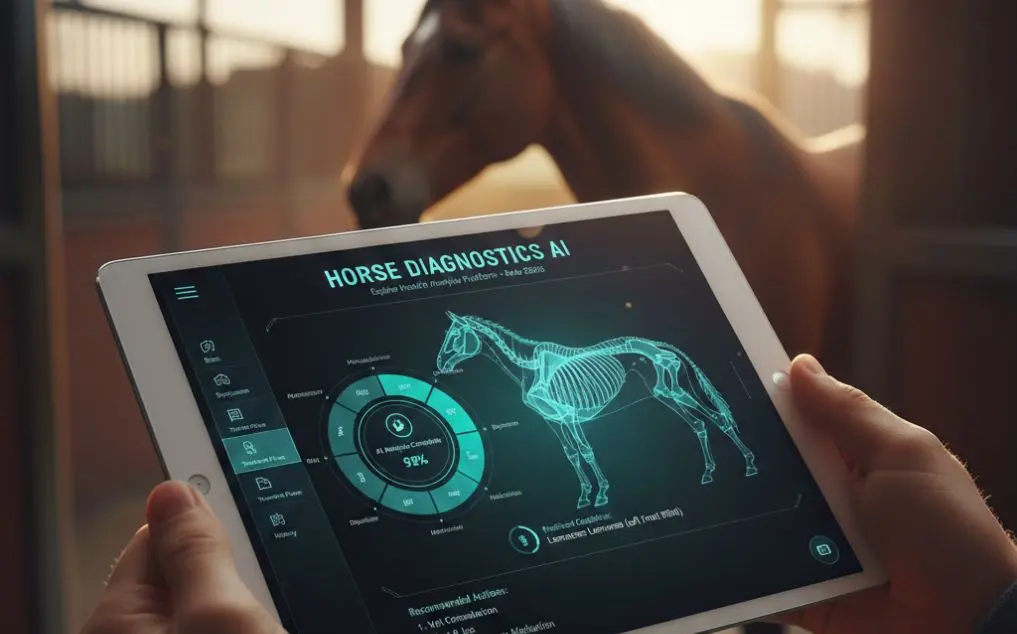

Diagnosing a subtle heart murmur on a rushed Tuesday morning, catching early kidney disease before symptoms appear, or interpreting ambiguous radiographs while three more patients wait—artificial intelligence in veterinary medicine solves problems veterinarians face every day. Whether you’re managing back-to-back appointments in a busy small animal clinic, handling emergency triage, or reviewing complex cases at a specialty hospital, diagnostic accuracy and time constraints create constant pressure.
AI-powered platforms cut through that pressure by automating time-consuming analysis and flagging critical findings that might otherwise slip through the cracks.
From imaging interpretation that takes seconds instead of minutes to predictive analytics that spot disease months before clinical signs emerge, artificial intelligence amplifies veterinary expertise without replacing it. Machine learning algorithms trained on millions of cases identify patterns invisible to the human eye and deliver insights that support faster, more confident clinical decisions.
AI also helps pet owners understand how often dogs need to go to the vet and monitor their health between visits , enabling proactive care and early intervention.
CompanAIn delivers AI diagnostic tools designed for real veterinary workflows—analyzing records, organizing timelines, and generating clinician-grade insights while veterinarians maintain complete control over patient care.
What Is Artificial Intelligence in Veterinary Medicine?
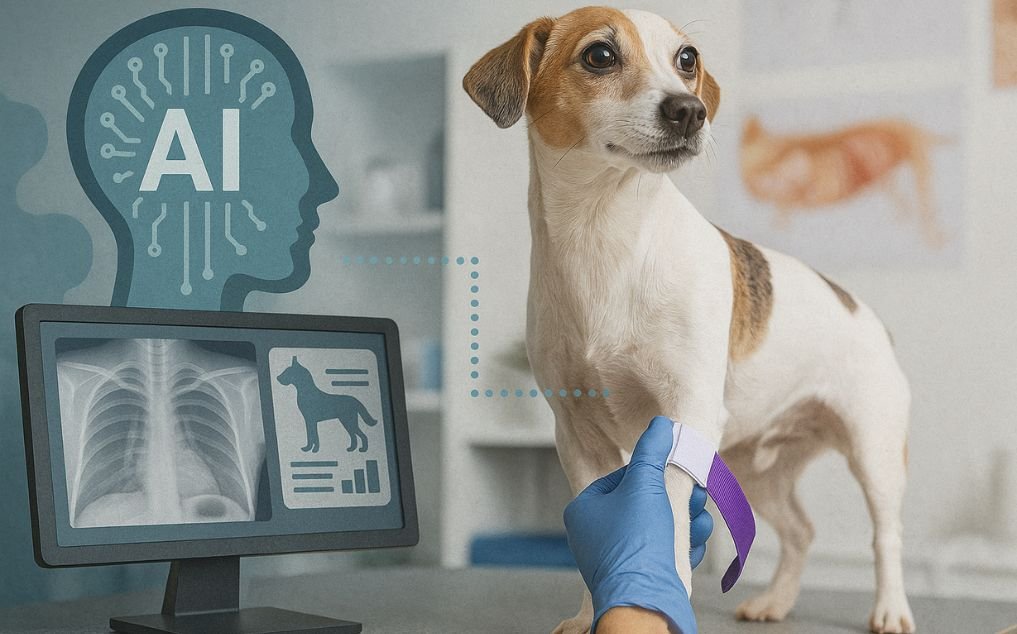
Artificial intelligence in veterinary medicine refers to computer systems designed to perform tasks requiring veterinary expertise—analyzing diagnostic images, identifying disease patterns, predicting health outcomes, and supporting clinical decisions.
Machine learning enables these systems to improve accuracy over time by learning from vast datasets of veterinary cases, lab results, imaging studies, and treatment outcomes.
The veterinary AI market is experiencing rapid growth, projected to expand at a compound annual growth rate of approximately 18-22% through 2030 according to industry analyses.
Recent surveys indicate approximately 30% of veterinarians already incorporate AI into their practices on a daily or weekly basis, with 83% reporting familiarity with AI technology.
CompanAIn operates at the intersection of veterinary expertise and machine learning innovation. The platform analyzes veterinary notes, lab results, imaging reports, and medical records to identify health trends, flag emerging concerns, and generate clinician-grade insights supporting evidence-based decisions.
AI-Powered Diagnostic Applications
Digital Pathology and Imaging Analysis
Radiographic interpretation consumes significant time in busy practices. AI-powered imaging analysis processes radiographs, ultrasounds, CT scans, and MRIs in seconds, highlighting areas of concern and providing preliminary assessments veterinarians can validate.
Machine learning algorithms trained on millions of diagnostic images achieve detection rates for tumors, fractures, and organ abnormalities that can match experienced radiologists. Commercial AI platforms report accuracy rates of at least 95% when compared to board-certified veterinary radiologists for common radiographic findings. Recent peer-reviewed research confirms AI performs well in identifying normal findings and specific diagnostic tasks, though human expertise remains essential for differential diagnosis.
Manual radiographic analysis for complex cases can require 15-30 minutes. AI systems complete preliminary analysis in under a minute, allowing veterinarians to review findings and spend more time with clients. CompanAIn’s platform integrates imaging analysis into comprehensive health monitoring, organizing radiographic findings alongside lab results and clinical notes to provide longitudinal health insights.
Dermatology and Ophthalmology Diagnostics
Skin conditions account for substantial veterinary consultations, yet diagnosis often requires specialized training. AI dermatology tools analyze photographs of skin lesions, comparing them against extensive databases to suggest potential diagnoses and recommend diagnostic tests.
Studies evaluating AI dermatology platforms show promising results, with systems achieving performance comparable to clinical pathologists in identifying inflammatory cells and infectious agents. Commercial platforms report precision rates of approximately 80% for detecting infectious agents.
AI ophthalmology tools analyze retinal images to identify cataracts, glaucoma, progressive retinal atrophy, and corneal ulcerations, helping practitioners triage cases appropriately and catch progressive diseases before irreversible damage occurs.
Clinical Decision Support and Disease Detection
Beyond diagnostic imaging, AI enhances treatment planning through clinical decision support systems that analyze patient data, medical literature, and treatment outcomes to recommend evidence-based therapeutic approaches.
Predictive analytics represent a powerful application—CompanAIn identifies early warning signs of chronic conditions such as kidney disease, diabetes, and cardiac dysfunction before clinical symptoms appear. This enables interventions when treatments are most effective.
Drug interaction checking and dosage optimization present another critical safety application. AI systems cross-reference prescribed medications against comprehensive databases, alerting veterinarians to potential adverse effects.
Personalized medicine approaches leverage AI to analyze genetic data, breed predispositions, and individual health histories to tailor prevention strategies and treatment protocols.
Cancer and Infectious Disease Detection
Early cancer detection dramatically improves treatment success rates. Machine learning algorithms trained on cytology images and clinical presentation patterns assist in identifying malignancies when surgical intervention offers the best outcomes.
Prognostic modeling helps veterinarians and pet owners make informed decisions about treatment intensity.
AI diagnostic tools analyze clinical signs, laboratory findings, and epidemiological data to suggest likely infectious agents and recommend testing protocols. This capability proves particularly valuable during disease outbreaks.
Breed-Specific Analysis and Early Warning Systems
Different breeds face distinct health challenges. AI platforms incorporating breed-specific health databases identify elevated risks for conditions and generate tailored preventive care recommendations.
CompanAIn leverages breed-specific knowledge to create early screening protocols addressing each patient’s unique risk profile.
Chronic diseases often progress silently until substantial organ damage occurs. AI-powered early warning systems analyze trends to detect subtle changes indicating disease onset.
By flagging these patterns months before clinical signs emerge, AI enables interventions that slow disease progression and maintain quality of life.
CompanAIn’s platform excels at longitudinal health monitoring, creating dynamic timelines that track changes across multiple parameters simultaneously.
Operational Benefits
AI delivers value beyond clinical diagnostics through operational efficiency improvements. AI-powered scheduling systems optimize calendar management by analyzing appointment patterns and procedure durations.
Predictive analytics applied to inventory management prevent stock shortages while minimizing excess costs.
Medical record systems organize clinical notes into searchable, chronologically organized timelines. CompanAIn transforms disorganized records into structured health narratives supporting continuity of care.
Current Limitations and Challenges
Despite impressive capabilities, AI in veterinary medicine faces several limitations. Veterinary medical records require protection through robust encryption and secure storage. Practices should verify security certifications before implementation.
Successful AI implementation requires seamless integration with existing practice management systems. CompanAIn prioritizes interoperability, ensuring AI capabilities enhance rather than disrupt established processes.
Modern AI platforms emphasize user-friendly interfaces requiring minimal technical expertise. CompanAIn provides comprehensive onboarding support typically requiring 1-2 hours of initial training.
The Future of AI in Veterinary Medicine

Academic institutions and technology companies collaborate on next-generation AI applications including automated surgical guidance, real-time intraoperative imaging analysis, and molecular diagnostics interpretation.
Research published in the Journal of Veterinary Internal Medicine demonstrates continuous advancement in AI accuracy and clinical applicability.
Remote consultations benefit significantly from AI diagnostic support. Context-aware, agentic AI systems further extend this capability by maintaining longitudinal understanding of each patient, allowing veterinary AI tools to reason across history, environment, and real-time data rather than isolated inputs. Integration of wearable technology data with CompanAIn’s platform creates comprehensive health monitoring that identifies subtle changes indicating developing health concerns.
CompanAIn envisions a future where AI serves as an indispensable partner in veterinary care—not replacing veterinary judgment but amplifying it through rapid data analysis, pattern recognition, and evidence-based recommendations.
By maintaining focus on practical clinical applications and accessibility for practices of all sizes, CompanAIn works toward democratizing AI diagnostic capabilities that improve outcomes while supporting sustainable veterinary practice.
Ready to Transform Your Veterinary Practice With AI?
Artificial intelligence in veterinary medicine represents practical tools that enhance diagnostic accuracy, streamline workflows, and enable proactive healthcare improving patient outcomes.
From automated imaging analysis to predictive health monitoring, AI applications deliver measurable benefits for veterinary practices ready to embrace evidence-based, data-driven care.
CompanAIn makes artificial intelligence accessible and effective for veterinary professionals committed to delivering exceptional patient care.
Whether managing a small mixed-animal practice or operating a specialty referral hospital, AI-powered diagnostic support helps you work smarter, make more informed clinical decisions, and dedicate more time to caring for animals and serving clients.
Frequently Asked Questions
Is AI in veterinary medicine replacing veterinarians?
No. Artificial intelligence serves as a diagnostic assistant and decision-support tool, not a replacement for veterinary expertise.
Veterinarians remain essential for physical examinations, treatment planning, client communication, and patient care. CompanAIn designs AI tools to complement veterinary judgment.
How accurate is AI in diagnosing animal diseases?
AI diagnostic accuracy varies by application and training data quality. For specific tasks such as radiographic analysis, commercial AI systems demonstrate accuracy rates of at least 95% when compared to board-certified specialists for common findings.
Studies show AI excels at confirming normal findings and identifying clear abnormalities, while complex cases require expert veterinary interpretation.
What's the cost of implementing AI in a veterinary practice?
Implementation costs range from $1,000-$5,000 annually for cloud-based subscription platforms to $50,000+ for comprehensive integrated systems.
CompanAIn offers scalable solutions designed to fit practices of different sizes, with most practices reporting 12-18 month payback periods through time savings, improved diagnostic accuracy, and increased client satisfaction.
Can small veterinary clinics afford AI technology?
Yes. Cloud-based AI platforms operating on subscription models have made technology accessible to small practices without substantial upfront capital investment. CompanAIn specifically prioritizes affordability and accessibility for practices of all sizes.
What types of cases can AI diagnose?
AI currently excels in imaging analysis (radiographs, ultrasounds, CT scans, MRIs), dermatology diagnostics, ophthalmology assessments, and laboratory result interpretation.
Applications continue expanding into cardiology, oncology, and orthopedics. Systems perform best in areas where large training datasets exist and diagnostic criteria are well-defined.
How is patient data protected when using AI tools?
Reputable veterinary AI platforms employ encryption equivalent to banking-level security, secure cloud storage with redundant backups, and compliance with veterinary data protection regulations.
CompanAIn implements comprehensive security measures including end-to-end encryption, regular security audits, and strict access controls.
Do veterinarians need special training to use AI tools?
Most modern AI platforms emphasize user-friendly interfaces requiring minimal technical expertise. Brief training sessions typically lasting 1-2 hours provide sufficient orientation.
CompanAIn provides comprehensive onboarding support including live training, video tutorials, documentation, and ongoing technical assistance.
What's the ROI for veterinary practices investing in AI?
Return on investment manifests through time savings from automated analysis, improved diagnostic accuracy leading to better treatment outcomes, increased client trust from access to cutting-edge technology, and enhanced practice reputation.
Average payback periods range from 12-18 months, with ongoing benefits accumulating as staff expertise with AI tools increases.