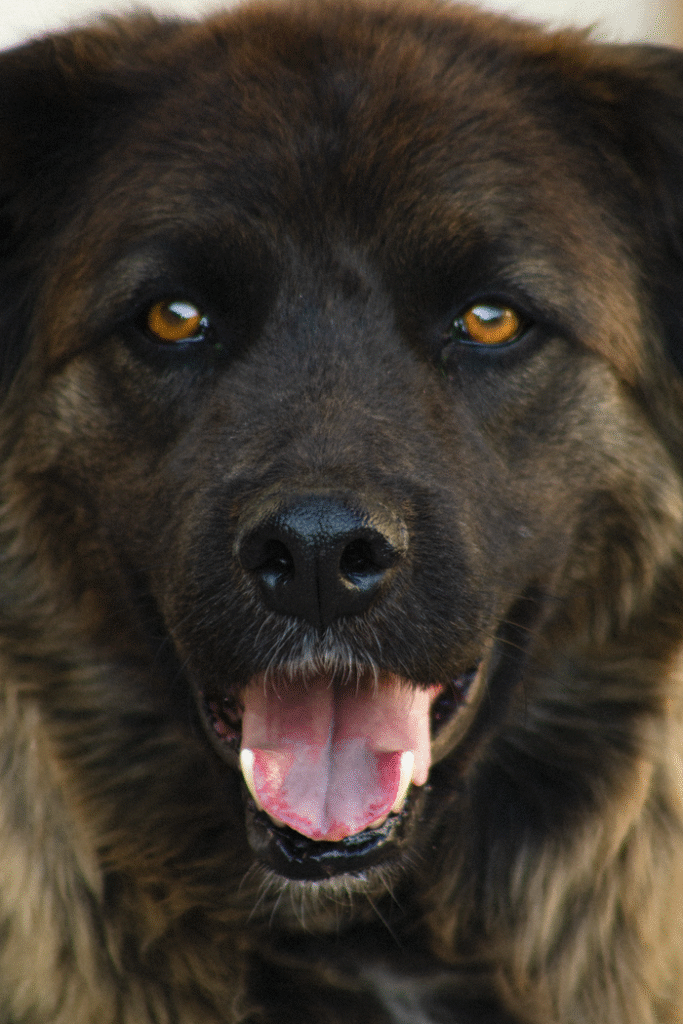

Watching your dog hesitate before jumping onto the couch—that split-second pause that wasn’t there six months ago—hits differently than reading about joint degeneration. The stiffness after their morning walk. The way they now take stairs one at a time instead of bounding up two.
Joint health represents one of the most significant quality-of-life factors for dogs, yet the market floods pet parents with conflicting claims. Some brands splash “joint support” across packaging while delivering barely therapeutic levels of key ingredients.
This analysis examines what science says about joint-supporting nutrition, evaluates leading formulas based on clinical evidence, and explores how AI platforms like CompanAIn help pet parents make data-driven mobility decisions.
Ready to move beyond guesswork? Discover how CompanAIn’s multi-agent AI system identifies early mobility changes and nutritional needs.
Understanding What Your Dog's Joints Actually Need
The Biology Behind Joint Degeneration
Healthy joints function through cartilage cushioning bone ends, synovial fluid lubricating movement, and inflammation-free tissues. This works flawlessly in young dogs, enabling explosive movement and tireless play.
Deterioration occurs through multiple pathways. Cartilage contains no blood vessels and relies on nutrients diffusing through synovial fluid. As dogs age or experience repetitive stress, cartilage wears down faster than the body can repair it.
Inflammation creates a vicious cycle. The immune system floods the area with cytokines attempting to repair damage. These molecules accelerate cartilage breakdown while causing pain, swelling, and reduced mobility. Weight-bearing becomes uncomfortable, leading to decreased activity, which further weakens supporting muscles.
Large breeds face disproportionate risks. During walking, dogs generate forces of approximately 30-55% of body weight per limb, increasing to 100-125% during running. German Shepherds, Golden Retrievers, and Rottweilers develop joint issues at significantly higher rates.
What Joint-Supporting Nutrition Must Accomplish
Cartilage Building Blocks: Chondroitin sulfate and glucosamine function as structural cartilage components. However, dosage determines efficacy.
Research suggests dogs require approximately 20 mg of glucosamine per pound of body weight daily. A 50-pound dog needs roughly 1,000 mg daily. Many “joint support” kibbles contain 375-500 mg per kilogram—you’d need astronomical quantities to reach effective doses.
Anti-Inflammatory Pathways: Omega-3 fatty acids—specifically EPA and DHA—interrupt inflammatory cascades at the cellular level. A randomized, double-blind trial found dogs receiving fish oil at 69 mg/kg body weight daily showed approximately 50% improvement in joint crepitus, pain, and effusion by day 42. The placebo group showed no improvement.
Muscle Maintenance: High-quality protein preserves lean muscle mass that supports and protects joints. As dogs reduce activity due to discomfort, muscle atrophy accelerates joint deterioration.
Weight Management: Every excess pound multiplies force through weight-bearing joints. Studies show even modest weight reduction—5-10% of body weight—produces measurable mobility improvements.
5 Dry Dog Foods That Support Joint Health
1. Hill's Prescription Diet j/d Joint Care
Hill’s Prescription Diet j/d is one of few foods formulated through veterinary clinical trials demonstrating measurable mobility improvements. Dogs consuming j/d improved their ability to move and jump within 21 days.
Efficacy stems from high concentrations of omega-3 fatty acids (approximately 2% dry matter), therapeutic levels of glucosamine and chondroitin, plus L-carnitine.
Key Ingredients: EPA & DHA from fish oil, glucosamine HCl, chondroitin sulfate, L-carnitine, antioxidants
Best For: Dogs with diagnosed joint disease requiring veterinary supervision
2. Blue Buffalo True Solutions Jolly Joints
Blue Buffalo’s formula balances joint-supporting ingredients with accessibility. The recipe incorporates glucosamine and chondroitin at meaningful concentrations, plus 1.5% omega-3 fatty acids—approaching therapeutic thresholds.
Real chicken serves as primary protein. The formula excludes by-products, corn, wheat, and soy while adding “LifeSource Bits”—cold-formed nutrient clusters with antioxidants.
Key Ingredients: Glucosamine, chondroitin, omega-3 fatty acids, vitamin E, antioxidants
Best For: Adult dogs showing early mobility changes or breeds predisposed to joint issues
3. Purina Pro Plan Veterinary Diets JM
Purina’s veterinary line delivers reliably high glucosamine concentrations—minimum 1,000 mg/kg. The formula’s elevated protein (30% dry matter) and fat content support muscle maintenance.
Calorie density makes this less suitable for overweight dogs. For lean dogs with mobility limitations, JM provides comprehensive support.
Key Ingredients: High-concentration glucosamine (1000+ mg/kg), EPA & DHA, chondroitin, elevated protein
Best For: Lean, active dogs with diagnosed osteoarthritis
4. Royal Canin Advanced Mobility Support
Royal Canin incorporates undenatured type-II collagen rather than standard glucosamine/chondroitin. Research suggests type-II collagen may work through immune-modulating mechanisms.
The formula includes turmeric extract—a source of curcumin with anti-inflammatory properties—plus omega-3 fatty acids.
Key Ingredients: Undenatured type-II collagen, turmeric extract, omega-3 fatty acids, antioxidants
Best For: Dogs who may benefit from alternative compounds beyond standard glucosamine
5. Purina ONE +Plus Joint Health
Purina ONE +Plus provides baseline protective nutrition without prescription requirements. The formula contains 500 mg/kg glucosamine, vitamin E, and 0.35% omega-3 fatty acids—lower than therapeutic thresholds but beneficial for prevention.
Key Ingredients: Glucosamine (500 mg/kg), vitamin E, omega-3 fatty acids, antioxidants
Best For: Young, healthy dogs from joint-prone breeds; budget-conscious households
Critical Nutrients Your Dog's Joints Need
Glucosamine & Chondroitin
Dogs benefit from approximately 20 mg glucosamine per pound daily. For a 50-pound dog, that’s 1,000 mg daily. Chondroitin works synergistically at roughly 15 mg per pound daily (750 mg for a 50-pound dog).
Most dry foods list glucosamine per kilogram. A formula with 500 mg/kg provides only about 230 mg per cup. At typical feeding rates of 2-3 cups daily, that delivers 460-690 mg—falling short of the 1,000 mg threshold.
This explains why veterinarians recommend glucosamine supplements alongside food. Even “joint support” kibbles rarely achieve therapeutic concentrations through diet alone.
Omega-3 Fatty Acids
Clinical trials consistently demonstrate measurable improvements in dogs receiving therapeutic omega-3 doses. Veterinary guidelines recommend approximately 75-100 mg combined EPA + DHA per kilogram body weight daily. For a 50-pound dog, that’s roughly 1,700-2,300 mg daily.
Quality marine oil supplements contain 30-40% combined EPA and DHA, meaning 1,000 mg of fish oil provides only 300-400 mg of active omega-3s.
Optimizing Omega-3 Absorption: Triglyceride vs. Ethyl Ester Forms
Most joint-supporting kibbles advertise fish oil content but rarely specify its chemical form. That detail matters. Studies in both humans and dogs show that triglyceride (TG) and phospholipid (PL) forms of omega-3s tend to have higher bioavailability than ethyl ester (EE) forms commonly used in lower-cost supplements.
Triglyceride-based fish oils—like those derived from wild Alaskan pollock or anchovy—are absorbed more efficiently in the intestinal tract, meaning dogs may achieve therapeutic EPA + DHA levels with smaller doses compared to ethyl ester alternatives.
Practical takeaway: When reviewing ingredient panels or supplements, look for terms like “natural triglyceride fish oil” or “re-esterified triglyceride (rTG)” rather than “ethyl ester.” This small distinction can improve anti-inflammatory efficacy and joint support outcomes.
Supporting Ingredients
MSM: This sulfur compound provides anti-inflammatory effects, though evidence remains less robust than for omega-3s.
Turmeric: Demonstrates anti-inflammatory properties in laboratory studies. Bioavailability challenges may limit efficacy unless formulas include absorption enhancers.
Green-Lipped Mussel: Provides omega-3 fatty acids plus glycosaminoglycans. Research shows benefits at approximately 77 mg per kilogram body weight daily.
The Gut–Joint Axis: How Oat Beta-Glucans May Reduce Systemic Inflammation
Emerging research suggests a potential “gut–joint axis” influencing inflammation throughout the body. Soluble fibers like oat beta-glucans act as prebiotic compounds, feeding beneficial gut bacteria that produce short-chain fatty acids linked to immune balance.
In animal and early canine studies, beta-glucan supplementation has demonstrated immunomodulatory and mild anti-inflammatory effects, which could theoretically complement omega-3–based joint support. While no trials have directly tested this synergy in dogs with osteoarthritis, the biological plausibility is strong.
What this means for your dog: choosing joint formulas that include oatmeal or oat fiber may deliver more than digestibility benefits—it may also support systemic inflammation control through the gut–immune pathway.
How AI Tracks What Your Dog's Joints Really Need
Even the most scientifically formulated food operates blindly without individualized feedback. Modern AI platforms transform reactive approaches into continuous, data-driven monitoring.
CompanAIn deploys specialized AI agents that track mobility patterns, correlate dietary changes with health outcomes, and alert owners to concerning trends before they become visible.
Multi-Agent AI Detection
Activity Pattern Recognition: Agents analyze movement data to establish baseline activity levels, then flag deviations. A dog who typically walks 8,000 steps daily but drops to 5,000 over two weeks triggers investigation prompts—potentially indicating emerging discomfort before limping appears.
Veterinary Record Integration: Clinical agents process visit notes, diagnostic imaging, and examination findings to identify joint-related diagnoses and track progression.
Dietary Correlation: Nutrition agents track foods consumed and correlate dietary changes with mobility metrics. When you switch formulas, the system monitors whether activity levels improve or decline.
Longitudinal Mapping: Rather than isolated data points, CompanAIn builds continuous health timelines, revealing gradual deterioration owners might normalize but actually represents treatable disease.
Early Pattern Recognition
AI systems detect earlier warning signs: subtle activity reductions, minor gait changes, delays in standing. These preclinical indicators allow intervention when joints remain healthy.
For high-risk breeds—German Shepherds, Labradors, Golden Retrievers, Rottweilers—this creates opportunities to implement joint-protective nutrition before arthritis develops.
Selection Strategies
Start With Current Joint Status
Prevention: Focus on moderate ingredients—glucosamine 500-750 mg/kg, omega-3s 0.5-1.0%. Purina ONE +Plus or Blue Buffalo fit this category.
Early Intervention: Upgrade to higher concentrations—glucosamine approaching 1,000 mg/kg, omega-3s 1.5-2.0%. Consider supplements to bridge gaps.
Active Management: Prescription diets like Hill’s j/d deliver highest concentrations. Combine with fish oil supplementation and weight management.
Calculate Actual Doses
- Find guaranteed analysis glucosamine content (mg/kg)
- Determine cups fed daily
- Multiply cups × weight per cup (typically 100-120g)
- Calculate: (mg/kg) × (kg fed daily) = mg glucosamine
- Compare to target: 20 mg per pound dog weight
If gaps are substantial, supplement.
Monitor Objectively
Implement objective tracking:
- Record mobility metrics weekly
- Video gait monthly
- Use activity tracking devices
- Consider CompanAIn for systematic mobility tracking
If metrics don’t improve after 6-8 weeks, re-evaluate.
Prioritize Weight
No nutrient package overcomes excess weight damage. A 50-pound dog carrying 5 extra pounds increases joint loading by 10%. Weight loss produces mobility improvements that may exceed supplement benefits.
Key Takeaways
Ingredient concentrations matter more than claims. Verify formulas deliver therapeutic doses. Most dogs with arthritis benefit from supplements even with joint-specific formulas.
Weight management delivers dramatic results. No ingredient compensates for excess weight. Achieving lean body condition may improve mobility more than any supplement in overweight dogs.
Omega-3s provide strongest evidence. Among joint-supporting nutrients, omega-3s show most consistent research backing for reducing inflammation and improving mobility.
Response requires patience. Allow minimum 6-8 weeks before concluding formula effectiveness. Track objective metrics rather than subjective impressions.
Individualized monitoring beats guidelines. AI-powered platforms that track specific mobility patterns, correlate dietary changes, and flag trends provide vastly more actionable information than generalized guidelines.
Ready to stop guessing? Explore how CompanAIn’s specialized AI agents monitor mobility patterns, interpret diagnostics, and provide personalized nutritional guidance.
Frequently Asked Questions
How long before I see improvement?
Research suggests improvements emerge within 4-6 weeks, with continued benefits through 12 weeks. Response varies based on severity, age, weight, and ingredient concentrations. Track specific metrics rather than impressions.
Can dry food alone provide enough support?
Most foods deliver insufficient concentrations. Prescription formulas approach therapeutic levels but may benefit from omega-3 supplementation. Young, healthy dogs may get adequate nutrition from quality food. Dogs with established arthritis benefit from adding dedicated supplements.
Are grain-free formulas better?
No evidence suggests grain-free formulas provide superior joint support. Focus on glucosamine, omega-3s, and protein quality rather than grain presence.
How do I balance weight loss with joint nutrition?
Prioritize weight loss. Mobility benefits from lean body condition exceed supplement benefits if dogs remain overweight. Feed lower-calorie formulas, then add supplements for therapeutic doses without excess calories. Target 1-2% body weight loss weekly.
When should I start joint-support formulas?
For breeds prone to dysplasia (German Shepherds, Labs, Golden Retrievers, Rottweilers), consider starting around 1-2 years once growth plates close. For other breeds, transition around age 7-8 for large breeds, 9-10 for medium, 11-12 for small.
Can joint-support food help after surgery?
Yes. Post-surgical recovery requires additional protein alongside joint-supporting nutrients. High-protein joint formulas work well during recovery. Once initial healing completes (4-8 weeks), transition to comprehensive joint-supporting nutrition. Combine with prescribed rehabilitation protocols.
Your dog’s mobility determines their quality of life. Evidence-based dietary choices—combined with weight management, appropriate activity, and objective monitoring—maximize the years your companion moves comfortably.