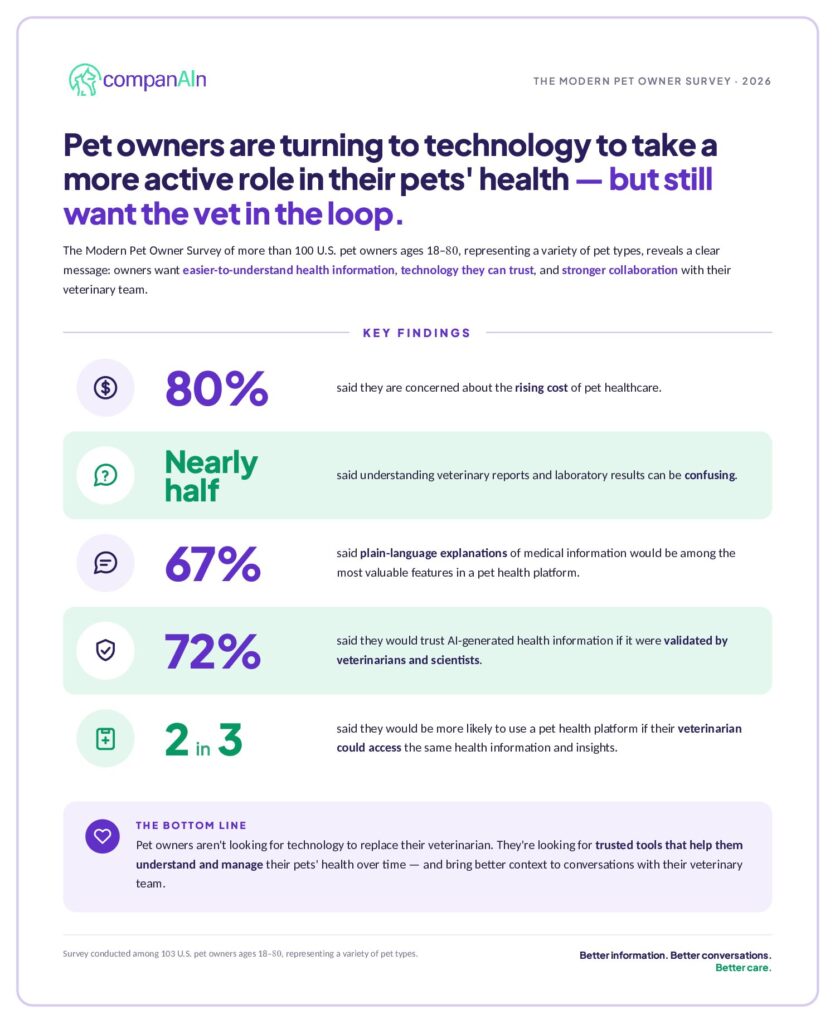

Getting your dog’s blood tested always sounds more straightforward than it actually is. Whether you’re scheduling a routine wellness check, investigating concerning symptoms, or monitoring a chronic condition, interpreting blood work results can feel overwhelming for both pet owners and veterinary professionals. The numbers, ranges, and medical terminology pile up fast, and making sense of what it all means for your dog’s health becomes part of the challenge.
That’s where AI-powered blood test analysis becomes a game-changer for veterinary care. CompanAIn combines advanced AI with veterinary references to make blood work easier to interpret, highlight trends, and support more informed conversations between owners and veterinarians.
From routine complete blood counts to comprehensive metabolic panels, the right AI analysis helps surface patterns that can inform veterinary decision-making and owner understanding. With predictive insights, pattern recognition, and seamless veterinary integration, it’s a tool that works quietly in the background. Knowing what blood markers indicate, how values trend over time, and when subtle changes signal larger issues can help you provide proactive care and catch health problems before they become serious.
Understanding Blood Tests for Dogs: Beyond the Numbers
Blood tests serve as a critical diagnostic window into your pet’s internal health, revealing information that physical examination alone cannot provide. Veterinary blood work encompasses multiple types of analyses, from basic screening panels to specialized tests targeting specific organs or conditions.
Essential Components of Canine Blood Work
Complete Blood Count (CBC): Measures red blood cells, white blood cells, and platelets to assess immune function, oxygen-carrying capacity, and clotting ability. Abnormal CBC values can indicate infections, anemia, or blood disorders.
Chemistry Panel: Evaluates organ function by measuring proteins, enzymes, and waste products in the blood. This includes kidney function markers like creatinine and BUN, liver enzymes such as ALT and AST, and blood sugar levels.
Thyroid Function Tests: Assess thyroid hormone production, particularly important for diagnosing hypothyroidism, a common condition in dogs affecting metabolism and energy levels.
Electrolyte Balance: Measures sodium, potassium, and chloride levels that regulate fluid balance and cellular function throughout the body.
The challenge isn’t just running these tests—it’s interpreting the complex interplay between different values, recognizing subtle patterns that indicate emerging health issues, and making treatment decisions based on comprehensive data analysis rather than isolated numbers.
Why Some Dogs Need More Frequent Blood Testing
Every dog’s health journey creates different monitoring requirements than expected. Whether you’re managing a senior dog’s age-related changes, tracking a chronic condition, or investigating new symptoms, knowing when to utilize blood test analysis keeps your veterinary care proactive and your dog’s health optimized.
Primary Use Cases for Regular Blood Monitoring
Senior Dog Health Management: Dogs over seven years old benefit significantly from routine blood screening every six months. Age-related organ function changes, early kidney disease, and hormonal imbalances often appear in blood work before clinical symptoms develop. Early detection through consistent monitoring allows for interventions that can extend quality of life.
Chronic Disease Management: Conditions like diabetes, kidney disease, liver disorders, and Cushing’s disease require ongoing blood work monitoring to track disease progression and medication effectiveness. AI analysis excels at identifying trends and flagging when health markers may warrant re-checks or closer veterinary review.
Secondary Applications for Blood Work Analysis
Pre-Surgical Screening: Anesthetic safety protocols require comprehensive blood work to ensure your dog can safely undergo procedures. Liver and kidney function must be adequate to metabolize anesthetic drugs, while complete blood counts reveal any underlying conditions that could complicate surgery.
Medication Monitoring: Many common dog medications, including NSAIDs for arthritis and seizure medications, can affect liver or kidney function over time. Regular blood work ensures these treatments remain safe and effective without causing organ damage.
Avoid the Guesswork: AI-Powered Blood Test Analysis Made Simple
The blood test analysis that CompanAIn offers includes comprehensive evaluation of all major blood work components—each providing insights into different aspects of canine health. Choosing the right analytical approach saves time, improves diagnostic accuracy, and enhances treatment outcomes.
Advanced Pattern Recognition
Trend Analysis: AI algorithms excel at identifying subtle changes in blood values over time that might be missed in single-point analysis. Machine learning models can detect early organ dysfunction by recognizing patterns in how multiple biomarkers change together.
This type of longitudinal interpretation is central to clinical pathology trend analysis in pet health, where changes across multiple lab results are evaluated together to detect early disease patterns that single blood tests can’t reveal.
Reference Range Optimization: Traditional reference ranges are population-based, but AI can establish personalized baselines for individual dogs. This means detecting significant changes even when values remain within “normal” ranges but represent meaningful shifts for that specific patient.
Multi-Parameter Integration: Instead of evaluating each blood value independently, AI analysis considers the relationships between different markers. For example, the ratio between certain liver enzymes may be more meaningful in identifying patterns worth veterinary attention.
Predictive Health Analytics
AI-powered analysis goes beyond describing current blood work results to highlighting patterns in blood chemistry that may suggest early risk factors for conditions like kidney disease or diabetes — supporting earlier veterinary follow-up. By analyzing patterns in blood chemistry changes, predictive models can identify dogs at risk for developing conditions like kidney disease or diabetes months before clinical symptoms appear.
Early Warning Systems: CompanAIn’s algorithms can flag concerning trends that warrant closer monitoring or preventive interventions, enabling proactive rather than reactive veterinary care.
Treatment Response Prediction: AI analysis helps track whether blood values are improving or worsening over time, supporting vets in evaluating treatment effectiveness.
What Blood Test Results Reveal (And What They Don't)
Using blood test analysis is straightforward when you understand what different values indicate and their limitations. Some findings provide clear diagnostic direction, while others require additional testing or monitoring to reach definitive conclusions.
Certain conditions require specialized blood-based screening rather than general panels, such as the heartworm SNAP blood test for dogs, which detects heartworm antigen and plays a critical role in preventive care and early diagnosis.
Definitive Diagnostic Indicators
Kidney Function Markers: Elevated creatinine and BUN levels often indicate decreased kidney function, though they typically don’t become abnormal until 75% of kidney function is lost.
Liver Enzyme Elevation: Increased ALT, AST, and alkaline phosphatase levels indicate liver cell damage or dysfunction, though the pattern of elevation helps determine the underlying cause.
Blood Sugar Abnormalities: Consistently elevated glucose levels can suggest diabetes mellitus, but require veterinary confirmation and context, while extremely low levels may indicate insulinomas or other metabolic disorders.
Values Requiring Additional Context
Mild Anemia: Slightly low red blood cell counts could indicate internal bleeding, nutritional deficiencies, chronic disease, or bone marrow disorders. Additional testing and clinical correlation are essential for accurate diagnosis.
Elevated White Blood Cell Counts: While this often indicates infection or inflammation, stress, certain medications, and some cancers can also cause similar changes.
Protein Level Variations: Both high and low protein levels can result from multiple causes, requiring comprehensive analysis of the specific protein types and clinical presentation.
Smart Interpretation: Factors That Shape Blood Test Accuracy
The reliability of a blood test for dogs can vary significantly based on several factors. Understanding these variables helps ensure accurate results and appropriate clinical decisions—and knowing them ahead of time can help you optimize the diagnostic value with fewer surprises.
Factors Affecting Test Accuracy
Sample Collection Timing: Fasting status affects glucose and lipid levels, while stress from veterinary visits can temporarily elevate white blood cell counts and glucose levels.
Medication Interference: Certain drugs can affect blood work results. Steroids commonly used for allergies or inflammation can increase liver enzymes and affect glucose levels, while some antibiotics may temporarily alter kidney function markers.
Age and Breed Considerations: Normal reference ranges may vary between different dog breeds and life stages. Sight hounds like Greyhounds naturally have different red blood cell counts than other breeds, while senior dogs may have slightly different baseline values.
Optimizing Blood Work Quality
Pre-Test Preparation: Following your veterinarian’s fasting instructions and minimizing stress during sample collection helps ensure accurate results.
Communication with Your Veterinary Team: Informing your veterinarian about all medications, supplements, and recent health changes helps them interpret results in proper context.
Consistent Laboratory Analysis: Using the same laboratory for serial monitoring helps ensure consistency in methodology and reference ranges.
Built for Accuracy: Why Veterinarians Choose AI-Enhanced Blood Work Analysis
Veterinary blood work interpretation in dogs comes with unique challenges that CompanAIn addresses through specialized AI technology. The platform combines pattern recognition with veterinary expertise to deliver insights that enhance rather than replace professional clinical judgment.
Comprehensive Data Integration
Historical Trend Analysis: CompanAIn maintains detailed records of each dog’s blood work history, enabling identification of gradual changes that might be missed when viewing results in isolation. This longitudinal analysis is particularly valuable for monitoring chronic conditions and treatment responses.
Multi-System Assessment: Rather than analyzing organ systems independently, the platform evaluates how changes in one system might affect others. For example, kidney disease can impact red blood cell production, and liver dysfunction can affect protein synthesis.
Clinical Decision Support
Evidence-Based Recommendations: AI analysis provides treatment suggestions based on extensive databases of clinical outcomes and research findings, helping veterinarians make informed decisions about next steps in diagnosis or treatment.
Risk Stratification: The platform helps prioritize which abnormalities require immediate attention versus those that can be monitored over time, supporting efficient clinical workflow and resource allocation.
Client Communication Enhancement: Clear visualizations and explanations help veterinarians communicate complex blood work findings to pet owners, improving compliance with recommended treatments and monitoring schedules.
Seamless Practice Integration
CompanAIn is designed to generate structured summaries and reports from uploaded lab results, making it easier for owners to share insights with their veterinarian. This reduces administrative burden while ensuring that significant findings receive prompt attention.
Automated Alerts: The system can highlight concerning trends in uploaded lab results, helping prioritize which findings may deserve faster follow-up with a veterinarian.
Report Generation: Comprehensive reports combine current results with historical trends and clinical recommendations, supporting thorough case documentation and continuity of care.
The Future of Canine Blood Work: AI-Driven Precision Medicine
A blood test for dogs should always feel comprehensive, accessible, and actionable for both veterinary professionals and pet owners. Whether you’re investigating acute symptoms, monitoring chronic conditions, or maintaining preventive care schedules, the right AI analysis keeps your diagnostic accuracy high and your treatment decisions evidence-based.
CompanAIn transforms routine blood work from an isolated snapshot into a longitudinal health record, helping identify trends across time. Through advanced analytics and machine learning, the platform helps identify health changes earlier,track treatment progress more clearly and support more personalized veterinary care conversations. When you’re ready to enhance your veterinary practice’s diagnostic capabilities, we’re ready to deliver the insights that drive better outcomes.
Contact CompanAIn today to learn how AI-powered blood work analysis can transform your approach to canine health monitoring and bring precision medicine to your veterinary practice.
Frequently Asked Questions
How often should my dog have blood work done?
Healthy adult dogs typically need annual blood work, while senior dogs (over 7 years) and those with chronic conditions benefit from testing every 6 months. Your veterinarian may recommend more frequent monitoring based on specific health concerns or medications.
Can AI blood work analysis detect diseases before symptoms appear?
Yes. AI excels at identifying subtle pattern changes that may indicate early disease development. By analyzing trends across multiple biomarkers, the system can flag potential health issues months before clinical symptoms become apparent.
What makes AI analysis more accurate than traditional interpretation?
AI systems can analyze multiple variables at once and compare them against established veterinary references and patterns from historical cases. This enables detection of subtle patterns and correlations that might be missed in conventional single-point analysis.
Do all veterinary practices have access to AI blood work analysis?
CompanAIn is expanding availability to veterinary practices nationwide. The platform integrates with existing laboratory systems and practice management software, making adoption straightforward for most clinics.
How does AI analysis handle breed-specific variations in blood work?
The system incorporates breed-specific reference data and can establish personalized baselines for individual dogs. This ensures that analysis accounts for natural variations between different breeds and body types.
Can AI replace my veterinarian's expertise in interpreting blood work?
No. AI serves as a diagnostic support tool that enhances veterinary decision-making rather than replacing it. The technology provides data analysis and pattern recognition while veterinarians maintain responsibility for clinical interpretation and treatment decisions.