
Few things rattle a pet owner more than a phone call from the vet listing abnormal blood work. Before you spiral into worry about kidney failure or something worse, consider a factor that frequently skews lab numbers in dogs: dehydration. Canine dehydration can temporarily alter blood work across multiple panels, making results look alarming when the main issue is fluid loss rather than organ damage.
This article focuses specifically on how blood tests change in a dehydrated dog-what the numbers mean, which patterns point to simple fluid deficit, and which should prompt deeper investigation. Dogs can show signs of dehydration within 24 hours without water, and puppies and senior dogs are at higher risk for reaching dangerous levels quickly.
The reassuring reality is that many “abnormal” results on a complete blood count or serum chemistry panel improve once hydration is corrected. But they still require veterinary attention to interpret properly. Tools like CompanAIn help pet owners track labs over time so patterns related to hydration and illness become visible, rather than buried in a stack of printouts.
How Dehydration Changes the Blood: The Basic Science
When a dog becomes dehydrated-through vomiting, diarrhea, panting, excessive urination, or simply not drinking enough-the plasma (liquid portion of the blood) shrinks. Dehydration in dogs alters blood volume and fluid balance, but the blood cells and proteins floating in that plasma stay roughly the same. The result is a phenomenon called hemoconcentration: same number of cells and proteins suspended in less liquid, so every measured concentration appears artificially high on lab reports.
Dogs lose fluids through panting and urination even under normal conditions. Dehydration can occur from excessive exercise without water, prolonged hot weather, or underlying illness. The concentration effect touches multiple parts of blood work at once-the complete blood count, chemistry panel, and electrolyte status-and can mimic serious disease states if the vet doesn’t factor hydration into the picture.
Consider a straightforward scenario: a dog with acute diarrhea on a hot July day presents with elevated blood urea nitrogen, a high hematocrit, and increased total protein. The lab report screams kidney problems. After intravenous fluids over 12–24 hours, every value drops back to normal. The dog’s health was compromised by fluid loss, not organ failure.
Measurement | Well Hydrated Dog | Dehydrated Dog |
|---|---|---|
Plasma volume | Normal | Reduced |
Red blood cell concentration | Normal | Appears elevated |
Blood protein concentration | Normal | Appears elevated |
BUN / Creatinine | Normal | Often elevated |
Complete Blood Count (CBC) Changes in Dehydrated Dogs
The complete blood count is one of the most sensitive panels to fluid shifts. Even mild dehydration can push values outside reference ranges, and the changes become more dramatic as fluid loss worsens.
Red blood cells. Packed cell volume (PCV) and hematocrit (HCT) rise as plasma contracts around a stable mass of red blood cells. Hemoglobin concentration climbs in parallel. Research on dogs grouped by hydration status found graded increases in PCV and hemoglobin from mild to severe dehydration compared to euhydrated controls. Mean corpuscular hemoglobin concentration (MCHC) may also shift as hemoglobin packs more tightly inside shrunken cells. This pattern can mimic polycythemia-or, dangerously, mask true anemia. In Addison’s disease, for example, underlying anemia may be hidden until the dog is rehydrated and the HCT falls below normal. A vet uses these values alongside clinical context to detect anemia that dehydration may be concealing. Immature red blood cells (reticulocytes) should also be evaluated to understand whether the bone marrow is responding appropriately.
White blood cells. White blood cells-the body’s immune cells-can be affected by both hemoconcentration and the stress response that often accompanies illness. Dehydration alone may modestly raise the white blood cell count, but a stress leukogram (high neutrophils, low lymphocytes) typically signals something beyond simple fluid loss, such as infectious diseases, allergic or parasitic conditions, or chronic inflammation.
Platelets and blood clotting. The platelet count may appear elevated through concentration, though platelets are less reliably impacted than red blood cells. Still, artificially high counts matter because they can obscure bleeding disorders or other blood clotting abnormalities that need attention.
Elevated total protein on the CBC/PCV-TP combination is a hallmark of dehydration. Elevated total protein results from decreased plasma volume, not from overproduction. If context is missed, this finding can look like liver or hemolytic disease. Blood protein levels normalize quickly after rehydration in most cases, which is why tracking trends matters. A platform like CompanAIn can show historic CBC trends so owners see whether high HCT or total protein is new-or has appeared during previous dehydration episodes.
Serum Chemistry: Kidney Values and Proteins Affected by Dehydration
Kidney-related blood work and serum protein levels are among the most commonly affected markers when a dog is dehydrated. Common laboratory changes due to dehydration include elevated BUN and creatinine levels, but the pattern of elevation matters enormously.
Pre-renal azotemia. Dehydration affects kidney blood flow and alters waste product clearance. Blood urea nitrogen often rises more than creatinine because reduced kidney perfusion increases urea reabsorption in the tubules. This disproportionate rise-an elevated BUN with only modestly increased creatinine-is the classic fingerprint of pre-renal azotemia. If creatinine stays high after fluid therapy, true kidney disease or even kidney failure becomes a serious concern. Tools like the SDMA test can help clarify kidney function earlier than creatinine alone.
Proteins. Albumin, total protein, and globulins all climb with hemoconcentration. Low albumin in the face of high total protein is a red flag for liver disease or protein-losing conditions rather than simple dehydration. Serum protein and blood protein values that remain abnormal after rehydration should prompt investigation for hemolytic disease, active liver damage, or bile duct problems.
Liver enzymes. Mildly increased liver enzymes (ALT, AST, ALP) sometimes appear due to transient hypoperfusion of the liver. However, severe or persistent elevations-especially of enzymes tied to liver damage-warrant further workup for organ function issues, skeletal muscle damage, or other underlying causes.
Pattern comparison:
- Likely dehydration pattern: Elevated BUN with mildly elevated creatinine, high total protein and albumin, values that normalize after fluids.
- More concerning pattern: Persistently high creatinine after rehydration, low albumin despite high total protein, abnormal liver enzymes that don’t resolve.
CompanAIn’s AI summaries can flag likely dehydration-related patterns and prompt questions to ask the vet, such as “Were these results taken before or after intravenous fluids?”
Electrolytes and Acid–Base Changes Linked to Canine Dehydration
Electrolyte levels can shift during dehydration depending on what type of fluid the dog lost. Sodium, potassium, and chloride move with water and are critical for heart, muscle, and brain function. Electrolyte imbalances left uncorrected can become life-threatening.
- Sodium (Na): Pure water loss-from heat stroke, heavy panting, or limited drinking-tends to raise sodium levels. High sodium levels can indicate dehydration in dogs when water loss exceeds salt loss. Conversely, fluid loss through vomiting or diarrhea may pull sodium down, creating hyponatremia. Dehydration can initially mask low sodium until fluids are given.
- Potassium (K): Vomiting and certain diuretics lower potassium. Elevated potassium levels may indicate dehydration combined with kidney failure or Addison’s disease. Dangerously high potassium can cause cardiac arrest, making electrolyte status an urgent assessment.
- Chloride (Cl): Typically tracks with sodium. Severe gastrointestinal losses deplete chloride, contributing to metabolic alkalosis.
- Calcium: Dehydration can alter serum calcium readings. Because calcium binds to albumin, hemoconcentration may artificially raise serum calcium. Conditions like active bone growth in puppies, certain cancers, or heart disease may independently shift calcium and should be distinguished from concentration effects.
- Blood sugar: Though not a classic electrolyte, glucose can fluctuate with dehydration. Diabetes mellitus causes excessive urination and secondary dehydration, so a dehydrated dog with high blood sugar should be evaluated for diabetes.
- Acid–base balance: Moderate to severe dehydration with poor perfusion often produces metabolic acidosis from lactic acid buildup. If vomiting dominates, metabolic alkalosis can result. These shifts are interpreted by the veterinarian using blood gas analysis, not at home.
Electrolyte disturbances can occur in dehydrated dogs based on fluid loss type, so the vet’s job is to match the lab pattern to the clinical story.
Urinalysis: Concentrated Urine and What It Tells You
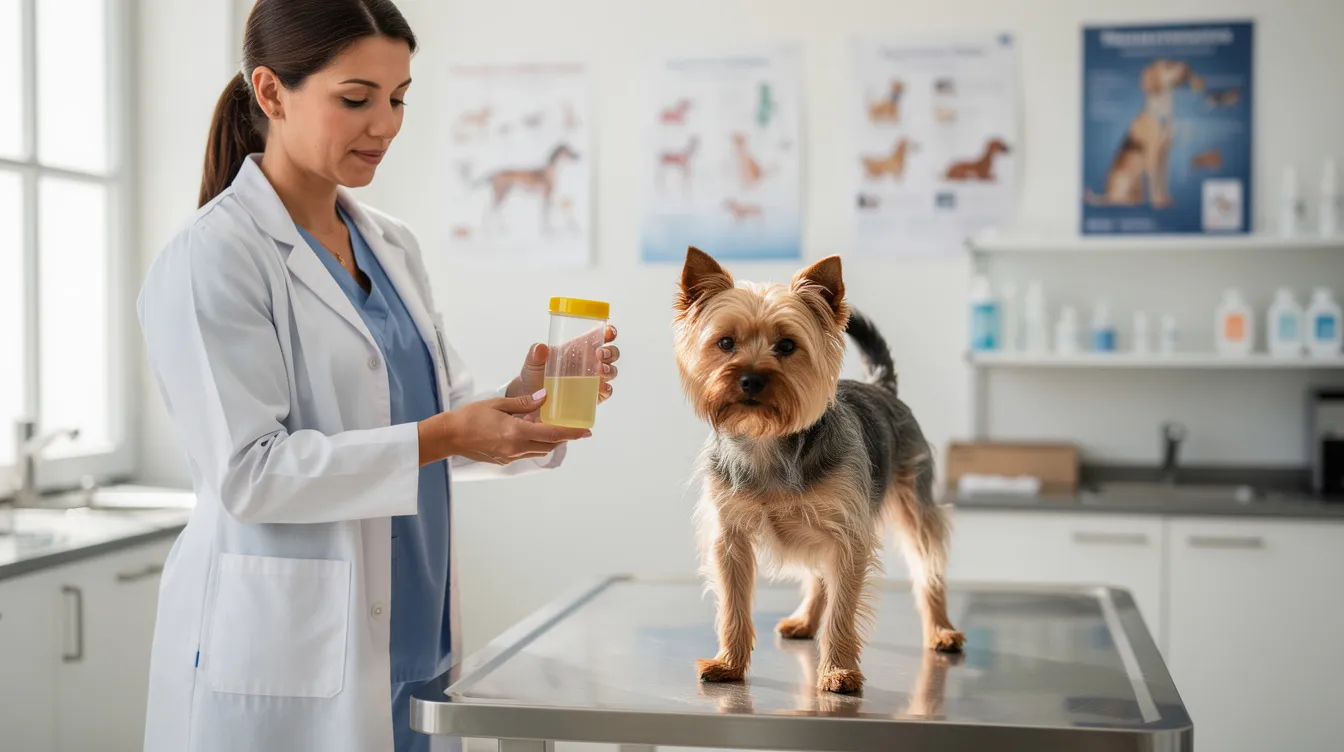
Urine tests run alongside blood work are essential for separating dehydration from true kidney damage. Increased urine specific gravity (USG) indicates concentrated urine in dehydrated dogs-a sign the kidneys are working hard to conserve water. In water deprivation studies, healthy dogs reached USG values between 1.050 and 1.076. Urine production can decrease and become darker in dehydrated dogs, something owners may notice at home.
A urinalysis helps evaluate hydration and can supplement diagnosis of kidney versus pre-renal causes. Here is the critical distinction:
- Concentrated urine (USG > 1.030) + high BUN/creatinine → More likely dehydration (pre-renal azotemia). Kidneys are doing their job.
- Dilute urine (USG ~1.010) + high BUN/creatinine → Strongly suggests chronic kidney disease or endocrine problems. Kidneys are failing to concentrate.
If a dehydrated dog’s urine remains dilute, the concern shifts sharply toward intrinsic renal disease, urethral obstruction, or conditions like Cushing’s disease (corticosteroid excess) that impair concentrating ability. Older dogs naturally lose some concentrating capacity, which muddies interpretation in geriatric patients.
Tracking urine specific gravity values over time using a platform like CompanAIn-or referencing a guide on interpreting dog urine test results-helps owners and vets see whether kidneys repeatedly fail to concentrate urine.
Clinical Signs vs. Lab Numbers: Skin Elasticity, Gums, and Vitals
Veterinarians never interpret lab numbers without performing a physical examination of the dog. Bedside findings and blood work tell a combined story.
The skin tent test is a classic assessment. A vet gently lifts the skin over the dog’s neck or between the shoulder blades. In a hydrated dog, the skin snaps back to its normal position immediately. In a dehydrated dog, reduced skin elasticity means the skin returns slowly-or stays tented. According to AAHA fluid therapy guidelines, even 5–6% body weight loss in fluid shows changes in skin turgor, while losses above 10% produce weak pulses, sunken eyes, and signs of hypovolemia.
Signs of dehydration in dogs include dry or tacky gums, loss of skin elasticity, sunken eyes, and lethargy. When these findings correlate with high HCT and elevated total protein on labs, the picture points strongly to fluid deficit.
Conversely, if a dog has normal skin elasticity and moist gums but severely abnormal lab results, dehydration alone is unlikely to explain everything-deeper investigation for organ dysfunction is warranted.
A dog whose skin tent and dry gums improved after fluids, along with normalization of previously high HCT and total protein, is a textbook example of dehydration-driven lab changes resolving with rehydration.
Distinguishing Dehydration from Underlying Disease on Blood Tests
Dehydration is often a symptom, not the primary disease. The veterinary approach is methodical: stabilize the dog with fluid therapy, then repeat blood tests after rehydration-often within 12–48 hours-to see which values normalize. Veterinarians recheck blood work after fluid therapy to assess dehydration effects and separate them from persistent organ damage.
Patterns suggesting mostly dehydration: High HCT + high total protein + elevated BUN with only mildly increased creatinine + concentrated urine. A typical dehydration pattern includes high PCV, elevated BUN, and total protein that resolve after fluids.
Patterns suggesting intrinsic disease: Persistently high creatinine post-fluids, abnormal electrolytes that don’t correct, low albumin, or dilute urine despite clinical dehydration. These warrant further workup, possibly including an ACTH stimulation test for Addison’s disease, thyroid hormone panels to signal hypothyroidism, or imaging for inflammatory bowel disease.
Chronic conditions like kidney disease can lead to dehydration in a vicious cycle-damaged kidneys waste water, which worsens dehydration, which further damages kidneys. Diseases where dehydration and organ damage overlap include chronic kidney disease, pancreatitis, diabetes mellitus, Cushing’s disease, and severe gastrointestinal illness. In the early stages of many of these conditions, dehydration-related lab swings may be the first clue.
Tracking multiple panels over weeks or months in CompanAIn helps clarify whether abnormal blood work is a one-time dehydration event or part of a chronic pattern pointing to organ dysfunction.
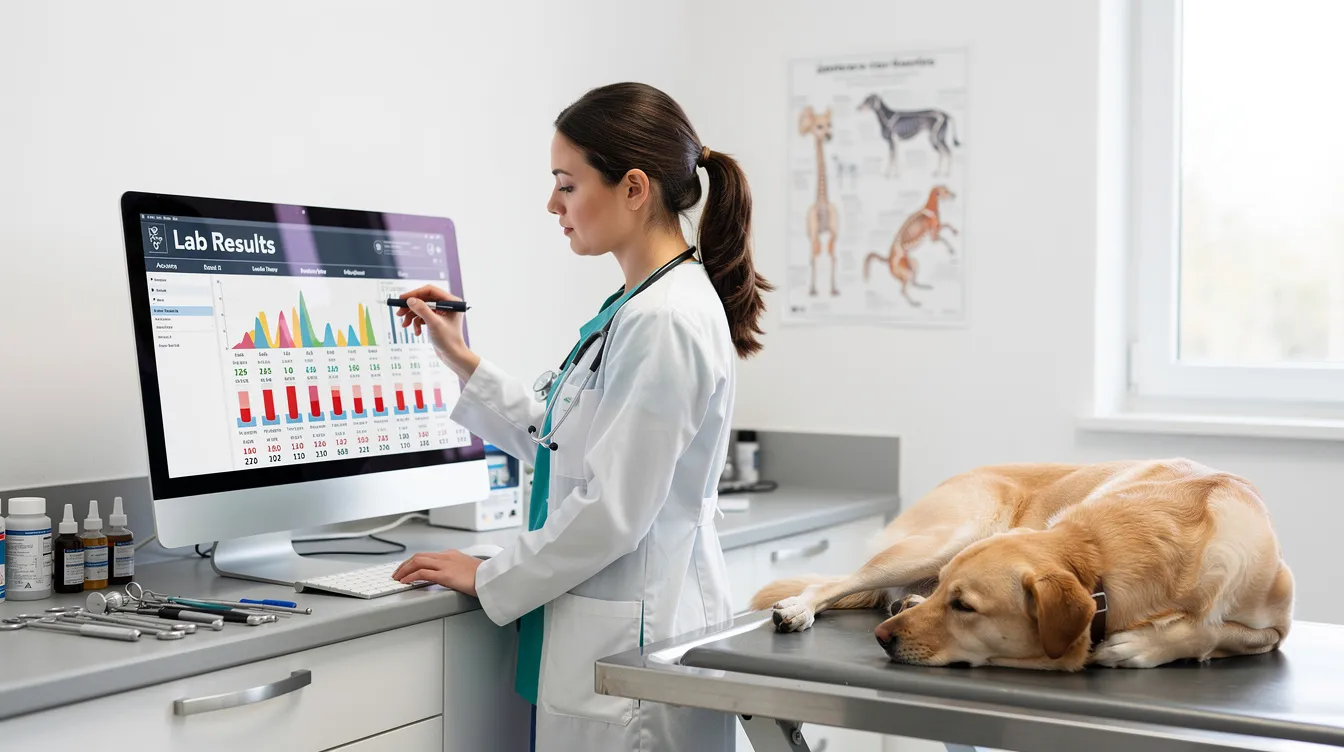
When Dehydration Makes Blood Work Look Worse Than Your Dog Feels
It is genuinely frightening to see a lab report covered in red “high” flags when your dog seems only a bit tired. But mild to moderate canine dehydration-from a short bout of vomiting, a long hike in hot weather, or a day of reduced water intake-can significantly shift laboratory values even when the dog is still eating and walking around.
Picture a 4-year-old Labrador whose blood work after a summer agility trial shows elevated HCT, elevated BUN, and high total protein. The owner panics. But after 24 hours of fluid therapy and access to a cool environment with fresh water, repeat labs come back normal. The dog never had kidney disease-it had heat-related fluid loss.
Mild dehydration can be managed at home with water provided ad libitum, which is the least invasive fluid replacement strategy. Severe dehydration often requires IV fluids or subcutaneous fluid administration supervised by a veterinarian. Heat stroke, prolonged vomiting, or diarrhea cross the threshold into veterinary emergency territory. Certain breeds are more susceptible to heat-related dehydration, and puppies require more water per body weight than adults.
Pet owners should never assume “it’s only dehydration” without professional input. But it is entirely reasonable to ask the vet whether fluid status may be contributing to abnormal results. CompanAIn’s AI assistant can help formulate specific questions based on your dog’s lab trends and recent history, serving as a helpful starting point for a second-opinion conversation.
Practical Questions to Ask Your Vet About Dehydration-Related Blood Work
Walking into the vet’s office with prepared questions transforms a confusing appointment into a productive one. Here are questions worth asking:
- “Which of these abnormal values might be explained by dehydration alone?”
- “Do we plan to repeat the blood work after my dog is rehydrated?”
- “How did my dog’s urine specific gravity look compared to the kidney markers?”
- “Are any of these changes severe enough that you’re concerned about permanent kidney or liver damage?”
- “Could an underlying condition like Addison’s disease, Cushing’s disease, or diabetes be driving the dehydration?”
- “What early warning signs should I watch for at home before the next visit?”
Ask for a copy of the complete blood count and chemistry report so you can upload it to CompanAIn and review trends over time. If the vet mentions terms like “pre-renal azotemia,” “hemoconcentration,” or “electrolyte imbalance,” request a plain-language explanation. CompanAIn can also provide owner-friendly definitions after the appointment to reinforce what you learned.
How CompanAIn Helps You Track and Understand Dehydration Effects Over Time
Understanding a single lab report is useful. Seeing how lab values shift across months-across seasons, illnesses, and recoveries-is transformative. That is exactly where CompanAIn fits into your dog’s health journey.
Users can upload or sync veterinary blood tests (CBC, chemistry, electrolytes, urinalysis) into a dynamic health timeline that highlights when results were taken during illness, hot weather episodes, or before and after fluid therapy. Dogs need extra water during hot weather or vigorous exercise, and hot weather increases the risk of dehydration-patterns that CompanAIn can correlate with lab swings over time.
CompanAIn’s AI can:
- Flag patterns consistent with dehydration, such as repeated spikes in HCT and total protein after episodes of vomiting or summer heat.
- Summarize trends in kidney values, electrolytes, and proteins across visits.
- Generate clinician-grade summaries to share with the dog’s veterinarian through a secure vet portal.
For veterinary professionals, this means quicker review of past blood work, easier detection of chronic disease versus one-off dehydration episodes, and better communication with proactive pet owners who track body weight, hydration habits, and organ function data.
Combining timely veterinary care with ongoing data tracking and AI interpretation helps catch true disease earlier-and reduces unnecessary panic over dehydration-related lab swings. If your dog’s next blood work comes back with a few red flags, upload the results to CompanAIn before your follow-up call. The patterns in the data may tell you more than any single lab report ever could.