
Your cat stops greeting you at the door. She’s always been your welcoming committee, but for the past week, she stays hidden under the bed until dinner. Or your normally calm tabby suddenly hisses at his lifelong companion. Or you notice bare patches on your cat’s belly from obsessive licking that started seemingly overnight.
These behavioral changes rarely represent defiance or personality shifts. They signal stress responses with physiological consequences. The challenge: cats evolved to mask vulnerability, and stress symptoms often appear days or weeks after triggering events. By the time you notice hiding, aggression, or over-grooming, the underlying stress has been building invisibly.
This guide addresses what behavioral changes actually mean, how to distinguish stress from medical problems, and why multi-cat households amplify stress in ways that affect individual cats differently. Understanding that behavioral changes reflect cumulative stress thresholds rather than isolated incidents transforms how you approach these problems.
Struggling to identify patterns when behavioral changes seem random? CompanAIn’s AI-powered health tracking correlates environmental changes with delayed symptom onset, revealing connections between household disruptions and behavioral changes that appear days later.
Why Do Cats Hide Their Stress Until It Becomes Serious?
Cats inherited survival instincts from wild ancestors where showing weakness invited predation and competition. Domestic cats retain this evolutionary masking behavior, concealing discomfort, pain, and stress until conditions become severe.
By the time you notice obvious problems, significant stress has already accumulated.
Stress triggers a hormone cascade. Acute stress activates fight-or-flight responses. Chronic stress elevates cortisol persistently, suppressing immune function, disrupting digestion, increasing inflammation, and affecting urinary and cardiovascular health.
Feline Idiopathic Cystitis develops bladder inflammation within days of stress exposure. Immune suppression makes previously stable cats vulnerable to upper respiratory infections within one to two weeks. Over-grooming creates visible hair loss over weeks of repetitive behavior.
Cats display stress through behavior reduction rather than dramatic actions. Decreased interaction seems like “being independent.” Reduced grooming appears as laziness until matted fur becomes obvious.
Slightly increased hiding gets attributed to normal cat behavior until the cat stops emerging entirely. These gradual changes blend into daily routines, becoming noticeable only when they reach extremes.
How Can I Tell If Hiding Is Normal Or A Problem?
Normal hiding involves brief retreats from specific triggers like visitors or vacuum cleaners, with return to normal behavior within hours. Problematic hiding means extended periods under beds or in closets, often lasting hours or days without clear triggers.
Hiding exceeding 24 hours continuously warrants veterinary examination. A cat who typically sleeps on your bed but suddenly hides in the basement has changed their comfort zone dramatically.
What Do Changes In Social Interaction Mean?
Decreased greeting behavior often appears first. Cats who previously met you at the door now stay in other rooms. Reduced lap sitting, avoiding previously enjoyed activities, and changes in sleeping location preferences all indicate altered comfort levels.
Increased startle responses make cats jump at normal household sounds that never bothered them before. These changes reflect altered security perceptions where cats feeling stressed avoid predictable locations and interactions that make them feel vulnerable.
When Does Grooming Indicate Stress Versus Medical Problems?
Over-grooming creates visible hair loss in specific patterns. Psychogenic alopecia typically affects the belly, inner thighs, and legs. Stress grooming often shows symmetrical patterns on both sides of the body, as the skin underneath usually appears normal without inflammation, distinguishing it from dermatological conditions.
Under-grooming manifests as a matted coat, unkempt appearance, and decreased self-maintenance. This signals pain making grooming difficult, depression reducing motivation, or illness creating lethargy.
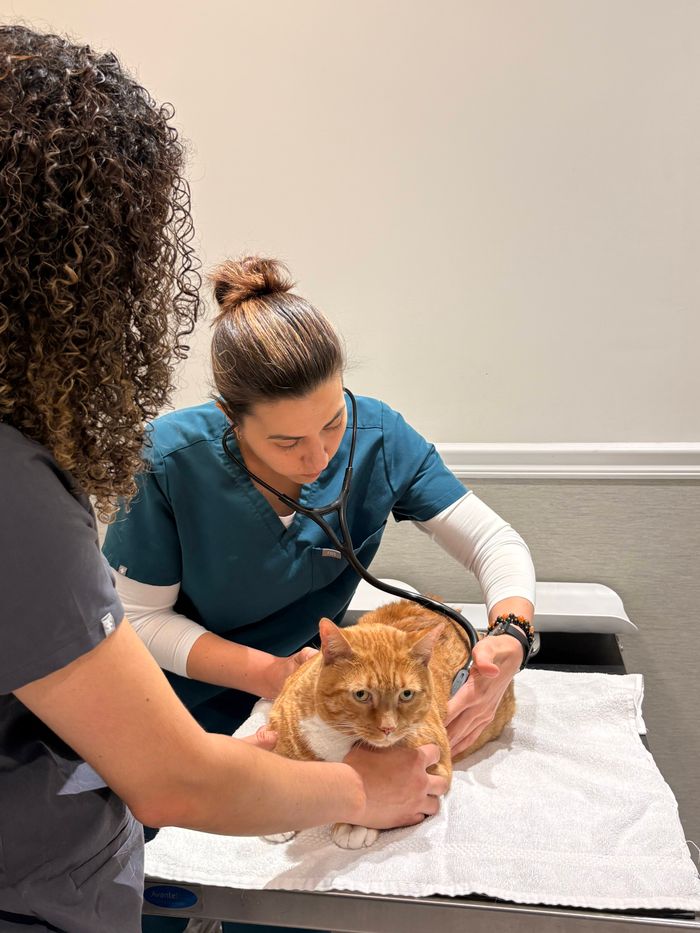
Senior cats showing decreased grooming should receive arthritis evaluation, since reaching certain body areas becomes painful with joint disease. Any sudden grooming change warrants veterinary examination before assuming behavioral causes.
What Appetite Changes Signal Stress?
Stress anorexia represents the most common pattern where anxious cats reduce food intake gradually or refuse meals entirely. Some cats show food-seeking stress responses instead, eating faster or demanding food constantly. Preference changes signal problems when cats suddenly refuse favorite foods. This pickiness often reflects nausea, oral pain, or associating certain foods with stress events. Critical warning: cats not eating for more than 24 to 48 hours risk fatty liver disease, which becomes life-threatening rapidly.
Should I Worry About Changes In Vocalization?
Increased meowing without clear cause warrants investigation. Excessive vocalization often signals discomfort, disorientation, or distress. Nighttime vocalization proves particularly concerning in senior cats since it may indicate cognitive dysfunction. Any sudden excessive vocalization requires thyroid screening since hyperthyroidism commonly causes increased vocalization in older cats.
When Does Aggression Indicate A Medical Problem?
Pain-induced aggression appears suddenly when cats get touched in specific areas. A cat who loved petting but now bites when you touch their back likely experiences spinal or hip pain. Dental disease causes face-touching aggression.
Aggression shows as defensive posturing with flattened ears, dilated pupils, hissing, and escape attempts. Redirected aggression occurs when cats cannot reach the actual stressor so they lash out at wrong targets, like an indoor cat seeing an outdoor cat through a window, then attacking their housemate.
How Can AI Pet Health Tools Detect Stress Earlier?
CompanAIn’s pattern recognition identifies behavioral changes before they become obvious. When your cat’s nighttime activity decreases 30 percent over three weeks, stops greeting you consistently, or reduces grooming frequency, the Health Analyzer flags these deviations from established baselines, prompting evaluation before stress-related illness develops.
What Activity Pattern Changes Should Concern Me?
Key indicators include reduced play initiation, decreased nighttime movement, and increased rest periods.
Healthy cats sleep 12 to 16 hours daily, with most occurring overnight. Persistent nighttime pacing, vocalization, or restlessness correlates with pain conditions, cognitive decline, or anxiety disorders requiring evaluation.
CompanAIn advantage: Log daily observations of social interaction, grooming, appetite, and vocalization. CompanAIn’s Living Memory tracks these behaviors over weeks and months, establishing your cat’s unique baseline. When patterns shift, the system flags deviations for veterinary discussion.
How Does Stress Actually Make Cats Sick?
Stress creates physiological consequences beyond behavioral changes. Understanding these physical manifestations helps explain why environmental management proves essential for health maintenance.
Chronic cortisol elevation suppresses immune function, making previously stable cats vulnerable to infections. Upper respiratory viruses that cats successfully controlled for years can flare during stress periods. Wound healing slows significantly. This immune suppression explains why stressed cats in shelters or multi-cat households experience more frequent illness.
Gastrointestinal effects appear quickly during stress, and health issues like inflammatory bowel disease often worsens during stress periods. Stress-induced vomiting and diarrhea result from altered gut motility and increased stomach acid production, while appetite suppression through stress hormones compounds nutritional problems.
Why Do Urinary Problems Appear After Stressful Events?
Feline Idiopathic Cystitis represents the most direct stress-urinary connection. FIC involves sterile bladder wall inflammation triggered primarily by stress. Research shows environmental stressors days before symptom onset correlate with FIC flares. Multi-cat household urinary issues often reflect chronic low-level stress from resource competition and territorial tensions.
What Dermatological Problems Result From Stress?
Psychogenic alopecia describes hair loss from excessive self-grooming driven by anxiety. Cats overgroom specific areas compulsively, creating symmetrical bald patches typically on the abdomen, inner thighs, and forelegs. The skin underneath usually appears normal initially, though chronic licking can cause secondary infections. Stress triggers flea allergy dermatitis flares in susceptible cats. Eosinophilic granulomas, inflammatory skin lesions, show strong stress associations in some cats.
Why Do Symptoms Appear Days Or Weeks After The Actual Stressor?
Physiologic lag exists between trigger exposure and clinical manifestation. Bladder inflammation develops over days as stress hormones accumulate. Immune suppression takes time to make cats vulnerable to infections. Repetitive grooming behaviors must occur for weeks before creating visible hair loss.
Cumulative effects create threshold responses. A cat tolerates minor stressors in isolation. Litter brand changes alone cause no problems. Schedule disruptions independently prove manageable. But when three minor stressors combine within one week, they exceed the cat’s stress tolerance threshold. Symptoms appear suddenly despite gradual stress accumulation.
Can AI tools track delayed stress responses in pets? Yes. CompanAIn’s timeline correlation identifies environmental changes preceding symptom onset by days or weeks. When FIC flares, the system references patterns like outdoor cat activity near windows three days before symptoms, house guests five days before, and litter brand change seven days before. This pattern recognition reveals triggers missed by memory alone.
What Environmental Factors Trigger Stress In Cats?
Environmental stressors range from obvious disruptions like moving to subtle changes like new cleaning products.
How Do Household Changes Affect Cats?
Moving represents total environmental disruption where cats lose all territorial familiarity simultaneously. Renovation brings noise from power tools, unfamiliar workers, and space restrictions. Furniture rearrangement disrupts territorial security since cats navigate by spatial memory and scent marking. New appliances introduce unfamiliar sounds and vibrations.
Which Social Changes Are Most Stressful?
New pets represent the most significant social stressor. New household members including babies, roommates, or partners alter household dynamics substantially. Changes in existing pet dynamics occur when illness makes one pet less tolerant. Loss of a bonded companion through death or rehoming creates profound stress as cats grieve companion losses.
What Sensory Stressors Affect Cats?
Outdoor cats visible through windows represent a major trigger that owners frequently overlook. Indoor cats seeing unfamiliar cats in their territory experience threat responses without ability to defend, creating chronic stress. Construction noise, loud appliances, and washing machine vibrations create acoustic stress. Unfamiliar scents from new cleaning products or air fresheners alter the olfactory environment. Cats rely heavily on scent for territorial security, so unfamiliar odors prove unsettling.
Do Routine Disruptions Really Matter?
Yes. Daylight saving time changes affect feeding schedules. Seasonal schedule shifts alter activity patterns. Feeding time inconsistency creates anticipatory stress since cats develop strong expectations around meal timing. Play and interaction time variability reduces predictability.
CompanAIn advantage: Log environmental changes as they occur by noting started renovation, house guests arrived, or changed litter brand with specific dates. When behavioral changes appear days later, CompanAIn correlates symptoms with these logged events, revealing delayed stress responses.
How Do Multi-Cat Households Create Chronic Stress?
Multi-cat households present unique challenges where resource competition and social dynamics create stress even without obvious conflict.
What Is Resource Competition And Why Does It Matter?
Resource competition functions as a chronic stressor even without overt aggression. Dominant cats control feeding areas, preventing subordinate cats from eating comfortably. Water stations create similar dynamics. Litter boxes become contested resources through blocking behaviors, dirty boxes, or inadequate numbers forcing sharing. Vertical territory provides security through elevation, and insufficient high spots force cats into exposed areas where they feel vulnerable.
Is Social Hierarchy Always Obvious?
Social hierarchies often lack obvious dominance displays. Subtle blocking behaviors where cats sit in doorways or stare at other cats prove remarkably effective. Resource guarding occurs without overt aggression when one cat simply positions themselves near food or litter boxes. Stress affects both subordinate and dominant cats.
What Types Of Inter-Cat Aggression Exist?
Play aggression involves normal social play that sometimes escalates beyond acceptable intensity. Redirected aggression occurs when cats cannot reach the actual stressor so they attack available targets. The classic example involves indoor cats seeing outdoor cats through windows, then attacking housemates. Non-recognition aggression happens after vet visits when one cat returns smelling unfamiliar. Territorial aggression in established households suggests significant environmental or social changes.
How Can I Identify Which Cat Is Stressed In Multi-Cat Homes?
Behavioral changes affect different cats differently. One cat may show urinary issues while another over-grooms and a third experiences appetite changes. Individual tracking requires deliberate attention. Notice which cat hides when visitors arrive. Track who eats first and who waits. Observe litter box usage patterns and monitor social interactions.
When Does Rehoming Become Necessary?
Persistent aggression despite intervention warrants rehoming consideration when cats regularly fight with injury potential, when one cat shows constant fear-based behavior, or when medication and environmental management fail. Chronic stress-related illness indicates the environment exceeds their coping capacity. Consult with a veterinarian before making a rehoming decision.
How Do AI Pet Health Trackers Help In Multi-Cat Households?
CompanAIn maintains separate profiles for each cat. The Health Analyzer identifies which cat shows declining patterns, correlates stress responses with household events, and tracks whether interventions improve specific individuals.
What Are The Best Stress Reduction Strategies?
Effective stress management combines resource optimization, environmental enrichment, routine maintenance, and targeted interventions.
How Should I Optimize Resources In My Home?
Litter boxes require one per cat plus one extra, distributed across the home. Large uncovered boxes measuring 1.5 times the cat’s length provide adequate space. Food stations should be separate locations preventing competition. Water sources need multiple stations. Fountains increase water consumption through movement attraction. Vertical territory via cat trees, wall shelves, and furniture tops provides elevated security. Hiding spots including enclosed beds, cardboard boxes, and quiet rooms offer retreat options.
What Environmental Enrichment Reduces Stress?
Interactive play for 10 to 15 minutes twice daily with wand toys provides physical exercise and mental stimulation, mimicking hunting behavior. Puzzle feeders slow eating while providing cognitive engagement. Window perches with bird feeders outside provide environmental enrichment. Rotating toys prevents boredom. Scratching posts in multiple locations with various textures allow normal territorial marking.
CompanAIn advantage: Log each intervention with implementation dates. CompanAIn tracks behavioral changes following interventions, identifying which strategies reduce stress for your specific cat. Some cats respond dramatically to added vertical territory while others need pheromone support or routine consistency.
How Long Does It Take For Stress Reduction To Work?
Understanding realistic timelines prevents discouragement and ensures appropriate intervention persistence.
Immediate improvements (1-3 days):
- Removing acute stressors (visitors leave, construction ends)
- Adding resources (new litter boxes immediately available)
- Providing safe spaces (cat-only room access)
Short-term improvements (1-2 weeks):
- Pheromone diffusers reaching effectiveness
- Routine establishment showing benefits
- Environmental enrichment increasing engagement
Medium-term improvements (2-6 weeks):
- Resource optimization showing sustained effects
- Behavioral patterns stabilizing
- Multi-cat dynamics adjusting
Long-term improvements (6+ weeks):
- Anxiety medication reaching full effectiveness (SSRIs)
- Chronic stress recovery (immune function, GI health normalizing)
- Sustained behavioral changes
Why recovery takes time:
- Physiologic recovery from chronic stress requires weeks for hormonal systems to rebalance
- Trust rebuilding after trauma or major stressors needs time for security perception to change
- Learned behavioral patterns take time to extinguish and replace with new responses
- Multi-system effects resolve at different rates depending on which systems were most affected
CompanAIn advantage: CompanAIn’s AI tracking documents recovery timelines specific to your cat. After implementing stress reduction strategies, the system shows insights like ‘hiding decreased from six hours daily to two hours over four weeks’, ‘grooming frequency normalized by week six’, and ‘appetite improved from 60 percent to 90 percent over eight weeks’.
What Should I Monitor To Track Improvement?
Systematic tracking enables objective assessment of intervention effectiveness. When taking care of a feline, quantified metrics prove more reliable than subjective impressions.
What Behavioral Metrics Matter Most?
Hiding duration measured as hours per day provides quantifiable data. Social interaction including greeting behavior, lap sitting, and play initiation shows engagement levels. Grooming frequency indicates comfort. Appetite measured by meals eaten demonstrates security. Elimination patterns track urinary health. Vocalization frequency reveals distress levels. Activity patterns indicate mobility. Aggression incidents show improvement or deterioration.
What Physical Health Markers Indicate Progress?
Weight stability shows adequate nutrition. Coat condition reflects grooming maintenance. Skin lesions from over-grooming should heal. Urinary health through frequency and volume indicates bladder wellness. Gastrointestinal function measured by vomiting and diarrhea frequency shows digestive health.
What Is The Good Days Versus Bad Days Metric?
Tracking the proportion of days with normal versus stressed behavior provides a big picture assessment of your cat’s health. Looking at weekly or monthly patterns shows real progress better than daily variations do.
CompanAIn transforms daily observations into quantified trends. Instead of relying on human assessment, the system shows objective data like hiding duration decreased 40 percent over four weeks, social interaction increased from two out of seven days to five out of seven days, and appetite improved from 70 percent to 95 percent meals eaten.
When Should I Consult A Veterinary Behaviorist?
Specialist consultation becomes appropriate when problems exceed general practitioner scope or when comprehensive intervention attempts fail.
Problems warranting specialist consultation:
- Aggression toward humans including unprovoked biting
- Severe inter-cat aggression not improving with environmental management
- Compulsive behaviors including excessive grooming to self-harm (indicating obsessive-compulsive disorder)
- Severe anxiety unresponsive to environmental management and basic interventions
- Complex multi-cat household dynamics beyond general practitioner scope
Comprehensive behavioral assessment examines complete history, environmental factors, and social dynamics. Customized behavior modification plans address specific problems with evidence-based protocols, and follow-up monitoring tracks progress and modifies approaches as needed.
How can AI pet tracking help with behaviorist consultations? CompanAIn generates comprehensive behavioral history reports for specialist consultations. The platform documents symptom timeline with environmental correlations, intervention attempts and their effects, medical workup completed, medication trial results, and quantified behavior patterns. This thorough documentation allows behaviorists to develop targeted plans immediately.
How Can AI Technology Help Manage Behavioral Health In Cats?
Traditional behavioral management relies on owner memory, making accurate history difficult. Identifying patterns requires analysis beyond human capability.
CompanAIn identifies specific patterns like one cat showing increased hiding behavior three to five days after household visitors, correlating with previous FIC flare patterns. Another cat exhibits over-grooming specifically when outdoor cats are visible through east-facing windows. A third cat’s appetite decreases following any litter brand change. These individualized patterns would be nearly impossible to recognize through memory alone.
How Does Veterinary Integration Work?
CompanAIn generates behavioral timeline reports with quantified data. It shows symptom progression alongside medical records. Documentation of intervention effectiveness objectively proves what works. Behaviorists receive comprehensive history immediately.
This transformation from subjective impression to objective measurement enables proactive intervention, accurate specialist consultation, and evidence-based treatment decisions.