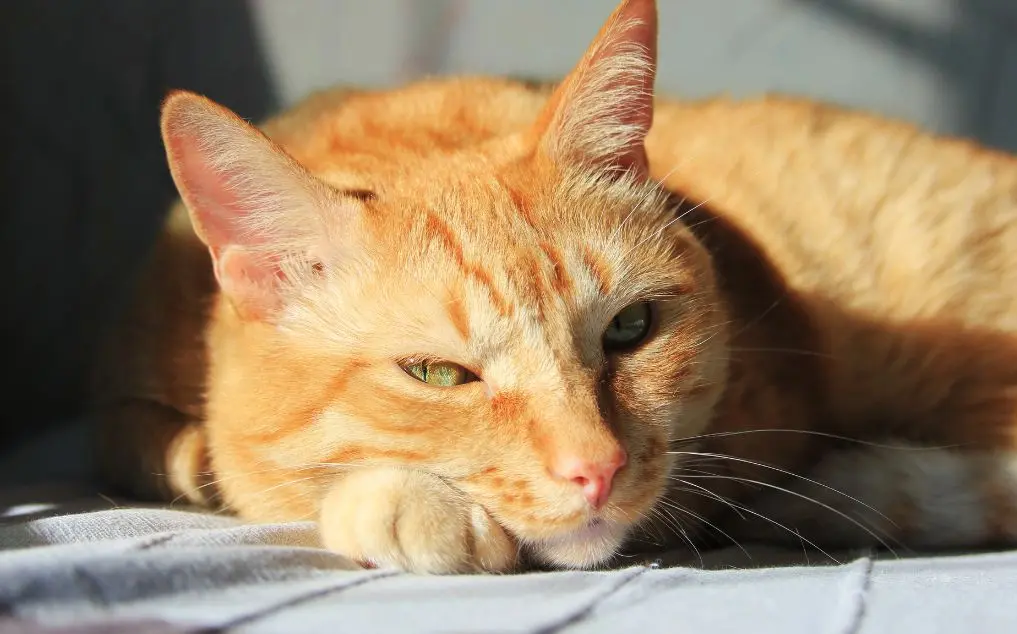

Your cat’s left eye suddenly appears cloudy and she’s squinting. Or you notice your senior tabby bumping into furniture he’s navigated perfectly for years. Or your kitten shakes her head constantly, scratching at her ears until they bleed. These sensory symptoms signal more than minor irritations. They can often indicate infections, injuries, or systemic diseases requiring attention.
Feline eye and ear health operates differently than in humans or dogs. Cats evolved as predators relying heavily on vision and hearing for hunting, yet they also evolved to mask pain and illness. This combination means serious eye and ear problems often progress silently until symptoms become obvious.
The challenge: distinguishing routine infections from emergencies, recognizing when eye symptoms signal systemic disease like hypertension, and understanding which changes represent normal aging versus disease.
This guide addresses common eye and ear problems, when symptoms require emergency care, how systemic diseases affect sensory health, and managing cats with vision or hearing loss. Understanding that subtle sensory changes often provide the earliest indication of serious health problems transforms how you monitor your cat.
Noticing gradual sensory changes that seem minor? CompanAIn’s health tracking correlates eye and ear symptoms with environmental triggers, systemic disease progression, and medication effectiveness, revealing patterns invisible through memory alone.
How Do Cats' Eyes Differ From Human Eyes?
Cats possess unique eye features that enhance hunting capabilities but create specific health vulnerabilities. The third eyelid (nictitating membrane) is normally invisible, but when it becomes partially visible across the eye, it signals illness, pain, or dehydration. This makes the third eyelid an early warning system owners should look out for.
Healthy cat eyes are clear and bright without discharge or cloudiness. Pupils should be equal size and reactive to light. The conjunctiva (pink tissue around the eye) should be pink, not red (inflamed) or white (anemic). Any deviation warrants veterinary evaluation.
How can AI tools track eye health changes? Log daily observations of eye appearance, pupil reactions, and vision-related behaviors. CompanAIn tracks patterns like pupil size differences appearing gradually, third eyelid visibility increasing over weeks, or navigation changes suggesting vision decline—subtle progressions that become obvious through systematic tracking.
What Eye Problems Are Most Common In Cats?
Conjunctivitis (pink eye) represents the most frequent feline eye problem. Feline herpesvirus causes the majority of cases, creating a chronic condition that flares with stress—similar to cold sores in humans. The condition often starts in one eye but spreads to both within days.
Key symptoms:
- Redness
- Eye discharge (clear to thick/colored)
- Squinting
- Raised third eyelid
No cure exists—requires long-term control with antiviral medications and stress reduction to prevent flares.
Corneal ulcers are scratches or defects on the cornea (clear front surface of the eye). These constitute medical emergencies because deep ulcers can perforate within 24-48 hours, causing permanent blindness.
Common causes:
- Cat fights (claw injuries)
- Foreign material
- Infections
- Dry eye
Key symptoms:
- Severe squinting or eye held closed
- Excessive tearing
- Cloudy appearance
- Pawing at the eye
- Extreme light sensitivity
Fluorescein stains make ulcers glow green under blue light. Superficial ulcers heal in 3-7 days with medication. Deep ulcers require 2-4+ weeks of intensive treatment.
Uveitis means inflammation inside the eye (iris and internal structures). Unlike conjunctivitis affecting only external surfaces, uveitis signals serious underlying systemic disease requiring investigation beyond the eye itself.
Possible causes:
- Infections (FIV, FeLV, FIP, toxoplasmosis)
- Trauma
- Cancer
- Immune-mediated disease
Key symptoms:
- Squinting and redness
- Cloudy eye
- Small, constricted pupil
- Light sensitivity
Complications if untreated: Glaucoma, cataracts, blindness.
Glaucoma means increased pressure inside the eye. In cats, it’s typically secondary to uveitis, trauma, or lens luxation rather than genetic. This is an emergency—permanent blindness can occur within 24-48 hours.
Key symptoms:
- Enlarged or bulging eye
- Cloudiness
- Dilated pupil unresponsive to light
- Severe pain
- Vision loss
Treatment: Pressure-lowering medications; surgery in some cases.
Retinal detachment occurs when the retina separates from the back of the eye. In cats, high blood pressure from kidney disease or hyperthyroidism causes most cases. Vision may return if blood pressure is controlled within 24-48 hours—after 48 hours, damage becomes permanent. This often affects both eyes because hypertension is systemic.
Key symptoms:
- Sudden blindness
- Widely dilated pupils that don’t respond to light
- Disorientation or behavior changes
Blood pressure must be controlled within 24-48 hours to preserve vision.
When eye symptoms appear, how can AI correlate them with triggers? CompanAIn correlates symptom onset with environmental changes logged days or weeks prior. Conjunctivitis flaring three days after household visitors or new pets reveals stress triggers, helping prevent future flares through proactive management.
What Ear Problems Are Most Common In Cats?
Ear mites (Otodectes cynotis) cause the most common ear problem in young cats. These highly contagious parasites spread between cats and occasionally dogs.
Key symptoms:
- Intense itching causing constant scratching and head shaking
- Dark crusty discharge resembling coffee grounds
- Raw skin around the ears from self-trauma
Treatment uses parasiticides, but all household pets require simultaneous treatment even if asymptomatic.
Bacterial and yeast ear infections occur secondary to other problems including allergies, mites, foreign material, or polyps. These require culture and sensitivity testing for proper treatment because inappropriate antibiotics breed resistance. Chronic or recurrent infections indicate underlying disease requiring investigation.
Key symptoms:
- Discharge (yellow, brown, or black)
- Foul odor
- Redness
- Pain
- Head shaking
Ear polyps are benign growths in the ear canal or middle ear, commonly affecting young cats. Treatment involves surgical removal, though polyps often recur.
Key symptoms:
- Chronic discharge resistant to treatment
- Head tilt (if affecting balance structures)
- Breathing difficulty (if nasopharyngeal polyps block the airway)
Aural hematomas occur when blood accumulates in the ear flap from head shaking or scratching trauma. The underlying ear problem causing the shaking must be identified and treated or the hematoma recurs.
Untreated hematomas heal with permanent “cauliflower ear” deformity.
Vestibular disease affects the inner ear balance system, producing dramatic symptoms that resemble a stroke and terrify owners. Idiopathic vestibular disease usually resolves spontaneously within days to weeks, but infectious causes require aggressive treatment. Veterinary examination distinguishes between causes.
Key symptoms:
- Sudden head tilt
- Circling
- Falling
- Rapid abnormal eye movements (nystagmus)
- Vomiting
When Do Eye Or Ear Symptoms Require Emergency Care?
Eye emergencies requiring immediate care within hours include sudden blindness (pupils dilated, unresponsive to light), eye trauma, severe squinting with the eye held completely closed, sudden cloudiness or color changes, an enlarged eye (glaucoma), and pupil size differences between eyes. These symptoms risk permanent vision loss within 24-48 hours without treatment.
Ear emergencies requiring urgent same-day care include vestibular signs (head tilt, circling, falling), severe head shaking causing ear flap swelling, and bleeding from the ear canal.
Symptoms warranting veterinary visits within 1-3 days include persistent eye discharge lasting more than 24 hours, squinting lasting more than 24 hours, gradual vision changes, chronic ear discharge or odor, and head shaking or ear scratching lasting more than 2-3 days.
Timing matters critically. Corneal ulcers can perforate within hours. Glaucoma causes permanent blindness within 24-48 hours. Retinal detachment vision loss becomes permanent after 48 hours without blood pressure control.
How Do I Administer Eye And Ear Medications?
Eye drop administration requires technique and patience. Restrain your cat gently using towel wrapping. Approach from behind the head to avoid their visual field. Tilt the head back slightly, hold the dropper above the eye without touching it, and drop medication onto the eye center. Allow blinking to distribute. Wait 5 minutes between different medications. Clean discharge before medicating using warm water and gauze.
Eye ointment uses similar positioning. Pull the lower eyelid down and apply a thin ribbon along the inner eyelid. Vision will blur temporarily—this is normal. Ointments last longer than drops, requiring fewer daily applications.
Ear medication requires pulling the ear flap up and back to straighten the L-shaped canal. Fill the ear canal with medication—often more than expected. Massage the base of the ear for 30 seconds while hearing squishing sounds. Release and allow head shaking, which brings debris out while moving medication in. Clean only the outer ear with gauze—never insert Q-tips into the canal.
Medication adherence determines treatment success. Eye and ear infections require complete 7-14 day courses even though symptoms improve within 3-4 days. Stopping early causes treatment failure and chronic infections.
How can AI help track medication compliance? CompanAIn tracks compliance, flags missed doses, and correlates adherence with symptom resolution based on the data you provide. When symptoms don’t improve after 3-4 days of consistent treatment, the system recommends veterinary recheck.
How Do Senior Cats' Vision And Hearing Change?
Normal age-related eye changes include lenticular sclerosis—lens cloudiness from aging proteins that doesn’t significantly impair vision and differs from cataracts. Both eyes develop cloudiness equally and gradually. Pupils dilate less fully in senior cats, reducing low-light vision. Iris atrophy causes thinning tissue creating a ragged appearance. Adaptation between bright and dark environments slows.
Distinguishing normal aging from disease relies on progression pattern and symmetry. Normal aging affects both eyes equally, progresses gradually over years, and causes no pain, redness, or discharge. Disease causes sudden changes, affects one eye worse, produces squinting or discharge, and impairs function causing bumping into objects.
Progressive hearing loss occurs gradually in many senior cats, usually affecting both ears equally. No treatment reverses age-related hearing loss. Behavioral changes include louder vocalization (cannot hear themselves), not responding when called, and startling easily when approached from behind. Most cats tolerate hearing loss well, but indoor-only lifestyle becomes critical since deaf cats cannot hear dangers.
Behavioral changes accompany sensory decline including reluctance to jump (especially in low light), increased wall-hugging or hesitation before movement, startles from unexpected touch, louder and more frequent vocalization particularly at night, increased hiding, and sleep-wake cycle changes.
Cats adapt remarkably well to gradual vision loss over months, using whiskers, scent, and memory for navigation. Sudden vision loss proves more psychologically difficult. Hearing loss is generally well-tolerated. Combined vision and hearing loss together presents greater challenges, but quality of life can remain excellent with environmental management.
How can AI quantify sensory decline? Track behavioral changes associated with sensory decline. CompanAIn identifies patterns like jumping hesitation increasing from occasional to consistent over three months, or nighttime vocalization increasing from rare to nightly. These quantified changes help distinguish normal aging from disease requiring treatment.
How Does Multi-Cat Household Complicate Eye And Ear Health?
The eyes and ears are not isolated structures; they act as windows into the body’s overall health. Many systemic diseases manifest observable signs in a cat’s eyes or ears long before other symptoms become obvious. Recognizing these sensory signs as indicators of non-sensory illness is crucial. Take note of:
Contagious Disease Spread
- Contagious conditions move quickly when multiple cats live together
- Feline herpesvirus conjunctivitis spreads through:
- Some cats are asymptomatic carriers, shedding virus without showing signs while infecting others
Ear Mites
- If one cat has ear mites, all pets in the household must be treated at the same time
- Even symptom-free cats can still be infested and spread mites
Environmental stress from resource competition, territorial conflicts, and social tensions triggers herpesvirus conjunctivitis relapses. Key interventions include providing adequate resources (one litter box per cat plus one extra, multiple feeding stations, vertical territory) and managing social dynamics.
Treatment challenges multiply with multiple cats. Administering medications to several cats simultaneously proves difficult. Separating medicated cats to prevent grooming off medication may increase stress. Different cats may need different treatments based on severity. Compliance becomes exponentially harder with each additional cat.
Trauma from inter-cat aggression causes eye injuries. Scratches during play or fighting create corneal ulcers. Bite wounds near ears cause infections. Monitor interactions during illness because healthy cats sometimes bully sick cats showing vulnerability.
How can AI help in multi-cat households? Maintain separate profiles for each cat tracking individual symptoms. CompanAIn identifies when multiple cats show similar symptoms simultaneously (suggesting contagious cause) versus staggered onset (suggesting environmental trigger). The system correlates household stress events with herpesvirus flare patterns across all cats.
How Does AI Technology Help Manage Eye And Ear Health For Cats?
Traditional sensory health management relies entirely on owner memory of when symptoms started and how they’ve progressed. Memory fails for gradual changes over weeks or months. Correlating symptoms with triggers that occurred days earlier proves nearly impossible. Tracking whether both eyes are equally affected requires attention most owners cannot maintain. These limitations mean early intervention opportunities get missed.
CompanAIn transforms sensory health tracking by organizing the observations you log daily—eye appearance, discharge, squinting frequency, pupil differences—alongside uploaded veterinary records and medication schedules. The system identifies gradual progression patterns like squinting once weekly increasing to daily over two months, flags bilateral differences where one eye appears worse than the other, and correlates symptoms with environmental factors.