
Ringworm infection in cats is a contagious fungal skin disease that affects the skin, hair, and sometimes claws—despite its misleading name, no worms are involved. This skin condition spreads easily to other pets and humans, making early identification critical for every cat household.
Ringworm is contagious and transmission occurs by direct contact with the fungus.
Quick Answer: Key Cat Ringworm Symptoms to Watch For
Cat ringworm symptoms typically appear 4–14 days after exposure to an infected animal or contaminated surface. Here’s what to look for:
- Circular or irregular patches of hair loss that can be patchy, often with broken, stubbly hairs around the edges
- Scaly or crusty skin that may resemble dandruff or appear as “cigarette ash” flaking
- Thickened patches of skin
- Red, inflamed ring-shaped rash with a more normal-looking center
- Inflamed areas of skin
- Red or gray, scaly lesions are typically found on the skin of a cat’s head, chest, front legs, and spine
- Small bumps, pustules, or thickened plaques in more severe cases
- Brittle, rough, or misshapen claws with inflammation around nail beds
- Rough, scaly hardening of the base of the nails can occur in cats with ringworm
Ringworm lesions most commonly appear on the face, ears, front legs, chest, and along the spine—but they can develop anywhere on the cat’s skin, including paws and tail base.
Some cats show only subtle signs: a dull coat, minor flaking, or barely noticeable thinning. Changes in the cat’s coat, such as loss of shine or texture, can be an early indicator of ringworm. Others develop obvious lesions with extensive bald patches. If you’re not sure whether a mild skin change is worth tracking, CompanAIn’s AI cat symptom checker can help you keep track of what you’re seeing before the vet visit.
Any suspicious bald, red, or scaly patches—especially appearing over 7–21 days—warrant a same-week vet visit. Because feline ringworm is zoonotic and spreads to people, early diagnosis protects your whole household.
What Is Ringworm in Cats?
Ringworm is a superficial fungal infection, or dermatophytosis, caused by microscopic organisms called dermatophytes. These fungi infect the animal’s skin, leading to characteristic ring-shaped rashes and patches of hair loss. The primary species affecting cats include Microsporum canis, Trichophyton mentagrophytes, and Microsporum gypseum, all of which are covered in the Merck Veterinary Manual’s page on ringworm in cats.
These fungi feed on keratin—the protein found in dead cells of the outer skin layer, hair shafts, and claws. Dermatophytes produce single cell reproductive bodies (spores) that are microscopic and can persist in the environment, facilitating the spread of infection. When the fungus colonizes hair follicles on the cat’s skin, infected hairs become fragile and break easily, creating characteristic skin lesions and hair loss patterns. Direct contact with a fungal spore causes infection, typically through open wounds, but immunosuppressed cats can get infected even without open skin.
Ringworm ranks among the most frequently diagnosed feline skin conditions in veterinary medicine worldwide. In shelters, catteries, and multi-cat households, the risk is especially high, as Cornell notes in its feline health article on ringworm as a serious but readily treatable condition.
Kittens under one year, elderly cats, long-haired cats, especially Persian cats, and immunocompromised cats face elevated infection risk due to a developing or weakened immune system.
How Common Is Ringworm in Cats and Why Does It Occur?
Understanding how is ringworm contracted helps explain its prevalence. The infection occurs when fungal spores contact the animal’s skin and establish colonization—particularly when predisposing factors align.
Key reasons ringworm occurs:
- Direct contact with an infected cat or other animals carrying spores
- Exposure to a contaminated environment such as bedding, furniture, or grooming tools
- Immature or suppressed immune function, as the cat’s immune system plays a crucial role in fighting off ringworm infection, but even healthy cats may require treatment to prevent spread
- Poor nutrition, chronic stress, or immune suppression from conditions like FIV
- Long fur that traps microscopic spores against the skin or inadequate grooming
How is ringworm transmitted? The fungus spreads easily between animals and through contaminated objects. Fungal spores may remain dormant for up to 18 months on combs, brushes, food bowls, furniture, bedding, carpet, or other environmental surfaces. In fact, spores can remain infectious for up to two years, especially in a moist, humid environment, and they are difficult to kill.
Environmental cleaning is essential to prevent reinfection, as ringworm spores can survive in the environment for up to 18 months. Without thorough cleaning, the risk of recurring ringworm infection remains high.
If you’re thinking more broadly about catching health shifts early, CompanAIn’s preventive pet care guide fits naturally into this part of the discussion.
Although many healthy adult cats may eventually clear ringworm over time, treatment is still recommended because infected cats continue shedding spores and exposing other pets and people.
Typical Cat Ringworm Symptoms (What It Looks Like)
Symptoms range dramatically—from almost invisible coat changes to extensive bald, crusted areas that worsen without treatment.
Most common visible signs:
- Hair loss patches: round or irregular bald areas, often multiple, appearing on the cat’s skin
- Broken hairs: stubbly, moth-eaten appearance around lesions
- Scaling: dandruff-like flaking, sometimes described as cigarette-ash scaling
- Red inflammation: classic ring appearance with a raised outer edge
- Crusty skin: scabs, thickened patches, or plaques that may ooze
- Brittleness of hair: affected areas may have brittle, fragile hair
- Red/crusted skin: lesions on the cat’s skin may appear red and crusted
- Excessive grooming: cats may lick or groom affected areas more than usual
- Brittle, deformed claws: claws can become brittle or misshapen
Common locations include the face, especially around the ears and eyes, the chin, front legs, paws, chest, belly, tail base, and along the spine—anywhere on the cat’s skin.
Nail involvement can also occur. Some cats develop rough, pitted, or brittle claws with inflammation around the nail beds.
Itching varies considerably—some cats scratch intensely while others show minimal discomfort. A non-itchy bald patch can still indicate ringworm. However, scratching can lead to secondary skin wounds.
Ringworm spores can contaminate the environment and are often found on shed pet hair, which can spread infection to other animals and humans.
Subtle and Atypical Ringworm Signs in Cats
Not all infected cats display obvious lesions. Some act as asymptomatic carriers, shedding viable spores while appearing nearly normal.
Subtle changes to watch for in your cat’s coat:
- Slightly rough or dull coat texture
- Small flaky patches resembling heavy dandruff
- Minimal localized fur thinning without redness
- Diffuse tangling or patchy matting, especially in long-haired cats
Any new cat with mild coat changes—particularly from shelters or multi-cat environments—should be screened before mixing with resident cats.
Careful hygiene to remove all pet hair from the environment is important in preventing ringworm.
How Ringworm Spreads Between Cats and People
The infection spreads through direct contact with an infected animal or contaminated surfaces harboring fungal spores.
Transmission routes include:
- Touching infected areas or fur on a carrier cat
- Sharing grooming tools, blankets, scratching posts, or carriers
- Contact with shed hairs containing spores
- Walking through a contaminated environment
Humans—particularly children, older adults, and immunocompromised individuals—can also develop lesions after exposure, as Cornell explains in its article on ringworm in cats.
If you develop suspicious skin lesions while treating your cat, consult a physician promptly. Always wear gloves when handling an infected cat and wash hands thoroughly afterward.
How Veterinarians Diagnose Ringworm in Cats
Visual examination alone cannot reliably diagnose ringworm because other skin conditions can look similar. Vets typically use multiple tests to confirm the diagnosis.
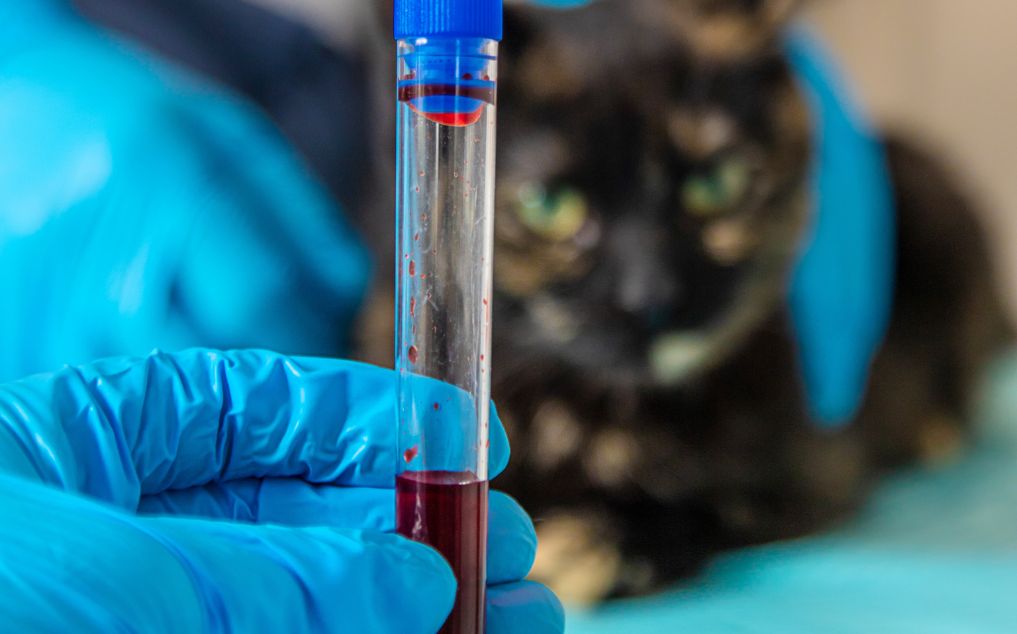
The most accurate way to diagnose ringworm in cats is to culture the fungus in a laboratory. The best way to diagnose ringworm is to take a sample from the cat’s skin—specifically, samples of hair and skin scrapings—and culture it in a lab. A positive culture can sometimes be confirmed within a couple of days, but results can take up to two weeks or even up to three weeks. Ringworm cultures are also performed after the start of treatment to determine if the infection is still present, and two consecutive negative ringworm cultures are needed before stopping therapy.
Diagnostic methods:
- Wood’s lamp: ultraviolet light screening may reveal a yellowish green color (fluorescence) in some infected hairs, indicating the presence of fungal infection. However, not all cases of ringworm will fluoresce under a Wood’s lamp, so additional diagnostics are often necessary.
- Microscopic examination: plucked hairs and skin scrapings can show fungal elements. Veterinarians look for fungal characteristics and other fungal characteristics under the microscope, such as spores and growth patterns.
- Fungal culture: still widely used to confirm dermatophyte growth and identify species. This is considered the most accurate diagnostic method.
- PCR testing: may be recommended as it is faster than culture testing, allowing for quicker detection of fungal DNA, though interpretation may vary by context.
- False positives: Some diagnostic tests can result in false positives, so confirmatory testing may be needed to ensure an accurate diagnosis.
In unusual or difficult cases, a skin biopsy may help rule out other conditions. If you want a practical companion piece for organizing what you notice at home before the appointment, CompanAIn’s cat diagnostic tools guide is useful here.
Veterinary Care for Cats with Ringworm
When it comes to treating ringworm in cats, professional veterinary care is essential for both the health of your infected cat and the safety of your household. Because ringworm is a stubborn fungal infection that can easily spread to other animals and people, your veterinarian will design a treatment plan tailored to your cat’s specific needs.
Treatment typically involves a combination of topical antifungal medications—such as medicated shampoos, dips, or creams—applied directly to the cat’s skin to target the ringworm fungus at the source. For more widespread or persistent cases, your vet may prescribe oral anti fungal drugs to help eliminate the infection from within. It’s crucial to follow your veterinarian’s instructions closely and complete the entire course of treatment, even if the ringworm lesions or hair loss seem to improve early on. Stopping treatment too soon can allow the infection to persist or return.
Throughout the treatment process, your veterinarian will schedule regular check-ups to monitor your cat’s progress. These visits may include performing security verification tests, such as fungal cultures or PCR testing, to confirm that the ringworm fungus is being eradicated. These security verification steps are important not only for your infected cat but also for protecting other pets in the home. In some cases, your vet may recommend testing or even treating other animals in the household, especially if they show signs of crusty skin, hair loss, or other suspicious skin lesions.
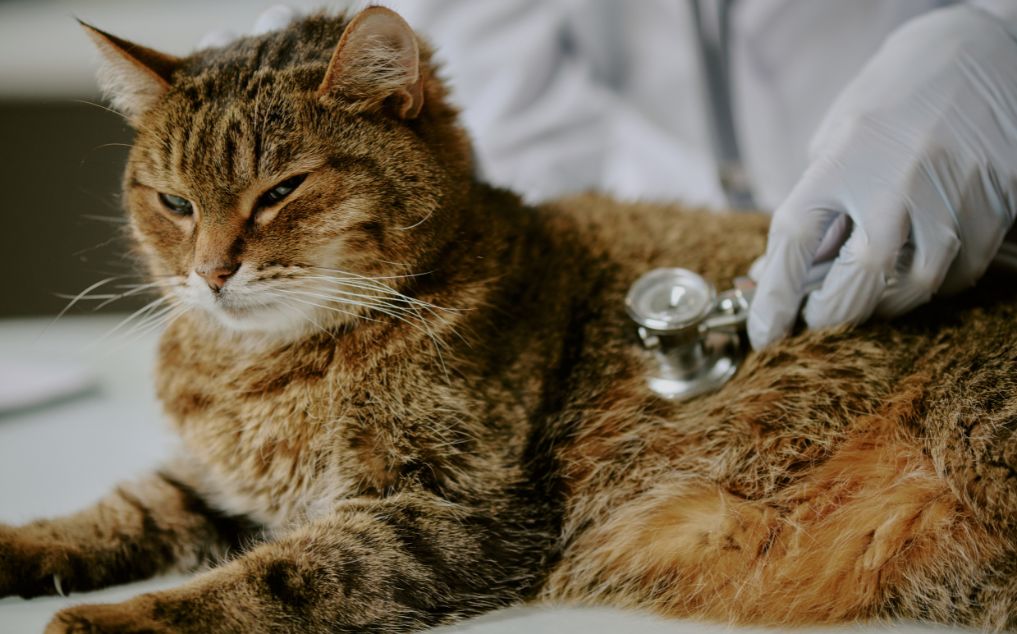
Diagnosing ringworm in cats involves a thorough examination of the cat’s skin and coat, looking for classic signs like circular patches of hair loss, crusty skin, or inflamed ringworm lesions. Your veterinarian will also ask about your cat’s medical history and any recent exposure to other animals that might have carried the infection. Diagnostic tests, such as fungal cultures or PCR, help confirm the presence of the ringworm fungus and guide the most appropriate treatment plan.
To prevent the spread of ringworm to other pets and people, your veterinarian will advise on strict hygiene measures. This includes washing your hands thoroughly after handling the infected cat, wearing gloves when applying topical treatments or cleaning bedding, and possibly isolating the infected pet from other animals until the infection is under control. In multi-pet households, your vet may suggest using topical antifungal medications on other pets as a precaution, especially if they have been in close contact with the infected cat.
By working closely with your veterinarian, following their recommendations, and maintaining good hygiene, you can help your cat recover fully from ringworm and protect the rest of your household from this common fungal infection. Regular veterinary care ensures that the infection is properly managed, reduces the risk of recurrence, and helps your cat return to a healthy, comfortable life.
How to Treat Ringworm in Cats
Ringworm treatment in cats is a comprehensive process that typically combines topical therapy, systemic oral medication, and thorough environmental cleaning. The most common way to treat ringworm in cats is to use both topical and systemic oral therapies together. Treatment for ringworm in cats usually lasts for a minimum of four to six weeks, but in some cases, several months of therapy is required to fully eliminate the infection.
It is crucial to follow your veterinarian’s instructions and not stop treatment prematurely to avoid recurrence. If there are other pets in the household, it may be preferable to have all cats treated to ensure the infection is eliminated. In some cases, if infection persists despite standard treatment, your veterinarian may recommend alternative medications or further intervention.
Topical Treatment: Shampoos, Dips, and Creams
Topical therapy helps reduce spores on the skin and coat, directly killing fungal spores and preventing environmental contamination. Topical treatment for ringworm in cats is directly applied to the skin and usually continues for several weeks or even months depending on the diagnosis. Common options include:
- Medicated shampoos
- Lime sulfur dips (often used in conjunction with other treatments, especially for long-haired breeds; note that lime sulfur dip has an odor reminiscent of rotten eggs)
- Antifungal creams for isolated lesions
Clipping the fur of cats can help reduce the risk of ringworm by making it easier to clean and treat, as well as aiding in preventing environmental contamination. Long-haired cats may benefit from clipping to help products reach the skin and reduce environmental contamination.
Oral Antifungal Medications
Systemic medication is often needed for moderate to severe infections or claw involvement. Common drugs include itraconazole and terbinafine.
Treatment protocols that combine oral and topical therapy are also reflected in Cornell’s funded study on topical dermatophytosis treatments in shelter cats receiving oral itraconazole.
Monitor for side effects such as decreased appetite, vomiting, diarrhea, or behavior changes, and don’t stop medication early just because the skin looks better.
Environmental Cleaning and Home Management
Without environmental control, spores in the home can drive reinfection. To reduce contamination:
- Confine the infected cat to one easy-to-clean room and isolate them from other pets to help prevent the spread of ringworm
- Thoroughly clean areas frequented by pets, as this can help prevent the spread of ringworm
- Vacuum frequently and damp mop floors to help reduce the presence of ringworm spores in the home
- Wash bedding in hot water
- Clean hard surfaces with a diluted chlorine bleach solution, as this can help eliminate ringworm spores in the environment
- Thoroughly clean grooming tools, carriers, and litter boxes
Ringworm spores can remain dormant on surfaces for up to 18 months, so repeated cleaning is necessary. Repeat cleaning several times weekly throughout treatment.
How Long Is a Cat with Ringworm Contagious?
Contagiousness usually drops once treatment is working, but it does not stop immediately. Veterinarians often rely on follow-up testing before declaring a cat clear.
Until then, infected cats should be kept separate from other pets and from household members at higher risk.
What Else Can Ringworm Cause If Left Untreated?
While usually superficial, untreated ringworm can create broader problems.
For the cat:
- Widespread hair loss
- Secondary bacterial infections from scratching
- Chronic skin thickening or scarring
- Extended discomfort
For the household:
- Repeated infections in other animals
- Persistent environmental contamination
- Human infections requiring medical treatment
- Shelter or cattery outbreaks
If you’re comparing ringworm with other common skin problems owners often confuse with allergies or parasites, CompanAIn’s pet allergies and skin conditions FAQ works well here.
Recovery, Prognosis, and Prevention of Ringworm in Cats
Most cats recover fully with appropriate treatment.
Typical recovery timeline:
- Visible improvement within 2–3 weeks
- Complete coat regrowth over several months
- Multiple negative follow-up tests before cure is confirmed
Prevention strategies:
- Prompt vet exams for new skin lesions
- Regular grooming and coat checks
- Avoiding overcrowding and minimizing stress
- Quarantining and screening new cats before introduction to the household
If you notice suspicious patches on your cat, contact your veterinarian promptly. Early diagnosis and treatment shorten the course of disease, reduce spread, and make household cleanup much more manageable. For broader monitoring and cat-health guidance, the CompanAIn resource library is a good final destination.