
The 2 AM discovery of urine outside the litter box. The third puddle this week on your bathroom rug. Your cat straining repeatedly in the box, producing nothing but distressed meows. These aren’t behavior problems. They’re urgent medical signals.
Urinary issues rank among the top reasons cats visit emergency veterinarians. The gap between recognizing something’s wrong and understanding what requires immediate action creates stress for cat owners. Is this a UTI requiring antibiotics? Life-threatening obstruction demanding emergency surgery? Or stress-related inflammation needing environmental changes?
This guide addresses what’s normal versus concerning and when discomfort becomes an emergency. It explains why urinary symptoms rarely appear when triggers occur. Understanding that litter box avoidance often reflects systemic stress rather than individual misbehavior transforms how you approach these problems.
Struggling to identify which cat is affected when you discover inappropriate urination? CompanAIn’s AI-powered health tracking correlates environmental changes, water intake patterns, and litter box frequency across days and weeks.
How Do Cats Process and Eliminate Waste?
Cats evolved as desert animals, and over thousands of years have developed remarkable water conservation abilities. Their kidneys produce highly concentrated urine, extracting maximum moisture from minimal water intake. However, this evolutionary adaptation creates vulnerability. Concentrated urine increases crystal formation risk and makes dehydration consequences more severe.
Healthy cats urinate two to four times per 24 hours, depending on water consumption and diet moisture content. While both sexes develop bladder inflammation and crystals, complete blockage occurs almost exclusively in males. This anatomical difference makes sex critical when assessing urgency.
The connection between urinary health and litter box behavior proves complex. Cats experiencing painful urination associate their boxes with discomfort, which leads to avoidance. What appears as behavioral rebellion may represent medical distress requiring veterinary evaluation.
What Are the Most Common Urinary Problems in Cats?
What Is Feline Lower Urinary Tract Disease (FLUTD)?
Feline Lower Urinary Tract Disease encompasses multiple conditions affecting the bladder and urethra. Research indicates FLUTD affects approximately one to three percent of cats annually. Rates run higher in indoor cats, overweight individuals, and multi-cat households experiencing stress.
FLUTD symptoms overlap regardless of cause. These include frequent litter box visits producing small urine amounts, straining, blood in urine, crying while urinating, and inappropriate elimination.
- Feline Idiopathic Cystitis represents the most common FLUTD cause. “Idiopathic” means unknown origin, though research increasingly points to stress as the primary trigger. FIC involves sterile bladder wall inflammation. The condition follows chronic, recurrent patterns. Flares get triggered by environmental stressors days or weeks after exposure.
- Urolithiasis (bladder stones and crystals) accounts for 15 to 25 percent of FLUTD cases. Struvite crystals form in alkaline urine. They typically dissolve with prescription diets over four to six weeks. Calcium oxalate stones form in acidic urine. They cannot dissolve and require surgical removal. Both create similar symptoms but demand different treatments.
- Bacterial urinary tract infections cause five to 15 percent of FLUTD in younger cats. Rates increase dramatically in cats over ten years. Most feline UTIs occur secondary to other conditions like diabetes or chronic kidney disease. Unlike dogs where UTIs commonly occur as primary problems, feline UTIs usually signal underlying disease. This requires investigation beyond antibiotic treatment alone.
- Urethral obstruction constitutes a medical emergency. It affects almost exclusively male cats. Mucus plugs, crystal accumulation, or stones completely block the urethra. Without emergency treatment, cats die within 24 to 72 hours. Any male cat straining repeatedly without producing urine requires immediate veterinary care.
How Common Is Chronic Kidney Disease in Cats?
Chronic kidney is one of the most common conditions in senior cats. CKD represents progressive, irreversible loss of kidney function, and cats often show no symptoms until 70 to 75 percent of function is lost.
Increased urination and thirst represent the earliest noticeable signs. As kidneys lose concentrating ability, cats produce larger urine volumes. This triggers compensatory water consumption. Owners often notice refilling water bowls more frequently before other symptoms appear.
CompanAIn’s trend detection flags subtle changes early. Gradual increases from two to four daily urinations. Slightly increased water consumption. Minor weight fluctuations. These patterns appear months before blood work abnormalities. This enables earlier intervention, when treatments prove most effective.
How Does Diabetes Cause Urinary Problems?
Diabetes affects approximately 0.5 to two percent of cats. It occurs more commonly in males, older cats, and overweight individuals. When blood glucose exceeds kidney reabsorption capacity, glucose spills into urine, and glucose in urine draws water through osmotic pressure. This creates excessive urination despite normal kidney function.
Cats show increased urination, increased thirst, increased appetite, and weight loss despite adequate food intake. Many owners first notice urinary changes before recognizing other signs.
The good news: feline diabetes often proves reversible with early intervention. Weight loss in overweight cats, insulin therapy, and dietary management can restore normal glucose regulation. Some cats discontinue insulin while maintaining normal blood sugar.
Why Do Cats Stop Using the Litter Box?
The discovery of urine outside the litter box triggers immediate frustration. Most owners assume behavioral problems. This assumption proves wrong more often than right. Medical conditions cause substantial litter box avoidance, and the critical first step involves ruling out medical causes before assuming behavioral issues.
Common medical causes of litter box avoidance:
- Painful urination – Cats develop negative associations with litter boxes, linking the location with discomfort
- Urgency from bladder inflammation – Accidents occur when cats can’t reach boxes in time
- Cognitive dysfunction in senior cats – Genuine confusion about litter box locations
- Arthritis – High-sided box entry becomes painful and difficult
- Diabetes and chronic kidney disease – Increased urine volume overwhelms even well-maintained boxes
Are Most Litter Box Problems Actually Household Problems?
Most litter box problems stem from household-level issues rather than individual cat behavior. The fundamental rule: provide one litter box per cat plus one extra. Three-cat households require four boxes minimum.
Location matters enormously. Boxes placed near food violate cats’ instinctive separation between eating and elimination. High-traffic locations create vulnerability. Basement isolation means cats on upper floors face long distances during urgency. Optimal placement distributes boxes across multiple levels and rooms.
Most cats prefer large, uncovered boxes. These provide visibility and escape routes. Boxes should measure 1.5 times the cat’s length. Most cats prefer fine-grained, unscented clumping litters. These mimic sand texture. Sudden brand changes introduce unfamiliar textures, triggering avoidance.
How Often Should I Clean My Cat Box?
Cleanliness represents the most common failure point. Scooping should occur twice daily minimum in multi-cat households. Complete litter changes should happen weekly for clumping varieties. Box washing with unscented soap eliminates residual odors.
Territorial stress in multi-cat households creates avoidance through resource guarding. Dominant cats positioning themselves near boxes create psychological barriers. This prevents subordinate cats from comfortable use.
Environmental stressors accumulate: moving homes, renovation noise, new household members, schedule changes. These combined impacts exceed stress tolerance thresholds. Litter box avoidance becomes a visible symptom of systemic household stress.
Can Diet Alone Prevent Urinary Problems in Cats?
Diet substantially reduces urinary problem risks but doesn’t eliminate them entirely. Dietary management effectively prevents struvite crystal formation in most cats. However, it proves less effective for feline idiopathic cystitis, where environmental stress factors dominate. No diet prevents all urinary disease because genetics, anatomy, and environmental factors influence outcomes beyond dietary control.
What Patterns Should I Monitor for Urinary Health?
Key patterns include urination frequency (normal is 2-4 times per 24 hours), water consumption (40-60ml per kilogram body weight daily), litter box behavior changes, appetite fluctuations, activity level changes, and responses to environmental disruptions. Gradual changes over weeks often signal developing problems before acute symptoms appear.
Which Symptoms Require Immediate Veterinary Care?
Visible blood in urine always warrants veterinary examination, though not always emergency visits. Male cats straining without producing urine face life-threatening emergencies and require immediate care. Other concerning signs include complete loss of appetite for more than 24 hours, signs of abdominal pain with hunched posture, and pale gums.
Signs include straining repeatedly producing no urine, crying or vocalizing during attempts, excessive genital licking, vomiting, lethargy progressing to hiding, and distended painful abdomen. Complete obstruction leads to death within 24 to 72 hours. Any male cat showing these signs requires immediate emergency veterinary care.
Other urgent signs requiring same-day evaluation: visible blood in large quantities in urine, complete appetite loss exceeding 24 hours, signs of abdominal pain including hunched posture, pale gums, and hypothermia.
Distinguishing emergencies from urgent conditions: any visible blood warrants same-day evaluation but doesn’t require 2 AM emergency visits unless accompanied by other concerning signs. Male cats straining without any urine production are actively dying without treatment.
Why Do Urinary Symptoms Appear Days After the Actual Trigger?
Urinary problems rarely manifest when triggers are introduced. Cats develop issues through delayed, cumulative, threshold-based patterns. This makes cause-and-effect connections nearly impossible without timeline awareness.
Consider stress-induced feline idiopathic cystitis. A household disruption occurs Monday. Visitors arrive, construction starts, or a new pet joins. The cat’s stress hormone cascade initiates immediately. But bladder wall inflammation develops over days. By Thursday or Friday, painful urination appears. The visitors departed Wednesday. Owners naturally blame Thursday’s new food or Friday’s litter change. They completely miss the actual trigger three days earlier.
Crystal formation follows similar delayed patterns. A dietary change shifts urine pH gradually. Microscopic crystals form over weeks. They accumulate until reaching concentrations causing irritation. Symptoms appear suddenly despite slow underlying development.
Multiple mild stressors demonstrate stacking effects. A cat tolerates litter brand changes in isolation. The same cat handles minor routine disruptions independently. But when litter changes, reduced water intake from cold weather, and visitor stress combine within the same week, the threshold exceeds. FIC flares develop.
This delayed presentation intensifies in multi-cat households. Shared environmental stressors affect individuals differently and on different timelines. One cat shows immediate stress responses. Another displays delayed symptoms days later. Owners treating symptomatic cats miss that subclinical stress affects the entire household.
CompanAIn identifies these delayed patterns. When urinary symptoms appear Tuesday, the system flags environmental changes from the previous Thursday, household disruptions on Friday, and decreased water intake over the weekend.
What Happens During the Veterinary Visit?
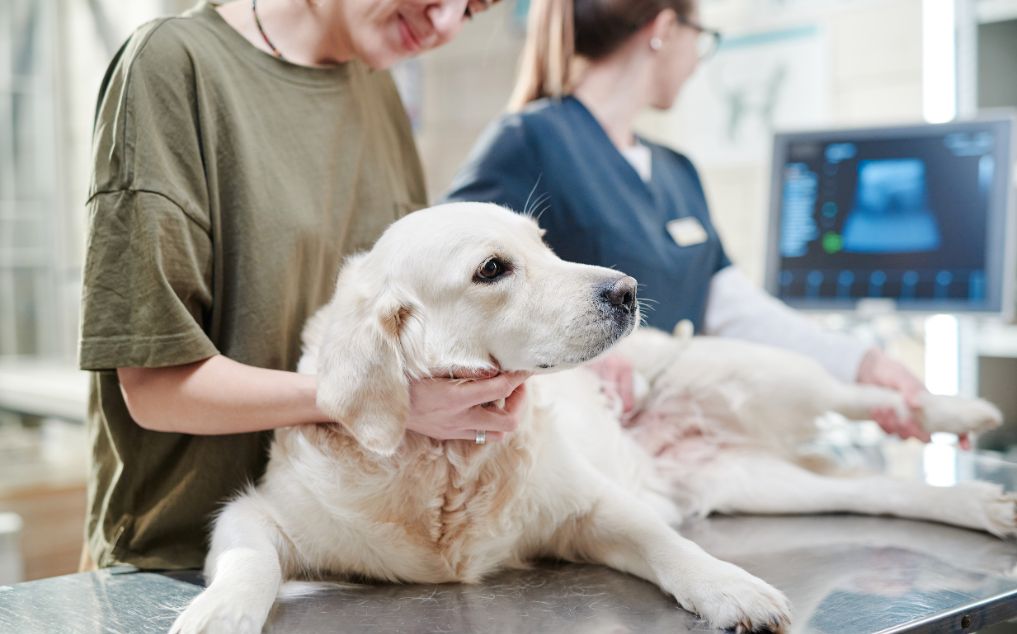
Veterinary evaluation combines history collection, physical examination, and diagnostic testing. Veterinarians need detailed information. This includes symptom timeline, urination frequency changes, water consumption patterns, diet, litter box setup, recent household changes, and previous urinary episodes.
Physical examination assesses bladder size and distention, pain responses, kidney size, body condition, hydration status, and blood pressure if kidney disease is suspected.
- Urinalysis represents the essential first test. It reveals urine concentration, pH determining crystal formation risk, presence of protein, glucose, or blood, crystal type identification, and sediment examination for bacteria and abnormal cells.
- Blood work becomes necessary when systemic disease is suspected. Chemistry panels measure kidney function, electrolytes, and glucose levels. Thyroid testing in cats over seven years screens for hyperthyroidism.
- Imaging provides anatomical information. Radiographs identify bladder stones. Ultrasound examines bladder wall thickness and kidney architecture.
CompanAIn’s comprehensive health reports streamline history collection. The platform generates detailed summaries with water intake data quantified over weeks, dietary information including recent changes, environmental modifications with timestamps, symptom progression with specific dates, and previous episode outcomes. This documentation accelerates diagnosis while reducing trial-and-error approaches.
How Can You Prevent Urinary Problems?
Water intake optimization represents the single most impactful prevention measure. Average intake ranges from 40 to 60 milliliters per kilogram of body weight daily. A typical ten-pound cat should consume approximately 180 to 270 milliliters (six to nine ounces) daily.
Gradually increasing water consumption could indicate early kidney disease. Early kidney disease responds better to treatment initiated promptly versus waiting for crisis. Chronic kidney disease affects 30 to 40 percent of cats over age ten and 81 percent over age 15. Monitoring water intake helps detect these conditions early when intervention is most effective.
Place multiple water stations across the home. This encourages drinking. Use fountains that attract cats through movement. Choose wide shallow bowls that prevent whisker irritation. Wet food substantially increases moisture intake, providing 70 to 80 percent of water needs through diet.
Other key considerations:
- Dietary considerations extend beyond moisture. Prescription urinary diets benefit high-risk cats. These include cats with previous crystal history or breeds predisposed to urolithiasis. These formulas promote optimal urine pH and reduced crystal-forming mineral content.
- Litter box best practices prevent behavioral avoidance while reducing stress. Follow the n-plus-one rule for adequate quantity. This ensures availability. Use large boxes that provide comfortable space. Choose unscented clumping litter that satisfies most preferences. Maintain frequent scooping to preserve cleanliness standards.
- Stress reduction strategies decrease FIC risk. Maintain predictable routines that reduce anxiety. Add vertical territory that provides safety through elevation. Create resource abundance that prevents competition. Schedule interactive play that provides enrichment.
- Regular monitoring enables early detection. Schedule annual wellness examinations for cats under seven. These include screening blood work. Cats over seven benefit from semi-annual visits. Senior cats over ten should receive blood work including urinalysis twice yearly. Many age-related conditions manifest first through urinary changes.
How Does AI Technology Improve Urinary Health Management?
Traditional urinary health management relies on owner memory during veterinary visits. It depends on crisis-driven intervention after symptoms become obvious. CompanAIn’s multi-agent system operates like a digital care team. Specialized AI agents collaborate to track urinary health comprehensively.
The Data Aggregation Agent parses veterinary records, lab results, dietary information, and daily observations into structured datasets. The Health Analyzer Agent identifies correlations between environmental changes, dietary inputs, water consumption patterns, and symptom progression. The Recommendation Engine generates evidence-based intervention strategies based on individual health histories.
- Pattern recognition across timelines proves transformative. The system correlates symptom onset with environmental changes occurring days or weeks prior. When urinary symptoms appear Tuesday, CompanAIn flags that you switched litter brands the previous Thursday. It notes you added a new cat tree creating territorial tension on Friday. It shows water intake decreased 15 percent over the weekend.
- Chronic condition management benefits enormously from longitudinal tracking. For cats with feline idiopathic cystitis, the system documents trigger patterns specific to each individual. It tracks MEMO intervention effectiveness. It identifies early flare warning signs. For chronic kidney disease cats, progression monitoring tracks kidney value changes over months. This identifies when values rise more rapidly than expected.
- Living Memory technology maintains complete urinary health timelines across years. When a cat experiences a FIC flare eight months after the previous episode, CompanAIn references what triggered the last flare. It shows which interventions resolved symptoms fastest. It reveals how long improvement required. This historical context informs current treatment decisions.
- Veterinary integration streamlines diagnosis. CompanAIn generates comprehensive reports. These consolidate symptom timelines with specific dates, water intake data quantified over weeks, dietary information, environmental modifications with timestamps, and previous episode outcomes. Veterinarians receive quantified data rather than approximate recollections.
What Role Does Data Play in Veterinary Diagnosis of Urinary Problems?
When you arrive at veterinary appointments with quantified data rather than vague recollections, veterinarians can diagnose accurately and efficiently. Detailed records of symptom timelines with specific dates, water intake data over weeks, dietary information including recent changes, environmental modifications with timestamps, and previous episode outcomes accelerate diagnosis while reducing trial-and-error approaches.
How Can AI Pet Tools Monitor Health Problems?
Understanding urinary health requires recognizing key patterns. Symptoms often appear days after triggers occur. Visible blood in urine always warrants veterinary examination (though not always emergency visits). Male cats straining without producing urine face life-threatening emergencies. They require immediate care.
CompanAIn’s specialized agents detect these patterns through continuous monitoring and timeline correlation. CompanAIn tracks urination frequency, water consumption, dietary compliance, environmental changes, and behavioral patterns. It does this across days, weeks, and years.