
Introduction
Watery eyes in cats are one of the most frequently reported concerns among pet owners, and for good reason-persistent tearing can signal anything from a mild environmental irritant to a serious underlying cause like feline herpesvirus or glaucoma. Known clinically as epiphora, this condition involves either excessive tear production or impaired drainage, and distinguishing between a harmless episode and a genuine health threat is essential for protecting your cat’s eyesight and overall well-being.
This guide covers how to identify the causes behind your cat’s watery eyes, recognize symptoms that demand immediate veterinary attention, understand the full range of treatment options, and implement practical prevention strategies. It is written specifically for cat owners who have noticed persistent eye discharge, staining, or discomfort in their feline friend and want clear, evidence-based guidance on what to do next. This content does not constitute medical advice for humans or address eye conditions in other species.
In short: Watery eyes in cats typically result from infections (especially feline upper respiratory infections), allergies, blocked tear ducts, or anatomical issues common in certain cat breeds. Treatment depends entirely on the underlying cause, making accurate diagnosis by a veterinarian the critical first step.
By reading this guide, you will be able to:
- Distinguish normal tear drainage from abnormal, potentially harmful eye discharge
- Identify the most common infectious, structural, and environmental causes of feline epiphora
- Recognize the warning signs that require immediate veterinary care
- Understand the diagnostic tools and treatment approaches veterinarians use
- Implement daily care routines and prevention strategies to protect your cat’s eye health
Understanding Watery Eyes in Cats
Epiphora-the veterinary term for excessive tearing-describes a condition in which tears overflow from one or both eyes, leaving visible wetness, crusting, or staining on the fur below the eyes. It is not a disease in itself but a symptom that can point to a wide range of conditions affecting a cat’s eyes, eyelids, tear ducts, or even respiratory system.
Understanding why your cat has watery eyes starts with knowing how the tear system normally works, and what happens when something goes wrong at any point along the drainage pathway.
Normal Tear Production and Drainage
A healthy cat’s eye protects itself with a thin tear film composed of three layers: an outer lipid layer that prevents evaporation, a middle aqueous layer that provides hydration and nutrients, and an inner mucous layer that helps tears adhere to the cornea’s surface. This moist outer layer is continuously produced by the lacrimal gland and accessory glands, then spread across the cat’s cornea with each blink.
Under normal tear drainage, excess fluid collects at the inner corner of the eye (the medial canthus), enters tiny openings called lacrimal puncta on both the upper and lower eyelids, flows through small channels called canaliculi, and drains into the nasolacrimal duct-a narrow passage that empties into the nasal cavity. This is why a cat’s nose may become slightly moist after crying or tearing: the fluid is draining exactly where it should.
When this system functions properly, tears are produced and drained in balance, keeping the eye surface lubricated without overflow. When any part of this pathway is disrupted-whether through overproduction of tears or a blocked nasolacrimal duct-epiphora occurs.
What Constitutes Abnormal Eye Watering
A small amount of clear discharge at the corners of your kitty’s eyes, especially after sleep, is a normal response and typically nothing to worry about. Abnormal eye watering is characterized by persistence, volume, and accompanying symptoms.
Signs that your cat’s eye watering has crossed into problematic territory include: constant wetness below the eyes, reddish-brown tear staining on lighter fur, goopy or sticky discharge (particularly if the color shifts from clear to yellow or green), malodor around the eye area, squinting or blinking excessively, and pawing at the face. Whether the issue affects one or both eyes is also diagnostically significant-unilateral tearing often points to a localized problem like a foreign body trapped under the eyelid or a tear duct blockage, while bilateral tearing frequently accompanies systemic conditions like a viral infection or allergies.
Watery eyes in cats can indicate underlying health issues that extend well beyond simple irritation, which is why understanding specific causes is the essential next step.
Common Causes of Watery Eyes in Cats
The causes of a cat’s eye problem fall into three broad categories: infectious agents, anatomical or structural abnormalities, and environmental or allergic triggers. Many cases involve overlapping factors-for example, a feline upper respiratory infection may cause initial eye inflammation that then leads to secondary blockage of the tear duct.
Infectious Causes
Infections are among the most common causes of watery eyes in cats, and they range from mild conjunctival irritation to vision-threatening corneal disease.
Feline herpesvirus (FHV-1) is by far the most prevalent infectious cause. Feline herpesvirus is a common cause of upper respiratory infections in cats, with exposure rates reaching up to 97% in some feline populations. The virus attacks the conjunctiva and corneal epithelium during primary infection, producing serous discharge that often affects both eyes, frequently accompanied by sneezing, nasal discharge, and other symptoms resembling typical human cold symptoms. After primary infection, FHV-1 establishes lifelong latency in the trigeminal ganglion, with reactivation triggered by stress, immunosuppression, or corticosteroid use. More than 80% of infected cats remain persistently infected, and approximately 45% will shed the virus spontaneously at some point. Ocular manifestations can include conjunctivitis, dendritic corneal ulcers (which are considered pathognomonic for herpesvirus), stromal keratitis, and even corneal sequestra.
Conjunctivitis, or pink eye, can lead to excessive tearing in cats whether caused by viruses, bacteria, or chlamydial organisms. Red and inflamed eyes may signal conjunctivitis in cats, and when the discharge transitions from clear to a sticky, yellow or green discharge, this indicates a bacterial infection has taken hold. Research on cats with conjunctivitis and concurrent upper respiratory infections found that out of 41 cats studied, 37 had identifiable ocular organisms, and 22 harbored multiple pathogens simultaneously-demonstrating how frequently mixed infections occur. Many cat colds involve this kind of layered infectious picture, where viral damage opens the door to secondary bacterial eye infection treatment needs.
Anatomical and Structural Issues
Structural problems in or around the eye can cause chronic or recurrent watery discharge even in the absence of infection.
Blocked tear ducts can cause excessive tearing in cats. Obstruction may be congenital (some kittens are born with imperforate puncta or undeveloped nasolacrimal ducts) or acquired through inflammation, foreign bodies, tumors, or even dental disease. In one documented case, a tooth extraction in a 10-year-old domestic shorthair caused acute epiphora due to inflammation compressing the distal nasolacrimal duct-illustrating how closely dental and ocular anatomy are intertwined in cats.
Eyelid abnormalities such as entropion (inward rolling of the eyelid) cause hairs to rub against the cat’s cornea, producing chronic irritation, excessive tearing, and pain. Abnormal eyelashes-distichia or ectopic cilia-create similar problems. Without correction, these conditions can lead to corneal ulcers and permanent damage to the cat’s eyesight.
Feline breeds with short faces are prone to chronic tearing. Persians, Himalayans, and Exotic Shorthairs are breed prone to epiphora due to their brachycephalic skull conformation. A CT-dacryocystography study of Persian cats found that nasolacrimal duct length in Persians measured approximately 1.3–1.7 cm compared to 2.5–4.0 cm in non-brachycephalic cats. Crucially, even when duct width was adequate (1.1–2.7 mm), the steeper course and tortuous trajectory around the canine tooth root compromised drainage efficiency. A separate anatomical study of 31 brachycephalic cats versus 15 mesocephalic cats confirmed that higher degrees of brachycephaly correlated with steeper nasolacrimal duct alignment and more inefficient tear drainage.
Environmental and Allergic Triggers
Allergies can cause watery eyes in cats, and environmental allergens can trigger watery eyes just as they do in humans. Common allergens include pollen, mold, and cleaning products, as well as dust, smoke, perfume, and mildew dust. Allergies may lead to itchy and watery eyes in cats, often with seasonal patterns. Identifying allergens can help clear up watery eyes quickly, though veterinarians can help determine the cause of allergies through elimination testing and careful history-taking.
Foreign objects in the eye can cause excessive tearing-tiny particles such as grass seeds, dust, or even the cat’s own facial hair can become lodged under an eyelid or against the cornea, triggering a reflex increase in tear production. Corneal scratches or ulcers can cause intense watering in cats’ eyes, whether from a foreign body, a fight with another animal, or self-trauma from pawing at an already irritated eye.
Key causes at a glance: Infections (viral, bacterial, chlamydial), structural problems (blocked ducts, eyelid defects, brachycephalic anatomy), and environmental/allergic triggers represent the three major categories. Understanding which category applies to your cat is essential for selecting the right treatment path.
Diagnosis and Treatment Approaches
Because watery eyes can indicate conditions as diverse as a mild cat cold and a sight-threatening corneal ulcer, accurate diagnosis through professional veterinary examination is non-negotiable for persistent cases. Persistent watery eyes in cats require veterinary evaluation, and you should visit the vet if watery eyes last over two days or are accompanied by other signs of illness.
Veterinary Examination Process
A thorough veterinary workup for a cat’s eye issue typically proceeds through several stages:
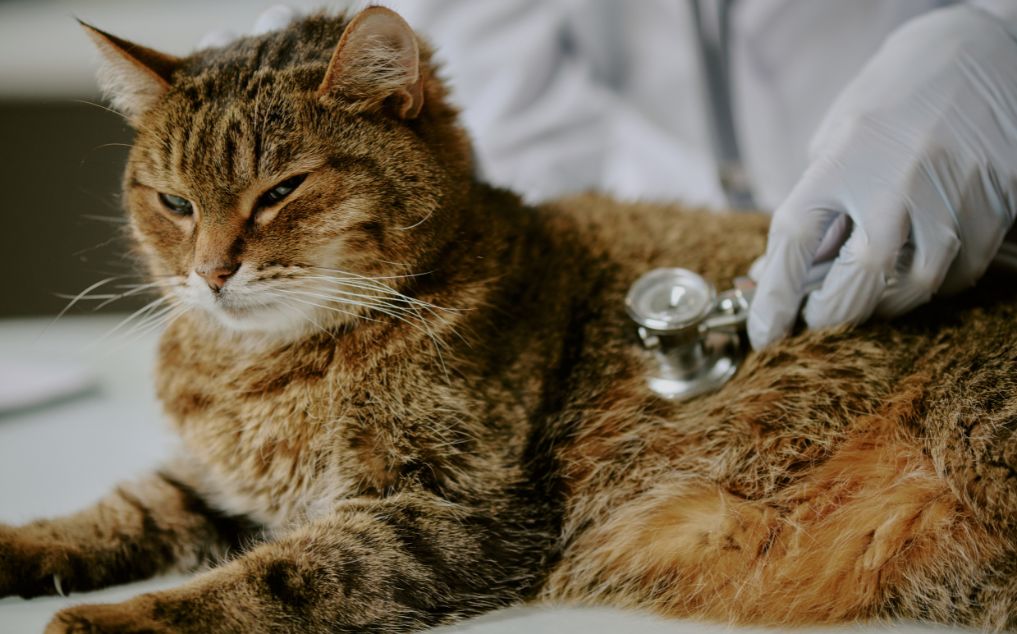
- History and visual inspection: The veterinarian assesses onset (sudden vs. gradual), whether one or both eyes are affected, presence of other symptoms (sneezing, runny nose, nasal discharge), breed, recent trauma, and any dental procedures. A cat displaying obvious signs of pain or swelling around the eye-kitty squinting, refusing to open the eye, or showing a bulging eyeball-requires immediate care.
- Physical and ophthalmic examination: The eyelids are examined for entropion, ectropion, and abnormal lashes. The conjunctiva is assessed for redness and swelling. A fluorescein stain is applied to the cornea to detect ulcers-the dye adheres to areas where the epithelium has been damaged, making even small corneal ulcers visible under blue light.
- Tear production and drainage testing: The Schirmer Tear Test (STT) measures tear production by placing a small paper strip in the lower conjunctival sac for 60 seconds. In epiphora cases, STT results may be normal or elevated, indicating the problem lies in drainage rather than production. The Jones test places fluorescein dye in the eye to see whether it appears at the nostril within 5–10 minutes, helping assess nasolacrimal duct patency. Tear duct flushing-sometimes requiring sedation-attempts to clear obstructions directly.
- Laboratory testing: Conjunctival swabs can be analyzed via PCR, culture, or cytology to identify feline herpesvirus, Chlamydophila felis, Mycoplasma species, or bacterial pathogens. This step is particularly important when eye infections early diagnosis can prevent more serious complications.
- Advanced diagnostics: Intraocular pressure measurement (tonometry) rules out glaucoma. Obvious pain or swelling around the eye indicates possible glaucoma, which requires urgent treatment. CT-dacryocystography provides three-dimensional visualization of the nasolacrimal duct for complex or breed-related cases. Dental radiographs may be needed if tooth root pathology is suspected. Blood work including FeLV/FIV testing assesses for systemic infection or immune mediated disease.
Treatment Comparison by Condition
Treatment for your cat’s symptoms depends entirely on the diagnosed condition. The following table summarizes the most common scenarios:
Condition | Primary Symptoms | Typical Treatment | Expected Timeline | Prognosis |
|---|---|---|---|---|
FHV-1 Conjunctivitis/Keratitis | Serous or mucous eye discharge, red and inflamed eyes, possible dendritic ulcers, sneezing, cat flu signs | Topical antivirals (idoxuridine, cidofovir), systemic famciclovir, oral medications for secondary bacterial infection, supportive care | Primary disease: 10–20 days; ulcers: several weeks; recurrences possible over lifetime | Good in mild cases; severe stromal disease or sequestra may threaten cat’s eyesight |
Blocked Tear Ducts | Watery discharge, tear staining, wet fur below eyes, possible skin irritation | Duct flushing, probing; surgical correction may be needed for blocked tear ducts with permanent obstruction | Days after flushing for mild cases; weeks for surgical healing | Good if obstruction identified early; risk of re-obstruction and chronic dermatitis |
Eyelid/Eyelash Disorders | Swollen eyes, squinting, tearing, visible eyelid rolling or abnormal lashes | Surgical correction (entropion repair, cryosurgery for ectopic cilia); lubricants as interim measure | Post-surgical healing: 1–3 weeks | Excellent with surgery; untreated cases risk corneal ulcers and vision loss |
Conjunctivitis (Bacterial) | Green or yellow discharge, inflamed eyes, swelling | Conjunctivitis treatment may include eye drops prescribed by a vet; bacterial eye infections may require ophthalmic antibiotic drops | Improvement within 5–7 days with treatment; full resolution 1–2 weeks | Good with appropriate antibiotics; risk of resistance if undertreated |
Allergies/Environmental | Itchy, watery eyes, clear discharge, seasonal pattern, cat’s eye irritation | Remove allergen, antihistamines, topical lubrication; warm compresses can assist in minor eye irritation cases | Days once allergen removed; ongoing management for chronic allergies | Excellent if trigger identified; secondary infection possible |
Corneal Ulcers | Intense eye watering, obvious pain, cloudiness, squinting | Topical antibiotics, pain management, possible surgery for deep ulcers; eye drops can help treat glaucoma in cats if concurrent pressure issues arise | Superficial: 1–2 weeks; deep ulcers: weeks to months | Dependent on depth; superficial ulcers heal well; deep ulcers may scar |
Critical safety note: Using human medication on cats can be harmful. Never apply over-the-counter human eye drops or ointments to your cat’s eyes without explicit veterinary guidance. Many human formulations contain preservatives or active ingredients that are toxic to cats.
Seek veterinary care for obvious signs of pain or swelling. Red and inflamed eyes indicate a need for veterinary attention. A goopy discharge from eyes usually signals an infection. Immediate care is needed for a bulging eyeball in cats.
Common Challenges and Solutions
Managing a cat’s eye problem often extends well beyond the initial veterinary visit. Chronic conditions, breed-related anatomy, and the practical difficulty of medicating cats present ongoing challenges for owners.
Managing Chronic Watery Eyes
Daily cleaning is essential for cats with persistent excessive tearing. Use sterile saline or veterinarian-recommended, pet-safe, unscented wipes to gently clean the area below and around the eyes. Avoid human soaps, alcohol-based products, and fragranced wipes-these can worsen cat’s eye irritation. Trim facial fur that traps moisture and contributes to staining, and keep the medial canthus (inner eye corner) as dry as possible to prevent secondary dermatitis.
Administering eye drops or ointment to cats is notoriously challenging. Wrapping the cat securely in a towel, approaching from behind and above, and incorporating treatment into an established daily routine can improve compliance. Consistency matters more than perfection-if you struggle, ask your veterinarian to demonstrate the technique.
Recognize signs of secondary complications that need professional attention: persistent odor around the eyes, hair loss in the tear-stained area, cracked or reddened skin, and any shift from clear discharge to green discharge or yellow discharge suggests that the pet’s condition has escalated.
Brachycephalic Breed Considerations
For Persian, Himalayan, and Exotic Shorthair owners, some degree of chronic tearing may be an unavoidable reality of their cat’s facial conformation. Research from veterinary ophthalmology programs has highlighted how extreme brachycephaly distorts not only the nasolacrimal duct’s trajectory but also contributes to exposure keratitis due to shallow orbits and prominent eyes. Daily facial hygiene becomes a lifelong commitment for these cat breeds.
When conservative management fails-meaning daily cleaning doesn’t prevent dermatitis, recurrent infections, or significant discomfort-surgical intervention may be warranted. Options include widening the lacrimal puncta, reconstructing nasolacrimal openings, or correcting eyelid abnormalities. These procedures carry risks including anesthesia complications and scar formation, and they may only partially resolve the issue in severely brachycephalic individuals. Discuss realistic expectations with a veterinary ophthalmologist before proceeding.
Preventing Secondary Complications
Prevention is multifaceted:
- Vaccination: Ensure your cat is vaccinated against FHV-1. While vaccination doesn’t prevent infection entirely, it significantly reduces severity of clinical disease. The European Advisory Board on Cat Disease (ABCD) guidelines recommend core vaccination against feline herpesvirus for all cats.
- Stress reduction: Since FHV-1 reactivation is stress-triggered, minimize environmental stressors-avoid overcrowding, provide enrichment, maintain stable routines. Approximately 70% of latently infected cats shed virus when stressed or immunosuppressed.
- Dental health: Schedule regular dental examinations, particularly for brachycephalic breeds where the canine tooth root lies in close proximity to the nasolacrimal duct. Dental disease can directly compress or obstruct tear drainage pathways.
- Environmental control: Reduce exposure to known allergens and irritants. Allergies to pollen or cleaning products can lead to watery eyes, and proactive allergen management prevents recurrent episodes.
- Protective measures: If your cat is recovering from a corneal ulcer or eye surgery, use an Elizabethan collar to prevent self-trauma. Keep nails trimmed to reduce the risk of corneal scratches during normal grooming.
Feline upper respiratory infections often cause watery eyes, and many are preventable through good hygiene, isolation of sick cats (especially in shelters or multi-cat households), and timely veterinary care when eye symptoms first appear.
Conclusion and Next Steps
Watery eyes in cats are a symptom, not a diagnosis. Whether the cause is a fleeting cat’s eye irritation from dust or a chronic condition rooted in your feline friend’s skull anatomy, the appropriate response always begins with understanding what you’re seeing and acting on it promptly. The most important distinction is between transient, clear discharge that resolves on its own and persistent excessive tear production accompanied by color changes, pain, or behavioral changes.
Take these steps now:
- Observe and document: Note whether the tearing affects one or both eyes, the color and consistency of discharge, and any other signs like sneezing or lethargy. If your cat has watery eyes lasting more than a day or two, this documentation will be invaluable for your veterinarian.
- Schedule a veterinary examination: Take your cat to the vet for any persistent eye watering, especially if accompanied by green or yellow discharge, swollen eyes, squinting, or obvious pain. Eye infections early diagnosis dramatically improves outcomes.
- Maintain gentle daily eye hygiene: Use saline-dampened cotton pads or veterinary-approved wipes to clean around the eyes, particularly for breed prone cats with flat faces.
- Never self-medicate: Avoid using human products or leftover medications. Only use eye drops or oral medications specifically prescribed by your veterinarian for your cat’s current condition.
For further reading, explore topics such as breed-specific care requirements for brachycephalic cats, general feline eye health maintenance, and the role of preventive veterinary care in maintaining your cat’s long-term comfort and vision.
Additional Resources
- Ocular Manifestations of Feline Herpesvirus – University of Florida College of Veterinary Medicine comprehensive review of FHV-1 eye disease
- ABCD Guidelines on Feline Herpesvirus Prevention and Management – European Advisory Board on Cat Disease consensus recommendations
- MSD Veterinary Manual: Disorders of the Nasal Cavity and Tear Ducts in Cats – Reference-grade overview of lacrimal system disorders
- VCA Animal Hospitals: Eye Discharge (Epiphora) in Cats – Practical owner-oriented guidance on evaluation and management
- American College of Veterinary Ophthalmologists – Professional directory for locating board-certified veterinary eye specialists in your area