
Introduction
Senior cat wellness is a structured approach to maintaining the physical health, nutritional balance, environmental comfort, and cognitive vitality of cats as they age-and it begins earlier than most cat owners realize. Senior cats are considered seniors at 7-10 years old, with many cats entering a transitional phase well before obvious signs of aging appear. By the time a cat is truly a senior citizen at age 11 or older, proactive care should already be well established.
This guide covers the full spectrum of feline senior wellness: understanding how cats age across life stages, building systematic health monitoring routines, implementing veterinary care and nutritional management strategies, and addressing the most common health challenges facing older cats. It is designed for proactive cat owners with senior pets-or those whose cats are approaching their golden years-who want actionable, evidence-based guidance rather than generic advice. The stakes are real: undetected health issues in aging cats can progress rapidly, and senior cats often hide illness until it becomes severe.
In short, keeping a senior cat healthy requires regular health monitoring, dietary adjustments tailored to evolving needs, environmental modifications for comfort and safety, and preventive veterinary care at least every six months.
By reading this guide, you will gain:
- A clear understanding of age-related changes across the early senior, mature senior, and geriatric phases
- A practical system for daily, weekly, and monthly health tracking and trend detection
- A structured veterinary care schedule with specific diagnostic benchmarks
- Knowledge of how to recognize warning signs of common diseases like kidney disease, arthritis, and cognitive dysfunction
- Confidence in building an effective partnership with your veterinarian to give your cat the longest and healthiest life possible
Understanding Senior Cat Life Stages
Feline aging doesn’t happen in a single moment-it unfolds across defined life stages, each with distinct physiological shifts and care requirements. The American Association of Feline Practitioners (AAFP) and AAHA classify cats as middle aged (roughly 7–10 years), senior (11–14 years), and geriatric cats at 15 years and beyond. Recognizing which phase your cat occupies is the first step toward stage-specific care that actually makes a difference.
Early Senior Phase (7-10 years)
When cats age into the 7–10 year range, subtle changes begin beneath the surface even if your cat still seems perfectly healthy. Immune senescence starts to take hold-your cat’s ability to fight infections declines, skin becomes thinner and less elastic, and grooming frequency often drops. Sensory functions like hearing and vision begin a slow decline. Endocrine drift may occur, with total T4 levels tending to increase mildly after age 5, which can contribute to metabolic shifts later.
Behaviorally, you may notice your cat transitions away from vigorous play, jumps less frequently, or sleeps in different patterns. A coat that was once glossy may become duller or develop mats as grooming diminishes. These changes are easy to dismiss as “just getting older,” but they represent the opening window for preventive action.
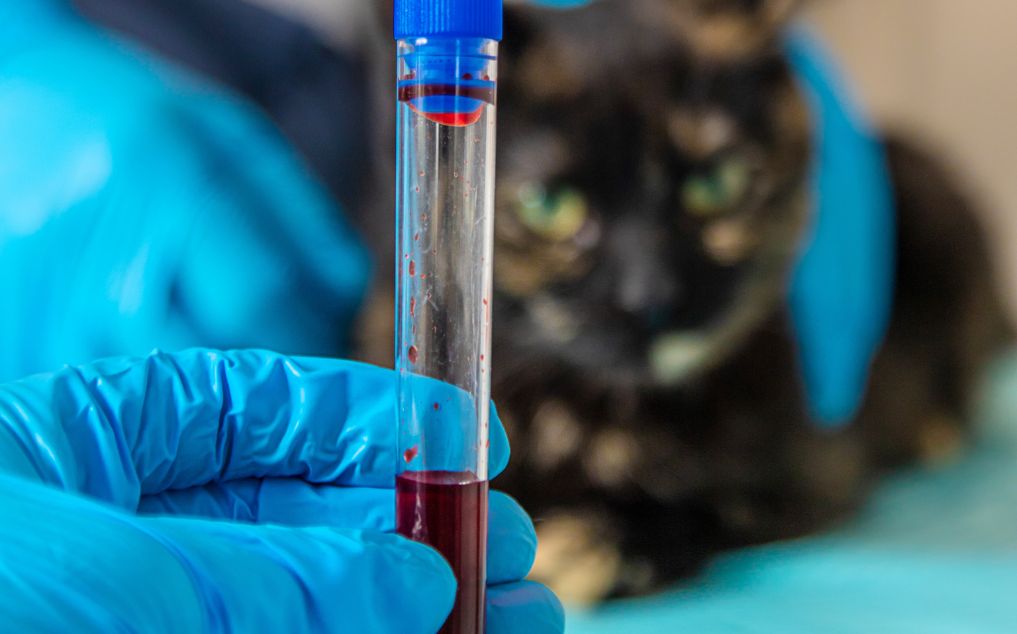
This is precisely when establishing baseline lab values-a complete blood count (CBC), biochemistry panel, urinalysis, and total T4-becomes critical. These baselines allow veterinarians and health monitoring tools to detect drift in values long before disease becomes clinically apparent. Feline practitioners increasingly recommend transitioning from annual to semi-annual veterinary visits during this phase, rather than waiting until problems emerge.
Mature Senior Phase (11-14 years)
As cats enter the 11–14 year range, the gradual changes of the early senior phase accelerate into more pronounced health challenges. Organ function-particularly renal and hepatic-declines measurably. Chronic kidney disease is common in older cats, affecting an estimated 30–40% of cats over 10 years. Arthritis affects most senior cats, causing joint stiffness; radiographic studies estimate that 70–90% of cats over age 12 show evidence of degenerative joint disease. Dental disease worsens significantly, with over 80% of cats over 5 already affected to some degree.
Sarcopenia-the loss of lean muscle mass-becomes a real concern. Many senior cats experience weight loss even with adequate caloric intake, while others face weight gain from reduced activity and metabolic slowdown. Digestive efficiency declines, and water intake often drops, compounding the risk of dehydration and kidney stress. Sensory impairment becomes more pronounced: hearing loss, nuclear sclerosis affecting vision, and emerging cognitive changes such as disorientation or increased nighttime vocalization.
The progression from early to mature senior phase underscores why health monitoring must become more systematic, more frequent, and more data-driven as individual pets age through these stages.
Essential Health Monitoring for Senior Cats
With a clear understanding of how aging unfolds across life stages, the next priority is building a structured monitoring system that catches changes before they become crises. Regular monitoring and documentation of a senior cat’s weight and behavior are essential for health management-this isn’t optional for senior or geriatric cats, it’s foundational. The monitoring framework below moves from daily observations to weekly assessments to monthly documentation, creating layered data that reveals trends invisible to casual observation.
Daily Health Observations
Daily monitoring doesn’t require medical expertise-it requires attention and consistency. Track these indicators every day:
- Appetite: Decreased food intake can signal dental pain, kidney problems, or hyperthyroidism. Note whether your cat finishes meals, picks at food, or refuses entirely.
- Water consumption: Increased drinking may indicate kidney disease or an overactive thyroid; decreased intake raises dehydration risk. Monitor water levels in food and water bowls.
- Litter box habits: Observe frequency, volume, and consistency of urination and defecation. Any accidents outside the litter box warrant attention. Low-entry litter boxes should be provided for senior cats to ease access and encourage consistent use.
- Mobility: Watch for reluctance to jump, stiffness on rising, limping, or sleeping in locations that don’t require climbing. Short video clips of your cat walking can reveal gait changes over time.
- Grooming and coat: Matted fur, a dull coat, or unkempt patches often point to pain, arthritis, or underlying illness. Aging cats need gentle grooming assistance to prevent matting and stimulate circulation.
- Behavioral and cognitive signs: Behavior changes like increased hiding or vocalization may signal health issues in senior cats. Watch for confusion, restlessness at night, or shifts in social interaction.
Weekly Assessment Routines
Weekly checks build on daily observations by adding quantitative measurements that expose trends:
- Body weight: Weigh your cat weekly or bi-weekly using a digital scale. Aim to detect weight loss or weight gain exceeding 5% within a month-this threshold often signals a developing problem. Losing muscle mass around the shoulder blades or spine may indicate sarcopenia.
- Food and water intake patterns: Track the total amount eaten and drunk across the week. Graphing these values, even on paper, makes trends visible that daily snapshots miss.
- Mobility assessment: Set up simple, repeatable tasks-climbing stairs, jumping onto a bed-and observe whether performance declines week to week. Video comparisons to baseline footage are particularly useful.
- Litter box output review: Twice-weekly measurement of urine clump size and stool consistency helps catch urinary or gastrointestinal issues early.
These weekly routines create the quantitative backbone of your cat’s health record and connect directly to what you’re already observing daily.
Monthly Health Documentation
Monthly, consolidate your observations into a structured health record:
- Maintain a log that includes your cat’s weight, body condition score (BCS), muscle condition score (MCS), appetite level, hydration status, and any veterinary findings.
- If lab work has been done in the past six months, review results monthly looking for drift in values like creatinine, SDMA, phosphorus, T4, or liver enzymes-even within “normal” ranges.
- Create a simple scoring rubric across four domains-mobility, pain, grooming, and cognition-and rate each on a 1–5 scale. Month-over-month comparisons reveal gradual decline that might otherwise go unnoticed.
- Use this documentation to inform decisions: scheduling a vet appointment, adjusting diet, or modifying the home environment.
Daily, weekly, and monthly monitoring together form a complete medical history that empowers both you and your veterinarian to act on data rather than react to emergencies.
Comprehensive Senior Cat Care Implementation
With monitoring systems in place, the next step is translating that data into structured care across three domains: veterinary scheduling, nutritional management, and environmental adaptation.
Veterinary Care Schedule
Frequent veterinary check-ups are recommended every six months for senior cats-this is the consensus position of the American Association of Feline Practitioners and AAHA. Here is a step-by-step schedule for maintaining proper routine care:
- Establish baseline diagnostics at 7–10 years: Request a CBC, chemistry panel, urinalysis, and total T4 to create reference values before age-related changes accelerate.
- Schedule semi-annual exams once your cat reaches 10 years: Senior cats should have wellness exams every six months. Cats with multiple comorbidities may need visits every 3–4 months.
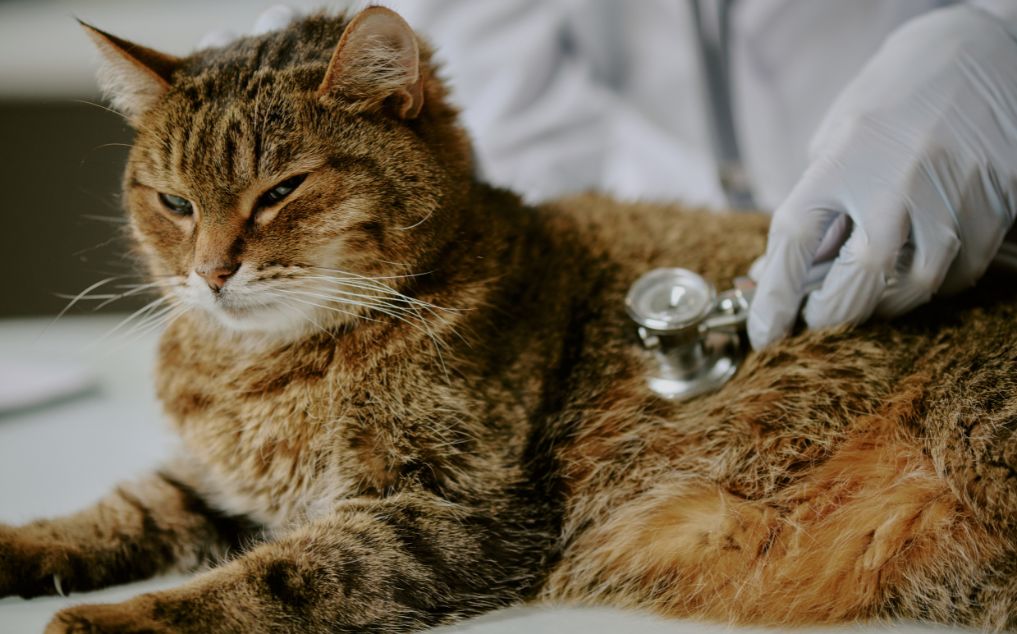
- Conduct a thorough senior wellness exam at each visit: Each appointment should include a physical exam assessing cat’s weight, BCS, mobility, oral health, sensory function, hydration, and skin condition.
- Perform annual or semi-annual lab diagnostics: Routine blood work is recommended for senior cats annually-include CBC, serum biochemistry, urinalysis (specific gravity, sediment, glucose, protein), total T4, SDMA, and electrolytes. Blood pressure checks are advised for cats over ten years old.
- Reassess vaccination and parasite prevention: Evaluate the risk-benefit ratio of core vaccinations in older cats. Parasite prevention is crucial for senior cats’ compromised immune systems and should continue year-round.
- Prioritize dental care: Dental cleanings are important for senior cats, often annually. Dental disease can cause pain, malnutrition, and systemic health problems when left untreated.
- Address environment and behavior during visits: Discuss home modifications (pet stairs, low-sided litter boxes, ramps), cognitive health observations, and any cat’s behavior changes you’ve documented.
- Intensify follow-up for chronic conditions: For cats with CKD, arthritis, or hyperthyroidism, schedule outcome-focused follow-ups every 3–6 months tracking disease-specific markers and quality-of-life scores.
Making regular veterinary visits less stressful also matters-acclimate your cat to the cat carrier gradually, use pheromone sprays, and choose a veterinary practice experienced with feline patients.
Nutrition Management Comparison
Nutritional needs shift significantly as cats age, and the right approach depends heavily on your cat’s individual health status. Senior cats benefit from a diet high in moisture content, and high-quality animal protein is essential for preserving muscle mass in senior cats. Senior cats require a diet with at least 30% dry matter protein to maintain muscle mass.
Senior Diet Type | Protein Requirements (dry matter basis) | Feeding Frequency | Special Considerations |
|---|---|---|---|
Healthy senior (10+ yrs, no illness) | 30–45% high biological value protein | 1–2 meals daily, portion-controlled | Increase calories by 10–20% if cat is lean; prefer canned food for hydration; monitor for obesity |
Senior with early CKD (Stage 1–2) | Moderate protein, restricted phosphorus; avoid excessively low protein to prevent muscle wasting | Smaller, more frequent feedings; prioritize wet food | Monitor blood phosphate and potassium; avoid high sodium; transition to therapeutic renal diet if disease progresses |
Senior with osteoarthritis | Higher protein to preserve lean mass; add omega-3 fatty acids and joint-support nutrients | Frequent meals in easily accessible locations; raised food and water bowls | Weight management is critical; restrict calories if overweight; consider glucosamine or collagen supplementation |
Senior with obesity risk | Standard protein; reduced calories; increased fiber for satiety | Small, frequent meals; eliminate free feeding | Obesity affects over 50% of adult cats in the U.S.; avoid severe restriction that causes weight cycling; ensure micronutrient adequacy |
Senior cats may need specially formulated food for digestion, and diet changes should be made gradually over 7-10 days to avoid gastrointestinal upset. Supplemental hydration methods include wet food and pet water fountains for senior cats-canned food is recommended for senior cats due to hydration benefits.
Choosing the right nutritional approach means balancing muscle preservation (adequate protein), disease management (phosphorus, sodium), comfort (hydration, joint health), and individual preference. Use lab data, cat’s weight trends, and muscle condition scores to adjust continuously. This nutritional management strategy should align directly with environmental adaptations-accessible feeding stations, clean water sources, and easy-access litter box setups all support intake and comfort.
Common Senior Cat Health Challenges and Solutions
Even with excellent preventive care, certain health issues are highly prevalent in aging cats. Arthritis, kidney disease, dental disease, and cognitive dysfunction affect large proportions of senior cats-but early detection combined with targeted management can maintain quality of life significantly longer than reactive care alone. Veterinary exams help catch diseases early in senior cats before they become difficult to manage.
Arthritis and Mobility Issues
Arthritis affects most senior cats, causing joint stiffness that reduces mobility and quality of life. Studies estimate 70–90% of cats over 12 show radiographic evidence of osteoarthritis, and roughly 60% of cats over 6 may already have early signs.
Environmental modifications make an immediate difference: provide pet stairs or ramps to favorite perches, use litter boxes with low sides, raise food and water bowls to reduce neck strain, offer soft padded bedding in warm areas, and minimize slippery floor surfaces.
Pain management in cats requires careful approaches since long-term NSAID use carries significant risks. The monoclonal antibody Solensia (frunevetmab) is a recently approved treatment specifically for osteoarthritis pain in cats. Additional options include weight management (reducing joint load), omega-3 fatty acid supplementation, physical rehabilitation, and adjunctive therapies such as laser therapy or acupuncture under veterinary supervision. Use pain scoring questionnaires and video documentation to track whether interventions are working-this data is invaluable during veterinary visits.
Kidney Disease and Urinary Problems
Chronic kidney disease affects an estimated 30–40% of cats over 10 years, making it one of the most significant known health risks for senior cats. Early detection depends on screening beyond traditional creatinine: symmetric dimethylarginine (SDMA) often rises before creatinine does, and comprehensive exams include bloodwork and urinalysis for seniors-monitoring urine specific gravity, sediment, proteinuria, and blood pressure together.
Dietary management centers on reduced phosphorus, controlled sodium, and moderate high-quality protein. Drastically restricting protein can accelerate muscle wasting, so the balance matters. Senior cats are more prone to dehydration and should have increased moisture intake-provide multiple water bowls, consider a pet water fountain, and prioritize wet food. Manage secondary complications (anemia, metabolic acidosis, hypertension) according to IRIS CKD staging guidelines and maintain frequent follow-up visits to track the cat’s kidney function trajectory.
Cognitive Dysfunction and Behavioral Changes
Senior cats may develop cognitive dysfunction similar to dementia in humans-a condition known as feline cognitive dysfunction (FCD) that is significantly underdiagnosed. Signs include disorientation, disrupted sleep-wake cycles, increased vocalization (especially at night), loss of litter box habits, decreased grooming, and changes in social behavior. Behavior changes in senior cats may indicate mental health issues that warrant evaluation rather than dismissal.
Environmental consistency is the first line of defense: consistency is important in the environment of senior cats to minimize stress. Maintain predictable routines, keep furniture arrangements stable, and provide quiet resting areas with night lights for cats who seem disoriented after dark.
Mental and physical stimulation helps preserve cognitive function: regular mental stimulation can help prevent age-related senility through interactive toys, puzzle feeders, scent trails, and structured social interaction. Diet changes can support mental health in aging cats-omega-3 fatty acids, antioxidants, and medium-chain triglycerides (MCTs) show promise, though evidence varies. Supplements may help manage mental health issues in senior cats, but always discuss specific products with your veterinarian before starting them.
Track cognitive changes using behavioral logs that note frequency and severity of episodes-this documentation helps veterinary medicine professionals distinguish FCD from other treatable conditions like hyperthyroidism or pain.
Conclusion and Next Steps
Keeping a senior cat healthy is not a single intervention-it’s an ongoing system of observation, documentation, and proactive care that evolves as your aging pet moves through successive life stages. The core principle is straightforward: the earlier you detect changes in your cat’s health, the more options you and your veterinarian have to maintain comfort and extend quality years. Many cat owners wait until their cat is suddenly ill to seek intensive care, but the most effective approach is to continue routine wellness care consistently throughout the senior and geriatric years.
To start or strengthen your senior cat care program today:
- Assess your cat’s current life stage and health status: Determine whether your cat is in the early senior (7–10), mature senior (11–14), or geriatric (15+) phase. Schedule a thorough senior wellness exam if your last visit was more than six months ago.
- Build your monitoring system: Begin daily observations of appetite, water intake, litter box habits, and mobility. Add weekly weighing and monthly documentation. Create a simple tracking sheet or use a digital health tracking tool.
- Implement care adjustments: Make environmental modifications to keep your senior cat comfortable-low-entry litter boxes, pet stairs, raised food and water bowls, warm bedding. Discuss nutritional management and any needed dietary transitions with your veterinarian, making changes gradually over 7-10 days.
For those ready to go deeper, consider exploring end-of-life quality assessment frameworks, advanced health monitoring tools that use trend detection and lab result interpretation to flag early changes, and specialized products designed for the unique needs of senior or geriatric cats. Your cat’s individual needs will change over time, and the best care adapts with them.
Additional Resources
- Health tracking templates: Create or download a senior cat health log that includes fields for daily observations, weekly weight, monthly scores (mobility, pain, grooming, cognition), and lab result tracking
- Veterinary specialist directories: The American Association of Feline Practitioners maintains a directory of cat-friendly practices experienced in geriatric feline care
- Environmental modification essentials: Low-entry litter boxes, pet stairs and ramps, raised feeding stations, orthopedic bedding, and pet water fountains
- Emergency warning signs reference: Seek immediate vet care if your senior cat shows sudden weight loss exceeding 5% in a month, stops eating for more than 24 hours, has difficulty breathing, exhibits sudden collapse or inability to use limbs, or shows signs of urinary obstruction (straining without producing urine)