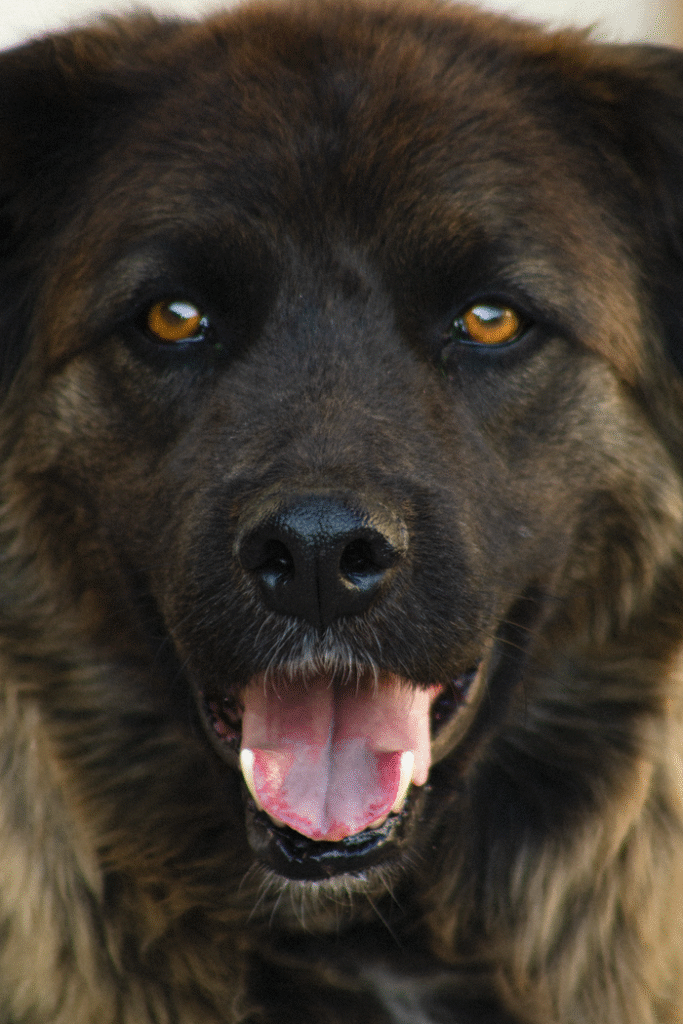

Pet owners frequently ask whether their canine companions require dietary taurine supplementation. While dogs typically synthesize this amino acid internally (unlike cats who must obtain it from food), certain breeds, diets, and genetics can create dangerous deficiencies leading to heart disease.
CompanAIn helps pet owners and veterinarians interpret uploaded health records and lab results, highlighting patterns relevant to nutrition and heart health. Future updates aim to integrate more breed-, diet-, and genetics-based guidance.This technology empowers pet owners to make informed nutritional decisions with unprecedented precision, transforming guesswork into science-backed certainty.
They serve the pet parents who notice the subtle changes in their pet. The missed meals or the extra naps become a concern prompting them to ask, “is something wrong, should I be worried?”
The intersection of veterinary science and machine learning provided by CompanAIn offers new hope for preventing taurine-related health issues before they become life-threatening.
What Is Taurine for Dogs?
Taurine is a semi-essential amino acid that plays crucial roles in cardiovascular function, eye health, immune support, and cellular development in dogs. While dogs typically don’t require dietary taurine when fed balanced, high-quality diets, certain circumstances can make supplementation necessary for optimal health.
According to a 2024 study published in the Journal of Veterinary Internal Medicine, “taurine-responsive cardiomyopathy (CM) has been reported in certain breeds and individuals” despite dogs’ ability to synthesize taurine internally.
Dogs naturally produce taurine from methionine and cysteine, two sulfur-containing amino acids found in high-quality proteins. This internal synthesis typically meets their physiological needs when fed appropriate diets. However, factors like breed genetics, diet composition, and individual metabolism can disrupt this process.
The extent to which dogs may require dietary taurine is still under investigation and may be breed dependent. Research from UC Davis shows that “low levels of taurine are associated with a potentially reversible form of DCM” in dogs, particularly affecting certain breeds like Golden Retrievers.
The amino acid concentrates in heart muscle, retinal tissue, and other metabolically active organs. When taurine levels drop below optimal ranges, these tissues become vulnerable to dysfunction and disease.
Taurine-Deficient Dilated Cardiomyopathy
Taurine deficiency is one cause of a heart condition called dilated cardiomyopathy (DCM), a serious condition where the heart muscle becomes weakened and enlarged. This form of heart disease has been increasingly documented in dogs fed certain commercial diets, particularly grain-free formulas.
According to research published in PMC (PubMed Central), “Golden retrievers are over-represented in cases of taurine-deficient dilated cardiomyopathy and recently a surge in cases has prompted further investigation.” The breed appears to have genetic predispositions that affect taurine metabolism and utilization.
DCM symptoms include exercise intolerance, difficulty breathing, coughing, and lethargy. Without proper diagnosis and treatment, the condition can progress to congestive heart failure and death. Early detection through regular veterinary screenings is crucial for affected dogs.
A study published by the University of California found that “taurine supplementation may result in prolonged survival times in these dogs, which is not typical for dogs with DCM.” This suggests that when taurine deficiency is the underlying cause, supplementation can significantly improve outcomes.
AI-Powered Solutions for Taurine Analysis
Personalized Nutritional Assessment
AI considers multiple variables to craft a precise nutritional profile for the pet, generating personalized meal plans that specify the ideal balance of proteins, fats, carbohydrates, vitamins, and minerals. These sophisticated algorithms analyze breed-specific taurine requirements, individual health histories, and current diet compositions.
Machine learning models process thousands of data points to determine whether a specific dog might benefit from taurine supplementation. The analysis considers factors like age, weight, activity level, current diet ingredients, and breed-specific genetic markers.
By analyzing DNA samples, AI algorithms can identify genetic markers associated with specific health conditions, sensitivities, and potential nutrient deficiencies or excesses. This genetic analysis provides unprecedented insights into individual taurine metabolism capabilities.
Predictive Health Modeling
AI systems excel at identifying dogs at risk for taurine deficiency before clinical symptoms appear. AI algorithms can analyze a pet’s age, breed, weight, activity level, and health history to create customized nutrition plans that prevent deficiency states.
These predictive models continuously learn from new research data, veterinary case studies, and feeding trial results. The technology updates recommendations as scientific understanding of canine taurine metabolism evolves.
Advanced AI platforms can simulate how different dietary changes might affect taurine status over time, helping pet owners make proactive nutritional adjustments rather than reactive treatments.
Real-Time Diet Optimization
AI-powered apps allow pet owners to track their pets’ dietary intake and receive instant feedback about nutritional adequacy. These tools analyze ingredient lists, feeding amounts, and meal timing to optimize taurine availability.
The technology identifies potentially problematic ingredients or nutrient interactions that might interfere with taurine synthesis or absorption. Users receive specific recommendations for dietary modifications or supplementation protocols.
Real-time monitoring helps detect gradual changes in dogs’ nutritional needs as they age or experience health changes, ensuring taurine status remains optimal throughout their lives.
Ready to Optimize Your Dog's Nutrition with AI?
Your dog’s heart beats with unconditional love—shouldn’t you protect it with the same passion? Every tail wag, every loyal gaze, every moment of pure joy your furry family member brings deserves the gold standard of preventive care that only cutting-edge science can provide.
At CompanAIn we understand that your dog isn’t just a pet. They are a member of your family. That’s why we’ve harnessed the power of advanced AI to safeguard what matters most: your companion’s health and longevity.
Frequently Asked Questions
What are the signs that my dog might require taurine supplementation?
- Early: lower energy, exercise intolerance, subtle rhythm changes (vet assessment needed).
- Advanced: coughing, labored breathing, abdominal swelling, collapse.
How does AI determine if my specific dog requires taurine?
- It layers genetics, diet, age, activity, and history, then benchmarks against large datasets to spot risk patterns.
- AI tools can analyze diet composition, breed-related risk factors, age, and history to flag possible taurine-related concerns. CompanAIn focuses on surfacing these kinds of patterns within documented medical and diet history, which owners and vets can then review together.
Are grain-free diets really dangerous for dogs’ taurine levels?
- Many grain-free diets meet amino acid minimums, yet DCM cases still occur—so risk likely involves multiple factors (ingredients, processing, digestibility, individual variation).
- Protein quality and overall formulation may matter more than “grain-free” status alone.
Can AI replace veterinary consultation for my dog’s nutritional needs?
- No. AI is decision support, not a substitute.
- Best results pair AI data with a veterinarian’s exam, diagnostics, and medical judgment.
How quickly do dogs respond to taurine supplementation if deficient?
- Blood taurine: often normalizes in 4–8 weeks.
- Cardiac function: commonly improves over 6–12+ weeks, depending on severity.
Early diagnosis improves outcomes; some dogs need long-term supplementation.