
Your dog has been drinking more water lately. You’ve refilled the bowl twice today, and she’s asking to go outside more often than usual. She seems a little thinner, maybe, though it’s hard to be sure. Each of these changes, on its own, feels easy to explain away. Together, they may be telling a different story.
Dog diabetes symptoms rarely appear suddenly. They build gradually, disguised as quirks or signs of normal aging, while blood glucose climbs steadily in the background. By the time the picture becomes obvious, organ damage may already be accumulating. The window for meaningful intervention is earlier than most owners realize, which is why learning to recognize these signs matters.
CompanAIn was built for exactly this kind of problem. When symptoms emerge gradually across months of veterinary visits and owner observations, CompanAIn’s agentic AI platform organizes that history into a coherent picture, capturing the patterns that individual visits can miss. If your dog is showing early warning signs, the data to act on them may already exist. It just needs to be connected.
How Canine Diabetes Works
Diabetes mellitus in dogs is a metabolic disorder caused by the body’s inability to regulate blood glucose. In most cases, the pancreas fails to produce sufficient insulin, the hormone responsible for moving glucose from the bloodstream into the cells that need it for energy. Without insulin, glucose builds up in the blood while cells are effectively starved of energy, prompting the body to begin breaking down fat and muscle for fuel instead.
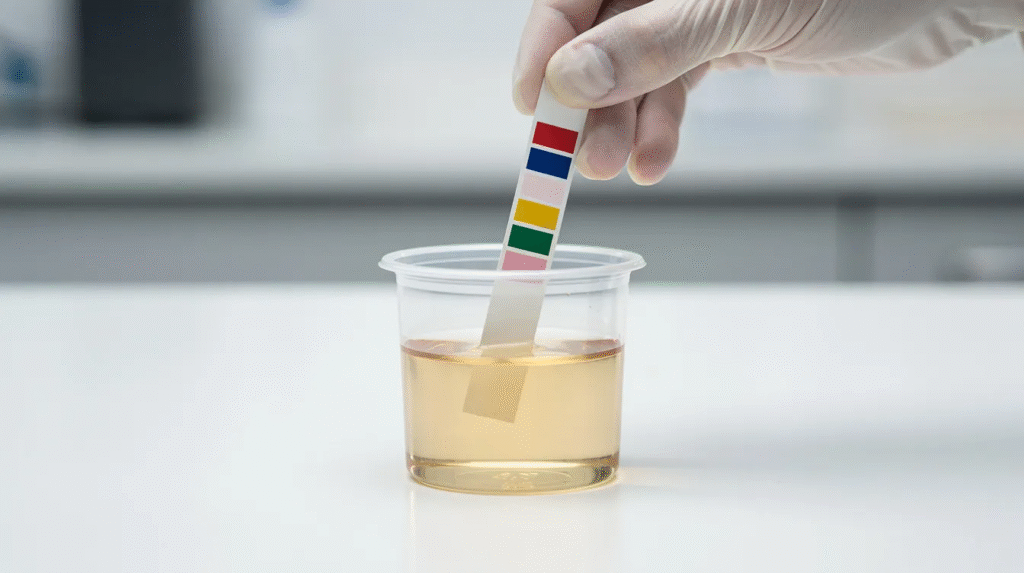
The American Veterinary Medical Association explains that when blood glucose reaches a certain threshold, it spills into the urine, drawing large volumes of water with it. This process drives the excessive thirst and urination that are typically the first diabetes symptoms owners notice. The condition is serious but manageable, and Cornell University College of Veterinary Medicine notes that dogs caught early and started on treatment promptly can go on to live full, active lives.
Canine diabetes has a reported prevalence of between 0.3% and 1% depending on the population studied. Middle-aged to older dogs between seven and nine years of age are most commonly affected. Female intact dogs carry a notably elevated risk. One large UK study found that intact females were roughly three times more likely to develop diabetes than neutered females.
How AI Detects Diabetes Before the Picture Is Obvious
The four classic symptoms rarely show up together at a single appointment. Excessive thirst might be noted in a wellness exam in March. Weight loss gets flagged in August. A UTI shows up in October. Each finding, reviewed in isolation six months apart, looks manageable. The pattern they form together is progressive, connected, and building toward a diagnosis that only becomes visible when someone is looking across all of it at once.
This is the core problem AI-powered early detection solves. Research published in Frontiers in Veterinary Science identifies pattern recognition across longitudinal health data as one of the most clinically meaningful applications of AI in veterinary medicine, particularly for chronic conditions where individual findings are ambiguous but directional change is not.
What AI looks for specifically in diabetic dogs:
- Gradual upward drift in water consumption documented across multiple visits
- Weight loss occurring alongside increased appetite, a combination that flags metabolic dysfunction
- Recurrent UTIs, which in diabetic dogs reflect glucose spilling into urine and creating conditions for bacterial growth
- Fructosamine readings that individually appear acceptable but show a consistent upward trend across successive panels
- Appetite changes that coincide with documented glucose fluctuations rather than appearing in isolation
No single one of these is a diagnosis. Together, with directionality established across months of records, they form the kind of preclinical signal that allows intervention before organ damage accumulates. That is what AI-powered early detection means in practice: not a faster diagnosis at a single appointment, but a system that reads the arc of the data rather than the most recent point on it.
Recognizing Dog Diabetes Symptoms Early
The Classic Four
Cornell’s resource on canine diabetes identifies four primary clinical signs that define the condition in dogs.
Excessive thirst and urination are usually the first symptoms owners notice. The kidneys work to flush excess glucose from the bloodstream, dragging water along with it. Dogs drink heavily to compensate and urinate far more frequently as a result. Accidents indoors after a reliably house-trained dog are a signal worth taking seriously.
Increased appetite with weight loss is a combination that often confuses owners. The dog seems hungry all the time yet keeps losing condition. Because cells cannot access glucose without insulin, the body perceives itself as starving regardless of food intake and begins consuming its own muscle and fat for energy. A dog eating normally but growing visibly thinner is a meaningful clinical sign.
Lethargy tends to accompany the weight loss. Cells deprived of their primary fuel source produce less energy, and affected dogs often become noticeably less interested in activity, play, or exercise they previously enjoyed.
Secondary Symptoms That Develop Over Time
As diabetes symptoms progress without treatment, several secondary complications emerge.
Cloudy eyes are one of the most recognizable. According to Cornell University’s canine cataract resource, roughly 75 to 80% of diabetic dogs develop cataracts within their first year of diagnosis, regardless of how well their blood glucose is controlled. High glucose levels in the lens trigger sorbitol accumulation, which pulls water into the lens tissue, disrupts clarity, and causes rapid cataract formation. Cataracts can develop within weeks of diagnosis in some dogs, occasionally leading to sudden blindness.
Sweet or fruity-smelling breath signals diabetic ketoacidosis, a life-threatening complication that develops when the body begins breaking down fat rapidly and ketones accumulate in the bloodstream. This is a veterinary emergency requiring immediate care.
Recurrent urinary tract infections are common in diabetic dogs because glucose in the urine creates an ideal environment for bacterial growth. A dog with frequent UTIs, particularly if other symptoms are present, should be evaluated for underlying diabetes.
Poor coat condition and general deterioration of body condition may develop as the disease progresses and metabolic dysfunction deepens.
Why Diabetes Data Without AI Is Only Half the Picture
Diabetes is unique among chronic conditions in how much actionable data it generates between diagnoses. Glucose curves, fructosamine readings, weight trends, UTI recurrences, insulin dose adjustments, appetite observations. Each data point matters, and each one only tells part of the story in isolation.
The core problem is that these data points rarely live in one place. They accumulate across appointments, home logs, email summaries, and lab printouts that no single veterinarian sees in full at any given visit. The clinical decisions that matter most in diabetes management depend entirely on having that complete picture available.
Where AI monitoring changes the equation is in connecting findings that look unrelated at a single visit but form a meaningful pattern across time. A UTI that appears incidental becomes significant when cross-referenced against a concurrent period of poor glucose control. A fructosamine reading that looks acceptable in isolation tells a different story when it has been climbing across four successive panels. An insulin dose that worked six months ago may be quietly underperforming while each individual glucose curve still looks plausible.
The difference between well-controlled and poorly-controlled canine diabetes often comes down to how quickly those shifts get caught. AI-powered longitudinal analysis identifies directional change before it crosses a clinical threshold, giving veterinarians the opportunity to adjust treatment at the stage when small corrections still work rather than waiting until the problem forces a larger intervention.
How CompanAIn's Agentic AI Supports Diabetic Dog Care
Managing canine diabetes long-term is one of the most documentation-intensive tasks in pet ownership. Insulin doses, meal times, glucose readings, weight trends, activity levels, and clinical observations all shape treatment decisions. Keeping that information organized and making it accessible to veterinarians at every appointment is not a small ask.
Building a Longitudinal Glucose Picture
CompanAIn’s agentic AI platform organizes uploaded records, lab results, and owner observations into a Living Health Timeline that makes trends visible across months and years rather than reducing each visit to an isolated data point. When glucose curves from successive appointments are viewed alongside documented symptom changes and weight trends, the trajectory of disease control becomes far clearer than any single data point can show.
For diabetic dogs, this longitudinal context is clinically significant. A fructosamine reading that appears acceptable in isolation tells a different story if it has been creeping upward over six months. CompanAIn’s Trend Detection surfaces these directional changes and generates alerts when patterns suggest it is time to revisit dosing or investigate a contributing condition.
Connecting the Full Clinical Picture
Diabetic dogs frequently develop concurrent conditions that complicate glucose regulation. Hypothyroidism, urinary tract infections, pancreatitis, and Cushing’s disease all affect insulin sensitivity. Because CompanAIn’s Living Memory technology maintains context across a dog’s full health history, a new UTI flagged at one appointment gets considered alongside the dog’s glucose trends, recent weight changes, and medication history rather than treated as an unrelated problem.
This kind of cross-system awareness helps veterinarians make faster, better-informed decisions about when a dog’s insulin regimen needs reassessment versus when a complicating condition is the more likely explanation for poor regulation.
Keeping Owners and Vets Aligned
Between appointments, a great deal of relevant information accumulates at home: observations about appetite, energy, water intake, and urination frequency that a five-minute summary at the start of an exam rarely captures fully. CompanAIn’s Smart Upload accepts PDFs, clinical summaries, and records in multiple formats, organizing them into a structured health profile your veterinarian can review in full context before making dosing decisions. For a condition as management-intensive as diabetes, that organized record is not a convenience. It is a meaningful clinical tool.
When to Seek Immediate Veterinary Care
Diabetes is generally a manageable condition, but several presentations signal that something has shifted, and waiting until the next scheduled appointment is not the right call.
Some presentations require urgent attention:
- Sweet or fruity-smelling breath, vomiting, or rapid breathing may indicate diabetic ketoacidosis
- Sudden onset of cloudy eyes or apparent vision loss
- Weakness, tremors, confusion, or seizures may indicate hypoglycemia from insulin overdose
- Refusal to eat combined with scheduled insulin dosing, which requires immediate veterinary guidance on whether to adjust the dose
If your dog is on insulin and refuses to eat, do not administer the scheduled dose without speaking to your veterinarian first. This is one of the most common and dangerous errors in home diabetes management.
The Dogs Who Do Best Start Here
Dog diabetes symptoms are manageable when caught early and met with consistent, well-organized care. The dogs who do best over the long term are those whose veterinarians have access to a complete longitudinal health picture and whose treatment gets adjusted promptly when something shifts.
Contact CompanAIn today to start building a Living Health Timeline for your dog and give your care team the organized, continuously updated record that proactive diabetes management requires.
Frequently Asked Questions
What are the first signs of diabetes in dogs?
The earliest signs are typically excessive thirst, frequent urination, increased appetite, and unexplained weight loss occurring together. The combination matters more than any single symptom. A dog drinking more water is easy to explain away, but a dog that is simultaneously hungrier, thinner, and urinating more frequently is showing a pattern worth investigating promptly.
Can dog diabetes symptoms come on suddenly?
The classic symptoms usually develop gradually over weeks to months. Complications, however, can move fast. Diabetic cataracts can appear within weeks of diagnosis in some dogs, occasionally causing sudden vision loss. Diabetic ketoacidosis, signaled by sweet or fruity-smelling breath and vomiting, can develop rapidly and requires emergency care rather than a scheduled appointment.
What breeds are most at risk for canine diabetes?
Samoyeds, Miniature Schnauzers, Poodles, Pugs, and Australian Terriers are among the breeds with the highest documented risk. Intact female dogs of any breed also carry an elevated risk due to the hormonal influence of diestrus, during which progesterone antagonizes insulin and can trigger or worsen the condition. Spaying an intact diabetic female is generally recommended to help stabilize insulin requirements.
How is dog diabetes diagnosed?
Veterinarians diagnose diabetes through blood and urine tests showing persistently elevated glucose in both. Because stress alone can temporarily raise blood glucose, fructosamine testing is sometimes used to confirm the diagnosis. It reflects average glucose levels over the preceding two to three weeks rather than a single moment in time. A complete blood panel and urinalysis are also standard to assess organ function and rule out concurrent conditions like Cushing’s disease or pancreatitis that can complicate management.
My dog was just diagnosed with diabetes. What does long-term management actually look like?
Most diabetic dogs require twice-daily insulin injections timed around consistent meals. The routine matters as much as the medication. Same food, same portion, same schedule, predictable exercise. Blood glucose curves help veterinarians assess whether dosing is working and when adjustments are needed. Insulin requirements can shift with illness, weight changes, and hormonal fluctuations, so lifelong monitoring is not optional. Many owners find the management demanding at first and considerably more manageable once a stable routine is established.