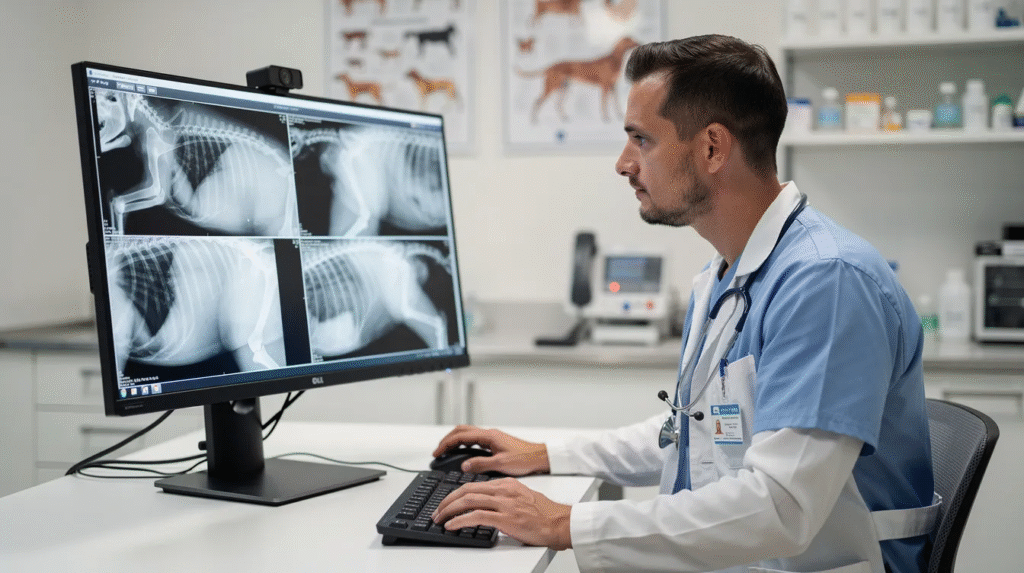

How to know when a dog’s joint problem is worth further investigation?
Joint problems don’t announce themselves with dramatic injuries. They creep in gradually through subtle changes in movement, reluctance to play, or stiffness after rest. By the time most owners recognize something’s wrong, inflammation has settled in, or degenerative changes have progressed beyond the earliest intervention window.
The difference between dogs who maintain mobility into their senior years and those who struggle with chronic pain often comes down to early recognition, understanding what joint conditions actually involve, and knowing which interventions address root causes.
Ready to protect your dog’s long-term mobility? Discover how CompanAIn’s movement tracking identifies subtle gait changes before visible lameness develops, monitors activity levels, and helps you to distinguish normal aging from degenerative joint disease requiring veterinary intervention.
What Are the Most Common Joint Problems in Dogs?
Joint problems encompass any condition affecting the structures that connect bones, including cartilage, ligaments, tendons, and synovial fluid. These issues range from acute injuries to chronic degenerative diseases.
Osteoarthritis represents the most widespread joint disease, affecting an estimated 20% of dogs over one year old. This degenerative condition involves progressive cartilage breakdown, bone remodeling, and chronic inflammation within joints.
Hip dysplasia occurs when the hip joint develops abnormally, creating a loose, unstable connection between the femoral head and acetabulum. This malformation causes abnormal wear patterns, leading to cartilage damage and eventually arthritis. Hip dysplasia has strong genetic components but environmental factors including growth rate, nutrition, and exercise during puppyhood significantly influence severity.
Elbow dysplasia encompasses several developmental abnormalities affecting the elbow joint. Like hip dysplasia, these conditions have hereditary components and cause progressive arthritis.
Cruciate ligament injuries involve tears or ruptures of the anterior cruciate ligament in the knee. Unlike human ACL tears typically resulting from acute trauma, dog CCL injuries usually develop through gradual degeneration.
Luxating patella occurs when the kneecap slips out of its normal groove, most commonly affecting small breed dogs. Severity ranges from grade 1 where the patella occasionally pops out and immediately returns, to grade 4 where it permanently sits outside the groove.
CompanAIn’s health monitoring tracks changes in activity duration, play intensity, and rest patterns that correlate with developing joint problems, flagging patterns warranting veterinary examination before severe lameness develops.
How Can I Tell If My Dog Has Joint Pain?
Dogs instinctively hide pain as a survival mechanism, making joint discomfort challenging to detect until it becomes severe. Unlike humans who can verbally communicate pain location and intensity, dogs rely on behavioral changes that owners must learn to recognize.
Early signs of joint pain include:
- Stiffness after rest, particularly noticeable after sleeping
- Reduced activity levels where dogs tire more quickly during previously enjoyable activities
- Hesitation before jumping into cars, onto furniture, or up stairs
- Difficulty rising from lying or sitting positions
- Decreased playfulness with less interest in fetch or play with other dogs
- Limping or favoring one or more legs
Advanced signs indicating more severe joint disease:
- Audible joint sounds such as clicking or grinding during movement
- Muscle atrophy in affected limbs where decreased use causes visible muscle loss
- Persistent lameness that doesn’t improve with rest
- Reluctance to be touched particularly around hips or affected joints
- Postural changes such as sitting abnormally or standing with weight shifted
Joint pain often manifests differently than owners expect. A dog with severe hip arthritis might not limp but instead refuse stairs, sit immediately during walks, or show reluctance to stand from a lying position.
AI-powered movement analysis can detect these subtle changes before they become obvious. By logging daily activity patterns, rest durations, and movement preferences, platforms like CompanAIn establish baseline mobility metrics for each individual dog. When gradual changes occur over weeks and months, the system flags these trends as potentially significant rather than dismissing them as normal variation.
What Is Hip Dysplasia and How Does It Develop?
Hip dysplasia involves malformation of the hip joint where the ball and socket don’t fit together properly. In normal hips, the round femoral head sits snugly in the deep acetabular cup. With dysplasia, the socket may be too shallow, the femoral head may be misshapen, or ligaments may be too loose, creating an unstable joint.
This instability causes several problems. The femoral head can partially dislocate during normal movement, damaging cartilage with each step. The body attempts to stabilize the joint through bone remodeling, but these changes often worsen the problem by creating bone spurs and causing chronic inflammation.
Genetic factors play the primary role in hip dysplasia development. Multiple genes influence hip joint formation, and breeding dogs with hip dysplasia significantly increases offspring risk. However, genetics determine susceptibility, not inevitability.
Environmental contributors include:
- Rapid growth rates from overfeeding during puppyhood
- Obesity during development placing excessive stress on immature joints
- Exercise extremes either insufficient activity or excessive high-impact exercise
- Nutritional imbalances particularly excessive calcium supplementation
Breed predispositions affect large and giant breeds most commonly, including German Shepherds, Labrador Retrievers, Golden Retrievers, and Rottweilers. However, hip dysplasia can develop in dogs of any size.
Severity varies enormously. Some dogs with severe radiographic hip dysplasia show minimal clinical signs, while others with moderate changes experience debilitating pain.
Can Hip Dysplasia Be Prevented?
While genetic predisposition cannot be eliminated in individual dogs, environmental management during puppyhood significantly influences whether susceptible dogs develop clinical hip dysplasia and how severely joints are affected.
Puppy-specific prevention strategies:
- Controlled growth rates through appropriate calorie intake
- Maintaining lean body condition throughout puppyhood
- Avoiding calcium supplementation in dogs eating complete, balanced commercial puppy foods
- Moderate exercise that builds muscle without repetitive high-impact stress
- Avoiding slippery surfaces during rapid growth periods
Breeding considerations offer the only method for reducing hip dysplasia frequency at the population level. Organizations like the Orthopedic Foundation for Animals (OFA) and PennHIP provide standardized hip evaluation protocols.
For dogs who develop hip dysplasia despite preventive efforts, early intervention with appropriate exercise modification, weight management, and pain management significantly improves long-term outcomes.
What Treatment Options Exist for Joint Problems?
Joint disease treatment depends on severity, specific condition, and dog’s age. Most veterinarians recommend multimodal approaches combining several interventions.
Weight Management
Maintaining ideal body condition represents the single most impactful intervention for joint disease. Research from Purina’s landmark study demonstrates that even modest weight loss significantly reduces lameness and improves mobility in arthritic dogs.
Exercise Modification
Appropriate exercise maintains muscle mass supporting unstable joints while preventing stiffness from inactivity. Low-impact activities such as swimming, controlled leash walking, and gentle play protect joints while maintaining fitness.
Joint Supplements
Glucosamine and chondroitin sulfate are the most commonly used supplements, providing building blocks for cartilage repair. Evidence for their effectiveness remains mixed, with many veterinarians recommending trials lasting 8-12 weeks to assess individual response.
Omega-3 fatty acids from fish oil possess anti-inflammatory properties that may reduce joint inflammation and pain.
Pain Management Medications
Non-steroidal anti-inflammatory drugs (NSAIDs) such as carprofen and meloxicam provide pain relief and reduce inflammation. These medications significantly improve quality of life for dogs with moderate to severe arthritis, though they require monitoring through periodic bloodwork.
Alternative pain medications including gabapentin and tramadol may be used alone or in combination with NSAIDs for managing chronic pain.
Injectable medications such as Adequan may slow cartilage breakdown, though evidence remains debated.
Physical Rehabilitation
Veterinary physical rehabilitation uses techniques adapted from human physical therapy. Underwater treadmills, therapeutic exercises, and laser therapy help maintain range of motion and build supporting muscle.
Surgical Options
Hip replacement surgery provides the most definitive treatment for severe hip dysplasia.
Cruciate ligament repair surgeries including TPLO stabilize the knee joint after ligament rupture. Surgical intervention generally produces better long-term outcomes than conservative management.
AI health tracking helps evaluate treatment effectiveness by documenting objective changes in mobility metrics. When starting a new joint supplement, owners often struggle to remember whether their dog’s mobility actually improved over the 8-12 week trial period.
By logging daily activity levels, rest patterns, and observed stiffness, AI systems provide clear before-and-after comparisons showing whether treatments produce measurable benefits or simply create hopeful placebo effects.
How Does AI Help Monitor Joint Health Over Time?
Traditional joint disease monitoring relies on veterinary examinations occurring weeks or months apart, with owners providing subjective observations about changes between visits. This approach misses subtle progression and makes it difficult to assess whether treatments are working.
AI-powered health tracking used in conjunction with veterinary care can identify patterns that emerge gradually over time. CompanAIn’s mobility analysis tracks activity pattern changes, rest pattern alterations, gait abnormalities, and treatment response.
CompanAIn’s multi-agent system provides integrated joint health analysis:
Data Aggregator Agent consolidates daily activity logs, weather patterns, medication schedules, and owner-reported symptoms into comprehensive timelines showing disease progression or treatment response.
Health Analyzer Agent identifies correlations between environmental factors and symptom severity, such as increased stiffness following cold, damp weather or improved mobility after starting new medications.
Recommendation Engine suggests when veterinary consultation is needed based on documented changes exceeding normal variation, helping owners distinguish between expected day-to-day fluctuations and meaningful deterioration.
Living Memory system tracks long-term trajectories over months and years, comparing current mobility to baseline function established when the dog was younger or before joint disease developed.
This comprehensive approach proves particularly valuable for chronic joint diseases where treatment success requires months to assess. Systematic tracking eliminates this uncertainty, documenting whether interventions produce measurable benefits.
When Should I See a Veterinarian About Joint Problems?
Some situations require immediate veterinary attention while others warrant scheduled consultations.
Seek immediate veterinary care for:
- Sudden inability to bear weight on a leg
- Visible joint deformity or swelling
- Extreme pain with vocalization
- Rapidly progressive lameness
Schedule veterinary consultation within days for:
- Persistent limping lasting more than 48-72 hours
- Gradual mobility reduction over weeks
- Behavioral changes including reduced activity or unusual aggression when handled
- Stiffness that worsens over time
Early veterinary intervention provides the best opportunity for slowing joint disease progression and maintaining quality of life.
AI tracking can help determine when veterinary visits are necessary versus when changes fall within normal variation. If your dog shows reduced activity for a single day, that might not warrant concern. However, if activity levels decline 15% per week for three consecutive weeks, that pattern suggests a developing problem requiring professional evaluation rather than temporary soreness.
What Role Does Weight Management Play in Joint Health?
Excess body weight represents both a primary cause of joint problems and a major factor worsening existing joint disease. The relationship between obesity and orthopedic disease is so strong that maintaining ideal body condition may be the single most important factor in preserving long-term mobility.
Every additional pound a dog carries multiplies joint stress during movement. Research suggests each pound of excess weight creates approximately four pounds of additional force on joints during walking.
Adipose tissue produces inflammatory cytokines that systemically increase inflammation throughout the body, including within joints. This means obesity doesn’t just cause mechanical wear but actively promotes inflammatory processes.
Studies show that losing just 6-8% of body weight significantly reduces lameness in arthritic dogs, with greater weight loss producing proportionally larger improvements.
CompanAIn’s weight tracking correlates body weight changes with mobility metrics, helping owners understand whether weight loss programs produce expected improvements in joint function. The platform can show whether a 5-pound weight reduction over two months corresponded with measurable increases in daily walk distance or reduced rest time after activity, providing concrete evidence that weight management efforts are working.
Can Exercise Help or Hurt Joint Problems?
Exercise presents a paradox for dogs with joint disease. Appropriate activity maintains muscle strength, promotes circulation of joint fluid, and prevents stiffness. However, excessive or inappropriate exercise accelerates cartilage breakdown and increases inflammation.
Beneficial exercise characteristics:
- Low-impact activities such as swimming and controlled leash walking
- Consistent moderate activity rather than weekend warrior patterns
- Controlled intensity below heavy exertion
- Proper surfaces including grass or dirt that absorb impact
Harmful exercise patterns:
- High-impact activities such as jumping or ball chasing
- Excessive duration past the point of fatigue
- Repetitive motions concentrating stress on specific joints
- Inconsistent activity with long periods of inactivity followed by intensive exercise
Swimming provides ideal exercise for many dogs with joint disease, offering cardiovascular conditioning without weight-bearing stress. Walking remains the cornerstone of exercise programs for most arthritic dogs, with multiple short walks often working better than single long walks.
AI systems help identify each dog’s optimal exercise threshold by tracking the relationship between activity intensity and subsequent mobility. If 30-minute walks consistently result in next-day stiffness while 20-minute walks maintain normal activity patterns, that data helps owners find the exercise sweet spot that maintains fitness without causing joint damage.
What Is the Prognosis for Dogs With Joint Disease?
Joint disease prognosis varies enormously based on specific diagnosis, severity at detection, age at onset, and treatment implementation.
Osteoarthritis represents a progressive, incurable condition. However, dogs receiving early intervention through weight management, appropriate exercise, and pain medication often maintain good quality of life for many years.
Hip dysplasia prognosis depends on severity and treatment approach. Mildly affected dogs may live comfortable lives with conservative management. Severely affected dogs choosing surgical intervention like total hip replacement typically achieve excellent long-term outcomes.
Cruciate ligament injuries generally carry good prognosis with appropriate treatment. Surgical repair typically produces better outcomes than conservative management for most dogs.
Many dogs with joint disease maintain good quality of life for years through multimodal management. The key involves early recognition, prompt treatment, and willingness to adjust management strategies as disease progresses.
Protecting Your Dog's Long-Term Mobility
Joint health isn’t about preventing your dog from ever experiencing orthopedic problems. Genetics, breed predispositions, and simple bad luck mean many dogs will face joint disease regardless of preventive efforts. Instead, protecting mobility focuses on early recognition, appropriate intervention, and comprehensive management that preserves function and minimizes pain throughout your dog’s life.
Modern veterinary medicine offers more treatment options than ever before, from sophisticated surgical procedures to novel pain medications and rehabilitation techniques. Combined with systematic health tracking that identifies subtle changes before they become obvious problems, dog owners can take active roles in preserving their companions’ quality of life.
Ready to take a proactive approach to your dog’s joint health? Explore CompanAIn’s mobility monitoring platform and discover how documenting activity patterns, tracking treatment responses, and correlating environmental factors with symptoms transforms joint disease management from reactive crisis control into systematic health preservation.