
If you’ve spotted your dog dragging their butt on the floor, across the carpet, or along the grass, you’re witnessing a classic sign of discomfort. Dog scooting butt is almost always your pet’s way of telling you something is irritating, painful, or itchy around their rear end.
Dog scooting is often a sign of discomfort, pain, or irritation in the rear area. The most common culprit? Anal gland trouble. But allergies, intestinal parasites, skin infections, and even fecal debris stuck to the fur can also trigger this scooting behavior in dogs.
Occasional scooting can happen occasionally after a soft bowel movement or grooming session. However, if your dog is scooting frequently—especially over more than a day—or you notice blood, swelling, or a foul odor, schedule a veterinary visit within the week.
Call your vet today if:
- Your dog is frequently scooting their butt
- There’s a strong fishy smell
- The anal area looks red or swollen
- Your dog cries or strains when pooping
The rest of this article covers causes, warning signs, appropriate treatment options, and prevention strategies, with references to trusted sources like the AVMA, VCA Animal Hospitals, and Cornell University for pet owners wanting deeper detail.
What Is Dog Scooting Butt? (And When Is It a Problem?)
Butt scooting is when a dog sits on their rear end and drags it along surfaces to scratch or relieve discomfort. Scooting is often a sign of discomfort and can indicate various underlying issues, including irritation around the anal area.
A single, rare scoot isn’t concerning. But scooting multiple times daily, several days straight, or sudden onset in older dogs signals something’s wrong. Many pet owners first notice this in young adult dogs after diarrhea episodes or in older small breeds like Shih Tzus developing recurrent anal gland issues.
Normal vs. Concerning Patterns:
- Normal: One scoot after messy stool, then stops
- Concerning: Daily scooting, excessive licking, or other signs like odor or swelling
Most Common Causes of Dog Scooting Butt
Multiple structures around a dog’s rear end—skin, nerves, anal sacs, and rectum—can become irritated. Common causes of dog scooting include impacted anal glands, skin irritations, and intestinal parasites such as tapeworms.
Cause | Severity | Key Signs |
|---|---|---|
Anal gland problems | Mild to Serious | Fishy smell, swelling |
Parasites | Moderate | Rice-like segments, weight loss |
Allergies | Mild to Moderate | Paw licking, ear infections |
Fecal debris | Mild | Matted fur, visible material |
Perianal disease | Serious | Masses, bloody discharge |
Anal Gland Problems
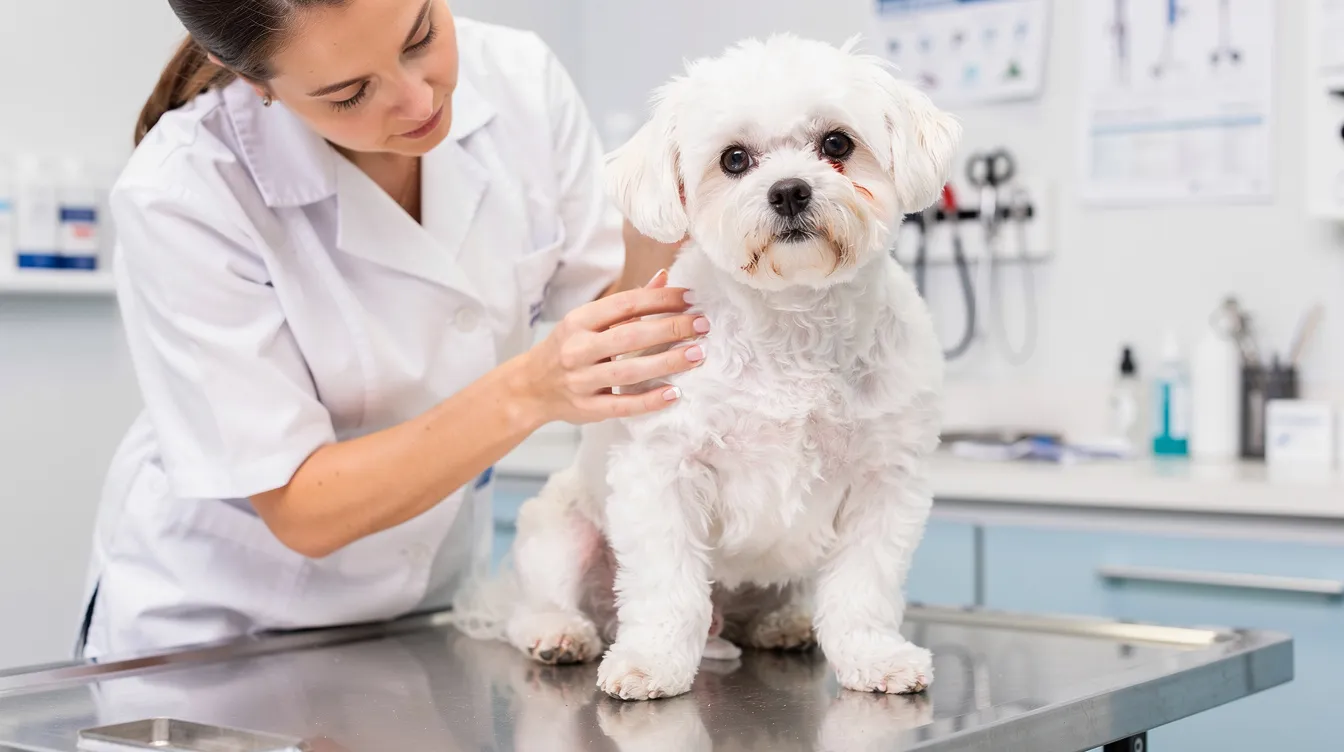
Dogs have two anal glands located just inside the rectum that can become full, leading to discomfort and scooting behavior. These small sacs located at roughly the 4 and 8 o’clock positions produce a pungent fluid for scent marking.
When anal glands become impacted or infected, dogs may exhibit signs such as scooting, swelling, redness, or a foul odor. The progression moves from mild impaction to infection (sacculitis) to abscess—each stage more painful.
Small breed dogs, such as Chihuahuas and Poodles, are more prone to anal gland issues due to their narrower anal gland ducts, which increases the risk of impaction. Dietary factors, such as chronic soft stools, can prevent the anal glands from expressing naturally, leading to issues that cause scooting. Obesity and low activity compound these risks.
Consider this scenario: a 5-year-old Shih Tzu suddenly starts scooting their butt and emitting a fishy smell. A routine exam reveals overfilled dog’s anal glands, resolved with manual expression—but monitoring is essential since recurrence climbs with each untreated episode.
Learn more about anal sac disease from VCA Animal Hospitals’ comprehensive guide.
Parasites (Especially Tapeworms)
Intestinal parasites, such as tapeworms, can cause irritation around the anus, leading to scooting behavior in dogs. Tapeworm segments can often be seen exiting through the rectum, which can prompt dogs to scoot in an attempt to relieve irritation. These segments resemble dried rice grains.
Dogs acquire tapeworms by swallowing infected fleas, making year-round flea control essential. Other parasites like hookworms and roundworms contribute through diarrhea-related irritation.
If you suspect parasites, bring a fresh fecal sample to your vet—basic tests sometimes miss tapeworms. The Companion Animal Parasite Council (CAPC) offers current prevention guidance.
Allergies and Skin Irritation Around the Rear End
Food or environmental allergies can lead to skin irritation, causing dogs to scoot as a response to itchiness. Both food and environmental allergens can lead to itchy, inflamed skin around the anal area in dogs.
Dogs with allergies often show additional symptoms such as ear infections, paw licking, or a rash, which can indicate that allergies are the root cause of their discomfort. Some dogs show perianal symptoms before anything else.
Modern veterinary medicine offers treatments including prescription diets, oclacitinib, and lokivetmab for managing allergies effectively. Visit Cornell University’s veterinary resources for more on canine allergies.
Fecal Debris, Matted Fur, and Grooming Issues
Hygiene issues, like matted fur or leftover feces, can also lead to irritation and discomfort, causing scooting. Long-haired dog breeds like Poodles and Maltese commonly trap dried feces in their sanitary trim area.
Dogs may scoot due to dry or impacted feces, which can cause discomfort and the urge to relieve the irritation by scooting. Regular grooming and maintaining good hygiene prevents this—schedule sanitary trims every 4-6 weeks.
More Serious Rectal and Perianal Conditions
Less common but serious causes include anal gland abscess rupture, perianal fistulas (especially in German Shepherds), rectal prolapse, and anal sac tumors. For dogs diagnosed with perianal fistula, treatment often includes the use of immunosuppressive drugs or steroids as recommended by a veterinarian.
Red flags requiring urgent veterinary attention:
- Visible lumps or masses
- Bloody or purulent discharge
- Protruding tubular structure (prolapse)
- Straining with minimal stool produced
The Merck Veterinary Manual provides detailed information on these conditions.
Other Signs That Go Along With Dog Scooting Butt
Scooting rarely occurs alone. Watching for other symptoms helps identify underlying health issues faster.
Behavioral and Physical Changes
Behavioral signs:
- Reluctance to sit or frequent position changes
- Excessive licking of the tail base or anus
- Whimpering during bowel movements
- Guarding the rear end when touched
Physical signs:
- Redness or inflamed skin around the anus
- Swelling on one side (grape-sized bulge)
- Hair loss or scabs
- Foreign objects like grass awns in fur
Signs that indicate a more serious issue requiring veterinary care include persistent scooting, visible swelling, discharge, and pain. If scooting behaviors are accompanied by pain, bleeding, or a foul odor, prompt veterinary care is essential to prevent complications.
What to Do If Your Dog Is Scooting Their Butt
Don’t panic—but don’t ignore repeated scooting either. If your dog is scooting, the safest approach is to schedule a veterinary visit to determine the cause and recommend the best course of treatment.
What You Can Safely Check at Home
Perform a gentle visual inspection with good lighting. Look for stuck feces, mats, or visible tapeworm segments. Clean gently with lukewarm water if needed.
Never attempt:
- Internal anal gland expression
- Inserting anything into the rectum
- Applying human creams without vet approval
Take photos of any swelling to share with your veterinary team. For more guidance, check out our why is my dog scooting their butt explainer.
When to Call the Veterinarian Immediately
Contact your vet right away if scooting persists over 24-48 hours, there’s significant swelling, open wounds, or signs of severe pain. Puppies with scooting plus diarrhea need prompt evaluation for parasites and dehydration.
Our when to see a vet for scooting guide helps you decide on timing.
Treatment Options for Dog Scooting Butt
Treatment targets the root cause. Most dogs experience significant relief within 24-72 hours of appropriate veterinary care.
Veterinary Treatment for Anal Gland Disease
Treatment for impacted anal glands may include manual expression by a veterinary technician, which is often an outpatient procedure. Infected glands require antibiotics and pain relief. Severely recurrent cases may need surgical removal (sacculectomy).
Deworming and Parasite Control
Veterinarians select dewormers like praziquantel based on exam findings. Regular deworming and parasite prevention measures are essential to reduce the risk of intestinal parasite infestations in dogs.
Managing Allergies
Identifying and managing allergies in dogs can be challenging, but a veterinarian can help pinpoint the triggers and recommend dietary changes, medications, or other treatments to provide relief. If allergies are suspected to be causing scooting, a veterinarian can recommend dietary changes, medications, or allergy injections to manage the condition.
Safe Home Care and Supportive Remedies
Home care supports—but never replaces—professional diagnosis.
Diet, Fiber, and Weight Management
Increasing your dog’s fiber intake through supplements or dietary changes can help prevent constipation and promote regular bowel movements, which may reduce scooting behavior. Options include prescription diets or adding plain canned pumpkin to your dog’s diet.
Maintaining a healthy weight reduces pressure on anal glands. Sudden dietary changes can worsen things, so transition gradually.
Gentle Cleaning and Grooming
Use lukewarm water and unscented pet wipes. Schedule regular grooming for long-haired breeds. Avoid harsh soaps that strip protective oils.
Use our home monitoring checklist for dogs with recurring scooting to track patterns.
What Not to Try at Home
Never give human pain medications like ibuprofen—they’re toxic to dogs. Skip internet “hacks” involving enemas or hemorrhoid creams without vet guidance.
Preventing Future Episodes of Dog Scooting Butt
Once a dog experiences anal gland impaction, recurrence is common without preventive care.
Prevention checklist:
- Regular check ups (annual for adults, biannual for seniors)
- Year-round parasite preventatives per AVMA guidelines
- Balanced diet supporting regular bowel movements
- Regular grooming including sanitary trims
- Maintaining a healthy weight through exercise
Track any new foods or treats that correlate with soft stool or scooting episodes. Consistent exercise promotes firm stools and supports your dog’s health overall.
Conclusion: Don’t Ignore Dog Scooting Butt
Dog scooting butt signals discomfort that deserves attention. Whether caused by anal gland problems, parasites, or allergies, early veterinary attention leads to quick relief and prevents complications like abscesses or missed tumors.
Watch for repeated scooting, foul odor, swelling, or behavioral issues—then act. Use the veterinary resources and guides linked throughout as companions to professional care, not substitutes.
Seeing your dog uncomfortable is stressful. But take heart: most cases are manageable with prompt, appropriate treatment. Your dog’s comfort—and well being—depend on you noticing and responding. Schedule that appointment, and you’ll both feel better soon.