

Your vet hands you a lab report filled with numbers, abbreviations, and medical terminology. Dog urine test results sit in front of you—pH levels, specific gravity, protein markers—and suddenly you’re Googling frantically trying to figure out if “trace protein” means your dog’s kidneys are failing.
Thousands of dog owners receive urinalysis results each week without fully understanding what those findings reveal. Some indicators point to minor issues. Others flag serious conditions demanding immediate attention.
CompanAIn transforms how pet owners and veterinarians interpret diagnostic data. By organizing lab results and health records into a clear timeline, the platform’s AI agents analyze patterns that might slip past a quick glance—identifying subtle shifts in kidney function, catching infections early, or spotting diabetes indicators when treatment works best.
What Veterinarians Look for in Dog Urine Tests
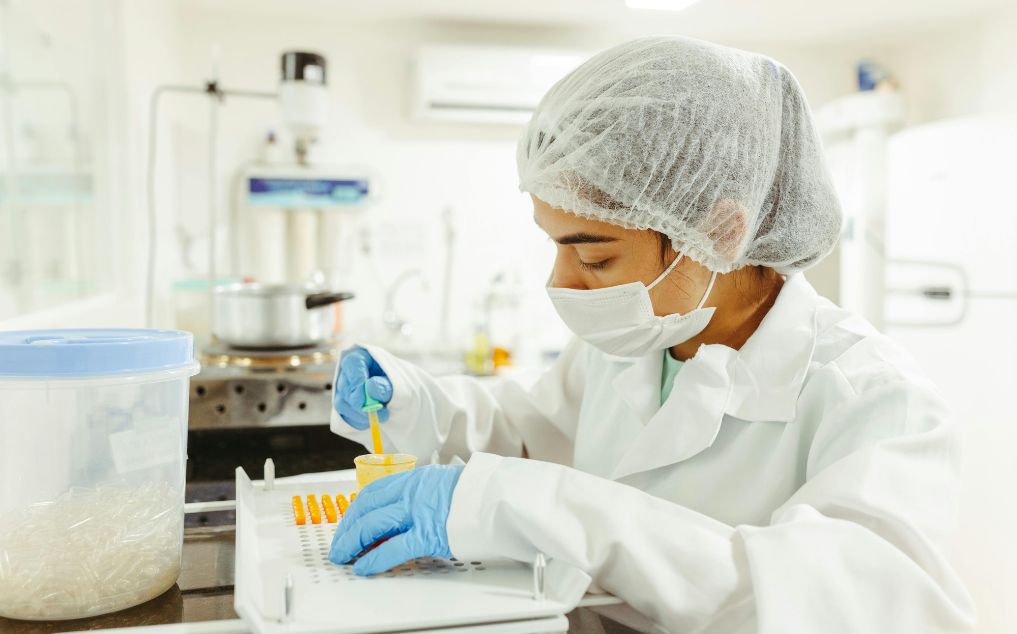
A urinalysis gives your vet a window into systems you can’t see from the outside. Kidneys filtering waste properly? Bladder free from infection? Blood sugar under control? A single urine sample answers these questions.
Veterinarians typically order this test for annual wellness exams in older dogs (seven years and up), when dogs show excessive thirst or accidents indoors, or for pre-surgical screening.
The test examines physical properties—color, clarity, concentration—alongside chemical markers and microscopic elements. CompanAIn’s multi-agent system processes these data points simultaneously, cross-referencing findings against your dog’s medical history and flagging deviations worth investigating.
Reading Normal Urinalysis Results
Healthy dog urine appears pale yellow to amber, clear rather than cloudy, and falls within specific measurable ranges.
Color and clarity offer immediate clues. Pale yellow suggests adequate hydration. Darker amber might indicate mild dehydration. Cloudiness signals potential problems: bacteria, crystals, or excess protein.
pH levels measure acidity on a scale from 0 to 14. Dogs normally range between 6.0 and 7.5, though some healthy dogs fall slightly outside this depending on diet. Consistently high pH (above 7.5) creates environments where certain crystals form easily. Very low pH (below 6.0) may relate to diet or metabolic conditions.
Specific gravity measures urine concentration—how well kidneys concentrate waste. Normal readings typically fall between 1.015 and 1.045 for well-hydrated dogs. Numbers below 1.015 suggest kidneys aren’t concentrating efficiently, possibly indicating early dysfunction. Readings above 1.045 typically mean dehydration. Monitoring both urine and stool can provide a more complete picture of your dog’s digestive and metabolic health. Learn more in our guide to dog poop analysis.
Protein in small amounts is normal—”negative” or “trace” means everything’s fine. Glucose shouldn’t appear in healthy dog urine. Finding sugar almost always points toward diabetes.
CompanAIn organizes these measurements into an accessible format, tracking how numbers change over time. A single elevated reading might be meaningless. That same reading repeated across three tests over two months? Now you’ve got a pattern worth addressing.
Decoding Abnormal Findings
Protein in urine (proteinuria) ranks among the most significant abnormal findings. Damaged kidney filters let protein leak through. According to veterinary research on chronic kidney disease, proteinuria can signal kidney disease up to two years before other symptoms appear.
Not every case means kidney failure—infections or sample contamination can cause false positives. Persistent protein across multiple tests demands thorough kidney evaluation.
Blood (hematuria) turns urine pink, red, or brown. Urinary tract infections irritate bladder walls, causing bleeding. Bladder stones, trauma, tumors, or clotting disorders are other causes. Visible blood requires same-day vet contact.
Bacteria and white blood cells together strongly suggest urinary tract infection. Catching UTIs early through urinalysis allows prompt treatment before infections spread to kidneys.
Glucose appearing in urine almost universally indicates diabetes mellitus. When blood sugar climbs too high, excess spills into urine. This prompts immediate blood glucose testing to confirm diabetes.
Crystals are mineral formations that can clump into stones. Struvite crystals develop in alkaline urine. Calcium oxalate crystals prefer acidic environments. Finding crystals doesn’t mean stones exist yet—diet changes often dissolve them before they become problematic.
CompanAIn’s health analysis agent excels at connecting dots. Slightly elevated pH, trace protein, and a few crystals individually might not trigger concern. Together, they suggest bladder stone risk warranting dietary intervention now.
How AI Improves Diagnostic Accuracy
Artificial intelligence gives veterinarians better tools to catch problems earlier and diagnose more accurately.
Traditional interpretation relies on veterinarians comparing current results against reference ranges and experience. This works for obvious abnormalities but misses subtle patterns developing over months.
CompanAIn’s platform reviews current findings plus previous lab work, veterinary notes mentioning urinary symptoms, and breed-specific risk factors. The clinical triage agent flags connections a busy vet might miss during a brief appointment.
AI-assisted interpretation happens the moment results enter the system. Preliminary analysis is ready before your vet opens the file, with concerns already highlighted.
Consistency matters too. Veterinarians have off days—fatigue and distractions affect accuracy. AI doesn’t get tired. Every analysis follows the same methodology.
The CompanAIn approach keeps veterinarians as final decision-makers. AI handles organizing data and spotting patterns while vets apply clinical judgment and make treatment calls.
When Results Demand Immediate Veterinary Attention

Call your vet immediately if results show:
Visible blood combined with straining or frequent urination attempts. This suggests severe bladder inflammation, stones causing obstruction, or possible tumor. Male dogs face particular risk of life-threatening urinary blockage.
Glucose in urine alongside excessive thirst and increased urination. These symptoms together strongly indicate diabetes requiring diagnosis within days.
Extremely dilute urine (specific gravity below 1.008) paired with excessive drinking. This pattern might signal kidney failure or other serious conditions.
High protein levels persisting across multiple tests. Persistent proteinuria demands thorough kidney function testing.
Schedule a regular appointment (within a week) for:
Mild protein elevation on a single test, small crystal amounts without symptoms, slightly elevated pH without other abnormalities, or microscopic blood detected only under microscope.
CompanAIn’s alert system helps distinguish between “watch this” and “address this now” by analyzing result severity in context with symptoms and history.
Next Steps After Receiving Your Dog's Results
For normal results: Continue regular checkups and maintain healthy habits. CompanAIn tracks baseline readings so future tests compare against your dog’s personal normal.
For urinary tract infections: Follow the full antibiotic course even if symptoms improve quickly. Recheck urinalysis after treatment confirms clearance. Cornell Veterinary Medicine notes proper treatment typically resolves simple UTIs quickly.
For kidney disease indicators: Early-stage kidney disease requires specialized diet, phosphorus restriction, and medications. Caught early, many dogs live comfortably for years with proper management.
For diabetes diagnosis: Expect daily insulin injections, blood glucose monitoring, and dietary changes. The AVMA provides comprehensive resources emphasizing diabetic dogs can live long, comfortable lives with proper care.
For crystal detection: Diet modification dissolves many crystal types. Increased water consumption helps regardless—more dilute urine means less crystal formation.
Follow-up timelines vary: UTIs get rechecked two weeks post-treatment, kidney disease monthly initially then quarterly, diabetes frequently until regulated then every few months, crystals in 4-6 weeks.
CompanAIn’s long-term health analysis agent maintains a comprehensive timeline showing how results trend over time. By tracking lab results alongside symptoms and medications, the platform helps identify subtle changes before they become significant problems.
Your Partner in Understanding Pet Health Data
Dog urine test results tell stories about internal health you can’t observe. Understanding lab values empowers better conversations with your veterinarian and helps recognize when results demand urgency versus monitoring.
CompanAIn bridges the gap between raw lab data and actionable understanding. By organizing test results and health records into an intelligent timeline, the platform’s AI agents identify patterns and provide context that helps both owners and veterinarians make better decisions faster.
When your dog’s next urinalysis comes back, you’ll know how to read it, what questions to ask, and when to take action.
Frequently Asked Questions
What does cloudy dog urine mean?
Cloudiness usually indicates bacteria from infection, mineral crystals, or excessive protein. While a single cloudy sample might result from handling, persistent cloudiness combined with symptoms like frequent urination warrants veterinary evaluation. CompanAIn tracks whether cloudiness is one-time or developing pattern.
Is protein in dog urine always bad?
Not necessarily. Trace amounts can appear during stress, fever, or intense exercise—temporary situations that don’t indicate disease. Concern arises with persistent protein elevation across multiple tests, suggesting kidney filters aren’t holding protein properly. A single “trace protein” reading often triggers a recheck in 2-4 weeks.
Can I test my dog's urine at home?
Basic visual checks—noticing color changes or cloudiness—help catch obvious problems. Home test strips exist measuring pH, protein, and glucose. However, these lack professional lab precision. Microscopic examination revealing bacteria, blood cells, or crystals requires laboratory equipment. Think of home tests as early warning systems, not diagnostic replacements.
How often should my dog have urinalysis?
Healthy adult dogs (under seven years) typically need urinalysis only when symptoms warrant or for pre-surgical screening. Senior dogs benefit from annual urinalysis as preventive screening since kidney function naturally declines. Dogs with existing kidney disease, diabetes, or UTI history require more frequent testing—monthly to quarterly depending on severity.
How does AI improve urinalysis interpretation?
AI algorithms analyze your dog’s results against personal baseline, breed-specific risk factors, and patterns across previous tests simultaneously. CompanAIn’s specialized agents identify subtle trends—like specific gravity slowly declining over six months or protein gradually increasing—that might escape notice during individual appointment reviews, enabling earlier intervention.
How long until I get urine test results?
Traditional laboratory processing typically delivers results within 24-48 hours. In-house vet clinic analyzers provide faster turnaround—often same-day or within hours. AI-assisted interpretation doesn’t speed physical sample processing but dramatically reduces time between “results arrive” and “veterinarian reviews findings,” since preliminary analysis happens automatically when data enters the system.