
General-purpose artificial intelligence systems excel at answering questions across countless topics, but domain-specific AI for pets operates under fundamentally different requirements. A language model trained on Wikipedia and internet forums might explain canine anatomy accurately, yet completely miss breed-specific disease patterns that determine whether elevated liver enzymes signal a medical emergency or a benign Labrador variant. The difference between broad knowledge and specialized veterinary intelligence determines whether AI helps or harms your pet.
The gap between broad AI knowledge and specialized veterinary intelligence has real consequences for animal health. CompanAIn was built specifically to close it, designed around veterinary care from the ground up rather than adapted from human medical models or generic chatbot capabilities, purpose-built for the species-specific nuances that determine whether an AI recommendation is genuinely useful or dangerously oversimplified.
Why Veterinary Medicine Demands Specialized AI
Unlike many fields where general knowledge suffices, veterinary medicine presents unique challenges that defeat broad-training approaches.
The Multi-Species Complexity Challenge
Research published in the American Journal of Veterinary Research identifies species diversity as a distinct challenge limiting AI applicability across different animal types. Systems must understand not just dogs versus cats, but how Greyhounds differ from Bulldogs, how exotic birds require completely different diagnostic approaches than parrots, and how equine medicine follows protocols unrelated to small animal care.
Physiological differences create fundamental knowledge requirements:
- Drug metabolism varies dramatically between species—medications safe for dogs prove toxic to cats
- Normal vital sign ranges differ substantially—resting heart rates span from 60 bpm in horses to 240 bpm in hamsters
- Disease presentations manifest uniquely—hypothyroidism appears common in dogs but rare in cats
- Breed-specific predispositions require granular data general models cannot access
A comprehensive analysis in PMC notes that AI algorithms in human healthcare benefit from systematically collected databases following standardized terminology. Veterinary medicine lacks equivalent infrastructure, with records consisting primarily of free-text notes across inconsistent formats.
The Training Data Deficit
General AI trains on whatever internet content provides the most data, often prioritizing human medicine, where databases dwarf veterinary resources. Research examining veterinary AI limitations documents that veterinary datasets remain limited in size and diversity compared to human medicine, making models trained on general content fundamentally untrustworthy for animal applications.
Domain-specific AI for pets requires exclusive training on veterinary literature, clinical records, diagnostic imaging, lab results, and treatment outcomes. This focused approach enables pattern recognition aligned with actual veterinary practice rather than interpolations from human medicine or internet speculation.
Species-Specific Pattern Recognition
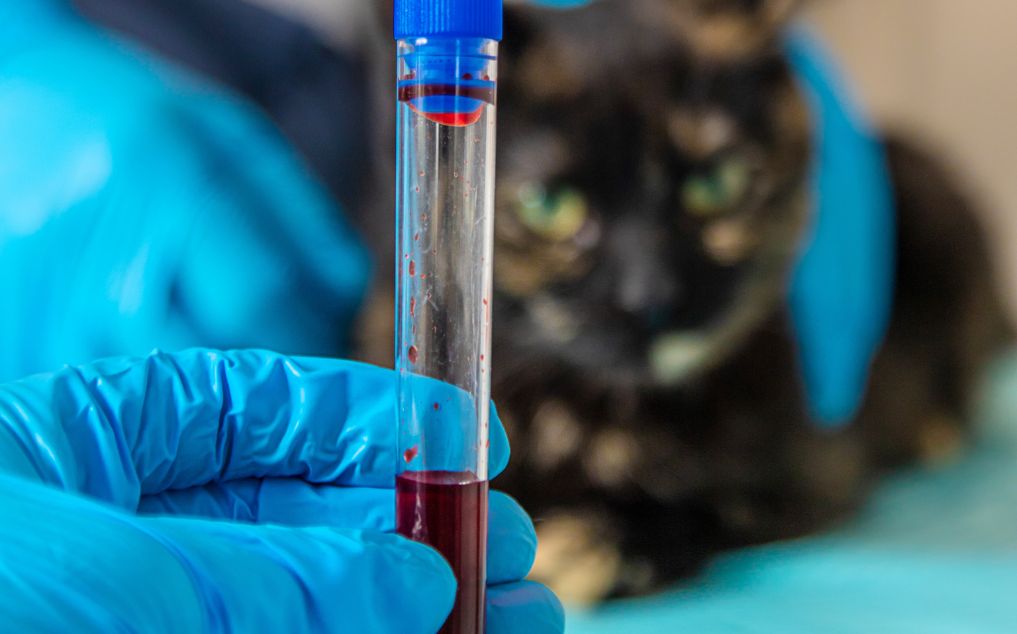
When evaluating bloodwork showing elevated kidney values, veterinary-specific AI doesn’t just flag abnormal numbers. It understands how chronic kidney disease progresses differently in cats versus dogs and correlates findings with breed, age, diet, and medication history.
General AI might identify elevated values but cannot apply the clinical reasoning that determines whether immediate action is required or if monitoring suffices. This is where CompanAIn adds genuine value. By organizing your pet’s records into a Living Health Timeline, patterns across multiple data points become visible to your veterinarian in ways that a single flagged result never could. The context behind the number matters as much as the number itself.
The Accuracy Problem with General-Purpose Systems
Pet owners and veterinarians increasingly encounter AI-generated advice that sounds authoritative but lacks a veterinary foundation.
Diagnostic Reasoning Requires Veterinary Training
A Frontiers in Veterinary Science study examining general language model performance on veterinary cases found concerning limitations. While systems generated plausible differential diagnoses, they lacked clinical reasoning incorporating physical examination findings, breed predispositions, and historical details distinguishing similar presentations.
The study tested episodic neurological conditions where board-certified specialists reliably reach diagnoses. General AI struggled with cases requiring integration of multiple data points—exactly the scenario domain-specific systems handle through veterinary-trained pattern recognition.
The Hallucination Risk in Medical Contexts
General language models sometimes generate confident but incorrect information. AI researchers call these “hallucinations.” Veterinary students surveyed in Australia found general AI output relevant for educational use but perceived it as inaccurate. The authoritative tone when delivering incorrect information creates particular danger in medical contexts.
Common failure patterns include:
- Recommending human medications without understanding species-specific toxicity
- Suggesting treatments appropriate for one species but contraindicated in another
- Providing generic advice that ignores breed-specific disease risks
- Missing time-sensitive conditions requiring immediate veterinary intervention
- Fabricating treatment protocols that sound medically sophisticated but lack evidence
Research in PMC examining ChatGPT veterinary applications documents cases where general AI identified correct diagnoses in simple scenarios but failed dramatically with complex presentations requiring specialized knowledge.
What Domain-Specific AI Architecture Provides
Building AI that genuinely serves veterinary medicine requires a fundamentally different design than adapting general-purpose systems.
Exclusive Veterinary Training Data
CompanAIn’s platform trains exclusively on veterinary medical records, peer-reviewed research, clinical protocols, diagnostic imaging studies, and verified case outcomes. This focused training enables pattern recognition specific to animal health that general models cannot replicate through broad internet exposure.
The training distinction determines whether AI recognizes that limping in a young Labrador suggests different diagnostic pathways than identical symptoms in a geriatric Chihuahua. Domain-specific systems understand these nuances because they learned from millions of actual veterinary cases, not human medical data adapted for animals.
How CompanAIn Approaches Veterinary AI
Rather than adapting a general-purpose model for animal health, CompanAIn was built around veterinary care from the ground up. The platform organizes uploaded records into a single, continuing health picture your veterinarian can actually use, with each new document adding context rather than existing in isolation.
Veterinary documentation is inconsistent by nature. Records arrive as PDFs, handwritten notes, email summaries, and lab printouts across formats that general AI tools aren’t built to handle meaningfully. Smart upload accepts and parses these documents into a structured health record rather than treating each file as a standalone entry.
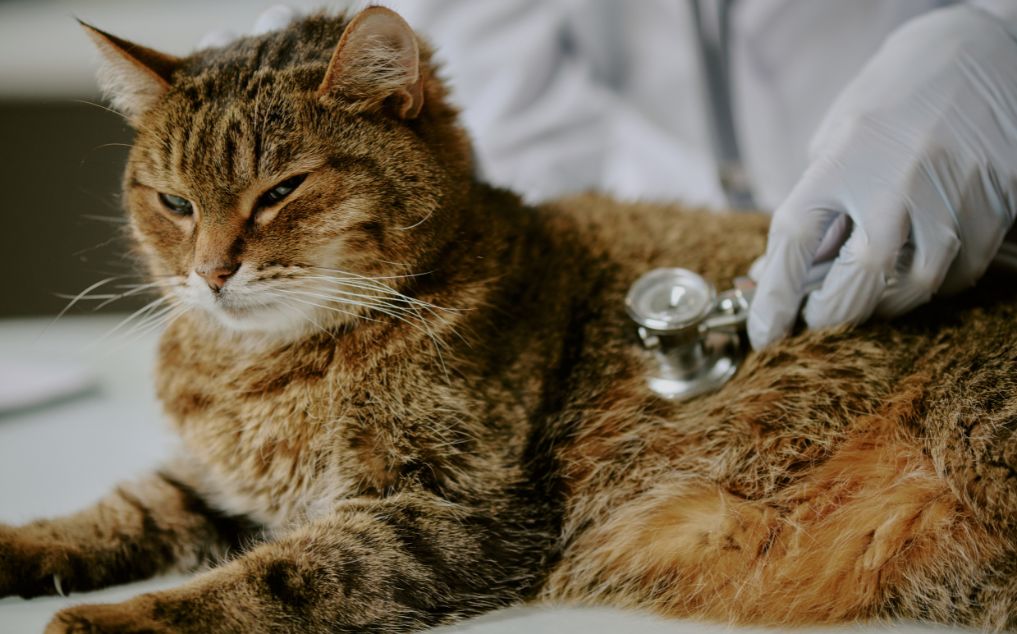
The context behind a finding matters as much as the finding itself. When evaluating progressive weight loss in a cat, a platform built around that animal’s full record considers what lab results showed three months ago, what medications are currently on board, and how the current pattern compares to the documented baseline. That’s the difference between a response informed by one data point and one informed by a complete health history, which is exactly what veterinary clinical reasoning requires.
Continuous Integration of Veterinary Research
Veterinary medicine evolves constantly. New treatments, emerging diseases, and updated protocols require AI systems that incorporate current evidence rather than remaining frozen in original training periods.
CompanAIn’s system is designed to support care that reflects current veterinary standards rather than remaining static as knowledge evolves. When novel infectious diseases emerge or treatment protocols change based on new evidence, domain-specific platforms adapt, while general AI perpetuates outdated information indefinitely.
Regulatory and Ethical Requirements for Veterinary AI
Unlike human medicine, most jurisdictions lack premarket screening for veterinary AI tools. This regulatory gap makes domain-specific development with veterinary oversight critical.
Transparency in Training and Validation
Research in PMC examining AI regulation emphasizes that veterinarians must understand dataset characteristics to evaluate AI accuracy, clinical applicability, and limitations. General-purpose systems trained on non-veterinary data prevent these essential assessments.
Domain-specific AI for pets enables transparency about training sources, validation methods, and known limitations. Veterinarians can evaluate whether training populations match their patient demographics and determine when system recommendations apply to specific clinical scenarios.
Preventing Automation Bias
Veterinarians using AI face automation bias risks—overtrusting outputs despite limitations. General systems’ confident tone when providing veterinary advice amplifies this danger, as practitioners may not recognize when recommendations lack the appropriate evidence.
Cornell University’s veterinary AI program emphasizes AI should assist rather than replace clinical expertise. Domain-specific systems designed with veterinary oversight incorporate appropriate uncertainty quantification, flagging when cases fall outside training parameters rather than generating confident but unreliable outputs.
Practical Applications of Domain-Specific Veterinary AI
The distinction between general and specialized systems manifests clearly in real-world applications.
Longitudinal Health Pattern Recognition
CompanAIn’s Living Memory technology maintains context across years of health data, identifying gradual changes that help predict developing problems. When thyroid values drift from 2.5 to 2.8 to 3.2 over three annual exams, domain-specific AI recognizes this upward trend as significant even though each individual value remains within normal range.
General AI evaluating isolated lab results might flag only overtly abnormal values, missing the progressive pattern signaling early disease. Domain-specific systems trained on longitudinal veterinary cases understand that trend direction often matters more than single measurements.
Species-Specific Diagnostic Support
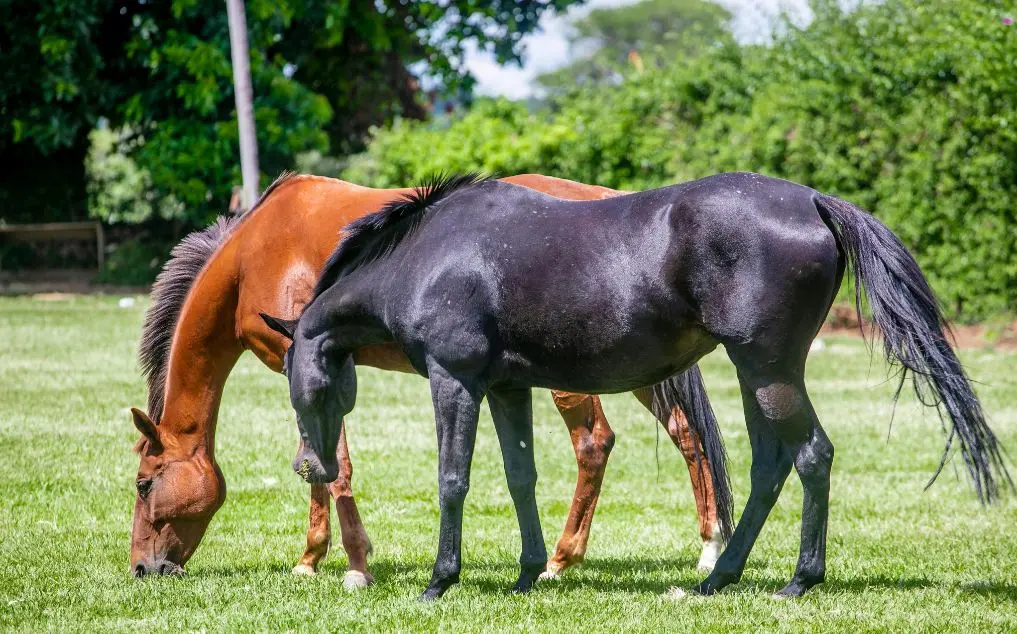
When a horse presents with mild colic symptoms, domain-specific AI doesn’t just match keywords; it analyzes the specific pattern of vital signs, physical examination findings, and historical data to differentiate surgical from medical colic. This distinction carries life-or-death consequences that general systems cannot navigate without veterinary-specific training.
Similarly, distinguishing between cardiac and respiratory causes of coughing in dogs requires understanding breed predispositions (Cavalier King Charles Spaniels face high cardiac disease risk), age factors, and associated clinical signs. Domain-specific AI processes these variables through veterinary clinical reasoning rather than generic pattern matching.
What Pet Owners Should Know
The accessibility of general AI tools creates temptation to seek quick veterinary guidance through broad systems never designed for medical applications.
Understanding Appropriate AI Use
Studies examining pet owner AI usage identify risks including misdiagnosis, inappropriate treatment, and delayed veterinary intervention when owners rely on general-purpose systems for medical advice. While broad AI provides useful information for non-medical questions such as training resources, general breed characteristics, and product recommendations, it cannot replace veterinary assessment.
Pets show subtle illness signs requiring species expertise to interpret. A cat hiding might indicate stress, pain, serious illness, or normal behavior depending on the context, which requires veterinary training to evaluate properly.
How Domain-Specific AI Enhances Veterinary Care
Unlike general systems attempting independent diagnosis, domain-specific AI for pets works with veterinary oversight. The technology organizes complete health histories, identifies concerning trends in lab results, generates informed questions for veterinary visits, and supports professional assessment rather than replacing it.
This collaborative approach catches problems between appointments while maintaining appropriate professional oversight for diagnostic and treatment decisions.
The Future of Veterinary Artificial Intelligence
As AI adoption accelerates across veterinary medicine, distinguishing between general-purpose and domain-specific systems will determine whether technology enhances or compromises animal health.
General language models will continue improving at broad tasks: drafting communications, summarizing research, generating educational content. But diagnostic reasoning, treatment recommendations, and clinical decision support require specialized knowledge that only domain-trained systems provide.
The path forward requires collaboration between AI developers, veterinary professionals, and regulatory bodies. Systems deployed in animal health need appropriate validation, current evidence bases, and frameworks that keep patient welfare at the center.
Whether you’re a pet owner seeking better health insights or a veterinarian evaluating AI tools, understanding the fundamental difference between generic and domain-specific intelligence protects the animals depending on these decisions.
Frequently Asked Questions
What makes domain-specific AI for pets different from general AI systems?
Domain-specific AI trains exclusively on veterinary medical data, understands species-specific physiology and disease patterns, incorporates breed predispositions and regional disease prevalence, and updates continuously with current veterinary research. General AI trains on broad internet content lacking veterinary expertise, making it unreliable for medical applications despite confident-sounding outputs.
Can general AI systems be adapted for veterinary use?
Adapting general AI for veterinary applications faces fundamental limitations because the training data lacks species-specific patterns, breed predispositions, and veterinary clinical reasoning. Research shows insufficient and unrepresentative training data leads to false classifications. Domain-specific systems require exclusive veterinary training from the foundation rather than adaptation attempts.
How does CompanAIn's platform qualify as domain-specific AI?
CompanAIn employs specialized agents trained on millions of veterinary cases, processes health data using veterinary-specific terminology and clinical reasoning, integrates continuously with current veterinary research, and works in collaboration with veterinarians rather than attempting independent diagnosis. The system focuses exclusively on animal health rather than adapting human medical models.
Should veterinarians be concerned about AI replacing their expertise?
Domain-specific AI for pets is designed to enhance veterinary expertise rather than replace it. Research shows optimal outcomes occur when AI assists clinical decision-making while veterinarians maintain oversight. The technology excels at pattern recognition across large datasets but cannot replace physical examination, client communication, or the clinical judgment integrating multiple factors into treatment decisions.
Why doesn't veterinary AI have regulatory requirements?
Most jurisdictions lack premarket screening for veterinary AI tools, creating a regulatory gap that increases the importance of choosing domain-specific platforms with veterinary oversight. This absence of requirements makes careful system selection critical—domain-specific AI designed with veterinary input provides transparency about training data, validation methods, and limitations that general systems cannot offer.