

Seeing epileptic seizures in dogs is frightening, especially the first time. The good news: many dogs with epilepsy can live normal lives with the right veterinary medicine, monitoring, and home plan.

Quick answers for worried dog owners
A seizure occurs when sudden abnormal activity in brain cells disrupts the nervous system, causing involuntary movement, behavior changes, or altered awareness.
During seizure activity:
- Stay calm and time it with your phone.
- Move hazards away; do not put hands in the mouth.
- Call a vet urgently if it lasts over 5 minutes or if there are multiple seizures.
Seek same-day care for a first seizure, toxin exposure, trauma, or seizures before 6 months or after 6 years. Go now for status epilepticus, cluster seizures, violent seizures, or other severe seizures. Seizures are a symptom, not a disease; epilepsy means recurrent seizures that are unprovoked. Below, we cover signs, causes, diagnosis, treatment, home care, and resources.
What is epilepsy in dogs?
Epilepsy in dogs is a neurological disorder marked by recurrent, unprovoked epileptic seizures in dogs that seem otherwise normal between episodes. A single event is not epilepsy; veterinary guidelines usually require two or more unprovoked seizures at least 24 hours apart.
Epileptic seizures arise from excessive electrical activity in the cerebral cortex. Epilepsy affects about 0.6–0.75% of dogs, with higher rates in some purebred dogs. The main categories are idiopathic epilepsy, structural epilepsy, and reactive seizures from metabolic diseases, toxins, or metabolic disorders.
Recognizing seizures: signs and stages
Not all seizures are dramatic. Seizures in dogs can be classified into two main types: generalized seizures, which involve the entire brain and body, and focal seizures, which affect a specific area of the brain.
A generalized seizure, or grand mal, may cause collapse, stiff limbs, paddling, chomping, drooling, urination, defecation, and loss of consciousness. Generalized seizures typically result in loss of consciousness and convulsions. Focal seizure signs may include twitching in one limb, one-sided facial movement, repetitive blinking, fly-biting, or sudden behavior changes without collapse. Focal seizures may cause abnormal movements in just one part of the body without loss of consciousness and can be mistaken for other conditions.
Most seizures last 30–90 seconds, often when the dog is relaxed, but seizures can last from a few seconds to several minutes. Anything over 5 minutes is a medical emergency. Video recordings help your primary veterinarian assess clinical signs seizures that cannot be seen in clinic.
Before a seizure: the aura (pre-ictal phase)
Before a seizure, many dogs may show early warning signs called the aura stage: pacing, anxiety, withdrawal, drooling, staring, hiding, clinging, whining, sudden fear, or agitation. These signs may appear minutes to hours before a dog’s seizures and can look like attention-seeking. If you spot a pattern, move your dog to a safe, padded, quiet area and start timing.
During a seizure: what owners typically see
During a seizure, dogs may exhibit stiffening of the neck and legs, shaking or convulsions, excessive drooling, chomping, foaming, vocalizing, and loss of bladder or bowel control. In loss of consciousness seizures, most dogs are unaware and not choosing their actions.
Do not pull the tongue out; dogs do not swallow their tongues. Move furniture away, cushion the head, dim lights, and keep pets and children back. It will feel longer than it is, so time it.
After a seizure: the post-ictal period
After a seizure ends, the post ictal phase can last minutes to hours. Dogs may be confused, disoriented, unsteady, temporarily blind, restless, panting, thirsty, hungry, or clingy. Keep the room dim and quiet. Offer small amounts of water; give food only when swallowing is normal or your vet advises it.
Log every pet’s seizures: date, time, duration, what happened before and after, possible triggers, and medication given.
When to call your veterinarian or emergency clinic
Call immediately for status epilepticus, meaning continuous seizure activity over about 5 minutes, or cluster seizures, meaning two or more seizures within 24 hours or repeated events without full recovery. These can be life threatening and may damage the central nervous system.
Rapid same-day care is needed for first seizures, young puppies, senior dogs, recent head trauma, or suspected toxins such as xylitol, rodenticide, recreational drugs, chocolate, caffeine, or human medications. Call ahead, transport on soft bedding in a ventilated car, and avoid tight collars.
Causes and types of epileptic seizures in dogs
Epileptic seizures in dogs can be caused by inherited idiopathic epilepsy, toxins, or structural brain issues such as tumors or trauma. Seizures in dogs can also be caused by structural abnormalities in the brain, such as tumors, congenital malformations, or traumatic injuries, as well as metabolic disorders like electrolyte imbalances and liver disease.
- Idiopathic: unknown cause, often genetic, normal exam between events.
- Structural: tumor, stroke, malformation, trauma, inflammation, infection affecting the brain, spinal cord, or wider central nervous system.
- Reactive: normal brain reacting to low blood sugar, liver disease, kidney disease, electrolyte changes, toxins, organ failure, or severe infections.
Correct categorization matters because treatment, prognosis, and diagnostic tests differ.
Idiopathic (primary) epilepsy
Idiopathic epilepsy, also called primary epilepsy, is the most common reason otherwise healthy dogs develop seizures between about 6 months and 6 years. The exact cause of idiopathic epilepsy in dogs is unknown, but it is believed to have a genetic component, particularly in certain breeds.
Dogs are usually normal between seizures, and routine bloodwork may be unremarkable. Diagnosing epilepsy in dogs is a diagnosis of exclusion, meaning veterinarians must rule out other possible causes before confirming epilepsy as likely. The phrase diagnosis idiopathic epilepsy often means the vet has excluded structural and metabolic causes.
Structural epilepsy
Structural epilepsy comes from physical brain disease: tumors, strokes, post-traumatic scarring, congenital malformations, or inflammatory/infectious disease. It is more likely in very young, older, or abnormal dogs between seizures, such as circling, vision loss, behavior change, or asymmetrical weakness.
Magnetic resonance imaging is preferred diagnostic imaging; cerebrospinal fluid analysis can check inflammation, infection, or bleeding. Treatment may combine anti-seizure drugs with surgery, radiation, or immune therapy.
Reactive seizures (non-epileptic seizure events)
Reactive seizures result from temporary systemic problems: severe low blood sugar, hepatic encephalopathy, electrolyte imbalance, uremia, xylitol, rodenticides, certain human drugs, organ failure, or infection. Blood tests, toxin screening, urine tests, and biochemical analysis are crucial. Long-term anticonvulsant medication may not be needed once the primary problem is corrected, though some dogs still require it.
Which dogs are at higher risk?
Epilepsy can affect mixed breed dogs, but genetics and age influence risk. Certain breeds, such as Beagles, Border Collies, and Boxers, are more prone to epilepsy due to hereditary factors, with at least 26 breeds identified as having a genetic predisposition.
At-risk dog breeds include Beagles, Belgian Tervurens, Border Collies, Australian Shepherds, German Shepherd Dogs, Labrador Retrievers, Golden Retrievers, Boxers, Poodles, Vizslas, and bernese mountain dogs. First signs often appear in the 6-month-to-6-year age range, commonly 1–5 years. Male dogs may be slightly predisposed in some lines, but not universally. Researchers continue studying specific genetic variants, and affected dogs generally should not be bred.
How veterinarians diagnose epilepsy and seizures
Diagnosis is stepwise: medical history, physical and neurological exam, baseline labs, then additional tests if indicated. Your vet will ask age at first seizure, frequency, cluster patterns, triggers, toxins, medications, inter-ictal changes, and whether there are frequent seizures or poor seizure control.
Veterinarians typically perform a physical exam, blood and urine tests, and imaging studies like X-rays or MRIs to rule out underlying conditions that could be causing seizures. A complete blood count, biochemical analysis, and urinalysis are commonly recommended tests to exclude other systemic diseases that could manifest as seizures in dogs. Core testing may include complete blood count, serum chemistry, urinalysis, bile acids, thyroid testing, chest radiographs, and abdominal imaging when needed.
If results are normal and the dog fits typical idiopathic epilepsy patterns, the vet may make a presumptive diagnosis. Referral to a veterinary neurologist is wise for abnormal exams, very young or old onset, suspected structural disease, or many seizures despite treatment.
Role of MRI, CT, and CSF analysis
MRI is the gold standard for visualizing tumors, strokes, malformations, and inflammation. CT can help when MRI is unavailable, especially for skull abnormalities or some masses. Cerebrospinal fluid testing is done under anesthesia and evaluates the central nervous system for inflammation, infection, or bleeding. EEG is rarely used but may assess electrical brain activity in specialty centers.
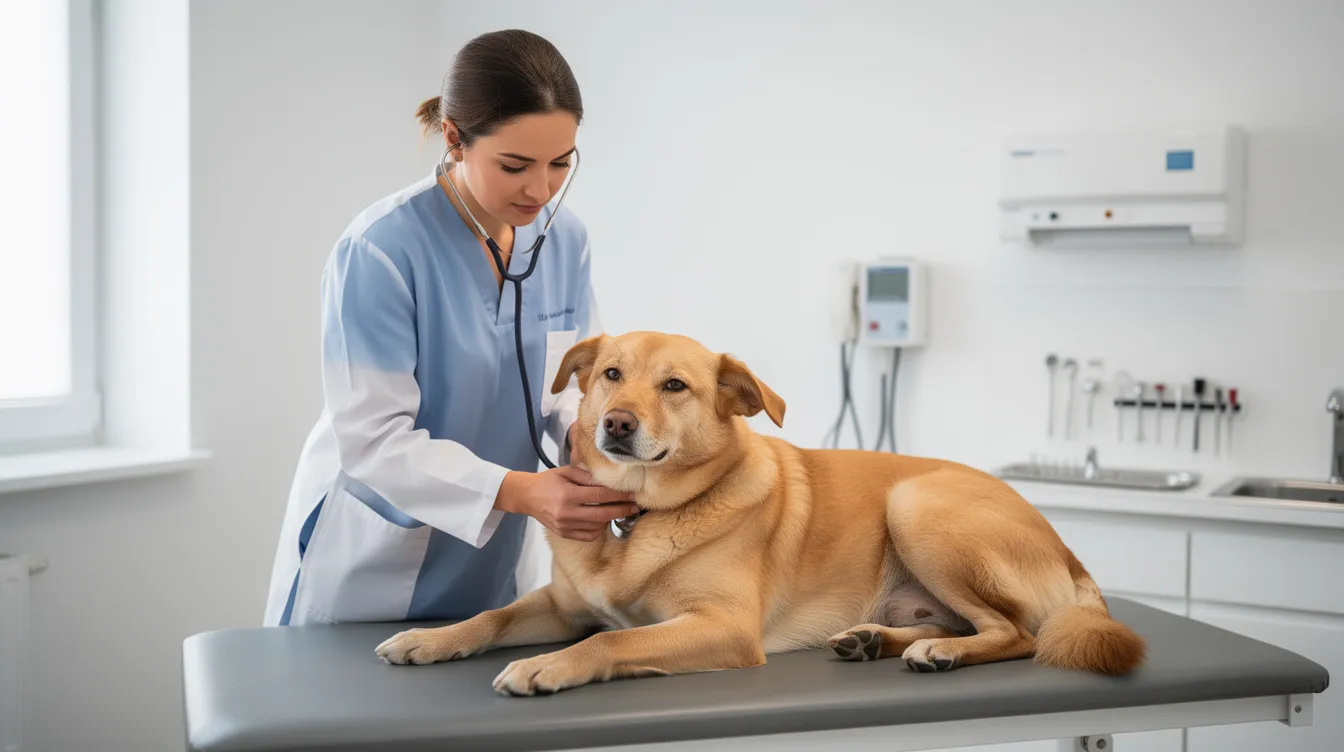
Treatment options for canine epilepsy
Anticonvulsant medications are the primary treatment for managing epilepsy in dogs, and treatment is typically lifelong once started. Drugs are often started for recurrent seizures, cluster episodes, prolonged events, or quality-of-life concerns. The goal is seizure control with minimal side effects, not always zero seizures.
Treatment plans are individualized. Home rescue medications such as rectal diazepam or intranasal midazolam may be prescribed, but they do not replace emergency care. Never stop medication abruptly.
Common anti-seizure medications in dogs
Common medications for canine epilepsy include phenobarbital, potassium bromide, levetiracetam (Keppra), and zonisamide, each with varying dosing regimens and potential side effects. Phenobarbital needs blood level and liver monitoring. Potassium bromide has slow onset and caution with kidney disease or certain diets. Phenobarbital and potassium bromide are traditional choices; levetiracetam and zonisamide may suit some dogs with fewer side effects.
These common medications help control seizures and manage seizures, but medication adjustments and follow-up bloodwork are normal. Monitoring for breakthrough seizures is crucial after starting medication, and keeping a log of seizure occurrences can help veterinarians adjust treatment effectively.
Emergency care for status epilepticus and cluster seizures
Status epilepticus and cluster seizures are emergencies. At the hospital, care may include IV access, diazepam or midazolam, loading doses of longer-acting drugs, oxygen, temperature control, and monitoring. Dogs with cluster seizures or status epilepticus are significantly less likely to achieve remission with any treatment, and their quality of life may be severely impacted.
Adjunctive approaches and lifestyle management
For refractory epilepsy, vets may discuss MCT or modified ketogenic diets, but research is ongoing. Reduce triggers such as missed doses, sleep deprivation, heat, intense stress, flashing lights, and hormonal cycles. Discuss CBD, supplements, or alternative therapies before use because interactions and toxicity are possible.
Living with a dog that has epilepsy
Living with epileptic dogs is emotional, so focus on quality of life and patterns, not just counts. Use a seizure diary, block stairs, pad sharp furniture, supervise water, and use non-slip flooring. Build an emergency plan with clinic numbers, transport help, last dose time, and recent seizure frequency. Many dogs still enjoy walks, play, and training.

Prognosis: what to expect long term
Approximately 60-70% of epileptic dogs achieve good seizure control when their therapy is carefully monitored, but lifelong medication is typically necessary once management is started. Only about 15% of dogs achieve complete seizure freedom with medication, while many will still experience some seizures even with treatment.
Guarded factors include very early onset, frequent cluster seizures, status history, structural disease, and poor response to multiple drugs. In rare, drug-resistant cases, humane euthanasia may be discussed to prevent suffering. Most dogs do best with accurate diagnosis, steady routines, and a strong veterinary partnership.
Seeing epileptic seizures in dogs is frightening, especially the first time. The good news: many dogs with epilepsy can live normal lives with the right veterinary medicine, monitoring, and home plan.

Quick answers for worried dog owners
A seizure occurs when sudden abnormal activity in brain cells disrupts the nervous system, causing involuntary movement, behavior changes, or altered awareness.
During seizure activity:
- Stay calm and time it with your phone.
- Move hazards away; do not put hands in the mouth.
- Call a vet urgently if it lasts over 5 minutes or if there are multiple seizures.
Seek same-day care for a first seizure, toxin exposure, trauma, or seizures before 6 months or after 6 years. Go now for status epilepticus, cluster seizures, violent seizures, or other severe seizures. Seizures are a symptom, not a disease; epilepsy means recurrent seizures that are unprovoked. Below, we cover signs, causes, diagnosis, treatment, home care, and resources.
What is epilepsy in dogs?
Epilepsy in dogs is a neurological disorder marked by recurrent, unprovoked epileptic seizures in dogs that seem otherwise normal between episodes. A single event is not epilepsy; veterinary guidelines usually require two or more unprovoked seizures at least 24 hours apart.
Epileptic seizures arise from excessive electrical activity in the cerebral cortex. Epilepsy affects about 0.6–0.75% of dogs, with higher rates in some purebred dogs. The main categories are idiopathic epilepsy, structural epilepsy, and reactive seizures from metabolic diseases, toxins, or metabolic disorders.
For more detailed information on epilepsy basics, the American College of Veterinary Internal Medicine (ACVIM) offers comprehensive resources for pet owners at ACVIM animal owner resources.
Recognizing seizures: signs and stages
Not all seizures are dramatic. Seizures in dogs can be classified into two main types: generalized seizures, which involve the entire brain and body, and focal seizures, which affect a specific area of the brain.
A generalized seizure, or grand mal, may cause collapse, stiff limbs, paddling, chomping, drooling, urination, defecation, and loss of consciousness. Generalized seizures typically result in loss of consciousness and convulsions. Focal seizure signs may include twitching in one limb, one-sided facial movement, repetitive blinking, fly-biting, or sudden behavior changes without collapse. Focal seizures may cause abnormal movements in just one part of the body without loss of consciousness and can be mistaken for other conditions.
Most seizures last 30–90 seconds, often when the dog is relaxed, but seizures can last from a few seconds to several minutes. Anything over 5 minutes is a medical emergency. Video recordings help your primary veterinarian assess clinical signs seizures that cannot be seen in clinic.
Before a seizure: the aura (pre-ictal phase)
Before a seizure, many dogs may show early warning signs called the aura stage: pacing, anxiety, withdrawal, drooling, staring, hiding, clinging, whining, sudden fear, or agitation. These signs may appear minutes to hours before a dog’s seizures and can look like attention-seeking. If you spot a pattern, move your dog to a safe, padded, quiet area and start timing.
During a seizure: what owners typically see
During a seizure, dogs may exhibit stiffening of the neck and legs, shaking or convulsions, excessive drooling, chomping, foaming, vocalizing, and loss of bladder or bowel control. In loss of consciousness seizures, most dogs are unaware and not choosing their actions.
Do not pull the tongue out; dogs do not swallow their tongues. Move furniture away, cushion the head, dim lights, and keep pets and children back. It will feel longer than it is, so time it.
After a seizure: the post-ictal period
After a seizure ends, the post ictal phase can last minutes to hours. Dogs may be confused, disoriented, unsteady, temporarily blind, restless, panting, thirsty, hungry, or clingy. Keep the room dim and quiet. Offer small amounts of water; give food only when swallowing is normal or your vet advises it.
Log every pet’s seizures: date, time, duration, what happened before and after, possible triggers, and medication given.
For guidance on recognizing and responding to seizures, CompanAIn provides practical tools and logs at Recognizing and Responding to Seizures in Dogs.
When to call your veterinarian or emergency clinic
Call immediately for status epilepticus, meaning continuous seizure activity over about 5 minutes, or cluster seizures, meaning two or more seizures within 24 hours or repeated events without full recovery. These can be life threatening and may damage the central nervous system.
Rapid same-day care is needed for first seizures, young puppies, senior dogs, recent head trauma, or suspected toxins such as xylitol, rodenticide, recreational drugs, chocolate, caffeine, or human medications. Call ahead, transport on soft bedding in a ventilated car, and avoid tight collars.
Causes and types of epileptic seizures in dogs
Epileptic seizures in dogs can be caused by inherited idiopathic epilepsy, toxins, or structural brain issues such as tumors or trauma. Seizures in dogs can also be caused by structural abnormalities in the brain, such as tumors, congenital malformations, or traumatic injuries, as well as metabolic disorders like electrolyte imbalances and liver disease.
- Idiopathic: unknown cause, often genetic, normal exam between events.
- Structural: tumor, stroke, malformation, trauma, inflammation, infection affecting the brain, spinal cord, or wider central nervous system.
- Reactive: normal brain reacting to low blood sugar, liver disease, kidney disease, electrolyte changes, toxins, organ failure, or severe infections.
Correct categorization matters because treatment, prognosis, and diagnostic tests differ.
Idiopathic (primary) epilepsy
Idiopathic epilepsy, also called primary epilepsy, is the most common reason otherwise healthy dogs develop seizures between about 6 months and 6 years. The exact cause of idiopathic epilepsy in dogs is unknown, but it is believed to have a genetic component, particularly in certain breeds.
Dogs are usually normal between seizures, and routine bloodwork may be unremarkable. Diagnosing epilepsy in dogs is a diagnosis of exclusion, meaning veterinarians must rule out other possible causes before confirming epilepsy as likely. The phrase diagnosis idiopathic epilepsy often means the vet has excluded structural and metabolic causes.
Structural epilepsy
Structural epilepsy comes from physical brain disease: tumors, strokes, post-traumatic scarring, congenital malformations, or inflammatory/infectious disease. It is more likely in very young, older, or abnormal dogs between seizures, such as circling, vision loss, behavior change, or asymmetrical weakness.
Magnetic resonance imaging is preferred diagnostic imaging; cerebrospinal fluid analysis can check inflammation, infection, or bleeding. Treatment may combine anti-seizure drugs with surgery, radiation, or immune therapy.
For advanced diagnostics and specialized care, university hospitals like the Royal Veterinary College Canine Epilepsy Clinic and NC State Veterinary Hospital Neurology offer expert services.
Reactive seizures (non-epileptic seizure events)
Reactive seizures result from temporary systemic problems: severe low blood sugar, hepatic encephalopathy, electrolyte imbalance, uremia, xylitol, rodenticides, certain human drugs, organ failure, or infection. Blood tests, toxin screening, urine tests, and biochemical analysis are crucial. Long-term anticonvulsant medication may not be needed once the primary problem is corrected, though some dogs still require it.
Which dogs are at higher risk?
Epilepsy can affect mixed breed dogs, but genetics and age influence risk. Certain breeds, such as Beagles, Border Collies, and Boxers, are more prone to epilepsy due to hereditary factors, with at least 26 breeds identified as having a genetic predisposition.
At-risk dog breeds include Beagles, Belgian Tervurens, Border Collies, Australian Shepherds, German Shepherd Dogs, Labrador Retrievers, Golden Retrievers, Boxers, Poodles, Vizslas, and Bernese Mountain Dogs. First signs often appear in the 6-month-to-6-year age range, commonly 1–5 years. Male dogs may be slightly predisposed in some lines, but not universally. Researchers continue studying specific genetic variants, and affected dogs generally should not be bred.
How veterinarians diagnose epilepsy and seizures
Diagnosis is stepwise: medical history, physical and neurological exam, baseline labs, then additional tests if indicated. Your vet will ask age at first seizure, frequency, cluster patterns, triggers, toxins, medications, inter-ictal changes, and whether there are frequent seizures or poor seizure control.
Veterinarians typically perform a physical exam, blood and urine tests, and imaging studies like X-rays or MRIs to rule out underlying conditions that could be causing seizures. A complete blood count, biochemical analysis, and urinalysis are commonly recommended tests to exclude other systemic diseases that could manifest as seizures in dogs. Core testing may include complete blood count, serum chemistry, urinalysis, bile acids, thyroid testing, chest radiographs, and abdominal imaging when needed.
If results are normal and the dog fits typical idiopathic epilepsy patterns, the vet may make a presumptive diagnosis. Referral to a veterinary neurologist is wise for abnormal exams, very young or old onset, suspected structural disease, or many seizures despite treatment.
Role of MRI, CT, and CSF analysis
MRI is the gold standard for visualizing tumors, strokes, malformations, and inflammation. CT can help when MRI is unavailable, especially for skull abnormalities or some masses. Cerebrospinal fluid testing is done under anesthesia and evaluates the central nervous system for inflammation, infection, or bleeding. EEG is rarely used but may assess electrical brain activity in specialty centers.
Treatment options for canine epilepsy
Anticonvulsant medications are the primary treatment for managing epilepsy in dogs, and treatment is typically lifelong once started. Drugs are often started for recurrent seizures, cluster episodes, prolonged events, or quality-of-life concerns. The goal is seizure control with minimal side effects, not always zero seizures.
Treatment plans are individualized. Home rescue medications such as rectal diazepam or intranasal midazolam may be prescribed, but they do not replace emergency care. Never stop medication abruptly.
For trusted guidance on treatment options and medication management, consult resources like the European College of Veterinary Neurology and the ACVIM animal owner resources.
Common anti-seizure medications in dogs
Common medications for canine epilepsy include phenobarbital, potassium bromide, levetiracetam (Keppra), and zonisamide, each with varying dosing regimens and potential side effects. Phenobarbital needs blood level and liver monitoring. Potassium bromide has slow onset and caution with kidney disease or certain diets. Phenobarbital and potassium bromide are traditional choices; levetiracetam and zonisamide may suit some dogs with fewer side effects.
These common medications help control seizures and manage seizures, but medication adjustments and follow-up bloodwork are normal. Monitoring for breakthrough seizures is crucial after starting medication, and keeping a log of seizure occurrences can help veterinarians adjust treatment effectively.
Emergency care for status epilepticus and cluster seizures
Status epilepticus and cluster seizures are emergencies. At the hospital, care may include IV access, diazepam or midazolam, loading doses of longer-acting drugs, oxygen, temperature control, and monitoring. Dogs with cluster seizures or status epilepticus are significantly less likely to achieve remission with any treatment, and their quality of life may be severely impacted.
Adjunctive approaches and lifestyle management
For refractory epilepsy, vets may discuss MCT or modified ketogenic diets, but research is ongoing. Reduce triggers such as missed doses, sleep deprivation, heat, intense stress, flashing lights, and hormonal cycles. Discuss CBD, supplements, or alternative therapies before use because interactions and toxicity are possible.
Living with a dog that has epilepsy
Living with epileptic dogs is emotional, so focus on quality of life and patterns, not just counts. Use a seizure diary, block stairs, pad sharp furniture, supervise water, and use non-slip flooring. Build an emergency plan with clinic numbers, transport help, last dose time, and recent seizure frequency. Many dogs still enjoy walks, play, and training.
For long-term management tips and support, CompanAIn’s guide on Long-Term Management of Canine Epilepsy offers practical advice for owners.

Prognosis: what to expect long term
Approximately 60-70% of epileptic dogs achieve good seizure control when their therapy is carefully monitored, but lifelong medication is typically necessary once management is started. Only about 15% of dogs achieve complete seizure freedom with medication, while many will still experience some seizures even with treatment.
Guarded factors include very early onset, frequent cluster seizures, status history, structural disease, and poor response to multiple drugs. In rare, drug-resistant cases, humane euthanasia may be discussed to prevent suffering. Most dogs do best with accurate diagnosis, steady routines, and a strong veterinary partnership.
Bring questions from these resources to your veterinarian so the plan fits your individual dog.