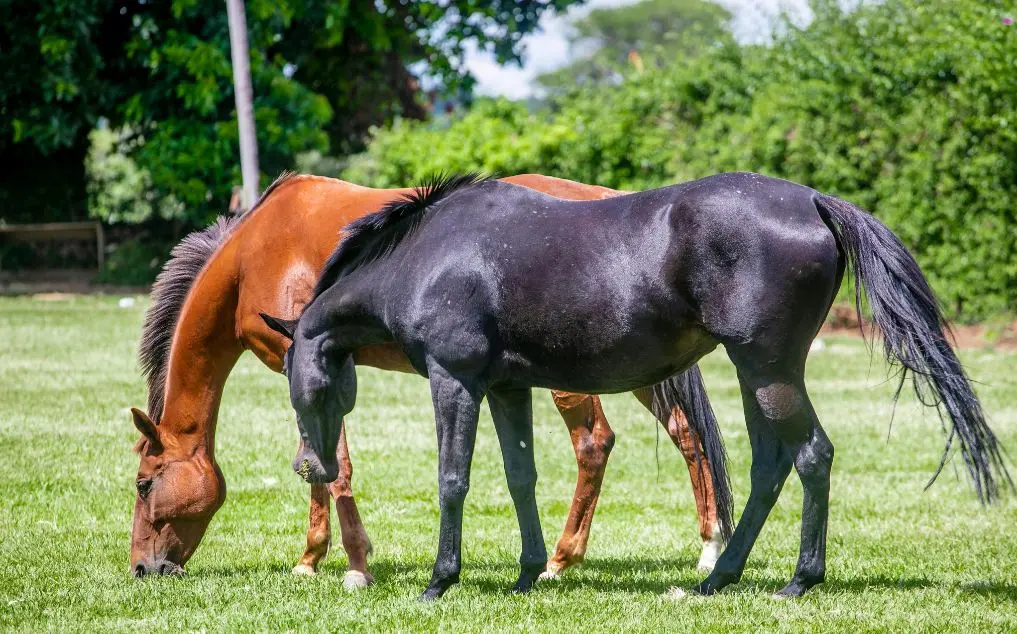

Equine metabolic syndrome testing reveals insulin dysregulation that increases laminitis risk, often in horses showing no obvious clinical signs. Whether you’re managing a pony with normal body condition, monitoring an “easy keeper” Arabian, or investigating unexplained lameness patterns, diagnostic testing provides objective evidence of metabolic dysfunction. The challenge is that many horses already have subclinical laminitis changes before EMS is suspected, making early testing critical even in apparently healthy animals.
That’s where modern diagnostic approaches come in. The oral sugar test has proven particularly effective at detecting insulin dysregulation, while baseline insulin measurements and other diagnostic options provide additional insights. Recent research from North Carolina State University found that 48% of apparently healthy sport horses showed at least one radiographic marker of laminitis, with 14% displaying multiple markers. This finding underscores that laminitis changes often develop silently, making metabolic testing essential even when horses appear normal. CompanAIn supports this diagnostic process by organizing test results, tracking trends over time, and flagging patterns that warrant closer attention.
What is Equine Metabolic Syndrome?
Equine metabolic syndrome isn’t a disease itself. It’s a collection of metabolic and clinical features that include insulin dysregulation, which increase the risk of hyperinsulinemic laminitis. Think of EMS as the equine version of metabolic syndrome in humans—a warning system indicating elevated health risks.
Research shows that insulin dysregulation affects between 18% and 27% of horses and ponies in various populations. The prevalence is particularly high in certain breeds. Ponies, donkeys, Arabians, Morgans, Saddlebreds, Paso Finos, Spanish Mustangs, and Warmbloods face the highest risk. Thoroughbreds and Standardbreds are affected less frequently.
EMS primarily affects horses under 15 years old, distinguishing it from pituitary pars intermedia dysfunction (PPID), which typically appears in older animals. However, approximately 30% of horses develop both conditions concurrently, making thorough testing essential for accurate diagnosis.
Understanding Insulin Dysregulation in EMS
Insulin dysregulation is the core mechanism driving EMS. Affected horses produce higher-than-normal insulin levels after meals and are slow to return to baseline. The underlying pathophysiology is complex, but the result is that tissues become less responsive to insulin, requiring the pancreas to produce even more insulin to achieve the same glucose-regulating effect.
This process results in persistently elevated insulin levels that damage laminar tissue in the feet. The insulin itself, rather than high blood sugar, appears to be the primary cause of laminitis in these horses. Horses with EMS rarely develop diabetes, which remains an uncommon condition in equines.
Insulin dysregulation manifests in three ways. Basal hyperinsulinemia means elevated insulin levels even when fasting. Postprandial hyperinsulinemia indicates excessive insulin production after meals. Tissue insulin resistance occurs when cells fail to respond normally to insulin signals, leading to compensatory overproduction.
Understanding these distinctions helps veterinarians choose appropriate tests and interpret results accurately.
Why Early EMS Testing is Critical
Research demonstrates that many horses have subclinical laminitis changes long before EMS is recognized. A study from North Carolina State University found that 48% of apparently healthy sport horses showed at least one radiographic marker of laminitis, and 14% had multiple markers. This finding reveals that laminar damage often develops silently, making proactive metabolic testing essential.
Early testing allows implementation of management changes to improve insulin sensitivity and reduce ongoing laminar stress. While some horses may already have existing changes, identifying and managing insulin dysregulation can prevent further progression and reduce the risk of acute laminitis episodes.
Repeated mild laminitis episodes cause cumulative damage over time. Each episode weakens the laminar connections between the hoof wall and the coffin bone. However, even a single acute insult to the laminae can result in severe laminitis. Eventually, the damage becomes severe enough to cause rotation of the coffin bone, obvious lameness, and chronic pain. In severe cases, euthanasia may be necessary. The tragedy is that much of this damage is preventable with early detection and intervention.
Testing becomes especially important because clinical signs are unreliable indicators of insulin dysregulation. Research from North Carolina State University demonstrated that body weight and cresty neck scoring were poor predictors of EMS, with many apparently normal horses testing positive for insulin dysregulation. Horses at normal body weight without regional adiposity can still have significant insulin dysregulation, making diagnostic testing the only reliable detection method.
Recommended Diagnostic Tests for EMS
Basal Insulin Test
The baseline insulin test is the most practical screening method. Current recommendations call for withholding grain for at least four hours before collection, while horses can continue to have hay or grass. A true fasted sample is not very useful for identifying EMS horses. Elevated insulin levels indicate potential insulin dysregulation. This test is useful for identifying moderate to severe insulin dysregulation but may miss mild cases.
Reference ranges vary between laboratories because different assays are used. Resting insulin levels (not fasting) are the preferred terminology. A fasted insulin should be less than 20 μIU/mL, whereas resting insulin levels should be around 20-30 μIU/mL, with slight differences depending on the laboratory and assay used. The test has high specificity but low sensitivity, meaning positive results are meaningful but negative results don’t rule out EMS.
Factors that affect baseline insulin include pregnancy, high-energy forage, stress, illness, and certain medications. Testing should occur when horses are healthy, calm, and in their normal environment to avoid false elevations.
Oral Sugar Test (OST)
The OST is the most effective dynamic test for detecting insulin dysregulation and identifies early or low grade EMS horses. Research from North Carolina State University demonstrated the OST’s superior effectiveness in identifying EMS compared to other testing methods. The protocol involves fasting the horse for 3-6 hours, collecting a baseline sample, then administering Karo Light Corn Syrup at 0.15 mL/kg body weight. A second blood sample is collected 60-90 minutes later to measure insulin response.
Higher sensitivity can be achieved with a high-dose protocol using 0.45 mL/kg corn syrup. Insulin levels above 45-65 μIU/mL at 60 minutes (depending on dose and laboratory) indicate insulin dysregulation. The OST reflects a more complete sequence of events including digestion, absorption, and incretin hormone responses from the gastrointestinal tract.
This test mimics the natural physiologic process of consuming feedstuffs containing sugar, making it highly relevant to real-world conditions. Oral glucose administration stimulates greater insulin secretion than intravenous glucose, highlighting the role of gut hormones in EMS pathophysiology.
Insulin Tolerance Test (ITT)
The ITT assesses tissue insulin sensitivity through a different mechanism. Horses are not fasted for this test, making it convenient for clinical practice. Insulin is administered intravenously, and blood glucose levels are measured before administration and 30 minutes after.
Normal horses show a decrease in blood glucose to 50% or less of baseline. Horses with insulin resistance fail to achieve this degree of glucose decrease, indicating that tissues aren’t responding appropriately to insulin signals. The test focuses on hepatic and peripheral tissue insulin sensitivity rather than pancreatic insulin secretion.
There is a risk of hypoglycemia with this test. Horses should be fed a small amount of hay and grain after the 30 minute blood collection to mitigate the risk of hypoglycemia.
Leptin Testing
Leptin is a hormone produced by fat cells that is typically elevated in EMS horses. Leptin testing is useful for separating hyperinsulinemia caused by PPID from other causes. It also helps track weight loss progress, as leptin returns to normal before insulin does in treated horses.
This test can be performed on the same sample used for baseline insulin measurement, making it a convenient addition to EMS screening. Elevated leptin combined with elevated insulin strongly suggests EMS rather than PPID-related insulin dysregulation.
Adiponectin Testing
Adiponectin testing is a newer diagnostic tool that can be very useful for EMS detection and laminitis risk assessment. Adiponectin is a hormone produced by fat tissue that plays a role in glucose regulation and insulin sensitivity. In horses with EMS, adiponectin levels are typically decreased.
The leptin/adiponectin ratio is particularly useful for determining insulin dysregulation and laminitis risk. This ratio provides additional diagnostic information beyond either hormone measured alone, helping veterinarians assess metabolic status and predict which horses face the highest risk of developing laminitis.
Adiponectin testing can be performed on the same sample used for insulin and leptin measurements, making it a convenient addition to comprehensive metabolic screening.
Combined Glucose-Insulin Tolerance Test (CGIT)
The CGIT was previously recommended but is now rarely used in clinical practice due to complexity and cost. The test involves intravenous infusions of both glucose and insulin, with multiple blood samples collected over several hours. It measures the rate of glucose decrease after the combined challenge.
While CGIT provides relevant information in research settings and can offer detailed insights into insulin and glucose dynamics, the OST and ITT have largely replaced it for routine diagnosis due to their practicality and reliability.
Distinguishing EMS from PPID
Testing for both conditions is important since they can occur together in approximately 30% of cases. PPID typically affects horses over 15 years old, while EMS affects younger horses. However, as horses with EMS age, they may develop PPID, creating diagnostic complexity.
PPID tests include ACTH measurement and TRH stimulation tests. The dexamethasone suppression test is no longer recommended. In horses with EMS alone, these tests return normal results. When PPID is present, ACTH levels are elevated, especially during the fall seasonal rise that occurs in affected horses.
Seasonal effects on hormone production must be considered when interpreting results. Testing during autumn months requires seasonally adjusted reference ranges to avoid false positives in healthy horses. Many veterinarians prefer testing outside the August-November period for clearer interpretation.
Distinguishing between these conditions matters because treatment approaches differ. Pergolide is the gold standard treatment for PPID but has no role in pure EMS management. Meanwhile, dietary and exercise interventions remain crucial for both conditions, particularly when they occur together.
Physical Examination and Clinical Signs
Body condition scoring and assessment of regional adiposity are commonly performed during EMS evaluation, but research shows these physical signs are unreliable indicators of insulin dysregulation. A study from North Carolina State University found that body weight and cresty neck scoring were poor predictors of EMS, with many horses of normal body condition testing positive for metabolic dysfunction.
Veterinarians often look for fat deposits on the cresty neck, over the tailhead, behind the shoulders, and around the mammary glands or prepuce. However, the absence of these regional fat patterns does not exclude EMS, and their presence does not confirm it. This is why laboratory testing is essential rather than relying on physical examination alone.
Clinical signs of EMS include recurrent laminitis and abnormal weight distribution. Foot radiography is important to assess for laminitis evidence, including coffin bone rotation, pedal osteitis, or abnormal hoof growth rings indicating previous episodes.
Management and Treatment Strategies
Dietary Management
Diet is the most important element in EMS management. Non-structural carbohydrate (NSC) restriction is the foundation of dietary intervention. Hay containing less than 10% NSCs (measured as starch plus water-soluble carbohydrates) is recommended for horses with EMS.
Feed analysis is essential to determine actual NSC content because hays vary widely. Soaking hay for 60 minutes can reduce water-soluble carbohydrates when low-NSC hay isn’t available. Calorie restriction, elimination of grains and pasture access during initial weight loss phases, and use of slow feeders or grazing muzzles all support metabolic improvement.
Proper management requires feeding 1.5-2% of body weight in hay daily, divided into multiple small meals. Horses with EMS use calories more efficiently than other horses, so arbitrary feeding guidelines don’t work. Individual assessment and adjustment are necessary.
Exercise and Weight Management
Structured exercise improves insulin sensitivity and promotes weight loss. However, caution is necessary with laminitic horses regarding exercise intensity. Painful horses may be unable to exercise, requiring resolution of acute laminitis before increasing activity levels.
Monitoring body condition scores and neck thickness over time using weight tapes and numerical scoring systems helps track progress. Success should be judged based on retesting for insulin dysregulation using resting insulin or dynamic insulin testing, not simply body weight losses.
Medical Interventions
Metformin may be useful for horses with severe insulin dysregulation while management changes are implemented. Levothyroxine can help in weight-loss-resistant cases. If PPID is present, pergolide treatment becomes necessary.
Newer medications like ertugliflozin, an SGLT2 inhibitor, have been game changers for EMS horses with laminitis. SGLT2 inhibitors work by reducing glucose reabsorption in the kidneys, lowering blood glucose and insulin levels. These medications have proven very helpful and effective for severe or refractory cases where diet and management alone are insufficient.
However, diet and management remain the foundation of EMS treatment. Medical therapy should support, not substitute for, dietary and exercise interventions.
The prognosis for horses with EMS varies. Many respond well to management through diet and exercise. Horses that are persistent “easy keepers” or have severely elevated insulin levels can be more challenging. Although proper treatment reduces clinical signs, there is no cure for EMS. Long-term care requires diligence, discipline, and ongoing veterinary support.
The Role of CompanAIn in EMS Testing
CompanAIn supports equine metabolic syndrome diagnostics through intelligent organization and analysis of test results over time. The platform’s multi-agent AI system helps veterinarians track insulin levels, body condition scores, and management interventions in a comprehensive timeline that reveals patterns and trends.
By storing and contextualizing diagnostic data, CompanAIn enables veterinarians to see how individual horses respond to dietary changes, exercise programs, and medical interventions. The system can flag subtle increases in insulin levels or identify seasonal patterns that might otherwise go unnoticed in standard medical records.
CompanAIn’s AI-powered analytics provide early alerts when test results suggest emerging problems, supporting proactive intervention to reduce laminitis risk. The platform integrates seamlessly with existing veterinary workflows, making it easy to reference past test results when evaluating current findings or planning treatment adjustments.
For horses requiring long-term monitoring, CompanAIn helps track the effectiveness of management strategies by comparing insulin levels over months or years. This longitudinal perspective is invaluable for assessing whether dietary restrictions and exercise programs are achieving the desired metabolic improvements.
Frequently Asked Questions
Can a horse with normal weight have EMS?
Yes. While many EMS horses are overweight, regional adiposity without generalized obesity is common. Horses with normal weight but abnormal fat pads (cresty neck, fat over tailhead or shoulders) should still be tested for insulin dysregulation. Absence of obesity doesn’t exclude EMS. Also not all EMS horses have fat pads
How often should horses with EMS be tested?
Regular retesting helps track treatment response and make necessary management adjustments. Testing frequency depends on individual cases and veterinary recommendations. Many veterinarians recommend retesting every 3-6 months during initial management, then annually once the condition is well-controlled. CompanAIn can help organize and track these test results over time. Many cases are retested monthly or anytime a feed or management change occurs.
Is EMS curable?
No. While EMS cannot be cured, it can be effectively controlled through proper diet, exercise, and management. However, long-term care requires consistent diligence. Horses with well-managed EMS can remain sound and comfortable for many years with appropriate interventions.
Which breeds are most at risk for EMS?
Ponies, donkeys, Arabians, Morgans, Saddlebreds, Paso Finos, Spanish Mustangs, and Warmbloods are at highest risk. Thoroughbreds and Standardbreds are at lower risk. However, any horse can develop EMS, so breed should inform but not dictate testing decisions.
What happens if EMS is not diagnosed early?
Many horses develop chronic laminitis before EMS is recognized. Early detection allows preventive management to avoid irreversible laminar damage. Repeated mild laminitis episodes cause cumulative damage that can eventually lead to severe lameness and potential euthanasia.
Can a horse develop EMS later in life?
While most EMS cases are diagnosed between 5-15 years of age, it can develop at any age. Horses over 15 years should be monitored for both EMS and PPID development, as the conditions can coexist. Age alone shouldn’t prevent testing if clinical signs suggest metabolic dysfunction.