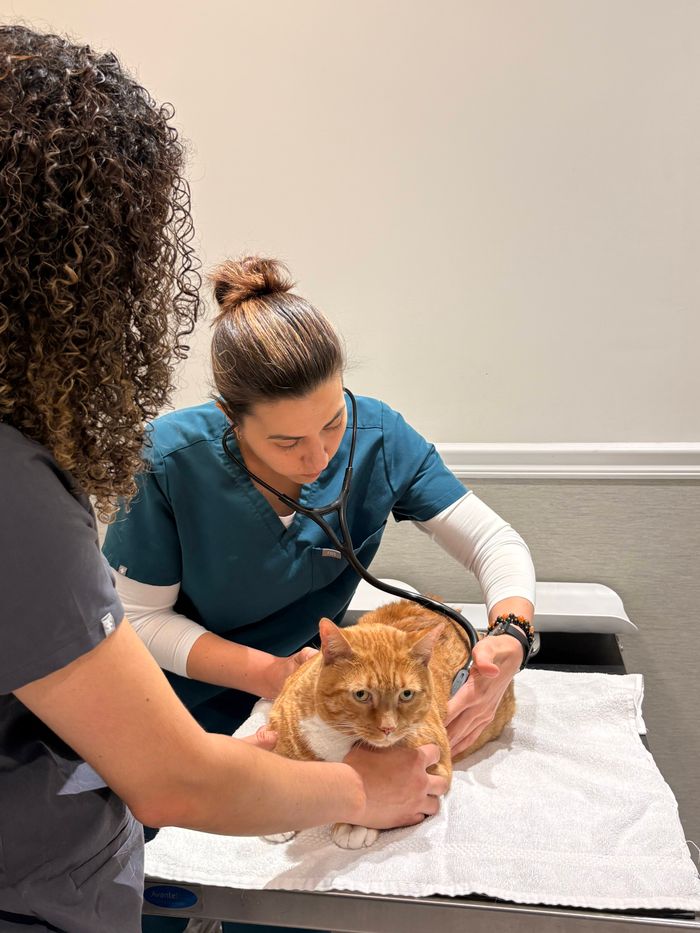

How to Detect Canine Cardiovascular Disease Early and Improve Outcomes
Heart disease in dogs is one of the most common chronic conditions in veterinary medicine—particularly in aging pets. While some cases present with obvious symptoms, many develop gradually, making early detection and consistent monitoring critical to improving outcomes.
At CompanAIn, we focus on helping pet owners identify subtle health changes over time—before they progress into serious cardiovascular disease.
Key Takeaways
- Early signs of heart disease in dogs are often subtle (coughing, fatigue, breathing changes)
- Common conditions include mitral valve disease (MVD) and dilated cardiomyopathy (DCM)
- Diagnosis relies on imaging, bloodwork, and clinical evaluation
- Monitoring trends over time is critical for early detection
- Tools like CompanAIn enable proactive, data-driven heart health tracking
What Is Heart Disease in Dogs?
Heart disease in dogs refers to a group of conditions that impair the heart’s ability to pump blood effectively. These may be:
- Acquired (most common; develop over time)
- Congenital (present at birth)
Many cases eventually progress to congestive heart failure (CHF) if untreated.
For a deeper clinical overview explore this Merk Vet Manual Resource
Early Signs of Heart Disease in Dogs
Early symptoms are often mistaken for normal aging.
Watch for:
- Persistent or intermittent coughing
- Reduced energy or reluctance to exercise
- Increased resting breathing rate
- Mild weight loss
- Decreased stamina
The American Veterinary Medical Association notes that subtle respiratory and behavioral changes are often the first indicators of cardiac disease.
Track these early signals over time with CompanAIn
Advanced Symptoms of Heart Disease
As disease progresses, symptoms become more severe:
- Difficulty breathing (even at rest)
- Fainting or collapse
- Swollen abdomen (fluid buildup)
- Blue or pale gums
- Severe lethargy
These signs may indicate congestive heart failure and require immediate veterinary care.
Common Types of Heart Disease in Dogs
Mitral Valve Disease (MVD)
The most common heart condition in small breeds. The valve deteriorates over time, causing inefficient blood flow.
Dilated Cardiomyopathy (DCM)
More common in large breeds. The heart muscle weakens and enlarges, reducing pumping efficiency.
Congestive Heart Failure (CHF)
A progression of underlying disease where fluid accumulates in the lungs or abdomen.
Arrhythmias
Irregular heart rhythms that affect circulation.
Heart Murmurs
Abnormal sounds that may indicate structural abnormalities.
Learn more:
https://www.merckvetmanual.com/circulatory-system/heart-disease-in-dogs
Causes of Heart Disease in Dogs
- Age-related degeneration
- Genetic predisposition
- Nutritional deficiencies (e.g., taurine-related DCM)
- Chronic inflammation or infection
- Obesity and metabolic stress
How Heart Disease in Dogs Is Diagnosed
Veterinarians use a combination of tools:
Physical exam
- Detects murmurs or irregular rhythms
Imaging
- X-rays (heart size, fluid in lungs)
- Echocardiogram (gold standard for structure/function)
Blood tests
- General panels
- Cardiac biomarkers like NT-proBNP
Electrocardiogram (ECG)
- Detects arrhythmias
Why Early Detection Matters
Heart disease often progresses before obvious symptoms appear.
Early indicators may include:
- Rising resting respiratory rate
- Subtle declines in activity
- Minor biomarker changes
Without structured tracking, these signals are frequently missed.
How CompanAIn Helps Detect Heart Disease Earlier
CompanAIn enables longitudinal monitoring—so you’re not relying on isolated vet visits.
https://companain.ai/health-tracking
With CompanAIn, you can:
- Track resting respiratory rate trends
- Monitor behavior and activity changes
- Store and compare diagnostic data
- Detect early pattern deviations
This shifts care from reactive to proactive and preventative.
Treatment Options for Heart Disease in Dogs
Treatment depends on condition and severity.
Medications
- Diuretics (reduce fluid buildup)
- ACE inhibitors (improve circulation)
- Pimobendan (enhances cardiac output)
- Anti-arrhythmics
Lifestyle Management
- Controlled exercise
- Weight management
- Stress reduction
Nutritional Support
- Low-sodium diets
- Omega-3 fatty acids
- Taurine supplementation (when indicated)
More guidance:
https://www.avma.org/resources-tools/pet-owners/petcare/heart-disease-dogs
Monitoring a Dog with Heart Disease
Ongoing monitoring is essential.
Track at home:
- Resting breathing rate
- Appetite and weight
- Energy levels
- Cough frequency
Normal resting respiratory rate: 15–30 breaths per minute
Simplify tracking with CompanAIn
When to Seek Immediate Veterinary Care
- Difficulty breathing
- Collapse or fainting
- Persistent coughing
- Swollen abdomen
- Pale or blue gums
Preventing Heart Disease in Dogs
While not all cases are preventable, you can reduce risk with:
- Routine veterinary checkups
- Early screening for high-risk breeds
- Balanced nutrition
- Ongoing health monitoring
Frequently Asked Questions
What are the first signs of heart disease in dogs?
Coughing, fatigue, reduced stamina, and changes in breathing patterns.
How long can a dog live with heart disease?
With proper management, many dogs live months to years depending on severity.
Can heart disease in dogs be cured?
Most cases are not curable but can be effectively managed if caught early.
What is the most common heart disease in dogs?
Mitral valve disease, especially in small breeds.
How can I monitor my dog’s heart health at home?
Track breathing rate, activity, and behavioral trends—CompanAIn centralizes and analyzes this data over time.
Final Thought
Heart disease in dogs is often manageable—but only if detected early.
By combining:
- Routine diagnostics
- Symptom awareness
- Continuous monitoring
you can significantly improve your dog’s quality of life.
Start monitoring your dog’s heart health: