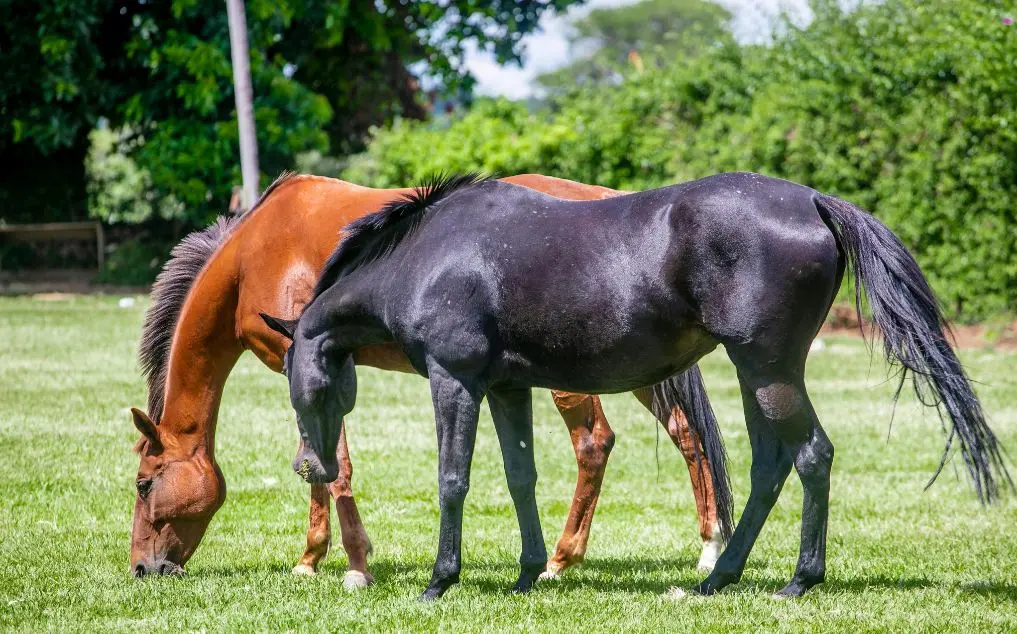

Emergency symptoms demand immediate decisions: do you call the veterinarian now, wait and monitor, or provide first aid? Horse owners serve as first responders—their recognition speed and initial actions can often determine whether horses survive.
Emergency scenarios operate on compressed timelines where minutes determine outcomes. Colic can progress from mild discomfort to life-threatening intestinal twist in hours. Eye injuries deteriorate rapidly, and sadly, delays of even half a day can mean permanent blindness. Making an informed decision on such a quick timeline poses a serious challenge.
Yet not every concerning symptom requires emergency veterinary calls. Knowing the difference between true emergencies versus monitoring situations prevents both dangerous delays and unnecessary panic.
This guide addresses recognizing true veterinary emergencies, checking and interpreting vital signs, providing first aid for wounds and bleeding, managing colic before the vet arrives, handling choking and respiratory distress, responding to eye injuries and fractures, and creating emergency plans ensuring rapid, organized responses during crises.
Panicking during emergencies causes critical details to disappear from memory. Once you’ve uploaded your horse’s medical information, CompanAIn can provide one convenient access point to a complete medical histories, current medications, recent symptoms, and veterinary contact information—eliminating the frantic search for information when every second counts.
What Are True Veterinary Emergencies?
Call the veterinarian immediately for these conditions:
Cardiovascular crisis and shock:
- Heart rate >60 bpm at rest (normal: 28-44 bpm)
- Respiratory rate >40 breaths/minute at rest (normal: 8-16)
- Temperature >103°F or <99°F (normal: 99-101.5°F)
- Pale, white, blue, or dark red gums (normal: salmon pink)
- Capillary refill time >3 seconds
- Cold extremities, weak pulse
- Profuse sweating without exercise
- Collapse
Severe colic:
- Violent rolling or thrashing
- Repeatedly lying down and getting up within minutes
- Constant pawing, looking at flanks continuously
- Elevated heart rate, absent gut sounds
- Refusal to eat or drink
- No manure production
- Straining without producing manure
Colic represents the leading cause of death in horses, ranging from self-limiting gas discomfort to life-threatening intestinal twists requiring surgery within hours.
Respiratory emergencies:
- Difficulty breathing, labored effort at rest
- Nostril flaring when not exercising
- Extended head and neck (air hunger)
- Coughing blood
- Choking (feed/water from nostrils)
Neurological crises:
- Incoordination, stumbling, staggering
- Head pressing, compulsive circling
- Seizures, loss of consciousness
- Inability to stand or rise
- Sudden blindness, paralysis
Severe wounds and trauma:
- Arterial bleeding (pulsing bright red blood)
- Deep wounds exposing bone, tendon, ligament
- Wounds over or near joints
- Puncture wounds to chest or abdomen
- Any eye injury
- Impaled foreign objects
Reproductive emergencies:
- Mare straining >30 minutes without foaling progress
- Prolapsed uterus
- Retained placenta >3 hours post-foaling
- Heavy vaginal bleeding
Foal emergencies:
- Failure to stand within 1-2 hours of birth
- Failure to nurse within 2-3 hours
- Weak, lethargic appearance
- Diarrhea, respiratory distress
- Collapse, fever, or hypothermia
How Do I Check Vital Signs?
Temperature: Insert lubricated rectal thermometer 2-3 inches, hold 2 minutes (or until digital beep). Normal: 99-101.5°F. Fever >101.5°F suggests infection, heat stress, or pain. Low <99°F indicates shock or hypothermia.
Heart rate: Find pulse at digital artery (fetlock), facial artery (under jaw), or use stethoscope behind left elbow. Normal adult: 28-44 bpm at rest. Count 15 seconds, multiply by 4. Rate >60 bpm signals pain, stress, or cardiovascular compromise.
Respiratory rate: Watch flank/nostril movement. Normal adult: 8-16 breaths/minute. Count 30 seconds, multiply by 2. Rate >24 suggests problems. Note quality—labored, noisy, or shallow breathing all concerning.
Capillary refill time (CRT): Press gum firmly until white, release, time return to pink. Normal: 1-2 seconds. Prolonged >3 seconds indicates poor circulation or shock.
Gut sounds: Use stethoscope or ear against flank, listen all four quadrants 1 minute each. Should hear gurgling, rumbling. Absent sounds indicate ileus or obstruction. High-pitched tinkling suggests gas accumulation.
Mucous membranes (gums):
- Normal: Salmon pink, moist
- Pale/white: Anemia, blood loss, shock
- Bright red: Sepsis, endotoxemia
- Blue/purple: Severe respiratory compromise
- Yellow: Liver disease
- Dark red: Endotoxemia
- Tacky/dry: Dehydration
Hydration: Pinch skin on neck, release. Should flatten immediately. Delayed >2 seconds indicates dehydration. Sunken eyes and tacky gums confirm.
Digital pulse: Felt at pastern arteries, should be barely palpable. Bounding pulse indicates laminitis, abscess, or foot infection.
CompanAIn tracks baseline vital signs for individual horses, flagging deviations from normal patterns and providing context showing whether elevated readings represent new emergencies or chronic conditions.
How Do I Handle Wound Emergencies?
Bleeding control varies by severity and type. Arterial bleeding produces pulsing bright red blood requiring immediate direct pressure with clean towels or bandages held firmly for 10-15 minutes without removing to check—removing disrupts clot formation. Call the veterinarian immediately for arterial bleeding. Venous bleeding flows steadily with dark red blood, usually stopping within minutes with direct pressure. Capillary bleeding oozes slowly, responding to brief pressure application. Elevate leg wounds when possible to reduce blood flow. Apply pressure bandages if bleeding continues.
Wound cleaning begins only after bleeding control. Rinse with clean water using a hose on low pressure or pouring gently—avoid high pressure that drives debris deeper. Remove visible dirt and bedding. Don’t scrub deep wounds as this damages tissue. Avoid hydrogen peroxide and alcohol that harm tissue despite killing bacteria. Dilute Betadine or chlorhexidine solution works acceptably. Sterile saline provides the ideal rinse.
Bandaging technique layers clean, dry gauze over the wound, adds cotton padding for cushioning, applies conforming wrap like vet wrap, and includes support wrapping below and above the injury. Apply firm pressure without constricting—bandages too tight cause more damage than no bandage. Check for swelling below the bandage indicating excessive tightness requiring immediate removal and reapplication.
Critical mistakes to avoid include applying ointments or creams before veterinary examination since these interfere with assessment and may trap bacteria. Don’t close wounds with tape or glue as this seals bacteria inside. Don’t probe deep wounds. Don’t remove impaled objects—stabilize them and allow veterinarians to remove them properly. Don’t use tourniquets except for life-threatening arterial hemorrhage as a last resort, as they cause tissue death.
Wounds requiring immediate veterinary care include those near or over joints where synovial structure involvement creates infection risk that can end careers or lives. Deep wounds exposing muscle or bone demand professional closure. Heavily contaminated wounds with embedded dirt or manure require thorough debridement. Arterial bleeding needs intervention beyond first aid. Facial wounds, especially involving eyes, require specialized care. Puncture wounds appear small but penetrate deeply, creating infection risk. Lacerations exceeding 2 inches long typically need suturing. Lower leg wounds heal poorly and develop proud flesh without proper management.
What Do I Do For Colic?
Initial assessment checks heart rate—readings exceeding 60 bpm indicate concerning pain levels. Examine gum color and capillary refill time. Listen for gut sounds in all four quadrants. Evaluate pain level from mild occasional pawing to violent thrashing. Note when the horse last passed manure and its consistency. Review water intake today and recent feed changes.
Immediate actions start with calling the veterinarian—don’t delay hoping colic resolves spontaneously, as some types require surgery within hours. Remove all feed but leave water available unless the veterinarian instructs otherwise. Move the horse from the stall to a safe area like a large stall, arena, or paddock.
Walk the horse if pain appears mild—movement reduces gas and prevents rolling that can cause intestinal twists. Don’t force walking if the horse shows violent or dangerous behavior. Never give Banamine, Banamine paste, or other pain medications before veterinary examination as these mask symptom severity, making accurate assessment impossible. Monitor vital signs every 15-30 minutes, and note all manure production and urination.
Information veterinarians need includes symptom duration, pain severity, current heart rate, respiratory rate, temperature, gum color, presence or absence of gut sounds, recent manure production, recent feed or turnout changes, previous colic episodes, and current medications.
Pain severity scale helps communicate urgency. Mild colic involves occasional pawing, looking at flanks, and lying down briefly. Moderate colic shows frequent lying down and standing, continuous pawing, and kicking at the belly. Severe colic manifests as violent rolling, thrashing, throwing themselves down, sweating profusely, and refusing to stand.
Medical versus surgical indicators include pain response to medication—horses requiring surgery often don’t respond or respond only briefly. Nasogastric reflux where fluid backs up from the stomach indicates obstruction. Rectal examination findings of intestinal distention or displacement, cardiovascular deterioration, abnormal abdominal ultrasound, and abnormal peritoneal fluid all help veterinarians decide between medical management and surgical intervention.
How Do I Recognize And Treat A Choking Horse?
Esophageal obstruction signs:
- Feed/water coming from nostrils
- Excessive drooling
- Extended head and neck
- Gagging, retching
- Anxious expression
- Material visible in esophagus (left neck)
Immediate actions:
- Remove all feed and water immediately
- Call veterinarian
- Keep horse calm and quiet
- Don’t attempt to dislodge with fingers/objects
- Don’t give water (aspiration risk)
- Prevent eating (muzzle if needed)
- Lower head (gravity helps drainage)
Why it’s serious: Aspiration pneumonia from material entering lungs, esophageal rupture if prolonged, dehydration if a horse cannot drink. This issue must be resolved within 30 minutes to 2 hours with veterinary treatment using sedation and a nasogastric tube with water lavage.
Prevention: Dental care (chewing problems cause choke), soak pelleted feeds, slow eating with hay nets, don’t feed immediately after exercise, adequate water access.
What Do I Do For Eye Injuries?
Any eye injury requires immediate veterinary attention. Eyes deteriorate within hours, and even half-day delays can cause permanent blindness.
Recognition:
- Squinting, keeping eye closed
- Excessive tearing
- Swelling around eye
- Cloudiness of cornea
- Blood in eye
- Obvious trauma
- Photophobia (avoiding light)
- Rubbing eye
Immediate actions:
- Call veterinarian immediately
- Prevent rubbing (fly mask, cross-ties if necessary)
- Dim lighting (reduces discomfort)
- Don’t apply ointments without vet instruction
- Don’t touch or probe eye
- Flush with sterile saline if contaminated (not tap water)
Common equine eye problems include corneal ulcers, lacerations, foreign bodies, and uveitis—all requiring rapid professional intervention.
How Do I Handle Heat Stress?
Heat exhaustion/heat stroke signs:
- Temperature >105°F (emergency if >106°F)
- Profuse sweating OR inability to sweat
- Rapid breathing and heart rate
- Weakness, stumbling
- Muscle tremors
- Depression
- Dark urine or no urination
- Colic symptoms
Immediate cooling:
- Move to shade immediately
- Cold water bath (entire body, especially large vessels)
- Ice packs on neck, chest, between hind legs
- Fans for air circulation
- Small amounts of water frequently (if alert and swallowing)
- Call vet if temperature >104°F or not responding
- Continue cooling until temperature <102°F
- Don’t give ice water to drink (can cause shock)
Anhidrosis (chronic inability to sweat) creates danger in hot/humid weather. Horses overheat rapidly with patchy or absent sweating, rapid breathing, elevated temperature during exercise. Requires cool environment management and reduced work in heat.
What Do I Do For Snake Bites?
Recognition: Swelling (often severe, rapid), two puncture wounds, pain and heat at site, difficulty breathing if face/throat bitten, increased heart rate, anxiety, possible collapse.
Location matters: Face/muzzle bites are life-threatening (airway swelling). Leg bites painful but usually survivable. Chest/body bites variable.
Immediate actions:
- Keep horse calm and still (movement spreads venom)
- Call veterinarian immediately
- Don’t apply tourniquets, ice, or cut wound
- Don’t try to catch/kill snake
- Note snake description if safe (aids treatment)
- Monitor breathing (especially face bites)
Treatment includes anti-inflammatories, IV fluids, pain management, antibiotics, and occasionally antivenin. Tracheostomy may be needed if airway compromised.
How Do I Handle Suspected Fractures?
Recognition: Complete non-weight bearing, abnormal limb angle, crepitus (grinding), severe swelling, extreme pain, visible bone.
Immediate actions:
- Keep horse completely still (movement worsens fracture)
- Call veterinarian immediately
- Support limb if possible (splint only if trained)
- Don’t attempt to straighten fracture
- Prevent lying down if possible
- Bandage open fractures (sterile if available)
Splinting (only if trained): Support joints above and below fracture, pad well, firm but not constricting. Lower leg easier than upper. Improper splint worse than no splint.
Prognosis factors: Location (lower leg better), fracture type (simple vs. comminuted), age (young better), temperament (calm better), financial resources (repair expensive), intended use.
What Are Foaling Emergencies?
Normal timeline: Stage 1 (preparation) 1-4 hours. Stage 2 (delivery) 20-30 minutes from rupture to foal. Stage 3 (placenta) within 3 hours.
Red bag delivery – EMERGENCY: Red velvety sac appears instead of white amnion. Foal not receiving oxygen. Break sac immediately, assist delivery, call vet.
Dystocia (difficult birth) – call vet if:
- Mare straining >30 minutes without progress
- Foal parts visible but not progressing
- Only one front leg (should be two)
- Hind legs first (should be front legs and nose)
- Head not presenting with front legs
Don’t pull excessively. Check presentation. Gentle downward traction during contractions if normal. Stop if incorrect presentation, wait for vet.
Post-foaling monitoring:
Foal should:
- Stand within 1-2 hours
- Nurse within 2-3 hours
- Pass meconium within 12-24 hours
- Appear alert and vigorous
Mare should:
- Pass placenta within 3 hours (retained = emergency)
- Have no excessive bleeding
- Pass manure normally
- Allow nursing
- Maintain normal temperature
Foaling management guidelines from AAEP provide comprehensive protocols for normal and emergency situations.
How Do I Recognize Poisoning?
Common toxic plants include red maple leaves—wilted leaves prove most toxic, causing hemolytic anemia, dark urine, weakness, and death. Oleander produces cardiac toxicity, colic, and death from very small amounts. Yew causes sudden death from cardiac effects, trembling, and difficulty breathing. Black walnut shavings—contact not ingestion—trigger laminitis. Bracken fern creates vitamin B1 deficiency producing weight loss and incoordination. Locoweed causes neurological damage. Nightshade produces colic, diarrhea, and neurological signs. Large amounts of acorns damage kidneys and cause colic.
General poisoning symptoms manifest as sudden neurological symptoms, excessive drooling, colic, diarrhea, muscle tremors, difficulty breathing, abnormal heart rate or rhythm, and sometimes sudden death.
Immediate actions remove horses from the source immediately. Call the veterinarian and poison control. Note the plant or substance if known. Bring samples if possible. Don’t induce vomiting—horses cannot vomit anatomically. Administer activated charcoal only if available and the veterinarian recommends it. Monitor vital signs closely.
Prevention requires knowing toxic plants in your area, walking pastures regularly to identify and remove dangerous plants, providing adequate forage so horses don’t browse from hunger, never throwing yard waste into pastures, and checking hay for toxic plant contamination.
CompanAIn can generate emergency reports compiling complete medical histories, current medications, recent symptom changes, and vital sign trends in formats veterinarians can quickly scan during crisis evaluations, eliminating communication delays when time determines outcomes.
How Do I Create An Emergency Plan?
Veterinary contacts should include your primary veterinarian with both office and emergency line numbers, a backup veterinarian for times when your primary vet is unavailable, the nearest 24-hour emergency clinic with address and phone number, equine ambulance or transport services, and veterinary specialists if your horse has conditions requiring frequent specialized care.
Emergency information compiles horse identification including name, detailed description, and microchip number. Medical history, current medications, vaccination records, insurance information, owner contact information, and emergency contacts if the owner is unavailable should be readily accessible to anyone providing care.
Facility information includes the complete address with cross streets and landmarks, GPS coordinates for rural locations, gate codes, detailed directions from the main road, location of the nearest fire hydrant, and the number of horses on the property for emergency responders planning rescue operations.
First aid supplies require a fully stocked, accessible kit with regular inventory checks and replacement of expired items. All caregivers should know the kit’s location and contents.
Communication systems need posted emergency numbers visible in multiple locations, charged cell phones, barn phones if available, and walkie-talkies for large properties where cell service is unreliable.
Training ensures all caregivers know basic first aid, can take vital signs accurately, recognize when to call the veterinarian versus when to monitor, and have practiced emergency scenarios so panic doesn’t prevent appropriate responses.
How Does AI Technology Help In Emergencies?
Traditional emergency response relies on frantic memory searches. What medications does the horse take? When did symptoms start? What’s the primary veterinarian’s emergency number? Is the tetanus vaccination current? What was the heart rate 30 minutes ago? Panic erases details exactly when accuracy matters most.
Medical history exists across scattered documents—vaccination records in one file, veterinary invoices in another, medication lists somewhere else. Assembling comprehensive information during emergencies wastes critical minutes. Describing symptom progression relies on vague recollection rather than documented timeline.
CompanAIn can maintain a detailed history of complete medical records. The difference between organized emergency response and chaotic panic often determines whether horses receive appropriate care during the critical window when intervention changes outcomes. Having an AI model that can respond directly to your moment-to-moment needs becomes invaluable for horse care.