
Planning to travel with your dog—whether across state lines or internationally—often requires a critical document that many pet owners don’t think about until the last minute: a health certificate.
This seemingly simple piece of paper can make the difference between a smooth journey and a travel nightmare that leaves you scrambling at the airport or turned away at state borders.
Understanding how to obtain a health certificate for your dog matters for anyone planning travel, relocating for work, or ensuring their pet’s documentation stays current.
This guide examines the health certificate process, breaks down requirements by travel type, and explores how modern pet health platforms streamline documentation management.
Whether you’re crossing state lines for a family visit or planning an international adventure, CompanAIn’s AI-powered health management platform helps organize your dog’s medical records, vaccination history, and health documentation in one secure location—making future health certificate requests faster and less stressful.
What Is a Dog Health Certificate?
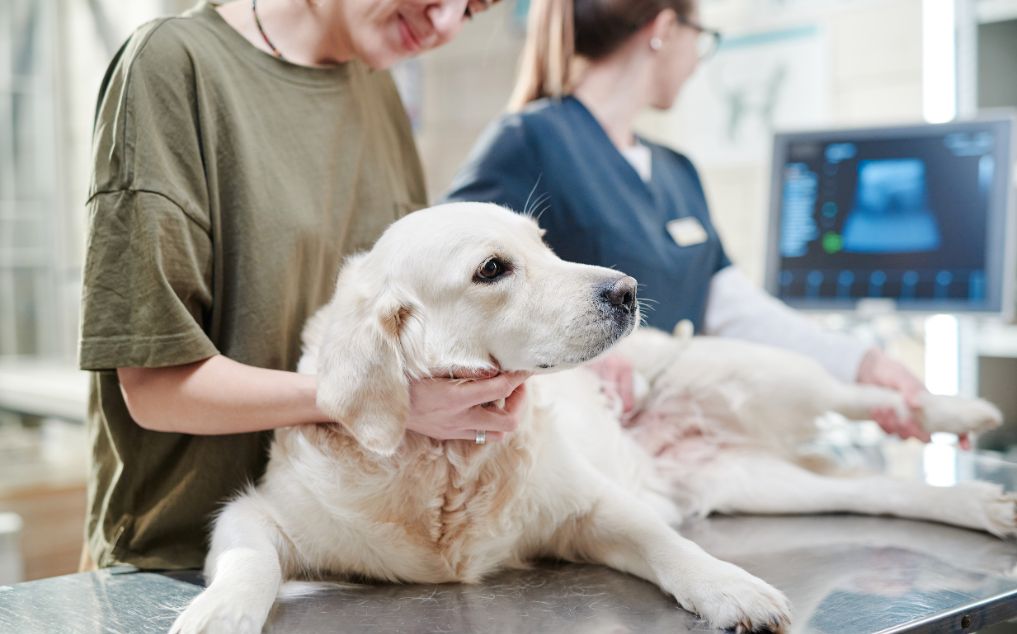
A health certificate, formally known as a Certificate of Veterinary Inspection (CVI), is an official document issued by a licensed veterinarian stating your dog has been examined and found free of infectious or contagious diseases.
The certificate confirms your dog appears healthy enough for travel and meets specific health requirements for your destination.
Health certificates serve multiple purposes: they protect public health by preventing disease transmission across borders, satisfy legal requirements set by states or countries, provide airlines and transportation companies with liability protection, and document your dog’s health status at a specific point in time.
The document typically includes your dog’s identification details (breed, age, sex, color, markings), vaccination records (particularly rabies), examination date and findings, veterinarian’s signature and license number, microchip number (when required), and specific statements required by your destination.
Interstate Travel Within the United States
State-Specific Requirements
Individual states—not the federal government—set interstate pet travel rules. The USDA’s Animal and Plant Health Inspection Service (APHIS) doesn’t regulate interstate movement of privately owned pets.
Most states require a CVI issued within 30 days of entry, though timeframes range from 10-30 days. California doesn’t require health certificates for privately owned dogs but mandates them for dogs being sold or transferred.
Nearly all states require current rabies vaccination proof for dogs over 3-6 months.
Air Travel Requirements
All major U.S. airlines require health certificates for checked dogs, typically valid for 10 days from examination. Requirements for in-cabin dogs vary by carrier.
Airlines like American Airlines may also require acclimation certificates for temperature extremes (20-44°F) and breed verification forms.
Getting Your Interstate Health Certificate
Step 1: Research Requirements – Contact your destination state’s Department of Agriculture or State Veterinarian 2-3 weeks before travel to verify current requirements.
Step 2: Schedule Examination – Book your veterinarian appointment within your destination’s validity window (typically 30 days). Bring complete vaccination records.
Step 3: Veterinary Exam – Your vet conducts a physical examination, verifies vaccinations, completes the health certificate, and signs it with their license number.
Step 4: Maintain Documentation – Keep original certificates during travel—electronic copies typically aren’t sufficient. Carry vaccination records separately.
International Travel Requirements
International travel requires significantly more preparation, often taking weeks or months depending on destination requirements.
USDA-Accredited Veterinarians and Endorsement
Most countries require health certificates issued by USDA-accredited veterinarians who completed the National Veterinary Accreditation Program (NVAP).
After examination, certificates must be endorsed by USDA APHIS, which verifies the document meets destination requirements.
The endorsement process now operates through the Veterinary Export Health Certification System (VEHCS). For “green” countries, endorsement occurs within 24-48 hours electronically.
For “orange” countries, APHIS prints, signs, and returns certificates via overnight express (1-2 days).
International Timeline
4-6 Months Before: Research destination requirements via the USDA Pet Travel website or U.S. State Department resources, identify necessary vaccinations and tests, locate a USDA-accredited veterinarian, schedule rabies titer testing if required.
1-2 Months Before: Ensure vaccinations are current, complete mandatory treatments, obtain ISO-compliant microchip if needed for European Union or other international destinations.
10 Days Before Travel: Attend veterinary examination, obtain signed health certificate, submit for USDA endorsement.
Common International Requirements
While requirements vary by country, common elements include ISO microchip identification (standards 11784/11785), current rabies vaccination, rabies titer blood tests for certain destinations, parasite treatments, and USDA-endorsed certificates issued within 10 days of travel.
The CDC also regulates dogs entering or returning to the United States with updated requirements as of August 2024.
Destination-Specific Timing Windows
Different destinations have dramatically different validity windows for health certificates. Understanding these variations prevents last-minute complications and rejected documentation.
Most International Destinations (U.S. Export)
- Start Preparation: 4-6 months before departure
- Validity Window: Health certificate typically valid 10-30 days from vet exam
- Key Notes: Vet must be USDA-accredited; endorsement may take 24-48 hours electronically for most countries
U.S. to Canada
- Start Preparation: 2-3 weeks before travel
- Validity Window: Certificate must be completed and endorsed before departure
- Key Notes: Canadian export certificate process may require CFIA endorsement; cannot be done after pet leaves Canada
Short-Window Destinations (Some EU/Asia Countries)
- Start Preparation: 1-2 weeks before travel
- Validity Window: Some accept certificates only 2-7 days before arrival
- Key Notes: Certificate validity varies dramatically—some countries accept 30 days, others only 14, 7, or even 2 days
U.S. Domestic Interstate Travel
- Start Preparation: 2-3 weeks before travel
- Validity Window: Typically within 10-30 days of entry state
- Key Notes: Most U.S. states require CVI within 10-30 days; airlines often require certificates less than 10 days old
Critical Timing Tips:
Work backwards from your travel date. Schedule the vet exam close enough that the certificate remains valid at departure, but early enough to allow for lab tests or endorsements.
For international export, choose a vet appointment 10-14 days before departure if the certificate must be issued within 10 days, or earlier if your destination allows up to 30 days.
For domestic travel, confirm your destination state’s specific window and book accordingly. Some states accept 30-day certificates while others require 10 days or less.
How CompanAIn Simplifies Health Certificate Management
The health certificate process involves juggling multiple documents, tracking various expiration dates, and ensuring you have complete records when needed.
CompanAIn’s multi-agent AI platform addresses these challenges through specialized intelligence designed specifically for pet health management.
Centralized Health Records Management – CompanAIn’s data aggregation system allows you to upload vet notes, lab results, vaccination certificates, and prior health certificates into one secure digital location. The platform’s specialized AI agents parse and interpret uploaded documents, automatically extracting relevant information like vaccination dates, examination findings, and health conditions.
This creates a comprehensive, dynamic health timeline that maintains your dog’s complete medical history.
When requesting a health certificate, you can instantly access all documentation your veterinarian needs—vaccination records, previous examination results, current medications, and any chronic conditions.
This eliminates scrambling through drawers for vaccination certificates or repeatedly calling your vet’s office for missing records.
Proactive Health Monitoring – CompanAIn’s AI-powered trend detection analyzes your dog’s health data over time, identifying patterns that might affect travel clearance.
The platform flags potential issues before they become problems—such as upcoming vaccination expirations, health trends requiring veterinary attention, or conditions that might complicate health certificate approval.
For pet owners planning travel, this proactive monitoring proves invaluable. Rather than discovering three days before your flight that your dog’s rabies vaccination expired, CompanAIn’s alert system notifies you weeks in advance, allowing adequate time for vet appointments and documentation updates.
Personalized Care Plans – The platform generates tailored care plans addressing your dog’s specific health needs, which can include vaccination schedules aligned with travel requirements, preventive care recommendations for your travel destination, and health optimization strategies ensuring your dog meets certification requirements.
DVM-Validated Insights – Critical health alerts and low-confidence cases within CompanAIn’s system undergo review by licensed veterinarians, ensuring the insights driving your decisions are accurate and trustworthy.
This veterinary oversight provides confidence that flagged issues genuinely require attention before travel.
Common Health Certificate Challenges and Solutions
Challenge 1: Timing Complications
Health certificates have limited validity periods—typically 10-30 days depending on your destination. Schedule examinations too early, and the certificate expires before travel.
Wait too long, and you risk appointment unavailability or insufficient time for USDA endorsement.
Solution: Work backward from your travel date. For international travel requiring USDA endorsement, schedule your vet appointment 10-14 days before departure (after confirming the specific validity period for your destination).
For interstate travel, verify your destination state’s validity window and schedule accordingly.
Challenge 2: Finding USDA-Accredited Veterinarians
Not all veterinarians hold federal accreditation required for international health certificates. Discovering your regular vet isn’t accredited after scheduling travel creates unnecessary stress.
Solution: Contact your veterinarian as soon as you consider international travel to verify their accreditation status. If they’re not accredited, ask for referrals to accredited veterinarians in your area, or search the USDA APHIS accredited veterinarian database.
The American Veterinary Medical Association also provides comprehensive pet travel resources.
Challenge 3: Incomplete or Outdated Vaccination Records
Veterinarians cannot issue health certificates without proof of current vaccinations, particularly rabies.
Missing or incomplete vaccination records force delays while tracking down documentation or re-vaccinating your dog.
Solution: Maintain organized vaccination records from day one. Platforms like CompanAIn eliminate this problem by securely storing all vaccination certificates digitally, making them instantly accessible whenever needed.
Challenge 4: Last-Minute Requirement Changes
State regulations and country requirements change periodically.
Requirements you researched months ago may no longer be current when your travel date arrives.
Solution: Verify requirements multiple times throughout your planning process—initially when considering travel, again when scheduling your vet appointment, and once more immediately before your appointment.
Challenge 5: Cost Considerations
Health certificate costs can surprise unprepared pet owners. Understanding the complete financial picture helps you budget accurately for your dog’s travel documentation.
What You'll Actually Pay:
Veterinary Exam + Certificate: For domestic/interstate certificates, most vet clinics charge $150–$300 including exam and paperwork. For international certificates, costs run higher—one U.S. clinic lists international certificate consultation plus exam at $150, with a full international export certificate at approximately $280.
USDA/APHIS Endorsement Fee (International Travel): If traveling internationally from the U.S., the government fee for endorsing a health certificate begins at $101 for certificates with no laboratory tests, rising to $160 or $206 depending on required tests.
Additional Costs May Include:
- Laboratory tests (rabies titer, diagnostic testing)
- Microchip installation
- Overnight shipping of endorsed documents
- Airline pet-travel surcharges
Solution: For domestic U.S. travel, budget $100–$300 depending on vet rates and location. For international travel, expect total costs (exam + tests + endorsement + shipping) ranging from $300 to $600+ depending on destination requirements.
Ask your veterinarian about fees during initial consultations. For frequent travelers, maintaining current vaccinations and organized records reduces redundant costs.
5 Essential Tips for Smooth Processing
1. Start Early – Begin researching 2-3 weeks before interstate travel, 4-6 months for international destinations. Create detailed timelines listing every requirement.
2. Establish Veterinary Relationships – Regular veterinary care creates medical histories that streamline examinations. Inform your vet about travel plans during routine visits.
3. Organize Documentation – Arrive at appointments with original vaccination certificates, prior health certificates, medical records, medication lists, microchip information, and destination-specific forms.
4. Understand Airline Requirements – Contact airlines 2-3 weeks before travel to verify pet policies, health certificate requirements, carrier specifications, and breed restrictions.
Resources like the International Pet and Animal Transportation Association (IPATA) can help coordinate complex travel arrangements.
5. Prepare for Examination – Bring written summaries of travel plans including destination, dates, transportation method, and planned stops or connections.
State-by-State Variations
Most Restrictive: Hawaii maintains the strictest requirements due to rabies-free status, including mandatory quarantine and extensive documentation.
Moderate Requirements: Most states require health certificates within 30 days plus current rabies vaccination.
Alabama, Alaska, Colorado, Connecticut, and Wisconsin exemplify this approach.
Minimal Requirements: California requires no health certificate for privately owned pets (though airlines may have requirements).
Special Considerations: Arizona doesn’t accept rabies vaccine titers. Connecticut prohibits importing dogs under 8 weeks for sale.
Various states require statements confirming dogs are free from infectious diseases.
Planning Your Next Adventure
Obtaining a health certificate doesn’t have to be stressful. With preparation time, organized documentation, and the right tools, the process becomes straightforward.
Key principles: start early, research thoroughly, maintain organized records, work with qualified veterinarians, and verify requirements multiple times.
CompanAIn’s AI-powered platform helps navigate this complexity by maintaining comprehensive health records, flagging upcoming requirements, and presenting documentation in formats that streamline veterinary examinations.
Ready to simplify your dog’s health management? Explore CompanAIn’s approach to proactive, AI-powered pet health care that keeps you organized and your companion healthy at every life stage.
Frequently Asked Questions
How much does a dog health certificate cost?
Interstate health certificates typically range from $100-$300. International health certificates cost $300-$600+ when including exam, tests, endorsement, and shipping.
USDA endorsement fees start at $101 for a single pet with no laboratory tests. See the “Cost Considerations” section above for a complete breakdown.
How long is a dog health certificate valid?
For interstate travel, most states accept certificates issued within 30 days of entry. For international travel, most countries require certificates issued within 10 days of arrival.
Airlines frequently require certificates no older than 10 days. Always verify specific requirements for your destination using state-by-state resources.
Can any veterinarian issue a health certificate?
For interstate travel, any licensed veterinarian can issue certificates.
For international travel, veterinarians must be USDA-accredited—a federal credential requiring NVAP completion. Verify your vet’s accreditation status before scheduling international travel.
What happens if my dog fails the health certificate examination?
If your veterinarian identifies health issues, they cannot issue a certificate.
Options include treating the condition and rescheduling, obtaining documentation for chronic but non-contagious conditions, or postponing travel until health improves.
Do I need a health certificate if I'm driving across state lines?
Many states technically require health certificates regardless of transportation method, but enforcement varies. States don’t maintain border checkpoints for private vehicles.
However, for air travel, health certificates are mandatory and strictly enforced.
Can I use the same health certificate for multiple trips?
No. Health certificates are valid only for single trips within their validity period. Return journeys require separate certificates, especially for international travel.
Budget for multiple examinations if your plans include multiple departures and returns.
How do I find a USDA-accredited veterinarian?
Ask your current veterinarian about their accreditation status. If not accredited, request referrals.
Search the USDA APHIS database or contact your state’s Veterinary Services office. Search online for “USDA accredited veterinarian [your city].”
What documentation should I bring to the health certificate appointment?
Bring original vaccination certificates (especially rabies), previous health certificates, comprehensive medical records, current medication lists, microchip registration information, completed destination-specific forms, and a written summary of travel plans including dates and destinations.