
Kissing spine in horses sounds alarming, but here’s the reassuring truth: this condition is common, often manageable, and many horses continue working comfortably with appropriate care. Clinically known as overriding or impinging dorsal spinous processes, kissing spine occurs when the bony projections along the spine become too close together, touch, or overlap. What surprises many horse owners is that radiographic screenings reveal kissing spines in around 30-40% of some horse populations, yet many horses show no obvious signs of discomfort or poor performance at all.
Early recognition makes a significant difference. With proper management, most horses diagnosed with this condition can return to work. UC Davis Center for Equine Health reports that tailored interventions allow most affected horses to remain comfortable and athletic. CompanAIn helps horse owners track back-pain-related signs, training changes, diagnostics, and treatments over time, making it easier to work effectively with your vet team and catch subtle signs before they become major problems.
What is kissing spine in horses?
Kissing spine, clinically termed overriding dorsal spinous processes (ORDSP) or impinging dorsal spinous processes (IDSP), involves the spinous processes—the bony projections that point upward from each vertebra—becoming too close together, touching, or overlapping. Think of it like vertebrae that are parked too close together in a row of books, squeezing the ligaments between them.
In a healthy equine back, these dorsal spinous processes are evenly spaced, typically 1-2 cm apart in the thoracic region, allowing the spine to flex freely during movement. With kissing spine, this spacing narrows, leading to sclerosis (bone hardening), lysis (bone resorption), bony changes, and inflammation of the interspinous ligament. The condition most commonly affects the thoracic vertebrae under the saddle area, from T13 to T18, with T15 being the peak location. Lesions can also extend into the lumbar region at L1-L2.
Here’s what many horse owners find surprising: radiographic changes don’t always equal pain. Posture, neck position, muscle tone, and dynamic movement all influence how close the bones actually come during work. A horse with dramatic X rays may cope well, while another with mild changes shows clear clinical signs.
Current understanding suggests kissing spine is primarily acquired rather than congenital, driven by factors like poor saddle fit, improper training frames (high head, hollow back), and intense workloads. However, genetic factors play a role too. Recent heritability studies have identified chromosomal regions linked to ORDSP in breeds like Thoroughbreds and Irish Sport Horses.
Which horses are most at risk?
Kissing spine is most frequently identified in performance horses, but it can occur in any breed or discipline. Research consistently shows increased risk in certain populations.
Predisposed breeds include:
- Thoroughbreds
- Warmbloods
- Quarter Horses
- Irish Sport Horses
Genetic studies confirm moderate heritability, with breed-specific susceptibilities linked to conformational features. Horses with short backs, high withers relative to a compact body, or long limbs behind a short trunk have reduced natural spacing between spinous processes, creating an increased risk of developing kissing spines.
Age matters too. Kissing spine is often diagnosed in horses aged 4-10 years. Changes may start earlier if horses enter intense training before skeletal maturity (around 5-6 years for many sport horses), accelerating bony changes through poor conditioning or workloads demanding prolonged incorrect frames.
Lifestyle contributors amplify risk: intense dressage or jumping schedules, race training with shortened strides, poor conditioning, long periods of hollow-backed work, and inconsistent saddle fit checks. Interestingly, some older retired horses display severe radiographic lesions without lameness or severe pain, illustrating that chronic low-level changes may stabilize if workload diminishes. This underscores the importance of interpreting imaging in light of the whole horse’s history and clinical presentation.
Common signs and symptoms of kissing spine
Signs of kissing spine are often subtle signs, frequently mistaken for “naughtiness,” training deficits, or overlapping conditions like gastric ulcers, hock arthritis, sacroiliac strain, or saddle issues. Recognizing the common signs early can prevent months of frustration and progressive pain.
Under-saddle indicators include:
- Reluctance to go forward with impulsion
- Difficulty engaging hindquarters
- Back hollowing during work
- Stiff transitions
- Swapping leads behind or cross cantering
- Inconsistent contact
- Refusals at fences
- Head tossing
Behavioral red flags:
- Girthiness when tacking up
- Tail swishing and ear pinning during grooming
- Flinching to touch over the thoracic spine
- Bucking, small rears, or running off
- Hypersensitivity to back palpation
Ground-level clues:
- Difficulty standing for mounting
- Reluctance to roll
- “Parked-out” hind limbs at rest
- Topline muscle atrophy (often asymmetric)
- Weight loss or generalized lameness
Pain severity rarely correlates with X-ray extent. Consider the 7-year-old Warmblood dressage gelding that starts bucking in canter after a step-up in training, or the racehorse that shortens stride and refuses to break from the gate—both may have kissing spine causing pain, but their imaging might look completely different.
Keeping a dated log of changes in behavior, performance, and comfort helps your veterinarian correlate findings. CompanAIn’s timeline feature can visualize when symptoms started in relation to training, saddle changes, and veterinary interventions, making pattern detection easier.
How veterinarians diagnose kissing spine
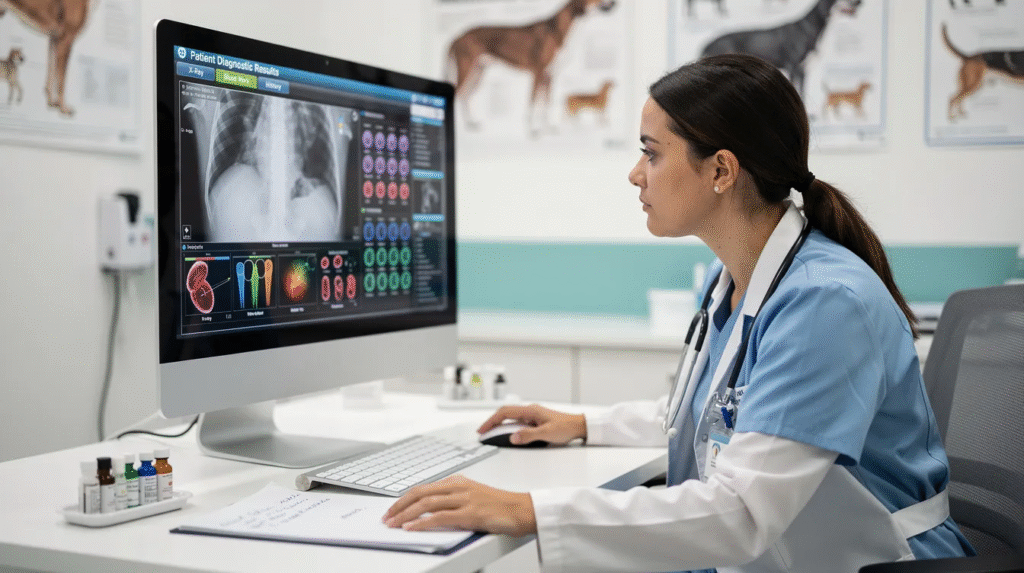
Diagnosis requires a multi-step approach: thorough clinical examination including the horse’s history, physical exam, performance evaluation, and sometimes diagnostic anesthesia. No single test tells the whole story.
History-taking covers age, breed, workload, onset of signs, prior injuries, saddle fit checks, and any changes in rider, training intensity, or footing. This context helps veterinarians understand whether signs developed suddenly or gradually.
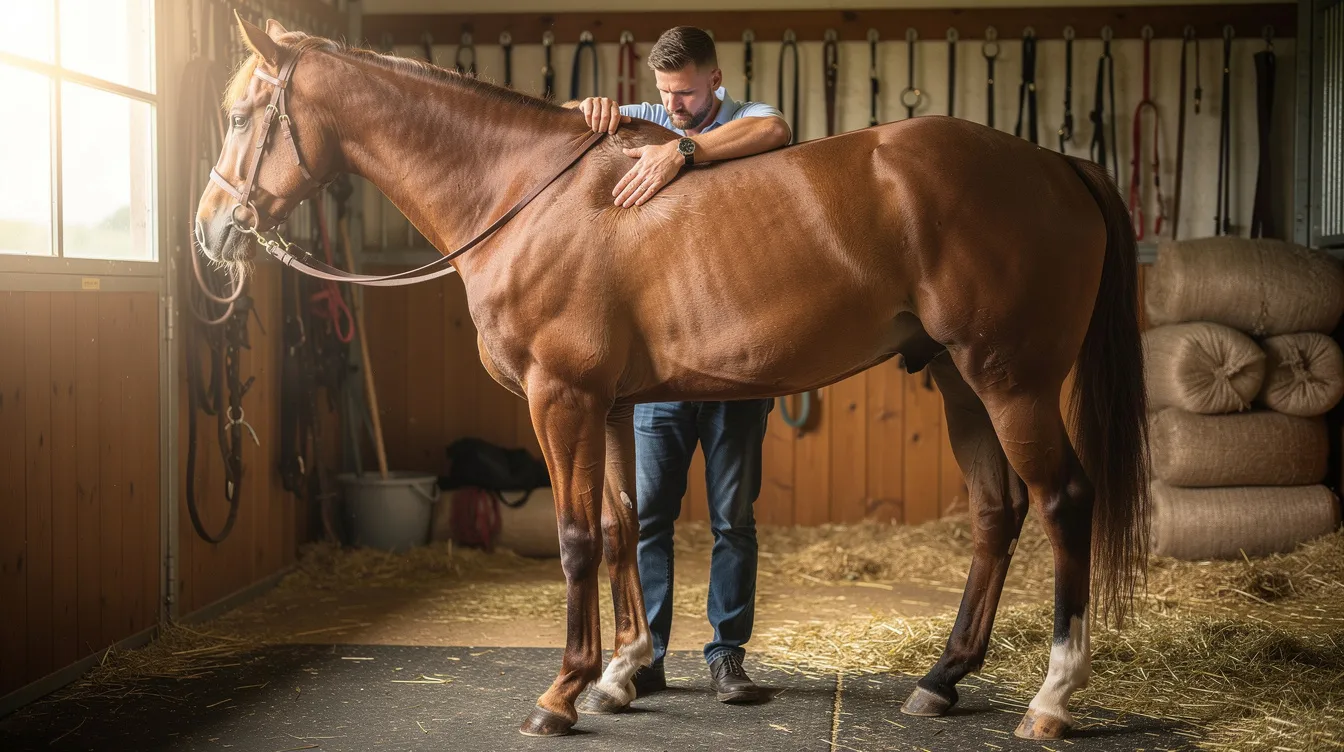
Physical examination includes palpation of the back, observing reactions to pressure, assessing range of motion (flexion and extension), checking muscle tone and symmetry, and evaluating for concurrent limb lameness or sacroiliac pain. Many horses with kissing spine show muscle relaxation issues and asymmetric topline development.
Dynamic assessment in-hand, on the lunge, and under saddle scrutinizes stride length, back suppleness, canter rhythm, bending resistance, and transitions. Many affected horses tolerate trot but show disunity at canter.
Diagnostic anesthesia involves injecting local anesthetic between suspect spinous processes to confirm causality. If the sedated horse shows improved performance within minutes, it supports an accurate diagnosis of pain originating from those vertebrae involved.
Critically, studies show 30-40% of asymptomatic horses have radiographic kissing spines. Imaging findings must be matched with clinical signs to diagnose kissing spines accurately and avoid over-diagnosis. Tufts Cummings School of Veterinary Medicine emphasizes this multimodal approach in veterinary medicine.
CompanAIn’s secure vet portal allows sharing images, reports, and timelines between owners, primary vets, and specialists, supporting coordinated decision-making.
Treatment options for kissing spine
Treatment is individualized based on severity, the number of affected vertebrae, and clinical response. The good news: many horses do well with conservative management alone, with studies reporting 80%+ improvement in responsive cases.
Anti-inflammatory medications such as NSAIDs (phenylbutazone) provide short-term pain control during initial treatment phases.
Steroid injections of corticosteroids and local anesthetics between affected spinous processes reduce inflammation and relieve tension. These may be repeated every 4-6 weeks as needed.
Physical therapy modalities include:
- Mesotherapy (superficial back injections)
- Extracorporeal shockwave therapy (3-5 sessions)
- Therapeutic laser and TENS
- Muscle relaxants as prescribed
Integrative therapies such as acupuncture, chiropractic adjustments, and osteopathy complement vet-led plans and can improve posture and mobility. These should support, not replace, veterinary diagnosis and treatment.
Exercise-based rehabilitation is crucial for building back and abdominal muscles:
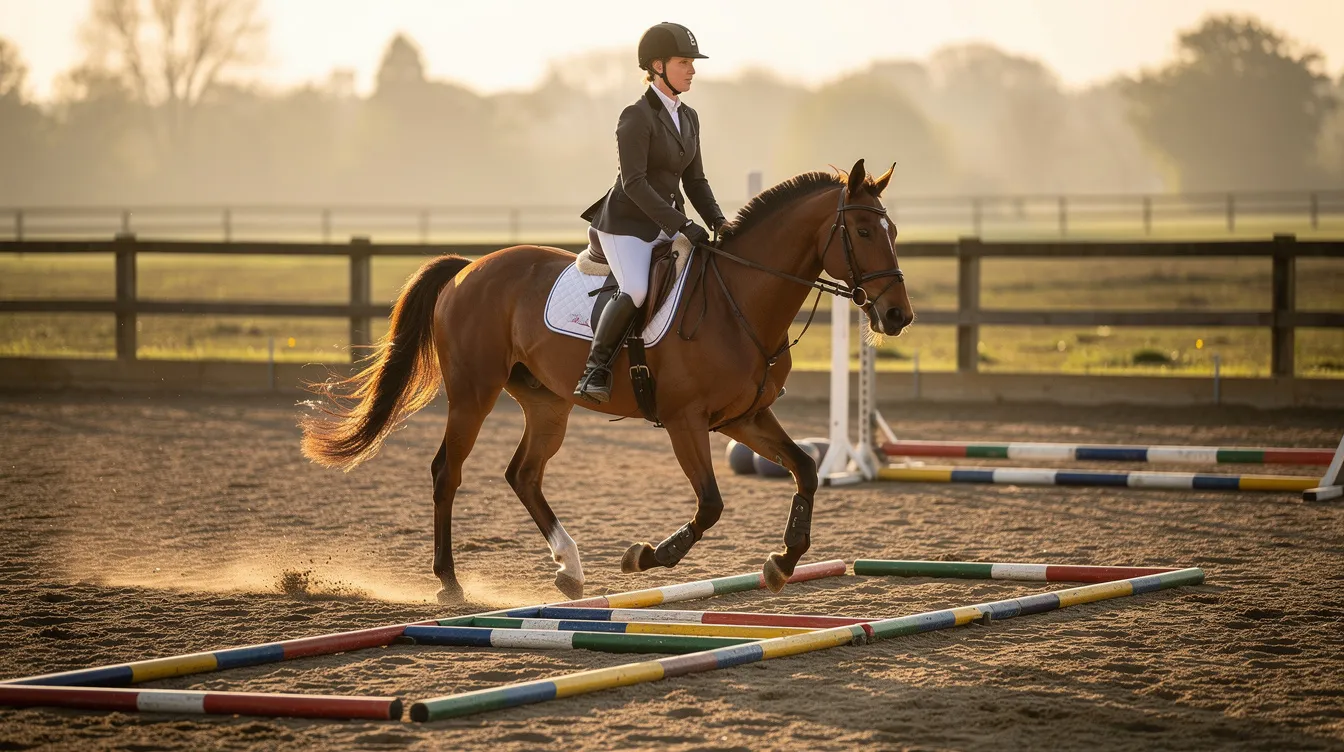
- Raised poles and cavaletti work
- Hill work in a relaxed frame
- Long and low outlines
- In-hand transitions
- Aquatread or swimming to rebuild topline without overload
Saddle fitting deserves its own attention. Poor saddle fit contributes to both causing pain and preventing recovery. Work with a qualified fitter to adjust tree width, flocking, and pads. Re-evaluate fit as your horse’s musculature changes during rehab. Correct saddle fit is non-negotiable for keeping your horse comfortable.
Concurrent issues like hindlimb lameness, hock arthritis, sacroiliac disease, or gastric ulcers affecting other joints must be addressed alongside back therapy. Kentucky Equine Research emphasizes this holistic approach.
CompanAIn helps owners record each treatment—injection dates, NSAID courses, bodywork sessions—and track response over weeks and months, identifying what works best.
Kissing spine surgery in horses
Surgical intervention is reserved for horses with significant pain or performance limitation that don’t respond sufficiently to conservative treatment, or where imaging shows severe cases with marked overriding spinous processes.
Interspinous ligament desmotomy (ISLD) is the most common procedure:
- The surgeon cuts the interspinous ligaments to reduce tension and allow more space between processes
- Commonly performed under standing sedation with small incisions
- Recovery involves stall rest for approximately two weeks, controlled hand-walking, then progressive controlled exercise
- Published success rates reach 80-90% returning to work
Ostectomy procedures (cranial wedge or partial bone shave) involve removing small portions of one or more spinous processes to eliminate bone-on-bone contact:
- Can be performed standing or under general anesthesia depending on the case
- One cohort of 22 horses showed 77% full athletic return at one year post-op
- Risks include infection (5-10%), delayed healing, or altered biomechanics
Some horses undergo a combination of ISLD and ostectomy when both ligament and severe bony changes exist.
Realistic expectations for owners:
- Several months off from full work
- Phased rehabilitation plan
- Some horses return at a lower level or change disciplines
- Diligent post-operative care is essential
Work with your surgeon and rehabilitation team to create a written post-operative plan. Store this plan, progress notes, and videos in your CompanAIn account for easy reference and sharing with your veterinary team.
Rehabilitation, long-term management & prognosis
Kissing spine is often a condition that can be “managed” long-term, even if underlying bony changes remain. Consistency in conditioning, saddle fit, and monitoring makes the difference between a horse comfortable in work and one struggling with low grade pain.
Rehabilitation typically follows three phases:
Phase | Focus | Activities |
|---|---|---|
1 | Pain control | Stall rest, gentle hand-walking, proprioceptive exercises |
2 | Core engagement | In-hand and lunge work over poles, long and low outline, activating core muscles and abdominal muscles |
3 | Return to work | Gradual ridden sessions starting at walk/trot, adding canter and collected work |
Signs rehab is progressing well:
- Improved topline development
- Smoother transitions
- Fewer negative behaviors
- Willingness to engage hindquarters
Red flags warranting re-evaluation:
- Return of bucking or resistance
- Marked soreness on palpation
- New lameness developing
Prognosis data shows most horses (over 80% in some series) can return to some level of ridden work. Factors that worsen prognosis include multiple vertebrae involved, severe overlap, very young age at diagnosis, and concurrent orthopedic disease.
Day-to-day management strategies:
- Regular saddle checks (at least every 6-12 months)
- Warm-up and cool-down routines that promote relaxation
- Avoiding repetitive high-impact exercises without conditioning
- Routine check-ins with vet, physio, or bodyworker
CompanAIn supports long-term management by logging exercise types and duration, uploading vet notes, tracking pain scores, and generating summaries for follow-up visits. Think in months and years rather than days when planning rehabilitation plans.
Prevention and early intervention strategies
Not all cases can be prevented—especially those with strong genetic or conformational components—but thoughtful management can lower risk and reduce severity of horses developing kissing spines.
Training strategies:
- Back young horses gradually, avoiding heavy collection until closer to skeletal maturity
- Focus on correct posture, encouraging the horse to lift through the back rather than traveling hollow
- Incorporate varied pole work, hill work, and stretching exercises
- Avoid prolonged work in incorrect frames
Equipment considerations:
- Professional saddle fitting with periodic re-checks
- Appropriate pads that distribute rider’s weight evenly
- Recognizing when musculature changes demand adjustments
Farriery matters too. Discuss hind hoof angles with your vet and farrier—negative plantar angles can encourage a hollow back posture and compensatory back pain.
General wellness factors:
- Maintain healthy body condition (neither obese nor underweight)
- Address pain sources like ulcers or limb issues before they alter back use
- Regular veterinary science-based wellness checks
Act early on subtle resistance or mild back sensitivity rather than waiting for overt bucking or refusal. Early assessment shortens rehab and limits progression of fibrous tissue and bony changes. CompanAIn’s symptom logs and trend visualization help spot patterns pointing to emerging back problems, prompting earlier veterinary evaluation. Other methods of tracking simply don’t capture the same longitudinal view.
Frequently asked questions about kissing spine
Can a horse with kissing spine live and work comfortably? Yes. With appropriate management, horses with kissing spines often live and work comfortably for years. The exact cause of symptoms matters less than finding what keeps your individual horse comfortable.
Is it safe to ride a horse with kissing spine? Many managed horses do hacking, low-level dressage, or jumping comfortably. Follow your treating veterinarian’s recommendations regarding workload, footing, and frequency. Your horse’s comfort should guide decisions.
Does kissing spine always require surgery? No. Conservative management suffices in 80%+ of cases. Non invasive treatments including exercise therapy, injections, and saddle adjustments work well for most horse owners dealing with this condition.
How long does recovery take after kissing spine treatment? Recovery varies from weeks for injection-based approaches to 3-6 months for full return to work after surgery. Most horses show gradual improvement rather than sudden resolution.
Will my horse’s kissing spine get worse over time? Not inevitably. With monitoring and management, progression isn’t certain. Unmanaged cases may worsen, but proactive care often stabilizes or improves the situation.
Is kissing spine hereditary—should I breed a horse that has it? Evidence from genomic studies confirms a hereditary component. Discuss breeding decisions with a vet or breeding specialist, as passing on conformational predispositions is a real consideration.
What’s the difference between back pain from saddle fit and kissing spine? Saddle-fit pain typically causes localized pressure reactions and girthiness that improves with equipment changes. Kissing spine involves bony changes visible on imaging. Diagnostics distinguish between them—the spinal cord and spinous process involvement differs from soft-tissue pressure.
When should I seek a second opinion or referral? Consider specialist referral for persistent or ambiguous cases, severe pain not responding to treatment, or when surgery is recommended. CompanAIn helps you prepare for these visits with symptom and training summaries.
Ready to track your horse’s back health more effectively? CompanAIn’s health timeline and symptom logging features help you spot patterns, prepare for vet visits, and stay on top of your rehabilitation plan. Start documenting today so you can give your veterinary team the complete picture they need.
References & further reading
- UC Davis Center for Equine Health. “Kissing Spines.” https://ceh.vetmed.ucdavis.edu/health-topics/kissing-spines
- Tufts Cummings School of Veterinary Medicine. “Surgical Management of Kissing Spines.” https://vet.tufts.edu/news-events/news/surgical-management-kissing-spines
- Kentucky Equine Research. “Correcting Kissing Spines in Horses.” https://ker.com/equinews/correcting-kissing-spines-horses/
- MSD Veterinary Manual. “Disorders of Spinal Processes and Associated Ligaments in Horses.” https://www.msdvetmanual.com/musculoskeletal-system/disorders-of-the-back-and-pelvis-in-horses/disorders-of-spinal-processes-and-associated-ligaments-in-horses
- Horse & Hound. “Kissing Spines in Horses: Vet Advice.” https://www.horseandhound.co.uk/horse-care/vet-advice/kissing-spines-horses-58084
- Pilati et al. (2025). Review on Impinging/Overriding Spinous Processes in Horses. Animals journal.
This article was created to complement, not replace, the advice of a veterinarian who has examined your specific horse. Always consult your vet team for diagnosis and treatment decisions.