
Bringing home a puppy or kitten transforms your household overnight. That tiny ball of energy bouncing off your furniture or the timid shadow hiding under the couch represents both pure joy and a steep learning curve. Questions flood in faster than you can Google them: Is this breathing pattern normal? Should their poop look like that? Why won’t they eat?
The first weeks establish foundations that shape your companion’s entire life. Nutrition choices affect growth trajectories. Early socialization windows close permanently. Health issues caught early prevent complications that plague pets for years.
This guide answers the questions that keep new pet parents awake at 3 AM—from feeding schedules to vaccine timelines, from behavioral red flags to emergency warning signs.
Ready to replace anxiety with confidence? Discover how CompanAIn’s multi-agent AI platform tracks your puppy or kitten’s development in real-time, spotting subtle changes before they become problems.
When Should I Schedule My Puppy or Kitten's First Vet Visit?
Your new companion needs veterinary examination within 48 to 72 hours of arriving home. Conditions develop rapidly in young animals—a puppy appearing healthy at eight weeks might harbor parasites or congenital issues that surface days later. Veterinarians emphasize that early veterinary care establishes baseline health and catches problems when they’re most treatable.
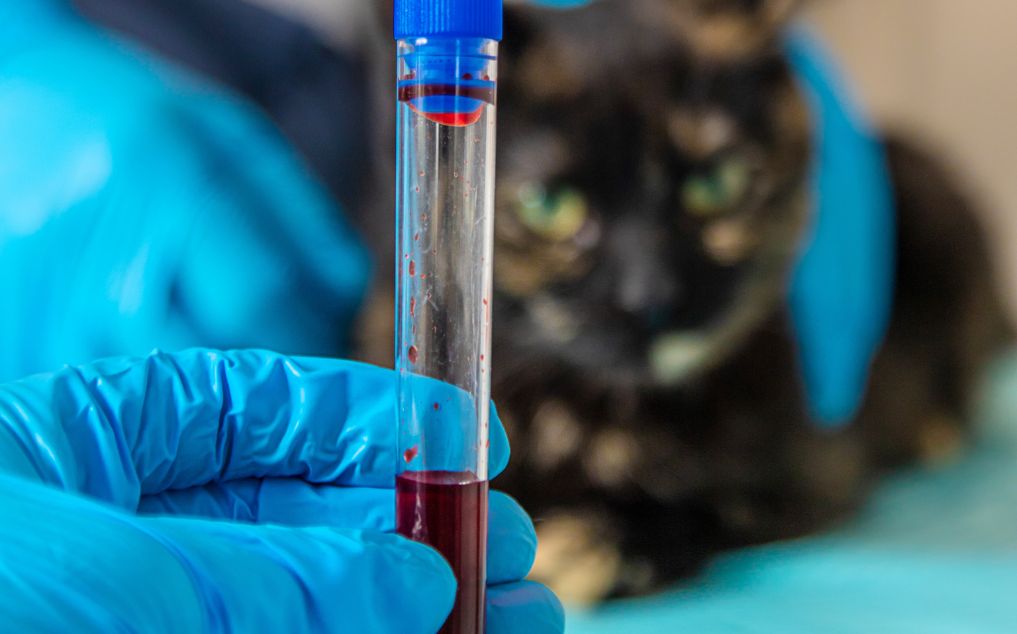
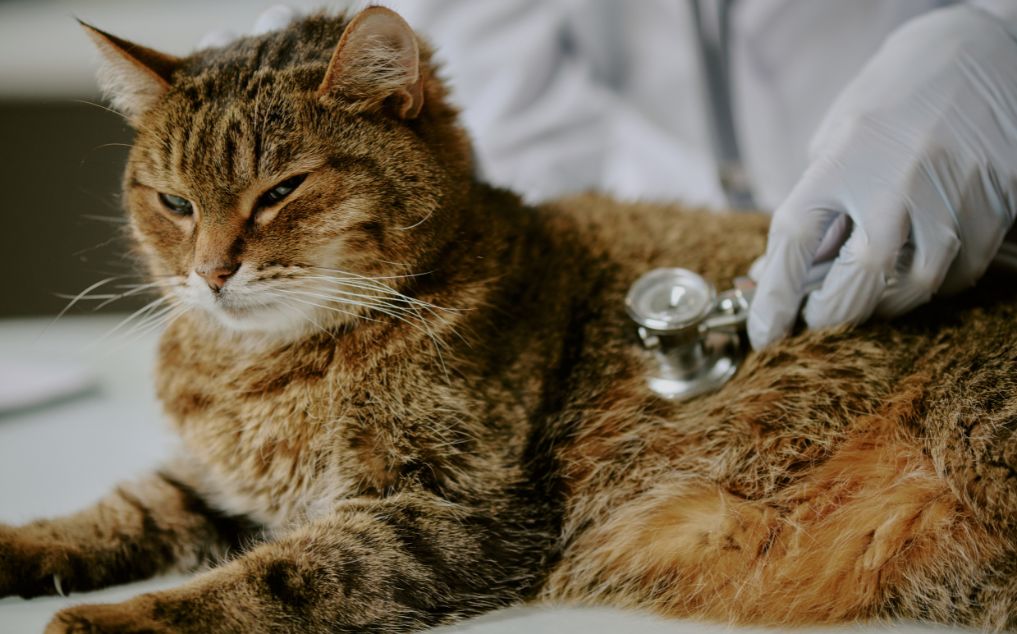
Your veterinarian will conduct a comprehensive physical examination checking heart sounds, breathing patterns, body condition, and developmental markers. Fecal testing screens for intestinal parasites—extremely common in young animals even from clean environments.
This visit establishes your pet’s permanent medical record and begins the vaccination schedule. CompanAIn transforms this initial visit into the foundation of lifelong health tracking. Upload your veterinarian’s notes directly, and the Health Analyzer Agent establishes baseline metrics—tracking weight gain patterns, vaccination schedules, and developmental milestones.
What Vaccination Schedule Do Puppies and Kittens Need?
Vaccination protocols protect against widespread diseases. Young animals possess immature immune systems that leave them vulnerable to viruses their mothers’ antibodies can’t fully neutralize.
Puppies typically receive their first combination vaccine (DHPP) between six and eight weeks, with boosters every three to four weeks until 16 weeks. This protects against distemper, hepatitis, parvovirus, and parainfluenza—all potentially fatal. Rabies vaccination typically occurs between 12 and 16 weeks as legally required, with specific timing depending on state requirements.
Kittens receive FVRCP vaccines starting at six to eight weeks, protecting against feline viral rhinotracheitis, calicivirus, and panleukopenia. Boosters follow the same schedule through 16 weeks, with rabies around 12 to 16 weeks.
Maternal antibodies provide temporary protection but interfere with vaccine effectiveness. The booster schedule ensures continuous protection as maternal immunity wanes. Missing doses leaves dangerous gaps during the most vulnerable period.
CompanAIn’s specialized agents automatically track vaccination schedules. The Recommendation Engine sends alerts two weeks before each booster is due and flags missed appointments, ensuring continuous protection.
How Much Should I Feed My New Puppy or Kitten?
Young animals need significantly more calories per pound than adults because they’re building tissue at extraordinary rates. Too little stunts growth. Too much causes rapid weight gain that strains joints and predisposes to obesity.
Look for foods labeled “for growth” meeting Association of American Feed Control Officials (AAFCO) nutritional profiles. Start with manufacturer’s guidelines based on current and expected adult weight, then adjust based on body condition.
Most puppies thrive on three meals daily until six months, transitioning to twice daily afterward. Kittens grow explosively during their first six months, requiring two to three times more calories per pound than adult cats. Free-feeding works better for kittens, though monitoring prevents overeating.
Weekly weight checks provide the most reliable indicator that feeding amounts are appropriate. You should feel ribs easily under a thin layer of fat but not see them protruding.
CompanAIn’s Data Aggregator Agent logs weight measurements and automatically plots them against breed-standard growth curves. The platform alerts you if trajectories deviate from expected patterns—catching underfeeding or overfeeding before it impacts long-term health. Input each meal’s amount and the AI correlates feeding patterns with growth rates, energy levels, and stool quality.
What's Normal Puppy and Kitten Behavior, and What's Concerning?
Young animals exhibit behaviors that alarm first-time pet parents but represent completely normal development. Learning to distinguish typical antics from warning signs prevents unnecessary panic while ensuring real issues get addressed.
Puppies sleep 18 to 20 hours daily—essential for proper development. Mouthing and biting are universal as they explore the world. House training accidents should be expected until four to six months.
Kittens engage in wild play sessions that look violent but teach hunting skills. Midnight zoomies reflect their crepuscular nature—most active at dawn and dusk. Kneading behaviors accompanied by purring indicate contentment.
Certain behaviors warrant immediate attention: lethargy beyond normal sleeping, loss of appetite lasting more than one meal, continuous crying beyond adjustment, aggressive fear responses, or difficulty breathing.
CompanAIn’s Living Memory system learns your pet’s individual baseline behaviors and flags deviations. The platform tracks energy levels, play duration, sleep patterns, and appetite across days, identifying subtle shifts that precede obvious illness. When typical play sessions shrink over several days, CompanAIn alerts you to investigate.
When Can My Puppy or Kitten Meet Other Animals?
Socialization windows close rapidly. Dogs who don’t encounter diverse people, animals, and environments before 14 to 16 weeks often develop permanent fear and anxiety. However, unvaccinated puppies and kittens face serious disease risks from exposure.
Carry your puppy to public places without letting them walk where unknown dogs have been. Organize play sessions with known, fully vaccinated adult dogs in controlled environments. The American Veterinary Society of Animal Behavior recommends early socialization benefits outweigh disease risks for puppies who’ve received at least one vaccine set.
Kittens can meet vaccinated adult cats in controlled settings. Research from the American Kennel Club documents that undersocialized dogs show higher rates of aggression and anxiety than those socialized during critical periods.
CompanAIn helps track socialization experiences alongside health metrics. Log each new experience and the Health Analyzer Agent correlates exposures with behavioral responses, alerting you to address fear reactions while the socialization window remains open.
How Do I Know If My Puppy or Kitten Is Sick?
Young animals hide illness instinctively—a survival mechanism where appearing weak attracted predators. This makes detecting problems challenging.
Physical symptoms requiring veterinary attention:
- Vomiting or diarrhea more than once or twice, particularly if bloody
- Coughing or sneezing that might signal respiratory infections
- Discharge from eyes or nose suggesting infection
- Straining to urinate or defecate indicating possible blockage or parasites
- Swollen, hot, or painful limbs requiring immediate attention
- Loss of coordination, seizures, or tremors demanding emergency care
Healthy puppies and kittens radiate enthusiasm. Behavioral changes often precede physical symptoms:
- Hiding behaviors in normally social animals
- Aggression or irritability when handled
- Loss of interest in favorite activities
- Changes in vocalization patterns
- Disrupted sleep beyond normal napping
According to ASPCA veterinary guidelines, these warrant examination even without physical symptoms.
CompanAIn excels at early illness detection through pattern recognition. The platform tracks hundreds of health indicators simultaneously—appetite changes, activity shifts, sleep disruptions, elimination patterns—and correlates them across time. When subtle deviations emerge, CompanAIn alerts you days before symptoms become obvious. The Specialized Pathologist Agent reviews concerning patterns with veterinary oversight.
Why Illness in Puppies and Kittens Escalates Faster Than in Adult Pets
One of the most important differences between young animals and adults is how little physiological margin for error puppies and kittens have. Conditions that would be minor in adult pets can become life-threatening in juveniles within hours.
Why young animals are so vulnerable:
- Immature immune systems can’t fight infections as effectively
- Limited energy reserves mean they can’t sustain illness without rapid intervention
- High surface-area-to-body-weight ratio makes them prone to dehydration and temperature changes
- Single episodes of vomiting or diarrhea can quickly disrupt fluid and electrolyte balance
Why detection is harder:
- Young animals sleep frequently, masking lethargy
- Variable appetites make reduced eating less obvious
- Many juvenile illnesses present behaviorally before physically—reduced play, quieter vocalization, subtle eating changes
- Owners may interpret early signs as normal adjustment
This is why veterinarians emphasize early intervention for young animals. When in doubt, earlier evaluation is almost always safer than waiting. For puppies and kittens, “monitoring” should mean short observation windows with clear thresholds for action, not extended watch-and-wait periods.
What Should I Do About Parasites?
Virtually every puppy and kitten harbors intestinal parasites, regardless of origin. Parasites are ubiquitous where young animals exist.
Common internal parasites:
- Roundworms affect up to 90% of puppies, causing pot-bellied appearance, poor growth, and gastrointestinal upset
- Hookworms attach to intestinal walls and feed on blood, causing anemia. The Centers for Disease Control and Prevention notes hookworm larvae can penetrate human skin
- Tapeworms develop when pets consume fleas
- Coccidia and Giardia cause watery diarrhea
Standard prevention protocol:
- Puppies receive deworming starting at two weeks, continuing every two to three weeks until 12 weeks
- Kittens follow similar protocols starting around three to four weeks
- Monthly heartworm prevention typically begins at eight weeks and continues year-round
- Veterinarian-prescribed flea and tick prevention provides safe, effective protection
CompanAIn tracks parasite prevention schedules automatically, alerting you when monthly preventatives are due and logging fecal test results. If parasites recur despite treatment, the Health Analyzer Agent flags the pattern.
How Do I Puppy-Proof or Kitten-Proof My Home?
Young animals possess boundless curiosity with zero judgment about safety. Preventing emergencies requires viewing your home through the eyes of a creature who considers electrical cords chew toys.
Critical safety hazards to address:
- Electrical cords — Electrocution causes severe burns and cardiac problems. Secure cords behind furniture or use protectors
- Toxic houseplants — Lilies (fatal to cats), sago palms, and azaleas require removal. The ASPCA Poison Control Center maintains a comprehensive toxic plant database
- Small objects — Rubber bands, coins, and toys cause intestinal obstructions requiring emergency surgery
- Medications — One ibuprofen tablet can cause kidney failure in a small puppy. Store securely
- Cleaning products and antifreeze — Lock away all chemicals. Antifreeze tastes sweet but causes fatal kidney failure
- Open windows and balconies — Falling risks, particularly for fearless kittens
Rather than making your entire home off-limits, establish safe exploration zones. Puppy pens or gated rooms allow freedom while preventing access to dangerous areas when you can’t supervise.
What's the Most Important Thing for My New Puppy or Kitten?
Among all the advice and protocols, one action creates more long-term health impact: establishing systematic health monitoring from day one.
Traditional pet care operates reactively—you notice symptoms, then seek help. By then, conditions have often progressed significantly. The most successful pet parents shift to proactive approaches, tracking patterns and correlating symptoms with diet and activities.
CompanAIn’s multi-agent system provides:
- Data Aggregator Agent — Consolidates veterinary records, daily observations, growth measurements, and medication logs
- Health Analyzer Agent — Identifies correlations and patterns invisible to human observation
- Recommendation Engine — Generates personalized guidance based on your pet’s individual trajectory and breed-specific risks
- Specialized Pathologist Agent — Reviews complex cases with veterinary oversight
This Living Memory system learns your pet’s unique baseline and flags deviations. When your kitten’s overnight sleep extends subtly or your puppy’s stool changes, CompanAIn correlates it with recent dietary adjustments. You catch problems days or weeks earlier than through casual observation, arriving at veterinary appointments with comprehensive data that accelerates diagnosis.
Ready to transform anxiety into confidence during these crucial first months? Explore how CompanAIn’s specialized AI agents provide continuous monitoring and personalized guidance that sets your puppy or kitten up for lifelong health.