
That midnight scratching session is no coincidence. Your dog paws at their ears relentlessly, your cat licks patches raw on their belly, or your horse rubs their mane threadbare against fence posts. These behaviors signal something deeper than simple irritation—your companion might be battling allergic reactions that transform comfortable living into constant discomfort.
Allergies represent one of the most widespread health challenges facing pets today, affecting skin, respiratory function, and overall quality of life. This comprehensive guide answers the questions pet owners ask most frequently about allergic reactions and dermatological conditions affecting dogs, cats, and horses.
Struggling to identify patterns in your pet’s allergic reactions? Discover how CompanAIn’s AI-powered platform tracks symptoms over time, correlates environmental factors with flare-ups, and provides personalized insights that help you manage your companion’s condition effectively.
What Causes Allergic Reactions in Pets?
Allergic responses occur when immune systems mistakenly identify harmless substances as dangerous invaders. When allergens contact skin, enter airways, or pass through digestive systems, specialized immune cells release histamine and other chemicals that trigger inflammation, itching, swelling, and discomfort.
Environmental allergens dominate the allergy landscape. Pollen from trees, grasses, and weeds creates seasonal reactions during spring and fall. Dust mites thrive in bedding and carpets year-round. Mold spores flourish in damp environments, affecting pets in humid climates.
Insect-related allergies create intense reactions from minimal exposure. According to veterinary dermatology research, a single flea bite can cause dramatic reactions in animals with flea allergy dermatitis. For horses, biting midges cause “sweet itch,” where affected horses scratch themselves raw along the mane and tail base.
Food sensitivities prove less common but create persistent problems. Proteins trigger most food allergies—beef, dairy, chicken, and wheat rank among frequent culprits in dogs and cats.
Contact allergies emerge when skin directly touches irritating substances like shampoos, medications, or cleaning products.
Ready to stop guessing what triggers your pet’s reactions? CompanAIn’s multi-agent AI system correlates symptoms with environmental changes, dietary shifts, and seasonal patterns, revealing hidden connections between exposures and flare-ups.
How Do I Recognize Allergy Symptoms in Dogs?
Canine allergic reactions manifest primarily through skin disturbances rather than respiratory symptoms.
Persistent scratching represents the most obvious indicator. Dogs may scratch specific areas—paws, face, ears, armpits, groin—or experience generalized itching. According to veterinary dermatology research, the intensity distinguishes allergic itching from normal grooming.
Paw licking and chewing signals localized reactions. Environmental allergens contact paw pads during outdoor activities, triggering intense itching. Dogs lick and chew obsessively, creating red, inflamed skin or removing hair entirely.
Ear problems accompany many allergic conditions. The ear canal becomes inflamed, promoting yeast and bacterial overgrowth. Signs include head shaking, ear scratching, redness, discharge, or odor.
Skin changes provide visual confirmation—red, inflamed patches, rash-like appearance, thickening, or discoloration. Hair loss occurs in areas of intense scratching. Hot spots develop as acutely inflamed lesions that expand rapidly.
Hives emerge as raised welts appearing suddenly, typically developing within 6 to 24 hours after exposure.
Dogs typically develop allergies between six months and three years of age. Symptoms often worsen progressively without treatment.
What Allergy Symptoms Should I Watch For in Cats?
Feline allergic reactions present differently than canine allergies, creating diagnostic challenges for owners.
Excessive grooming tops the symptom list. Allergic cats lick specific areas obsessively—belly, inner thighs, base of tail—creating visible hair loss and raw, inflamed skin. According to feline dermatology specialists, cats with allergies may develop eosinophilic granulomas—raised, red lesions on lips, thighs, or abdomen.
Miliary dermatitis creates distinctive scabbed patterns across feline skin. These tiny, crusty bumps feel like sandpaper, appearing around the head, neck, and back.
Scratching and head shaking accompany ear and face allergies. Cats scratch ears vigorously, sometimes causing bleeding wounds.
Respiratory signs appear more commonly in cats than dogs. Feline asthma develops from inhaled allergens irritating airways. Affected cats cough, wheeze, or breathe with visible effort.
Behavioral changes signal discomfort. Allergic cats become irritable, hiding more or showing decreased interest in play.
Food allergies produce gastrointestinal symptoms alongside skin problems—vomiting, diarrhea, and flatulence occurring with itchy skin suggest dietary triggers.
How Do Allergies Affect Horses?
Equine allergic reactions create distinct challenges given horses’ outdoor environments and seasonal exposure patterns.
Sweet itch (insect bite hypersensitivity) is the most recognizable equine allergy. Affected horses scratch the mane, tail head, and withers obsessively, creating distinctive hair loss patterns. According to equine dermatology research, sweet itch begins seasonally during warm months and worsens annually.
Hives (urticaria) appear as raised welts—round bumps ranging from coin-sized to palm-sized. They emerge suddenly after allergen exposure and typically resolve within 24 to 48 hours.
Respiratory allergies create airway inflammation (equine asthma). Affected horses cough, develop nasal discharge, breathe with increased effort, and show exercise intolerance.
Eye inflammation develops from pollen and airborne irritants, creating red, swollen eyelids with discharge.
Why Symptoms Don't Always Match the Trigger
One of the most confusing aspects of pet allergies is that the flare-up rarely happens at the moment of exposure. Many allergic reactions are delayed, cumulative, or threshold-based, which makes cause-and-effect nearly impossible to spot without longitudinal tracking.
Unlike immediate allergic responses, most atopic and environmental allergies build quietly. Repeated low-level exposure to pollen, dust mites, or molds gradually primes the immune system. Symptoms only appear once inflammation crosses a threshold—sometimes days or even weeks after the original trigger.
This delay explains why owners often misidentify triggers. The food blamed for itching may be coincidental, while pollen exposure peaked a week earlier. A flare-up blamed on cold weather may actually reflect indoor dust mite accumulation after windows closed.
There’s also a stacking effect. Multiple mild allergens—none severe on their own—can combine to overwhelm the immune system. A dog tolerates grass pollen, dust, and flea exposure individually, but develops severe itching when all three overlap.
Understanding allergies requires shifting from “What caused this today?” to “What patterns led here over time?”
Can Allergies Be Cured or Only Managed?
Pet allergies require lifelong management rather than permanent cure. Once immune systems develop hypersensitivity to specific allergens, that reactivity persists indefinitely.
Management focuses on three strategies: allergen avoidance, immune system modulation, and symptom control.
Allergen avoidance works best for contact and food allergies where triggers can be eliminated. Environmental allergen avoidance proves more challenging.
Immunotherapy (allergy shots or sublingual drops) represents the closest approach to modifying responses. Veterinarians identify specific allergens through testing, then create customized immunotherapy. According to equine allergy specialists, immunotherapy can take up to 12 months to determine effectiveness.
Symptomatic treatment controls discomfort through antihistamines, corticosteroids, newer targeted therapies like Apoquel and Cytopoint, omega-3 fatty acids, and topical treatments.
CompanAIn’s real-time monitoring detects subtle changes, flagging concerning trends before owners consciously register problems.
How Are Pet Allergies Diagnosed?
Definitive diagnosis requires systematic investigation eliminating other conditions that produce similar symptoms.
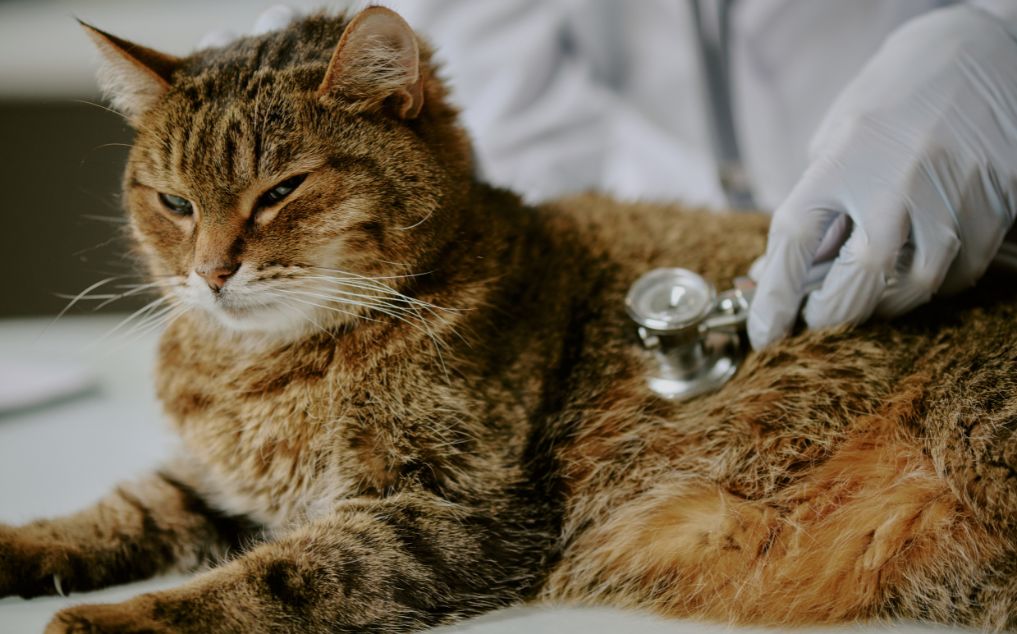
Veterinary examination identifies skin changes, examines ear canals, evaluates respiratory function, and rules out parasites, fungal infections, or bacterial problems.
Parasite elimination comes first. Veterinarians verify effective flea prevention and perform skin scrapings checking for mites.
Food allergy trials (elimination diets) represent the gold standard for identifying food sensitivities. The process requires feeding novel protein sources for 8 to 12 weeks. During trials, animals eat absolutely nothing else. If symptoms resolve, veterinarians reintroduce previous foods individually.
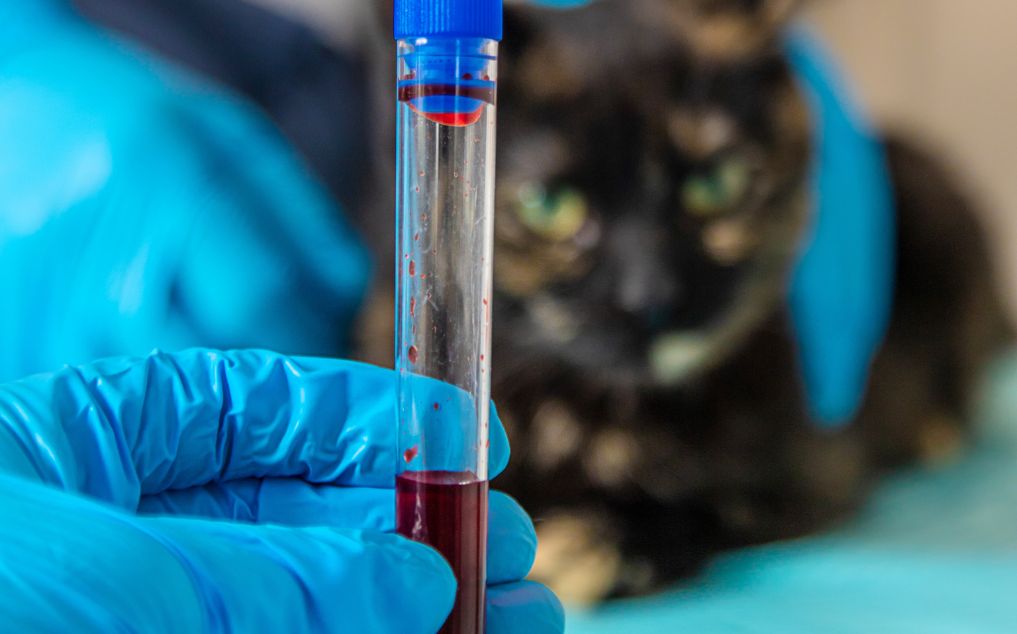
Allergy testing identifies environmental allergens through intradermal skin testing or blood serology. Results guide immunotherapy formulation and allergen avoidance strategies.
Secondary infection diagnosis proves essential because allergic skin invites bacterial and yeast overgrowth.
What Treatment Options Exist for Pet Allergies?
Effective management combines multiple approaches tailored to individual animals and symptom severity.
Allergen avoidance provides the most straightforward solution when practical. Discontinuing allergenic foods eliminates food allergy symptoms.
Antihistamines block histamine receptors, interrupting allergic cascade. Common options include diphenhydramine, cetirizine, and hydroxyzine.
Corticosteroids rapidly suppress immune responses. Short-term use treats acute flare-ups safely. Long-term administration requires monitoring for side effects.
Targeted immune therapies like Apoquel and Cytopoint revolutionized canine treatment, controlling symptoms with fewer side effects than traditional steroids.
Omega-3 fatty acid supplementation supports skin health and reduces inflammation. Effects take 4 to 6 weeks, requiring consistent supplementation.
Topical treatments address affected skin directly. Medicated shampoos containing chlorhexidine or oatmeal-based ingredients soothe irritation.
Immunotherapy offers long-term management for environmental allergies. Success rates reach approximately 60 to 80%.
Environmental modifications reduce allergen exposure through air purification, frequent cleaning, and humidity control.
How Can I Prevent Allergic Reactions in My Pet?
While allergic tendencies can’t be prevented, owners can minimize exposure and reduce symptom severity.
Flea prevention ranks as the single most important measure. Year-round flea prevention protects sensitive pets. Environmental control including vacuuming and washing bedding eliminates flea populations.
Diet management prevents food allergy development. For animals with confirmed food allergies, strict dietary consistency prevents exposure to triggering ingredients.
Environmental control reduces allergen exposure through HEPA air purifiers, regular vacuuming, washing bedding weekly, and wiping paws after outdoor exposure.
For horses, prevention focuses on insect control—eliminating standing water, using fans in stalls, and applying fly sheets during peak seasons.
Early intervention when symptoms first appear prevents chronic sensitization. Addressing initial symptoms aggressively prevents escalation requiring more treatment.
Seasonal preparation allows preventive treatment before symptoms emerge.
Can AI Help Manage Pet Allergies More Effectively?
Traditional allergy management relies on owner observations reported during periodic veterinary visits—an inherently subjective system prone to gaps and inaccuracies.
Artificial intelligence transforms reactive management into proactive pattern recognition, creating unprecedented visibility into pet health trajectories.
Multi-agent AI systems deploy specialized algorithms working collaboratively. Data Aggregator Agents parse veterinary records and symptom logs into searchable datasets. Health Analyzer Agents identify correlations invisible to human observation—detecting that scratching increases after grass cutting, or respiratory symptoms worsen at specific humidity levels.
Real-time symptom tracking replaces retrospective memory. AI-powered monitoring produces precise metrics revealing patterns—perhaps nighttime scratching correlates with bedding type, or symptom severity cycles with weather patterns.
Living Memory systems build permanent health timelines. When flare-ups occur months after successful control, these platforms immediately reference what worked previously.
Predictive analytics identify developing problems before clinical symptoms emerge.
Environmental correlation connects symptom patterns with weather, pollen counts, and household factors, enabling targeted prevention.
CompanAIn’s multi-agent AI platform transforms how pet owners and veterinarians collaborate managing chronic conditions, replacing guesswork with precision through earlier intervention and optimized treatment strategies.
What's the Difference Between Allergies and Other Skin Conditions?
Many skin problems produce symptoms resembling allergic reactions, creating diagnostic confusion.
Parasitic infestations mimic allergic itching but stem from organisms living on or in skin. Fleas cause intense scratching around tail bases and hindquarters. Mites create severe itching with characteristic distribution patterns.
Bacterial and fungal infections produce inflamed, itchy skin. Bacterial folliculitis creates pus-filled bumps and crusted lesions. Yeast infections produce greasy, malodorous skin.
Critical distinction: infections often develop secondarily to allergies. Chronic scratching damages skin, allowing bacteria and yeast to proliferate.
Autoimmune diseases occur when immune systems attack the body’s own tissues. Pemphigus and lupus create skin lesions and ulcers.
Hormonal imbalances produce poor coat quality and hair loss but typically lack the intense itching characterizing allergies.
Behavioral problems cause self-trauma resembling allergic scratching. Obsessive-compulsive disorders damage skin through anxiety-driven behaviors.
The monitoring distinction comes through pattern recognition. Allergies typically follow predictable patterns—seasonal worsening, correlation with exposures, response to antihistamines or steroids.
Making Informed Decisions About Pet Allergy Management
Allergic reactions transform pet ownership from simple companionship to active health management requiring knowledge, commitment, and systematic approaches. The scratching, licking, and rubbing that characterize allergic symptoms signal genuine discomfort demanding more than symptomatic treatment—they require understanding underlying causes and implementing comprehensive management strategies.
Modern pet care has evolved beyond reactive veterinary visits addressing obvious problems. Today’s most effective approaches combine traditional veterinary expertise with continuous monitoring, data-driven insights, and proactive intervention. By documenting symptoms systematically, correlating environmental factors with health patterns, and optimizing treatments through objective measurement rather than subjective impression, pet owners achieve dramatically better outcomes.
The difference between managing allergies adequately and managing them optimally often comes down to information quality. Knowing precisely when symptoms began, what exposures preceded flare-ups, and how treatments actually affected outcomes enables veterinarians to make better recommendations and owners to implement more effective strategies.
Ready to transform how you manage your pet’s allergic conditions? Explore CompanAIn’s AI-powered platform and discover how multi-agent health monitoring creates better outcomes through earlier detection, optimized treatments, and comprehensive correlation analysis that reveals connections traditional observation misses.