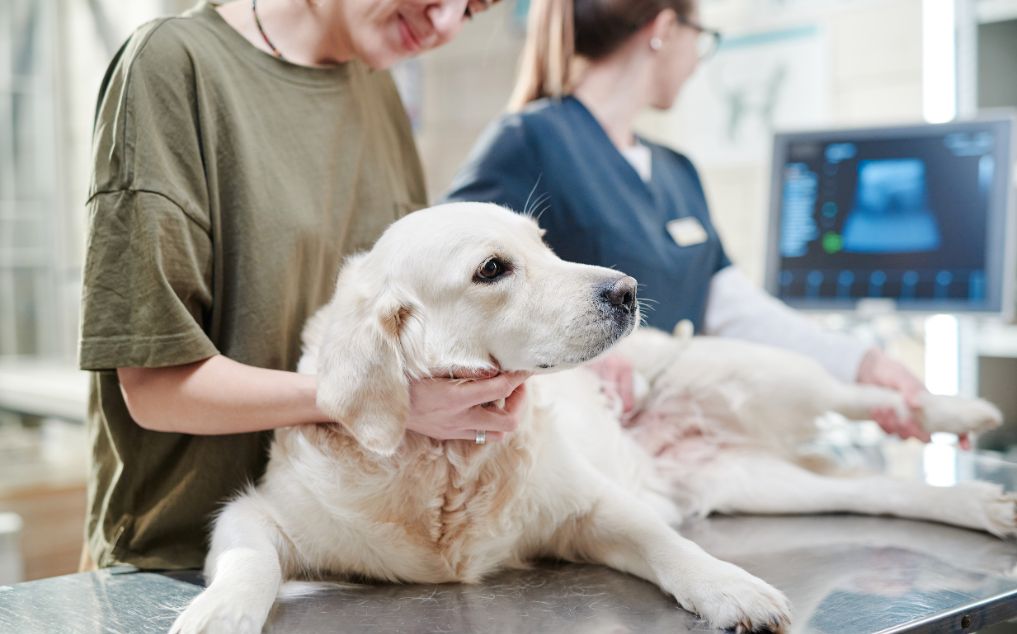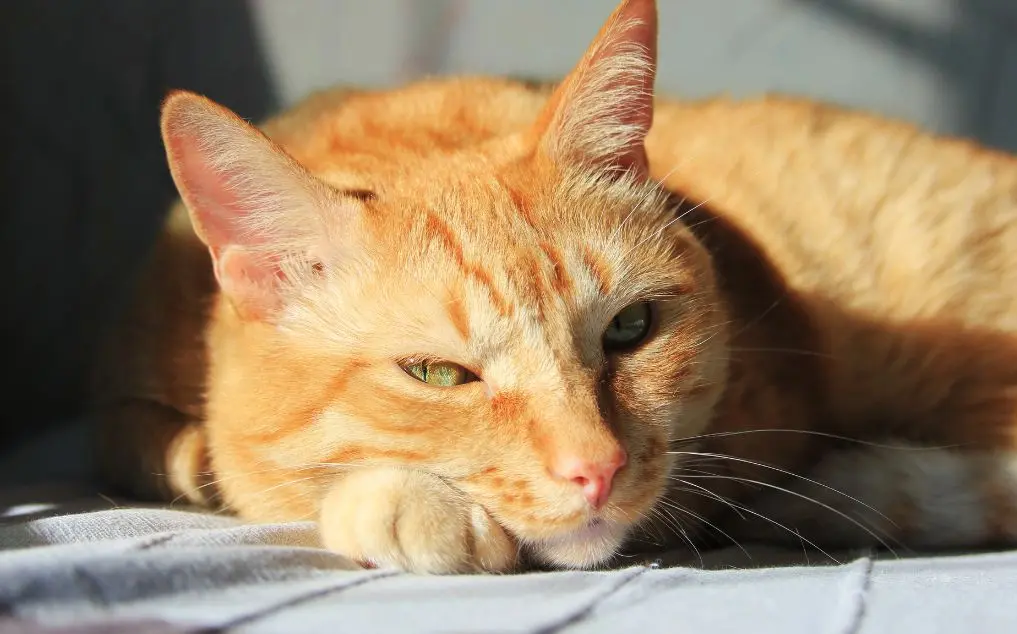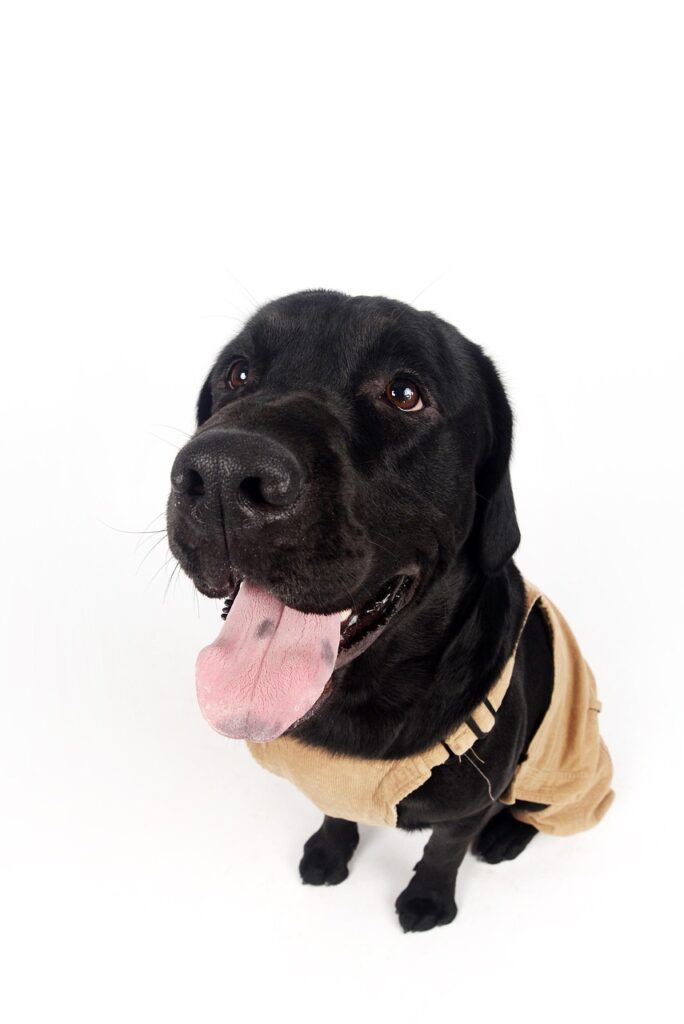

Your dog skips breakfast for the third morning this week. Your cat leaves mysterious puddles outside the litter box. Your horse paws the ground, glancing anxiously at his flank. These aren’t isolated incidents—they’re your animals signaling digestive problems.
Gastrointestinal issues rank among the most frequent reasons pet owners visit veterinarians. Understanding what triggers digestive upset in dogs, cats, and horses transforms concerned observation into informed action.
This FAQ addresses what’s normal versus concerning, when discomfort becomes an emergency, and how to support gut health before problems develop.
Struggling to identify patterns in your pet’s digestive symptoms? Discover how CompanAIn’s AI-powered health tracking correlates diet changes, environmental factors, and symptom progressions in real-time, giving veterinarians the comprehensive data they need for accurate diagnoses.
Understanding the Basics: How Different Species Digest Food
Dogs: The Opportunistic Omnivore's Gut
Dogs evolved to process varied foods quickly, extracting nutrients from both meat and plant materials. Their stomachs hold food for four to twelve hours depending on meal size, then move it through roughly seventy feet of intestines for absorption.
The canine small intestine comprises about twenty-five percent of total gastrointestinal volume—appropriate for omnivores requiring balanced meat and plant processing.
Cats: The Obligate Carnivore's Specialized System
Cats are true carnivores with digestive tracts designed exclusively for meat. The feline small intestine occupies only fifteen percent of total gut volume, perfectly suited for rapid protein and fat processing with minimal carbohydrate capacity.
Cats produce virtually no salivary or pancreatic amylase compared to dogs, making starch-heavy diets physiologically inappropriate. Food typically transits the system in ten to twenty-four hours.
Horses: The Hindgut Fermenter's Complex Challenge
Horses process most nutrients through microbial fermentation in the cecum and large colon rather than the stomach or small intestine. The equine stomach holds just two to four gallons despite substantial body mass.
The cecum and large colon comprise fifty to sixty percent of digestive capacity. Beneficial microbes break down fibrous plant material, producing volatile fatty acids for metabolism.
This creates vulnerability—rapid diet changes, excessive grain, or disrupted feeding patterns overwhelm the microbial population, triggering gas accumulation, pH imbalances, and potentially life-threatening colic.
Why Digestive Symptoms Often Appear Delayed or Unrelated to the True Trigger
A common source of confusion in gastrointestinal health is that digestive symptoms rarely occur at the moment a trigger is introduced. In dogs, cats, and horses, many GI issues are delayed, cumulative, or threshold-based, making cause-and-effect difficult to identify without timeline awareness.
Digestive systems rely on relatively stable microbial populations, motility patterns, and hormonal signaling. When these systems are disrupted—by diet changes, stress, medications, parasites, or environmental shifts—the effects often accumulate gradually. Clinical signs such as diarrhea, inappetence, gas, or colic may not appear until hours or days later, once physiologic tolerance is exceeded.
This delay leads owners to misattribute symptoms. A meal fed today may be blamed, even though the underlying trigger was a gradual diet transition, reduced water intake, stress, or repeated low-grade exposures earlier in the week. In horses, for example, hindgut fermentation disturbances can develop silently before producing overt pain. In cats and dogs, microbiome disruption or motility changes may persist even after the original trigger is removed.
There is also a stacking effect. Multiple mild stressors—none severe on their own—can combine to produce significant GI symptoms. Removing one factor may improve signs, creating false certainty about the true cause.
For this reason, digestive health assessment is most accurate when viewed as a pattern over time, not a single event. Understanding when changes occurred and how long exposures persisted is often more diagnostically meaningful than identifying one isolated trigger.
What Causes Digestive Problems in Dogs?
Dietary Indiscretion: The Most Common Culprit
Dietary indiscretion—eating inappropriate items like garbage, spoiled food, or other animals’ waste—causes more canine stomach upset than any other factor.
Sudden Diet Changes
Abrupt food transitions disrupt intestinal bacterial balance. Beneficial microbes adapted to specific foods need time to adjust. Switching formulas overnight creates diarrhea, gas, and discomfort.
Parasites and Infections
Intestinal parasites including roundworms, hookworms, and Giardia cause significant digestive disruption, particularly in puppies with developing immune systems. Bacterial infections from Salmonella and certain E. coli strains produce acute symptoms, while viruses like parvovirus create severe, potentially fatal illness.
Food Allergies and Sensitivities
Research from Banfield Pet Hospital analyzing over 2.5 million dogs found only 0.2 percent have confirmed food allergies. However, food intolerances—non-immune reactions to ingredients—affect more animals, producing chronic digestive symptoms.
What Causes Digestive Problems in Cats?
Hairballs and Diet Changes
Hairballs occur when grooming removes loose fur that accumulates in the stomach. Most passes through intestines, but excessive buildup creates obstructions. Regular brushing reduces fur ingestion.
Cats demonstrate notorious food selectivity and sensitivity to rancidity. Abrupt diet transitions trigger upset even in tolerant cats.
Foreign Body Ingestion
Cats consuming string, yarn, or thread face severe complications. These materials can anchor at the tongue while continuing through intestines, creating a “linear foreign body” that requires emergency surgery.
Stress and Behavioral Factors
Stress profoundly impacts feline digestion. Environmental changes, new household members, or routine disruptions may cause vomiting or diarrhea despite no physical disease.
What Causes Digestive Problems in Horses?
Colic: The Emergency That Terrifies Horse Owners
Colic means abdominal pain encompassing dozens of underlying conditions. Over eighty percent of episodes respond to conservative treatment, but severe cases require surgery where delayed intervention dramatically reduces survival.
Gas colic develops when intestinal gas stretches tissues beyond normal capacity. Diet changes, insufficient roughage, or parasites trigger excess production.
Impaction colic occurs when food, sand, or materials create blockages. Inadequate water consumption, poor dental health, and large concentrate meals increase risk.
Displacement and torsion happen when intestinal sections shift or twist. These mechanical obstructions require surgical correction to prevent tissue death.
Stomach Ulcers
Gastric ulcers affect many performance horses. The upper stomach lacks protective lining, making it vulnerable to acid damage. High-grain diets, limited forage, intense training, and stress elevate ulcer risk.
Hindgut Acidosis
Undigested starch reaching the hindgut causes rapid fermentation producing excessive lactic acid. This pH drop kills beneficial microbes while encouraging harmful bacteria, damaging intestinal lining and increasing colic risk.
How CompanAIn Revolutionizes Digestive Health Tracking
Traditional approaches rely on owner memory during veterinary visits. CompanAIn’s multi-agent AI system continuously tracks digestive symptoms, dietary inputs, environmental changes, and behavioral patterns, identifying correlations invisible to casual observation.
The Living Memory system creates permanent records of every digestive event and dietary change. For chronic issues developing months later, CompanAIn recalls exact details veterinarians need for diagnosis.
When problems require professional intervention, the platform generates detailed reports with complete feeding histories, symptom progressions, and temporal patterns. Veterinarians receive quantified data rather than approximate recollections, accelerating diagnosis while reducing trial-and-error treatments.
Common Warning Signs That Require Immediate Veterinary Attention
For Dogs
- Repeated vomiting beyond two to three episodes
- Bloody diarrhea or black, tarry stools
- Abdominal distention with unproductive retching (potential bloat)
- Complete appetite loss exceeding twenty-four hours
- Visible abdominal pain with hunched posture
- Pale gums suggesting shock or bleeding
For Cats
- Straining to defecate with no stool production
- Projectile vomiting or vomiting with inability to urinate
- Blood in vomit or stool
- Refusal to eat for over twenty-four hours
- Distended, painful abdomen
For Horses
Colic constitutes an emergency. Call your veterinarian immediately for:
- Pawing repeatedly at the ground
- Repeatedly lying down and rolling
- Elevated heart rate exceeding forty beats per minute
- Absent or reduced manure production
- Profuse sweating unrelated to exercise
- Distended abdomen
While waiting for veterinary arrival, remove feed but allow water access.
How Can I Support My Pet's Digestive Health?
For Dogs
Feed high-quality, age-appropriate food on consistent schedules. Transition foods gradually over seven to ten days when necessary—start with twenty-five percent new food mixed with seventy-five percent current diet.
Provide fresh water constantly. Limit table scraps and high-fat treats that trigger pancreatitis risk.
For Cats
Select high-protein, meat-based foods appropriate for obligate carnivores. Brush long-haired cats regularly to reduce hairball formation.
Provide multiple water sources. Water fountains encourage consumption through movement. Minimize stress through environmental stability and predictable routines.
For Horses
Base diets on forage constituting at least sixty percent of daily ration—one to two percent of body weight daily in hay or pasture.
Limit grain to necessary amounts. Divide concentrate into small meals never exceeding four to five pounds per feeding. Use high-fat, low-starch formulas to reduce hindgut acidosis risk.
Ensure constant fresh water access. Horses may consume nine to ten gallons daily, more during hot weather.
Maintain annual dental care through age eighteen, then twice yearly for seniors. Make dietary changes gradually over seven to fourteen days.
Taking Action: Moving From Reactive to Proactive Care
Digestive health management transforms when you shift from reacting to symptoms toward systematically tracking patterns. Your dog’s occasional upset might reveal unrecognized sensitivities. Your cat’s periodic hairballs could indicate stress-triggered grooming. Your horse’s mild colic episodes may cluster around specific factors.
CompanAIn’s specialized AI agents detect these patterns, correlating variables you’d never connect manually. The platform enhances veterinary care, providing comprehensive data veterinarians need for accurate diagnoses and targeted treatments.
Ready to stop guessing and start knowing? Explore how CompanAIn transforms digestive health management through AI-powered pattern recognition and comprehensive timeline tracking.