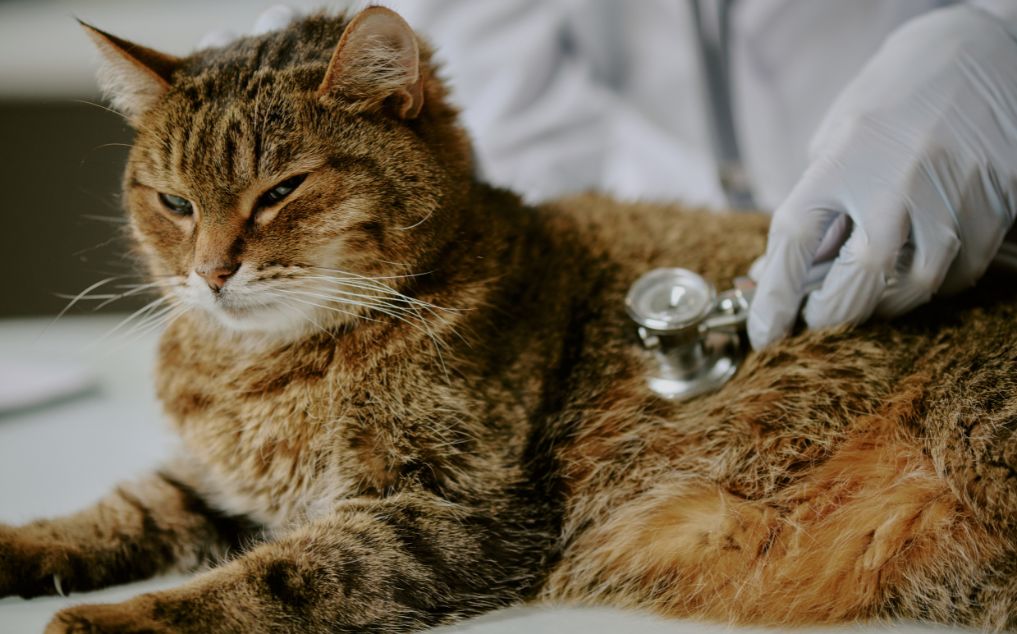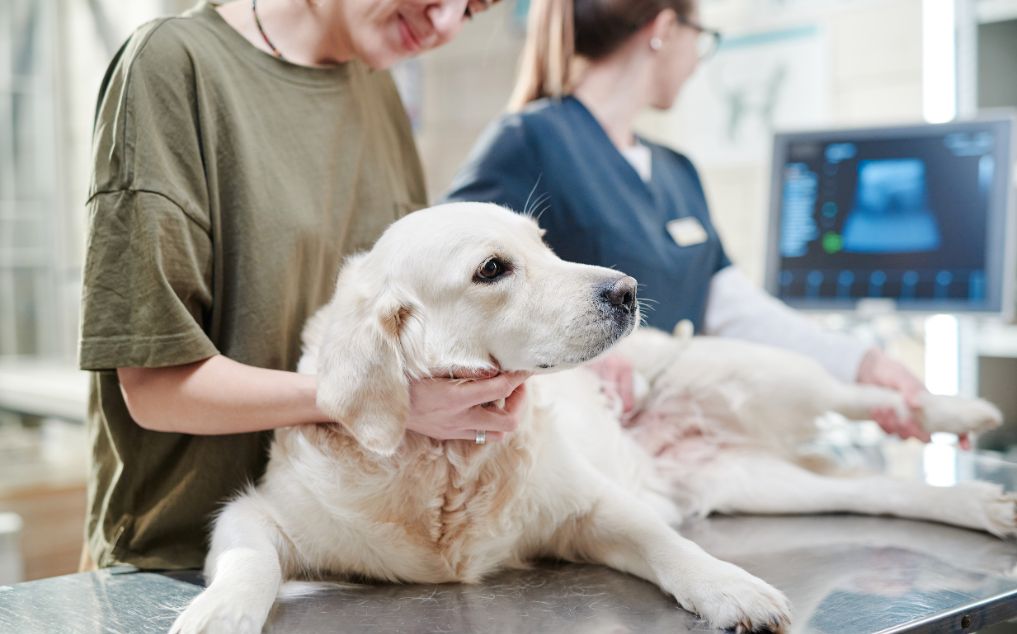

That reminder card from your veterinarian sits on the counter. Another round of shots coming due. You know vaccinations matter, but the schedule feels confusing—core versus noncore, timing intervals, booster requirements that seem to shift every visit.
Pet vaccination represents one of the most consequential health decisions you’ll make for your companion. The timing, selection, and frequency of immunizations directly influence protection against deadly diseases while minimizing unnecessary interventions. Understanding what your dog or cat actually needs—and when—transforms vaccination from anxiety into confident preventive care.
This comprehensive analysis addresses the most pressing questions pet owners face about vaccination schedules, explains the science behind timing recommendations, and explores how modern AI platforms help you track immunization needs with precision.
Struggling to remember which vaccines your pet received and when boosters come due? Discover how CompanAIn’s living health timeline automatically tracks vaccination records and alerts you to upcoming immunization needs before they’re overdue.
Core Vaccines: Essential Protection for Every Pet
Veterinary medicine categorizes vaccines into core and noncore groups. Core vaccines protect against widespread, potentially fatal diseases threatening all pets regardless of lifestyle.
Dogs: The Four Essential Shields
The DA2PP combination vaccine (sometimes labeled DHPP or DAPP) delivers protection against distemper, adenovirus, parvovirus, and parainfluenza in a single injection.
Core vaccines for dogs include:
- Distemper (CDV) – Attacks neurological and respiratory systems with mortality rates approaching 80 percent in puppies. According to the American Animal Hospital Association’s 2022 Canine Vaccination Guidelines, this virus remains one of the most dangerous infectious diseases affecting dogs worldwide.
- Parvovirus (CPV) – Devastates the gastrointestinal tract. Young puppies face the highest risk, with untreated cases showing mortality exceeding 90 percent. Treatment requires intensive hospitalization often costing thousands—far exceeding vaccine investment.
- Rabies – Carries legal mandates in most jurisdictions due to public health implications. Dogs typically receive their first dose between 12 and 16 weeks, with booster intervals varying by state law.
- Leptospirosis – Earned core vaccine status in the AAHA’s 2024 guideline update. This bacterial disease damages kidneys and liver while posing transmission risk to humans. The initial series requires two doses two to four weeks apart, with annual boosters maintaining protection.
Cats: Triple Viral Defense Plus Rabies
The FVRCP vaccine addresses feline herpesvirus-1, calicivirus, and panleukopenia—three critical threats combined in one injection.
Core vaccines for cats include:
- Feline Herpesvirus-1 (FHV-1) – Causes severe upper respiratory infections and, according to the 2020 AAHA/AAFP Feline Vaccination Guidelines, represents a major cause of respiratory disease and conjunctivitis in cats.
- Panleukopenia (FPV) – Attacks the immune system with often fatal consequences. This highly contagious parvovirus survives in environments for extended periods, making vaccination essential even for indoor-only cats.
- Feline Leukemia Virus (FeLV) – Holds core vaccine status for all kittens under one year. For adults, risk depends on lifestyle—specifically outdoor access or contact with cats having outdoor exposure.
- Rabies – Required by law in most jurisdictions, protecting both cats and public health.
Puppy Vaccination Timelines: Building Immunity Gradually
Puppies inherit temporary protection from maternal antibodies. However, these same antibodies interfere with vaccine effectiveness by neutralizing components before puppies’ immune systems can respond.
Maternal antibody levels vary dramatically between puppies and decline at different rates. Some lose protection at six weeks while others maintain immunity until 16 weeks or longer. This unpredictability explains why puppies require multiple doses.
The Standard Schedule
Puppy vaccination timeline:
- 6-8 weeks: First DA2PP vaccine
- 10-12 weeks: Second DA2PP booster
- 14-16 weeks: Final DA2PP booster (critical for full protection)
- 12+ weeks: Leptospirosis initial dose
- 15-16 weeks: Leptospirosis booster (3-4 weeks after first dose)
- 12-16 weeks: First rabies vaccine
- 1 year: Rabies booster and annual vaccines
The World Small Animal Veterinary Association guidelines recommend extending the final dose to 16 weeks or older ensuring adequate protection after maternal antibodies completely wane.
After the one-year milestone, adult dogs typically transition to three-year intervals for distemper, adenovirus, and parvovirus based on duration of immunity research.
Kitten Vaccination Protocols
Kittens acquire immunity almost entirely through colostrum. The FVRCP series begins at 6 to 8 weeks, with boosters every three to four weeks until kittens reach 16 to 18 weeks. The 2020 AAHA/AAFP guidelines recommend an additional booster at 6 months to address potential immunity gaps.
Kitten vaccination schedule:
- 6-8 weeks: First FVRCP vaccine
- 9-11 weeks: Second FVRCP booster
- 12-15 weeks: Third FVRCP booster
- 16-18 weeks: Final FVRCP booster
- 6 months: Additional FVRCP booster (recommended)
- 8+ weeks: FeLV initial dose (all kittens)
- 11-12 weeks: FeLV booster
- 12-16 weeks: First rabies vaccine
- 1 year: Annual booster
After completing the kitten series and six-month booster, cats receive their next FVRCP booster at one year. Indoor-only adult cats then transition to three-year intervals.
Adult Pet Vaccination: Beyond Annual Routines
Veterinary medicine has evolved past universal annual vaccination. Research revealed that core vaccines provide protection lasting at least three years after the initial series plus one-year booster.
The AAHA emphasizes individualized protocols rather than one-size-fits-all schedules. Risk factors including lifestyle, geographic location, age, and health status influence which vaccines adult pets require and how frequently.
When Vaccination Schedules Should Be Adjusted: Risk-Based, Individualized Decision-Making
Modern veterinary guidelines emphasize that vaccination is not “one size fits all.” While core vaccines remain essential, there are clinically valid situations where timing, spacing, or selection should be adjusted based on individual risk.
Reasons to delay or defer vaccination:
- Active illness, fever, or immune-mediated disease
- Receiving immunosuppressive medications (corticosteroids, chemotherapy)
- Recent adverse vaccine reactions
- Senior pets with compromised health status
Vaccine spacing is another evidence-based strategy. Administering multiple vaccines on separate visits—rather than all at once—can reduce the likelihood of adverse reactions, particularly in small-breed dogs or pets with prior vaccine sensitivity. This approach does not reduce protection when appropriately scheduled and is supported by AAHA and AAFP guidance emphasizing individualized care.
Veterinarians assess vaccination needs using:
- Disease prevalence in your region
- Lifestyle exposure (boarding, travel, wildlife contact)
- Prior vaccine history and documented reactions
- Duration-of-immunity research for specific vaccines
- Legal requirements (particularly rabies)
Responsible vaccination planning balances disease prevention with risk minimization, relying on medical history and shared decision-making rather than rigid calendars. Owners should feel empowered to discuss spacing, deferral, and prior reactions openly—these conversations reflect best practice, not vaccine avoidance.
Lifestyle-Based Decisions
Noncore vaccines to consider based on your dog’s lifestyle:
- Bordetella (Kennel Cough) – For dogs frequenting boarding facilities, grooming salons, dog parks, or training classes. Annual protection recommended for high-exposure dogs.
- Canine Influenza – For dogs in outbreak areas or traveling to endemic regions. Requires initial two-dose series plus annual boosters.
- Lyme Disease – For dogs in endemic areas, primarily the Northeast, upper Midwest, and Pacific coastal regions. Initial series requires two doses three to four weeks apart.
Noncore vaccines for cats:
- Chlamydia felis – Suits multi-cat households with documented disease history
- Bordetella – Primarily for high-density environments like shelters
Understanding Vaccine Reactions
Most pets tolerate vaccinations without incident. Understanding potential reactions helps distinguish normal responses from situations requiring immediate care.
Common mild reactions (normal immune response):
- Lethargy and mild discomfort for 24-48 hours
- Small, firm bumps at injection sites (particularly in cats)
- Mild fever or reduced appetite
- Soreness at injection site
Serious reactions requiring immediate veterinary care:
- Facial swelling or hives
- Vomiting or diarrhea
- Difficulty breathing
- Collapse or loss of consciousness
- Reactions occurring within minutes to 48 hours post-injection
Research examining over one million canine medical records published in the Journal of the American Veterinary Medical Association found approximately one reaction per 250 vaccinated dogs. Small breeds showed slightly higher rates.
The Cost Reality
First-year puppy vaccination costs: $160-$410
This includes:
- Multiple DA2PP rounds (3-4 doses)
- Leptospirosis series (2 doses)
- First rabies vaccine
Annual adult dog costs: $75-$150
Includes core vaccine boosters and any necessary noncore vaccines based on lifestyle.
First-year kitten vaccination costs: $140-$345
This includes:
- FVRCP series (4-5 doses)
- FeLV series (2 doses)
- First rabies vaccine
Annual adult cat costs: $65-$130
Indoor cats requiring triennial boosters typically spend less annually. Individual vaccine prices range from $15 to $100 depending on the specific product.
How AI Transforms Vaccination Management
Traditional vaccination tracking relies on paper cards, phone calls, or manual calendar entries. These systems fail when cards get lost or life gets busy.
CompanAIn's Living Health Timeline
CompanAIn builds permanent, continuously updated health records remembering every vaccination your pet receives. When you upload veterinary visit notes, the platform’s specialized data aggregator agent automatically parses vaccine information—extracting names, dates, lot numbers, and booster due dates.
What CompanAIn tracks automatically:
- Vaccine names and types administered
- Exact administration dates
- Lot numbers for safety tracking
- Booster due dates based on vaccine-specific intervals
- Veterinary clinic information
- Any documented reactions or side effects
This living timeline provides instant answers: “When did my dog last receive rabies vaccine?” “Is my cat’s FVRCP overdue?” The system maintains perfect recall across your pet’s lifetime.
Intelligent Booster Reminders
CompanAIn’s health analyzer agent tracks when boosters come due based on vaccine-specific intervals.
The system automatically distinguishes between:
- Annual vaccines (leptospirosis, Bordetella, canine influenza)
- Triennial core vaccines (distemper, adenovirus, parvovirus, FVRCP)
- State-specific rabies requirements (1-year vs 3-year)
- Puppy and kitten multi-dose series with proper spacing
For puppies and kittens navigating complex multi-dose series, the platform calculates appropriate spacing and reminds you to schedule within optimal windows.
Reaction Pattern Recognition
The platform’s multi-agent architecture identifies vaccine reaction patterns. If your pet experiences lethargy after certain vaccines, CompanAIn’s specialized pathologist agent flags these correlations.
CompanAIn helps you track:
- Which specific vaccines triggered reactions
- Severity and duration of symptoms
- Whether reactions worsen with repeated exposure
- Optimal timing for pre-treatment (antihistamines)
When subsequent vaccinations come due, you receive reminders to discuss reaction history with your veterinarian.
Many facilities require proof of current vaccinations. Rather than searching file cabinets, CompanAIn generates vet-ready certificates showing all current immunizations with administration dates clearly documented.
Ready to eliminate vaccination confusion and ensure optimal protection? Explore how CompanAIn’s AI-powered platform automatically tracks immunizations, alerts you to upcoming boosters, and provides personalized vaccination guidance.