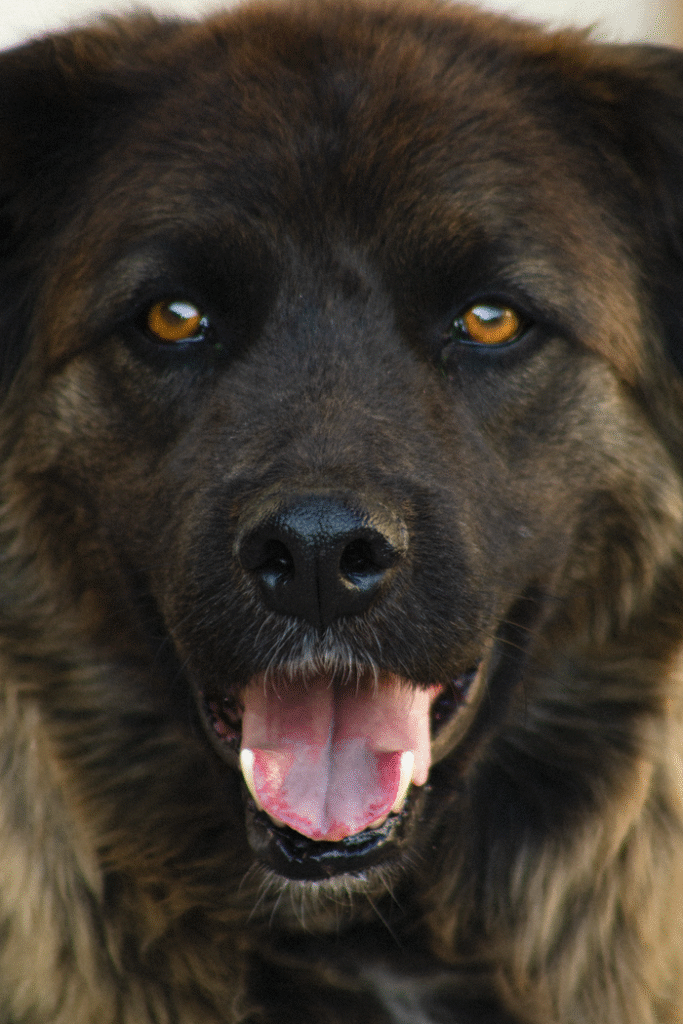

Bringing home a new puppy feels like pure joy—until you realize how much healthcare coordination comes with those first few months. Between vet appointments, shot records, and keeping track of what vaccine goes where and when, the administrative side of puppy parenting can feel overwhelming before your little one even learns to sit.
Modern AI-powered health platforms are changing how puppy owners navigate early care. CompanAIn helps you organize vaccination records, upload vet notes, and receive alerts when boosters are due—turning what used to be a confusing paper trail into a digital system that keeps you informed and prepared.
Why Puppy Vaccines Matter More Than Ever
Vaccination isn’t just a checkmark on your new-pet to-do list. These shots establish your puppy’s immune defense against diseases that still threaten unprotected dogs today—illnesses that can cause permanent damage or even death within days of infection.
Puppies receive temporary immunity from their mother’s milk, but that protection fades rapidly after weaning. Without timely vaccinations, young dogs become vulnerable to viruses like parvovirus and distemper, both of which spread quickly and devastate entire litters in shelters and breeding facilities.
Modern vaccines stimulate your puppy’s immune system to recognize and fight specific pathogens without making your dog sick. The process requires multiple doses over several months because puppies’ developing immune systems need repeated exposure to build lasting protection.
Core Vaccines Every Puppy Needs
Core vaccines protect against diseases that pose universal threats regardless of where you live or how you raise your dog. These are non-negotiable for responsible pet ownership.
DHPP (Distemper, Hepatitis, Parvovirus, Parainfluenza)
This combination vaccine defends against four life-threatening conditions:
Distemper attacks the respiratory, gastrointestinal, and nervous systems. Infected puppies may develop pneumonia, seizures, and paralysis. The virus spreads through airborne exposure and has no cure.
Adenovirus (Hepatitis) damages the liver, kidneys, and blood vessels. Severe cases cause abdominal pain, jaundice, and sudden death. The virus survives in the environment for months.
Parvovirus destroys the intestinal lining, causing severe bloody diarrhea and vomiting that lead to dangerous dehydration. Parvo is highly contagious and can remain infectious in soil for years.
Parainfluenza contributes to kennel cough—a respiratory infection that causes persistent coughing and can progress to pneumonia in young or immunocompromised dogs.
Rabies
Rabies vaccination isn’t optional—it’s required by law in most states. This fatal virus attacks the nervous system and can spread to humans through bites or scratches. Once symptoms appear, rabies is almost always deadly. No treatment exists.
Most veterinarians administer the first rabies vaccine between 12 and 16 weeks of age, with boosters required every one to three years depending on local regulations.
Non-Core Vaccines Based on Lifestyle
Beyond universal protection, certain vaccines make sense for puppies with specific exposure risks. Your vet will help determine which non-core options fit your dog’s environment and activities.
Bordetella (Kennel Cough)
If your puppy will attend daycare, visit dog parks, or board at kennels, the Bordetella vaccine reduces the risk of kennel cough—a contagious respiratory infection that spreads rapidly in social settings.
Leptospirosis
This bacterial disease thrives in standing water and wildlife urine. Dogs who swim in lakes, hike in wooded areas, or live in regions with high rainfall face increased exposure. Leptospirosis can cause kidney and liver failure and can spread to humans.
Canine Influenza
Dog flu outbreaks occur sporadically in boarding facilities and shelters. If your area has reported cases or your puppy spends time in high-traffic dog environments, your vet may recommend this vaccine.
Lyme Disease
Ticks carrying Lyme disease are prevalent in certain geographic regions. If you live in an endemic area or plan outdoor activities where ticks are common, vaccination provides additional protection beyond tick prevention products.
Typical Puppy Vaccination Schedule
While every veterinarian tailors schedules based on individual risk factors, most puppies follow this general timeline:
6-8 Weeks:
- First DHPP vaccine
- Bordetella (if high-risk lifestyle)
10-12 Weeks:
- Second DHPP vaccine
- Leptospirosis (first dose)
- Lyme disease (first dose, if needed)
14-16 Weeks:
- Third DHPP vaccine
- Leptospirosis (second dose)
- Rabies vaccine
- Lyme disease (second dose, if needed)
6-12 Months:
- DHPP booster
Annually or Every 3 Years (depending on vaccine type):
- DHPP booster
- Rabies booster
- Bordetella booster
- Leptospirosis booster
Puppies need multiple DHPP doses because maternal antibodies can interfere with vaccine effectiveness. Spacing shots two to four weeks apart ensures coverage as those maternal protections decline.
How CompanAIn Simplifies Vaccine Management
Keeping track of vaccination dates, documenting reactions, and remembering when boosters are due becomes exponentially easier with AI-powered health platforms.
Automated Record Organization
Upload vet visit summaries, vaccine certificates, or even photos of paper records. CompanAIn parses the information automatically, extracting vaccine types, dates, and manufacturer details into a structured digital timeline.
No more digging through folders or trying to remember which clinic administered which shot. Everything lives in one searchable place.
Booster Reminders
CompanAIn analyzes your puppy’s vaccination history and sends alerts before boosters are due. You’ll receive notifications weeks in advance, giving you time to schedule appointments before protection lapses.
For vaccines with variable schedules—like rabies, which may be annual or triennial depending on local laws—the platform adapts based on your location and previous records.
Shareable Reports for Vets
When you visit a new veterinarian or need to provide proof of vaccination for boarding or training classes, CompanAIn generates comprehensive reports you can share instantly. Clinics receive professional documentation that includes vaccine types, lot numbers, and administration dates.
Tracking Reactions or Concerns
If your puppy experiences soreness, lethargy, or other post-vaccine symptoms, you can log those observations in CompanAIn. The platform organizes these notes alongside vaccination records, helping your vet identify patterns or sensitivities that might influence future protocols.
What to Expect During Vaccination Visits
Understanding the process helps reduce anxiety for both you and your puppy.
Veterinarians perform a physical exam before administering vaccines to ensure your puppy is healthy enough for immunization. Sick or stressed puppies may need to delay shots until they recover.
Most vaccines are given as subcutaneous injections (under the skin) in the shoulder area. Your puppy might yelp briefly but typically recovers within seconds. Some clinics offer treats or toys to create positive associations with vet visits.
After vaccination, your puppy should rest for 24-48 hours. Mild side effects—like temporary soreness at the injection site, slight fever, or reduced appetite—are normal and resolve quickly. Severe reactions are rare but require immediate veterinary attention.
When Vaccines Might Be Delayed or Modified
Not every puppy follows the standard schedule. Certain circumstances require adjustments:
Immunocompromised puppies with underlying health conditions may need delayed or reduced vaccine protocols. Your vet will weigh infection risks against potential vaccine reactions.
Very young puppies under six weeks old typically don’t receive vaccines because maternal antibodies still provide protection. Starting too early wastes vaccines that won’t be effective.
Breed sensitivities exist for some dogs. Breeds like Chihuahuas or toy dogs may receive modified doses due to their small size, while certain breeds show increased sensitivity to specific vaccine components.
Titer testing measures antibody levels in adult dogs to determine whether booster vaccines are truly necessary. This option isn’t typically used for puppies, who need full protection during their vulnerable early months.
Balancing Socialization and Vaccination Timing
One of the most challenging aspects of puppy ownership involves socialization windows. Puppies learn critical behavioral skills between 3 and 14 weeks of age—exactly when they’re most vulnerable to infectious diseases.
Before full vaccination, limit your puppy’s contact with unknown dogs and avoid high-traffic areas like dog parks, pet stores, and public trails. Instead:
- Host puppy playdates with fully vaccinated dogs
- Carry your puppy in a stroller or carrier during outings
- Enroll in puppy socialization classes that require proof of vaccination
- Focus on exposure to different environments, sounds, and experiences rather than dog-to-dog contact
Once your puppy completes the DHPP series (usually around 16-20 weeks), they’re considered protected enough for broader socialization. Always confirm with your veterinarian before exposing your puppy to public dog spaces.
CompanAIn: Your Partner in Proactive Puppy Care
Managing a puppy vaccination schedule requires attention to detail, timely follow-through, and organized record-keeping. CompanAIn transforms this administrative burden into a streamlined process that keeps you ahead of deadlines and informed about your puppy’s health.
With automated record organization, intelligent reminders, and shareable reports, you spend less time tracking paperwork and more time enjoying your new family member. The platform provides ongoing record-based insights from your puppy’s documented health history, helping you and your vet catch potential concerns earlier and support long-term wellness. Alongside timely vaccinations, providing your puppy with breed-specific dog food can further support their growth and overall health, ensuring nutrition tailored to their unique needs.
Whether you’re navigating your first puppy’s healthcare or adding another dog to your family, AI-assisted health management ensures nothing falls through the cracks. Your puppy’s vaccination schedule becomes one less thing to worry about—and one more way to provide the best possible care.
Ready to Simplify Your Puppy's Healthcare?
Vaccination schedules don’t have to be confusing. With the right veterinary partner and AI-powered tools like CompanAIn, you can confidently manage every aspect of your puppy’s early health needs. From organizing records to receiving timely reminders, modern technology supports responsible pet parenting at every stage.
Explore CompanAIn today and discover how AI-assisted health management makes puppy care smarter, simpler, and more effective.
Frequently Asked Questions
When should my puppy get their first vaccines?
Puppies typically receive their first vaccines between 6 and 8 weeks of age, starting with the DHPP combination vaccine. Your veterinarian will establish a schedule based on your puppy’s health and risk factors.
How many rounds of vaccines do puppies need?
Most puppies need three to four rounds of core vaccines spaced two to four weeks apart, continuing until they’re at least 16 weeks old. This series ensures protection as maternal antibodies decline.
Can I skip vaccines if my puppy stays mostly indoors?
No. Diseases like parvovirus and distemper can survive in the environment for months and may be tracked indoors on shoes or clothing. All puppies need core vaccines regardless of lifestyle.
What happens if I miss a vaccine appointment?
Contact your veterinarian immediately to reschedule. Depending on how much time has passed, your puppy may need to restart the vaccination series to ensure adequate protection.
Are puppy vaccines safe?
Yes. Modern vaccines are extensively tested and considered very safe. Most puppies experience no side effects, though mild soreness or temporary lethargy can occur. Severe reactions are extremely rare.
How can AI help me manage my puppy's vaccine schedule?
CompanAIn organizes vaccination records, sends booster reminders,sends booster reminders, and generates shareable reports for veterinarians or boarding facilities. The platform provides ongoing insights based on your puppy’s documented health history, helping you stay on top of preventive care.